

Control Resonant is an ambitious successor that takes the strange, bureaucratic paranormal fiction of Control in a notably different direction. Rather than returning to a tightly interconnected headquarters filled with shifting concrete corridors, Remedy Entertainment sends Dylan Faden into a Manhattan reshaped by an escalating paranatural event. It is bigger, more open, more combat-focused, and built around melee weapons rather than Jesse Faden's constantly transforming firearm.
That change produces some extraordinary moments. The city repeatedly folds in on itself beneath the effects of the Patterning, turning familiar streets and buildings into surreal spaces of warped perspective, inverted gravity, and kaleidoscopic color. The Federal Bureau of Control remains a compelling framework for the weirdness, too, with redacted files, unexplained objects, and unsettling incidents inviting players to read between the lines.
Yet Control Resonant's best qualities do not consistently fit its larger action-RPG structure. Its exploration often feels stretched across broad, similar-looking city blocks, while its melee combat has a tendency to settle into a simple rhythm long before the credits. There are flashes of the inventive, carefully directed storytelling and environmental design that made the original game memorable, but they sit inside a much more uneven adventure.
A Manhattan transformed by the Patterning
Control Resonant is set to launch on September 24, 2026, for PC, PlayStation 5, and Xbox Series X. Players take control of Dylan Faden, Jesse's brother, after his confinement and experimentation under the FBC. Dylan is considered so dangerous that he carries a device capable of killing him, an immediate indication that his relationship with the organization remains fraught.
For useful background on this topic, read Build a Boat for Treasure Codes for September 2026: Free Gold and a Classic Firework.
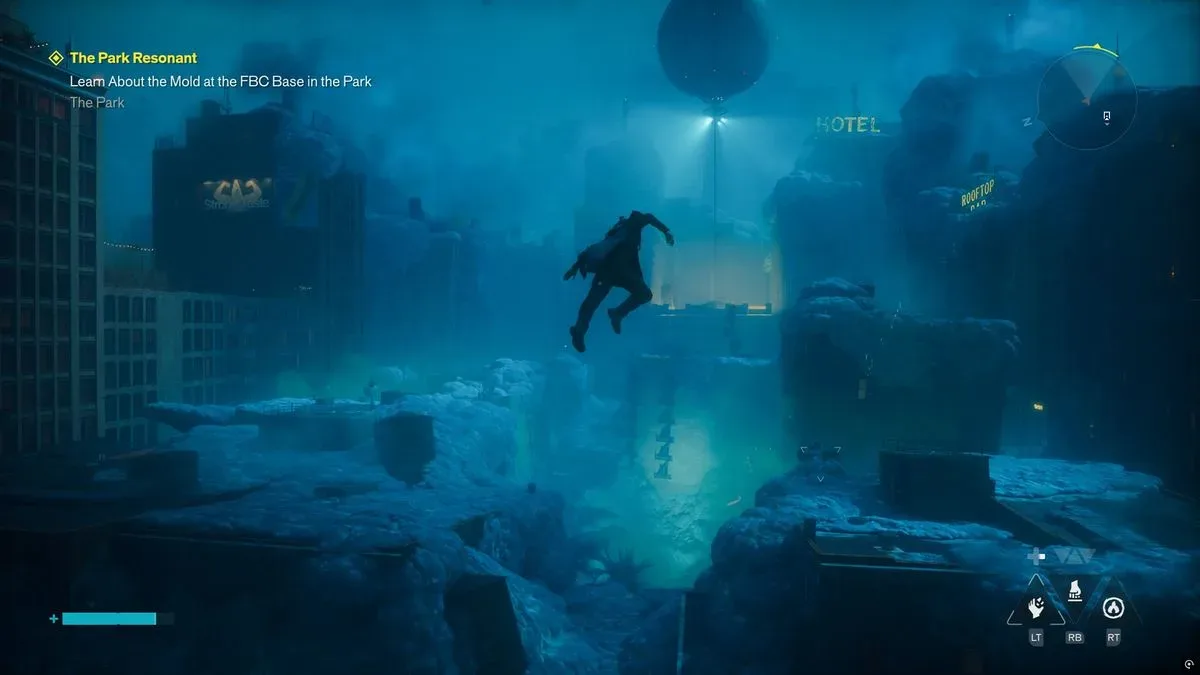
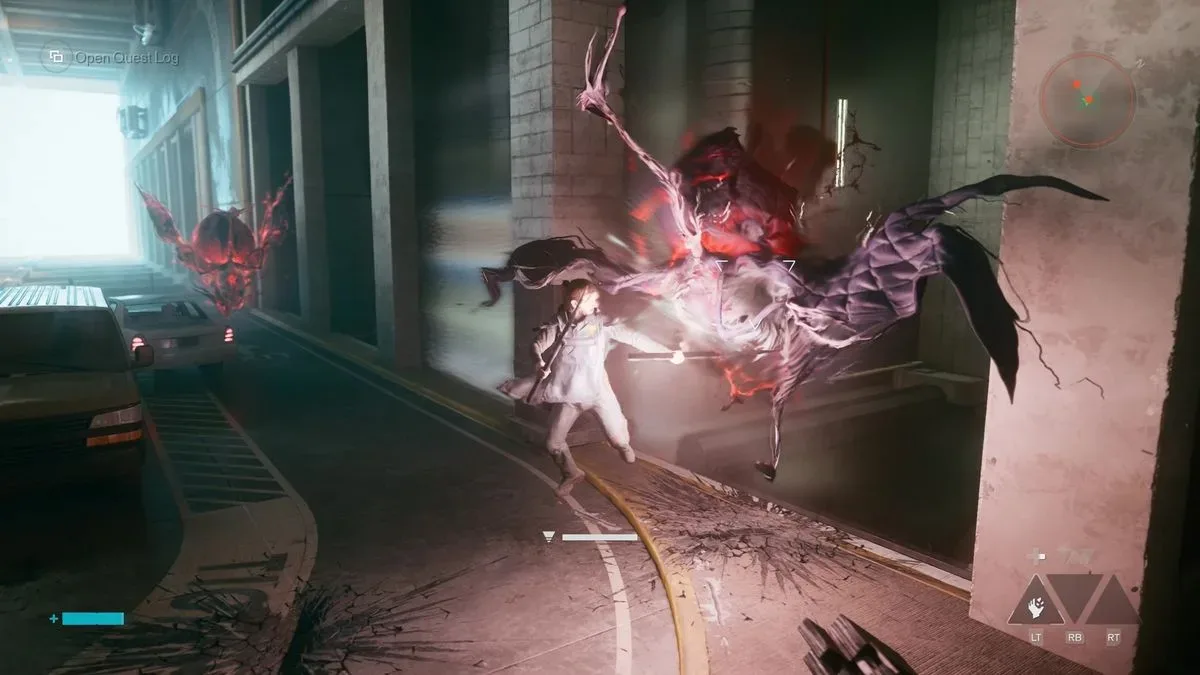
The central setting is an altered Manhattan divided into large zones. One area bends gravity, letting Dylan traverse walls and ceilings; another sends him over rain-soaked rooftops; a park becomes consumed by mold. These spaces make a powerful first impression. Red projections cast across brickwork signal nearby threats, while skyline views and distorted architecture frequently make the city feel like it is being refracted through an impossible lens.
The Patterning is particularly successful as a visual idea. Boss introductions and major story sequences exploit it for impressive transformations, making otherwise ordinary urban settings feel volatile and untrustworthy. A descent through the interior depths of a high-rise is among the standout set pieces, delivering the kind of boldly illogical architecture that suits the series perfectly. A later sequence also cleverly echoes the celebrated Ashtray Maze from the first game, though in a quieter and more emotional fashion.
Those authored moments demonstrate how effective Control Resonant can be when it narrows its focus. Unfortunately, the open-ended city between them is less distinctive. Dylan receives useful movement upgrades early, including faster running, a hovering double jump, air dashes, and gravity-defying traversal. They make getting around more flexible, but points of interest can be far apart. Traversal is often reduced to holding sprint while moving between events, caches, and mission markers.
For another perspective on this story, read Control Resonant Review: Stunning Paranatural Manhattan Can't Escape a Repetitive Melee Loop.
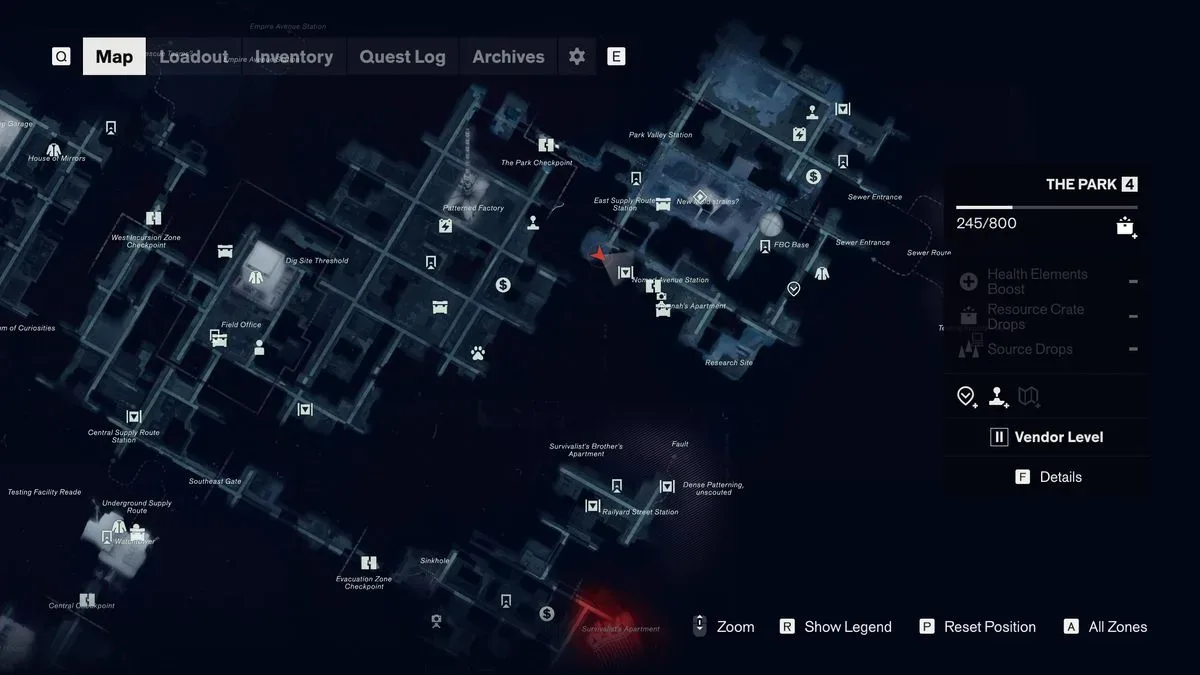
Many of the spaces also blur together at ground level. Cafes, laundromats, restaurants, subways, warehouses, and factories recur throughout the journey. There are sensible in-world explanations for a city's repetition and for a reality-altering force rendering locations alike, but the repetition still diminishes the excitement of navigating the map. The verticality and shifting gravity add further complications, and a top-down map does not always communicate those layered spaces clearly.
Investigation remains the game's strongest instinct
Despite the sprawl, Control Resonant does reward curiosity. Dylan can pursue several major leads in the core zones, gaining abilities that support his search for Jesse. Dimensional Faults deliver traversal upgrades, while encounters with Resonants--people twisted by the Patterning--can provide more overtly destructive powers.
These include telekinetically throwing debris and summoning molded allies that attack with poison. The ability set gives Dylan a growing paranormal toolkit, and the game is generous about allowing players to investigate objectives in a flexible order. That openness is more effective when it is tied to mysteries rather than combat rewards.
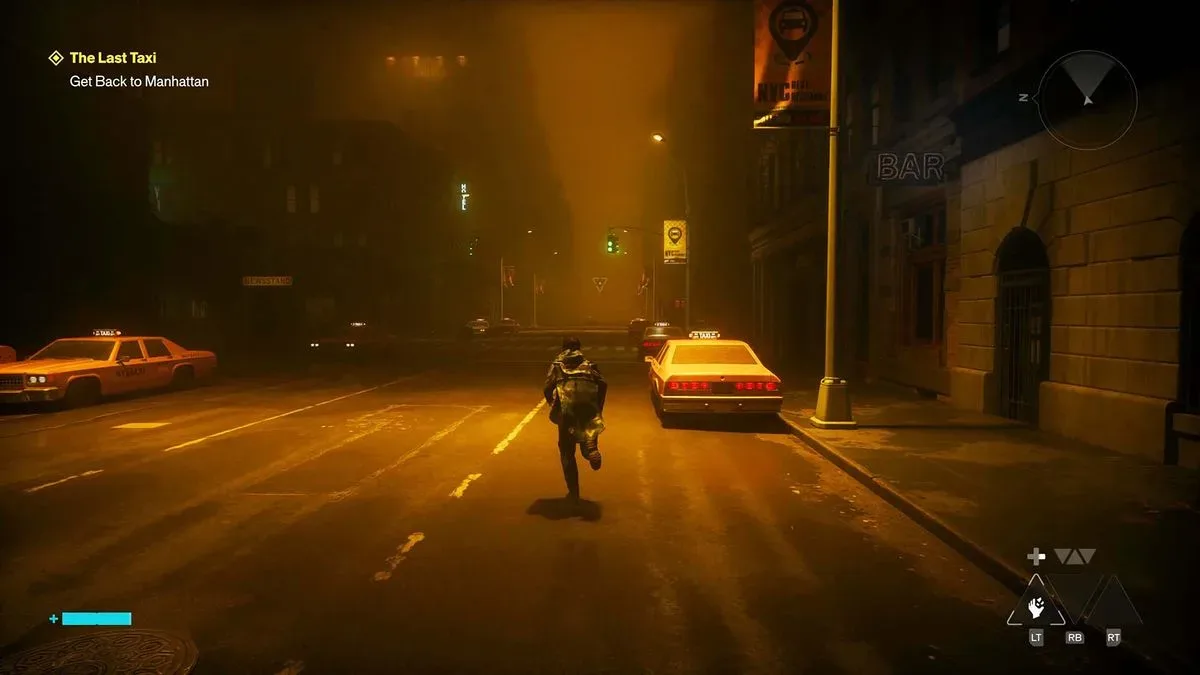
The smaller, unmarked environmental puzzles are a highlight. Discovering a clue in an apparently abandoned laundromat, working out a washing machine code, or identifying the one taxi that does not belong in an interdimensional limbo captures the playful investigative spirit that has long suited Remedy's fiction. They encourage players to observe the world instead of simply clearing icons from a map.
The FBC's documentation helps sustain that mood. Half-redacted reports and strange case files once again turn incidental reading into part of the atmosphere. Control Resonant still understands the appeal of an institution attempting to classify things it fundamentally cannot comprehend. When it asks players to poke through anomalous spaces and interpret odd details, the game feels purposeful and distinctive.
Melee replaces the Service Weapon, but lacks momentum
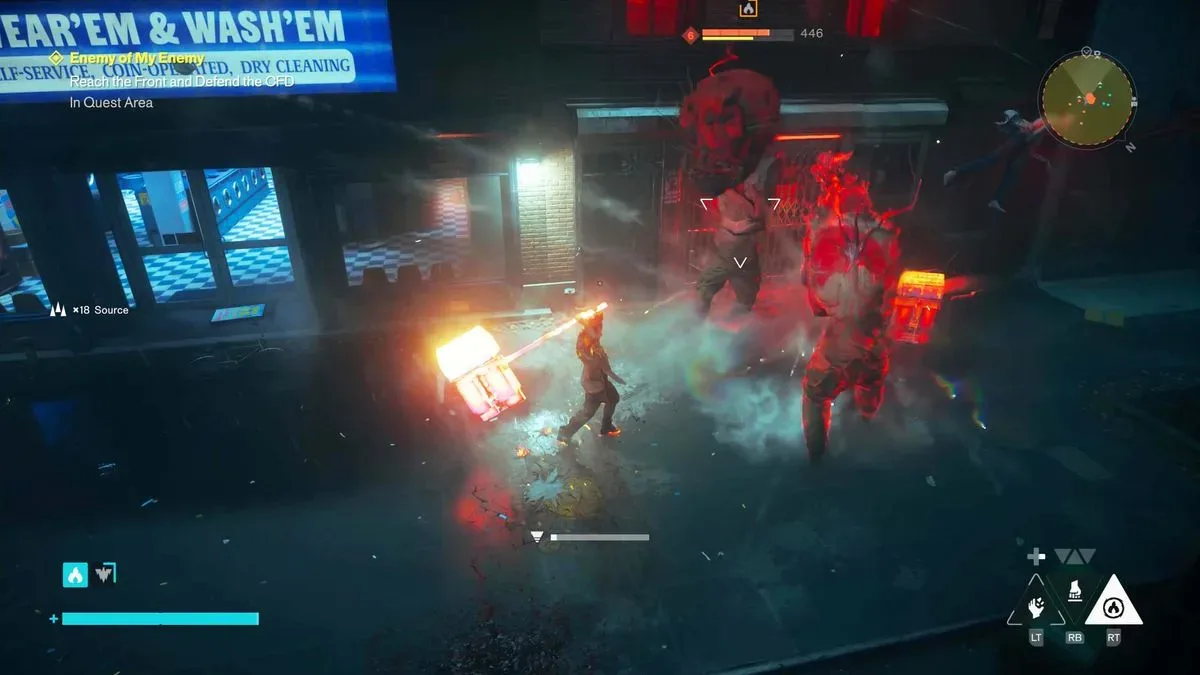
The biggest departure from the first Control is Dylan's Aberrant weapon. Rather than relying on Jesse's shape-shifting Service Weapon and frequent gunfire, the new game asks players to fight at close range. The Aberrant weapon can take multiple forms, though only two primary forms and a combo-finisher form can be equipped at once. One weapon handles light attacks, another serves as a heavy option, and their traits vary through speed, range, knockback, stagger potential, and other effects.
There is a real effort to provide variety, but the system does not consistently encourage experimentation. Early weapon choices can be frustrating, particularly when a slower form leaves Dylan rooted in place while enemies bombard him with projectiles. Later, upgrade resources become plentiful enough that most options can be improved with little pressure to make meaningful trade-offs.
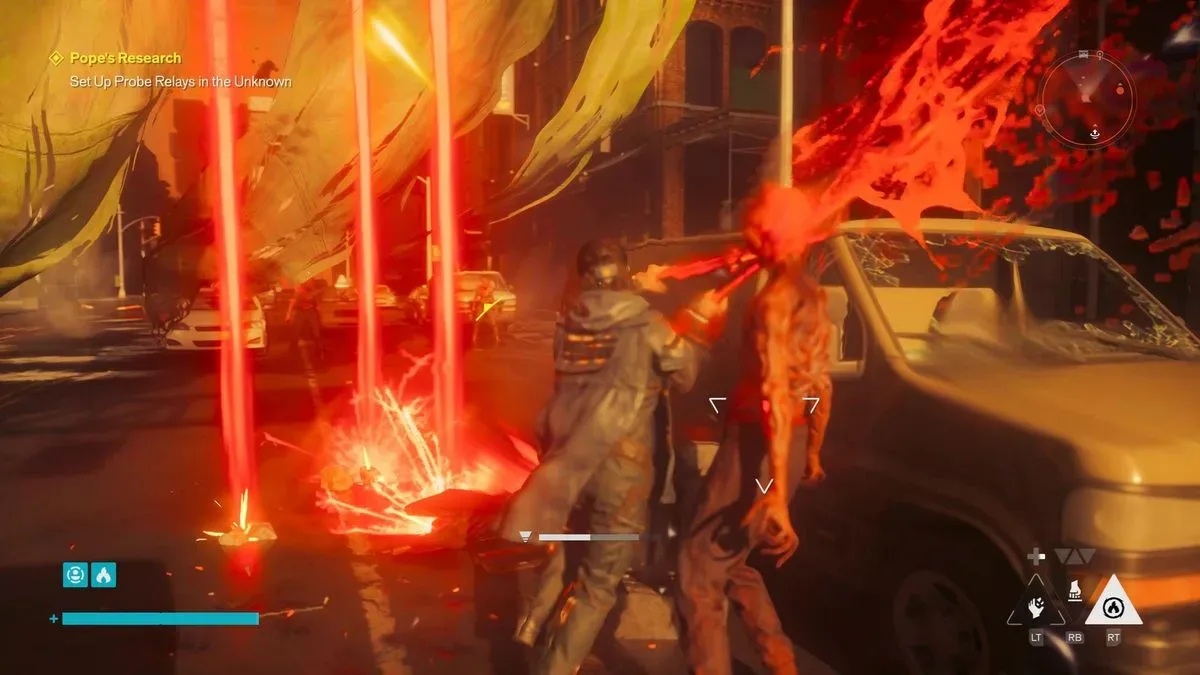
More importantly, the game's battles frequently reward a straightforward approach. Move close, attack repeatedly, execute a well-timed dodge, and use powers as their meter becomes available. Across a campaign that can reach roughly 25 hours before additional side content, that loop does not evolve enough. Even when upgrades are accumulating in the background, the immediate feel of combat can remain almost unchanged.
Control Resonant includes detailed difficulty and accessibility adjustments after players acknowledge the default intended experience. Damage values, power regeneration, and even one-hit kills can be customized. That flexibility is welcome, particularly for players who want to prioritize the narrative and atmosphere. It does not, however, solve the underlying issue that combat encounters often lack tactical texture.
The game is crowded with foes that throw rocks, fire lasers, or otherwise interrupt melee strings from a distance. Some Heavy enemies can continually bring in smaller opponents, making it impossible to fully clear the surrounding pressure before addressing the larger threat. Waves of enemies make many ordinary battles feel longer than necessary, especially as familiar enemy groups return repeatedly.
There are potential synergies to explore. Poisoning an enemy and then setting it on fire can trigger an explosion, while Command-oriented builds can strengthen Dylan's summoned allies. But those possibilities are rarely essential, and stylish combinations can feel less efficient than simply continuing to strike. Telekinetic throws offer some range, but need melee attacks to recharge, ensuring that Dylan must return to close quarters.
This is where the original Control's shooting and powers had an advantage. That game was not a deeply technical action title, but rapidly changing gun forms and hurling debris at enemies made its confrontations feel more reactive. Jesse was constantly repositioning in compact arenas. In Resonant, melee flattens many encounters, including those in gravity-shifted locations. Once Dylan is attached to a surface, the fight can become static again.
Striking bosses and an underdeveloped new lead
The Resonants make memorable visual impressions but do not always receive satisfying dramatic or mechanical follow-through. The Dancer, for example, has expressive movements inspired by interpretative dance and drumming, yet the fight itself can quickly become a repetitive sequence of attacks and dodges. Many bosses have limited move sets and are isolated one-on-one confrontations, exposing the narrowness of the central combat pattern.
Their stories are similarly brief. There are hints of tragedy in the fates of humans altered by the Patterning, but the game often moves from entering a themed location directly into a boss battle. The theater occupied by the Dancer is a striking premise that receives comparatively little time to develop. These characters are important enough to lend the game its title, but their individual narratives often feel like short detours.
The larger story fares somewhat better, especially in its later, more formally adventurous moments. Still, it seems caught between resolving questions left by Control and establishing its own mysteries. It does not always provide enough satisfying expansion of the wider mythology, nor does it consistently give its smaller paranormal tales room to breathe.
Dylan's shift to protagonist is another mixed result. Sean Durrie brings commitment to the role, but Dylan is written as a notably subdued lead. His unsettling, antagonistic presence in the original game carried more ambiguity than his perspective does here. The hostility he faces from FBC personnel adds tension, especially given the organization's history of taking and abusing him as a child, but the story does not dig deeply enough into the bureau's cruelty to make that tension fully land.
Control Resonant has memorable anomalies, but not enough control
Control Resonant is never short of imagination. It has supernatural vistas worth stopping for, strong environmental puzzles, and several sequences that show exactly why the world of the FBC remains so compelling. Its best scenes are surreal, playful, melancholy, and visually confident. They suggest a more restrained game hiding within the broader open-world framework.
But the long stretches between those highs expose a campaign that is too thinly spread. Exploration lacks enough variation across Manhattan, the map is difficult to parse, bosses are more impressive to look at than to fight, and the melee system rarely demands the variety its weapon forms and skill trees imply. The game offers plenty of upgrades, yet little reason to change habits once an effective attack-and-dodge routine has been established.
For players invested in Control's mythology, there is still value in seeing where Dylan Faden's story goes and uncovering the FBC's latest impossible cases. For everyone else, the recommendation is more complicated. Control Resonant has the scale of a major evolution for the series, but its most satisfying ideas remain the focused, strange, carefully constructed mysteries that the expanded format too often leaves behind.

Community
Discussion
Start the conversation.
No comments have been posted yet.