

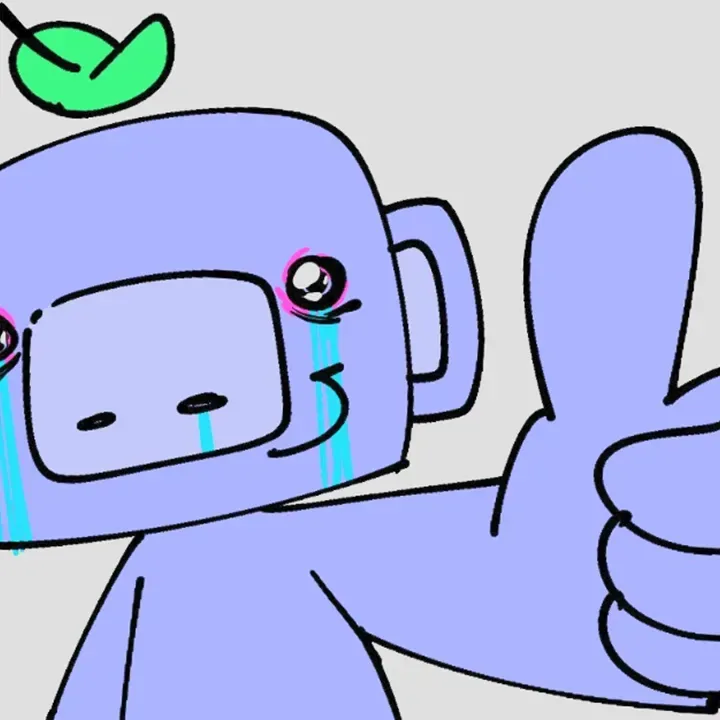
Discord's age-assurance rollout has become the focus of a loud, unusually visual protest from its community. Following the arrival of the platform's new age verification system, users have filled replies and quote-posts on X with darkly comic illustrations of Wumpus, Discord's familiar purple mascot, meeting increasingly absurd and violent fictional fates.
The images are not simply a random meme trend. They are a clear expression of anger over the company's approach to age verification, with users raising concerns about privacy, data handling, technical problems, and the broader feeling that a platform built around communities and informal communication is adopting systems they do not trust.
For gaming communities in particular, Discord is more than another social app. It is where guilds organize, friends coordinate sessions, mod teams communicate, tournament groups gather, and fan communities share art, guides, and news. That central role helps explain why a policy change affecting access to age-restricted spaces can generate a reaction far beyond an ordinary update notice.
Embedded X/Twitter post
Embedded X/Twitter post
Embedded X/Twitter post
A sarcastic post becomes the flashpoint
The immediate catalyst was a Discord post on X that joked about launching an "extremely popular" age-assurance update that everyone had supposedly been eager to receive, only for it to have bugs. The company's attempt at self-aware humor landed badly with a sizable part of its audience.
For useful background on this topic, read The Last of Us PS5 Welcome Hub Background Arrives Ahead of September 28 Reveals.
The post had received roughly 36,000 likes, but the replies and quote-posts told a more complicated story. Nearly 10,000 responses had accumulated, and many were critical of the update or the tone of the message. Rather than treating the bugs as a minor launch-day inconvenience, users framed them as evidence of a larger problem: an unpopular verification policy being introduced despite persistent objections.
Among the most visible quote-posts was an image depicting Wumpus in an exaggerated, hyper-realistic take on historical quartering imagery. That post alone gathered around 260,000 likes. Many more images followed, placing the mascot in outrageous crossover scenarios involving fictional threats, monsters, swords, wolves, and other deliberately over-the-top dangers.
The point of the artwork is not subtle. Wumpus has become a stand-in for Discord itself, and the escalating imagery reflects how sharply many users feel about the age-assurance program. It is protest by meme: surreal, hostile, creative, and optimized for an online audience that often communicates dissatisfaction through remix culture.
Why the backlash is about more than bugs
Discord later said that an issue preventing access to age-restricted servers had been fixed. That update addressed one immediate technical complaint, but it did not resolve the concerns dominating the reaction. The complaints are centered on the system's purpose and implications, rather than only its early malfunction.
Age-assurance tools have become a highly contentious issue across online services. Supporters generally present them as a way to keep minors out of adult-oriented areas and help platforms meet legal or safety responsibilities. Critics worry that verification processes can require sensitive personal information, create additional opportunities for data exposure, produce mistaken results, or restrict access for people who are unable or unwilling to complete the requested steps.
Those fears carry particular weight at Discord because users are still mindful of a significant data breach from the previous year. In the replies to the company's post, many users connected their skepticism about the age-verification update to concerns over how any additional personal data might be handled. Some also objected to the contrast between Discord's playful social-media voice and the seriousness of a policy involving identity and age checks.
The broad message from critics is that a company asking users for greater trust around personal verification cannot rely on mascot-driven humor to dismiss the anxiety surrounding that request.
Discord engaged with at least one reply by emphasizing that its original post was sarcastic. But for critics, that clarification appeared to reinforce the disconnect. The issue, in their view, was not whether the company knew the update was unpopular; it was that Discord appeared willing to make light of backlash without directly addressing the privacy and access concerns behind it.
Wumpus becomes the symbol of a platform dispute
Corporate mascots have long been easy targets when a company frustrates its audience. They are recognizable, emotionally neutral symbols that can be transformed into jokes, complaints, and fan art without users needing to explain the entire policy argument in every post. Wumpus is especially suited to that role because Discord has historically presented the character as cute, friendly, and central to the platform's identity.
That familiar image is exactly why the protest art has spread. The contrast between the cheerful purple mascot and the grim, fantastical situations drawn by artists makes the posts instantly legible in a crowded feed. It also lets users participate regardless of whether they have written a detailed privacy critique. A single illustration can signal opposition to the system, annoyance with bugs, irritation at the social post, or all three.
The trend demonstrates how online communities turn platform decisions into a shared visual language. Some participants are clearly focused on comedy and the spectacle of seeing a mascot placed in impossible crossover scenarios. Others are using the meme format to make a serious point about trust. Both impulses can exist at once, and the rapid growth of the reaction shows how effectively they have combined.
There is also an important distinction between attention and approval. Discord's post receiving tens of thousands of likes does not mean the rollout is broadly embraced, just as a viral protest image does not automatically represent every user's view. The reply environment nonetheless makes one thing clear: there is a highly engaged group of users who see the age-assurance rollout as a major change worthy of sustained criticism.
What it could mean for game communities
Discord's importance to games makes verification changes especially sensitive. Age-gated servers can host discussions, creative work, community events, role-playing groups, modding projects, and social spaces connected to games with mature themes. If users encounter errors when entering those spaces, or if they feel uncomfortable with the verification process, the effects extend to the volunteer moderators and community organizers who depend on Discord as infrastructure.
Server owners and moderators may also be left answering questions they cannot fully resolve. Players who are blocked from a space may turn first to community staff, even when the technical issue or policy is controlled by the platform. That can create friction within communities already tasked with keeping conversations safe, enforcing rules, and maintaining welcoming spaces for members of different ages.
For users, the debate is likely to continue around practical questions: What information is requested? How is it protected? What happens if verification fails? How are mistakes appealed? And how consistently will restrictions be applied across regions and types of servers? The current viral response is driven by frustration, but durable confidence will depend on clear answers to those operational concerns.
Discord has fixed one issue, but the trust question remains
The company's update that it had repaired the bug affecting age-restricted servers may reduce some immediate disruption. However, its public response has not yet directly addressed the broader criticisms filling the replies to its announcement. That leaves the conversation in an unsettled place: the technical fault has been acknowledged, while the underlying objections to age assurance remain active.
Platforms introducing safety and compliance measures often face a difficult balancing act. They must protect younger users and meet evolving expectations around online safety, but they also need to explain how privacy is preserved and why users should trust the process. A rollout can be technically functional and still fail to win acceptance if the company does not communicate clearly about its safeguards.
Discord's Wumpus backlash is therefore more than a strange week of internet art. It is a vivid example of what happens when a deeply embedded online platform changes the rules of access without persuading a vocal portion of its community that the tradeoffs are justified. The mascot may be fictional, and the artwork deliberately ridiculous, but the concerns behind it are real.
For now, Wumpus remains the unwilling face of that conflict. Whether the meme wave fades quickly or becomes a lasting symbol of opposition will depend less on the next joke post and more on how Discord handles user questions about verification, privacy, and access in the weeks ahead.
Community
Discussion
Start the conversation.
No comments have been posted yet.