

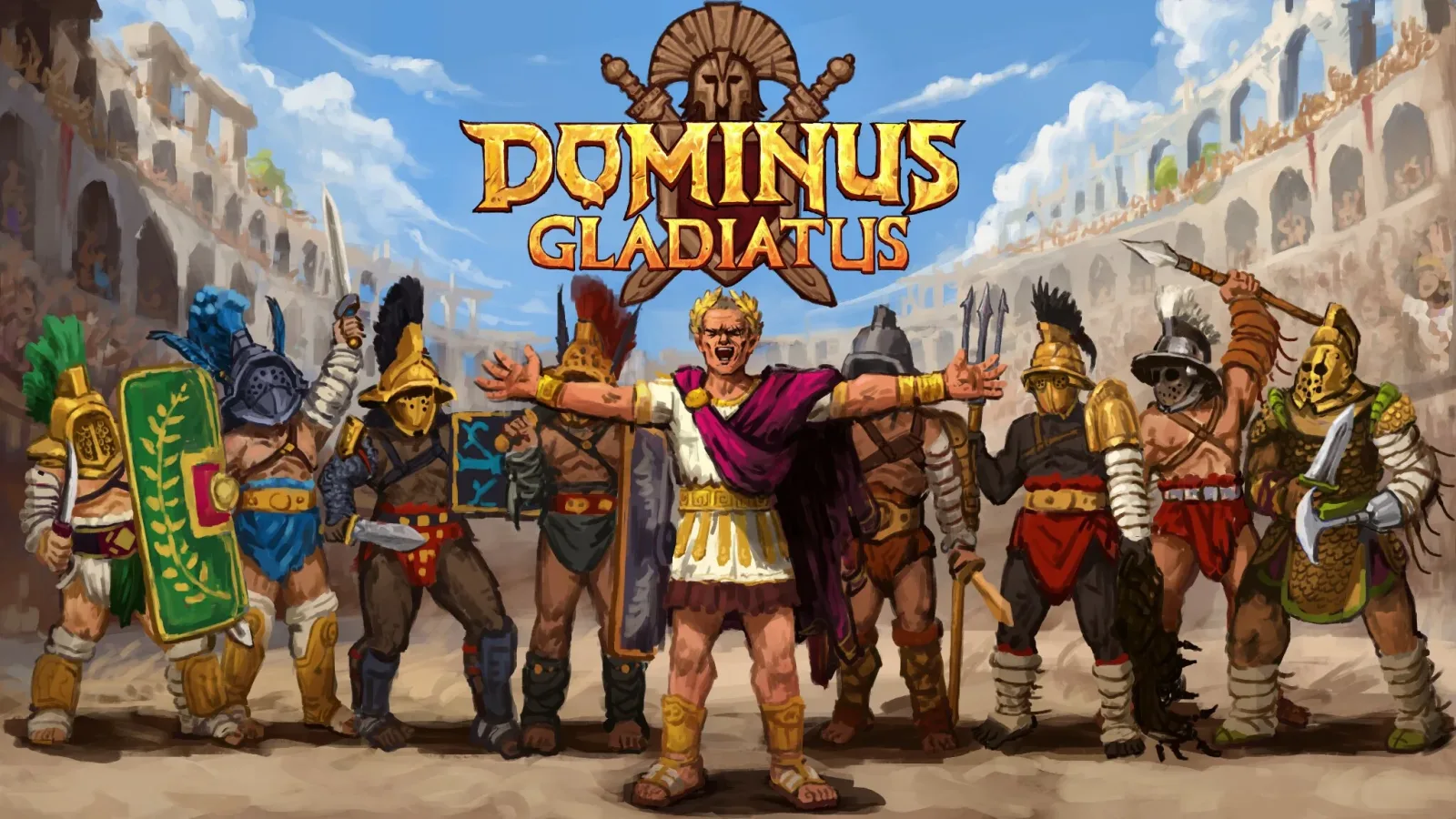
Dominus Gladiatus will launch worldwide on November 5, 2026, bringing its Roman-era blend of management strategy and tactical auto-battler combat to PC via Steam, PlayStation 5, Xbox Series X|S, and Nintendo Switch. The game will carry a price of $19.99 USD, while PC players can already try a free demo through Steam.
Developed by Brain Seal Ltd and published alongside PlayWay S.A., Dominus Gladiatus puts players in the role of a Dominus: the leader of a gladiator school, or Ludus. Its central challenge is not simply winning a series of arena fights. Players must build the institution that produces those fighters, make decisions about who deserves training and investment, and guide a roster through the risks that come with a brutal competitive season.
The result is a game structured around preparation, long-term planning, and the consequences of competition. Every gladiator is a potential champion, but turning raw recruits into reliable arena contenders means balancing equipment, skills, recovery, morale, facilities, and the pressures created by rival schools.
A Ludus Built From the Ground Up
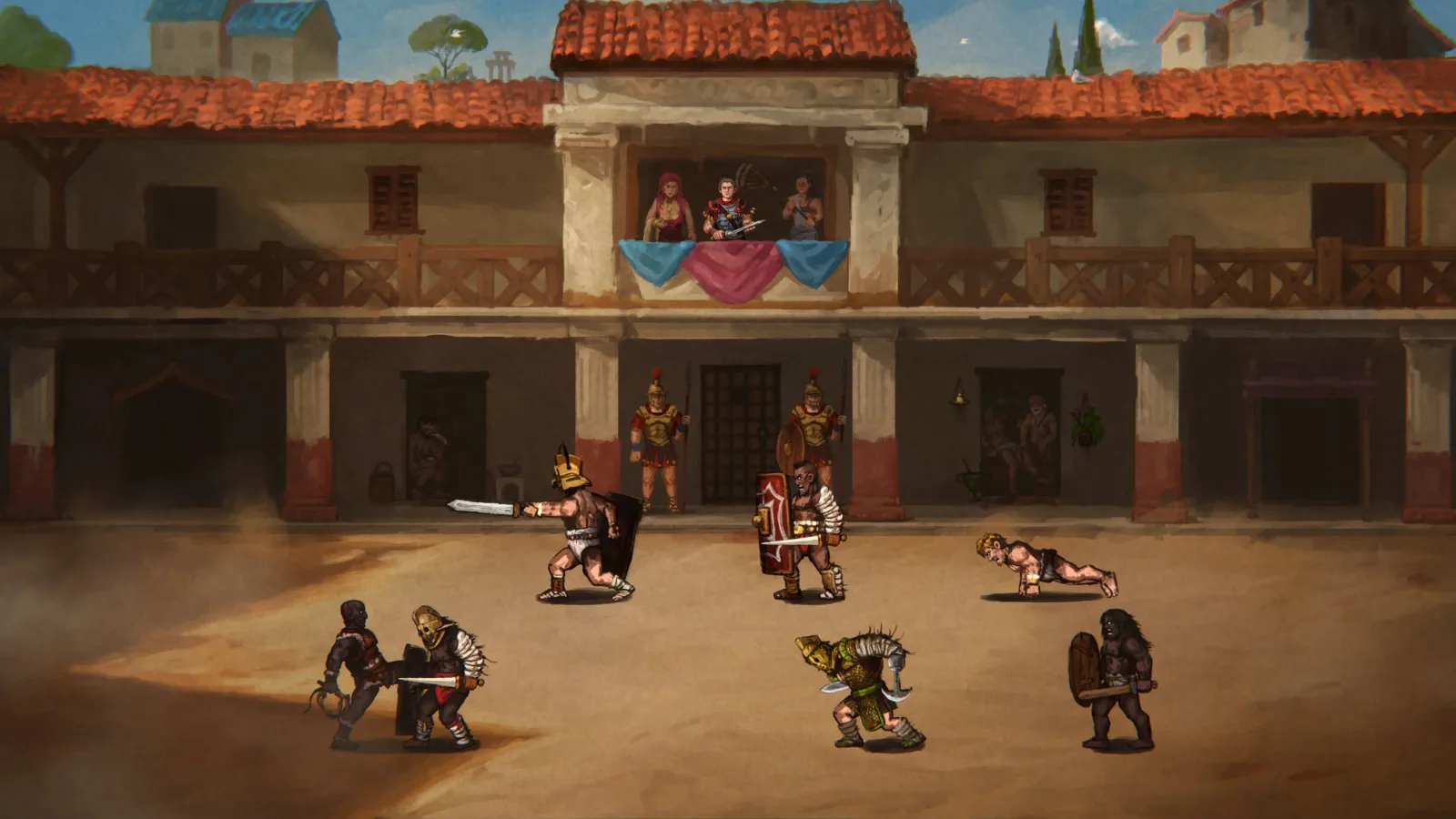
At the heart of Dominus Gladiatus is the management of a Roman gladiator school. Players begin with the task of establishing and expanding their Ludus, then recruiting fighters who may have hidden potential waiting to be uncovered. Finding talent is only the opening step. Recruits need training, support, and a plan tailored to what they can become before they are ready to meet opponents in the arena.
For useful background on this topic, read Darts VR2: Bullseye League Mode Arrives November 5 With Cross-Platform Prize Tournaments.
Expansion appears to be a major part of that loop. Players can develop facilities and hire staff, creating the infrastructure needed to support a growing stable of gladiators. This should make the school itself as important as the individual fighters competing under its banner. A successful Dominus will need to think beyond the next match and decide how to allocate resources across an entire season.
Management will also involve the less glamorous but essential realities of running a fighting operation. Morale, injuries, and fatigue all need attention. Those systems suggest that a powerful gladiator cannot simply be sent into battle indefinitely without cost. Maintaining a capable roster could mean weighing immediate tournament gains against the danger of exhausting or injuring the people needed for later rounds.
That wider school-management angle gives the game a clear distinction from a straightforward combat title. The player's responsibility begins before the gates open and continues after a match ends, as the Ludus evolves around its successes, setbacks, and changing needs.
For another perspective on this story, read Dominus Gladiatus Brings Gladiator-School Strategy to PC and Consoles on November 5.
Choose a Dominus, Create Your Rivals
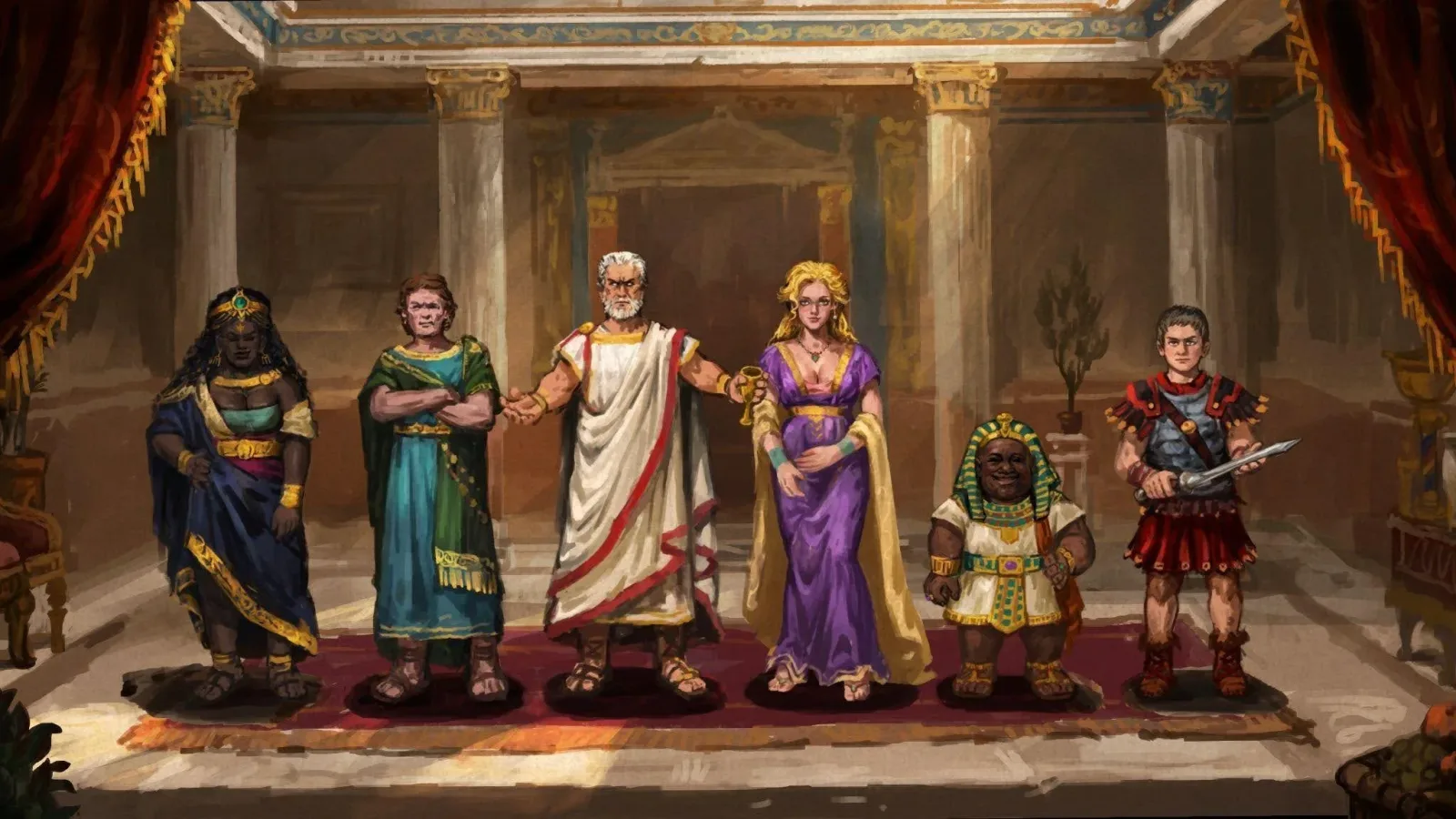
Dominus Gladiatus starts with the selection of a Dominus, and that choice directly shapes the campaign's opposition. The Domini who are not chosen do not disappear from the experience. Instead, they become rival school leaders, developing their own fighters and competing for the championship over the course of the season.
This approach gives the tournament structure a more personal strategic dimension. Rather than facing a static set of anonymous opponents, players are competing against other school leaders who are also pursuing progression and victory. Every rival represents another Ludus building its squad, preparing combatants, and trying to establish itself as the dominant force in the arena.
The campaign is framed as a season of gladiatorial tournaments, giving progression a competitive endpoint while leaving room for the player's own school to develop between events. Success will depend on more than a single strong fighter. A school must be ready for both duels and larger team battles, and its roster decisions may become increasingly important as the season advances.
Because rivals develop alongside the player, the choice of Dominus could also encourage different runs. Selecting another leader on a later campaign means encountering a different collection of opposing schools, even as the core task remains the same: build the best Ludus possible and emerge as champion.
Preparation Takes Priority in the Arena
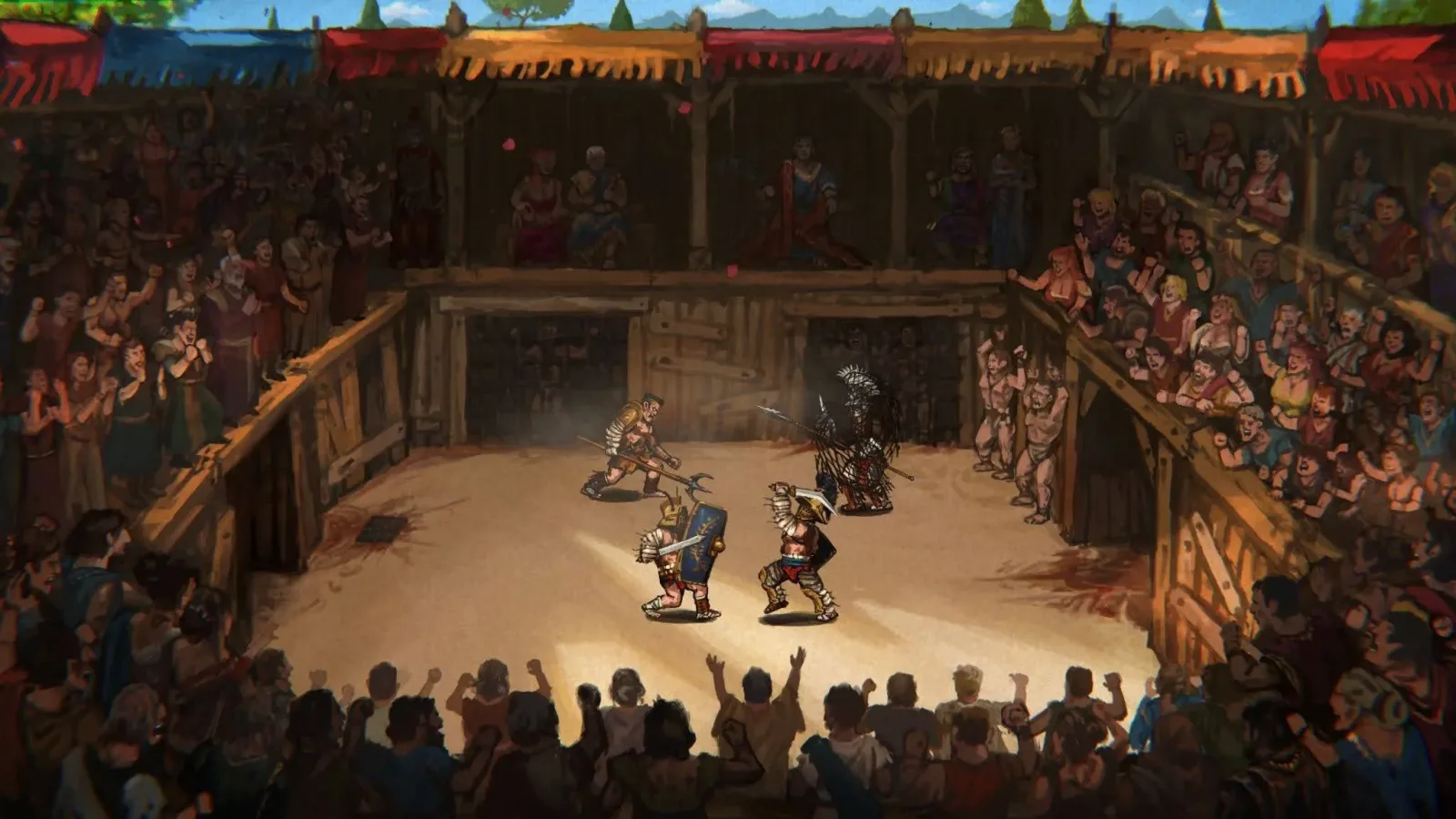
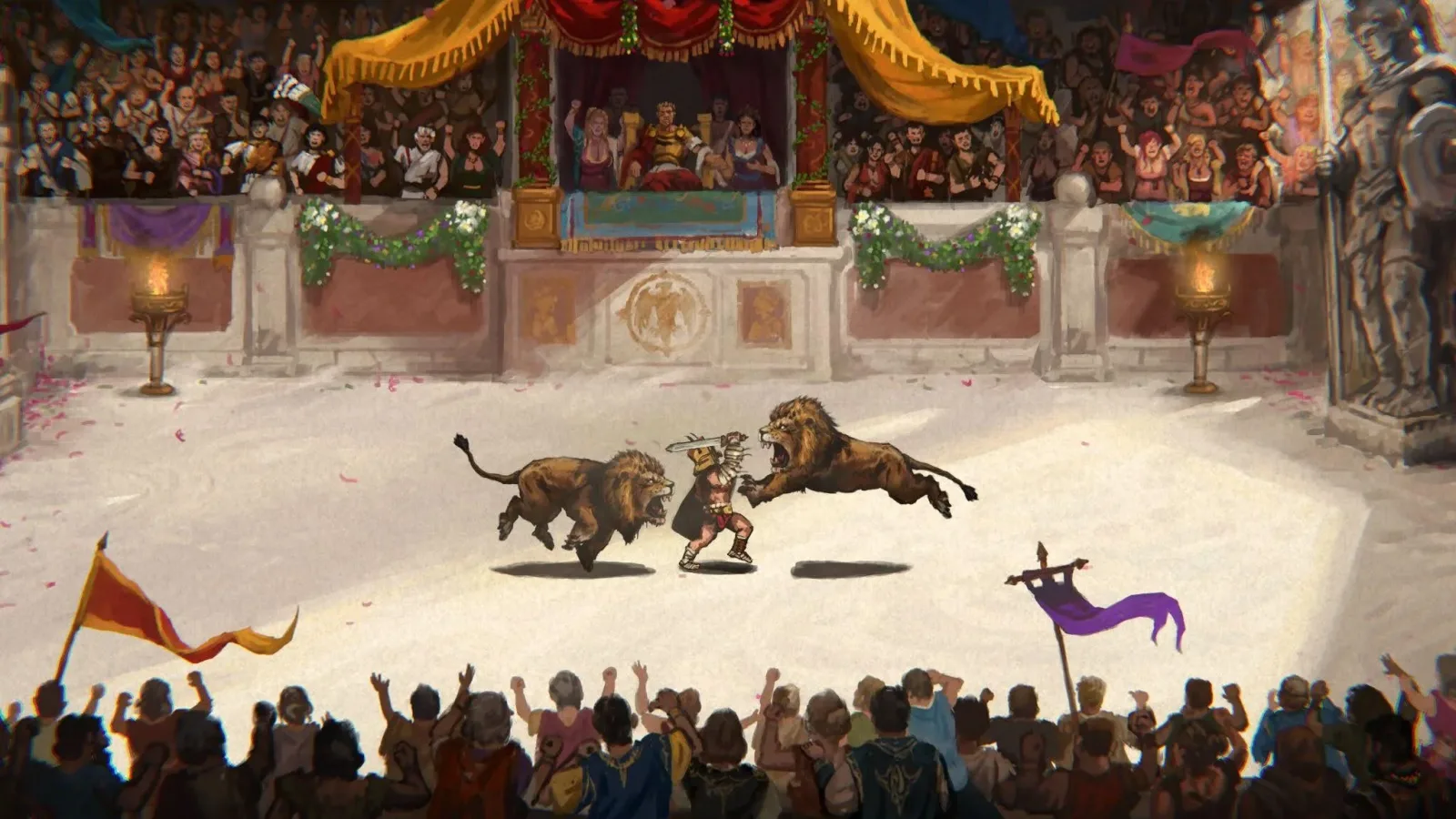
Combat in Dominus Gladiatus is described as tactical auto-battler action. Fighters battle automatically once the contest begins, placing the emphasis on the choices made beforehand. Players are expected to influence the outcome through gladiator development, weapon and armor selection, formations, strategic setup, and the skills taken into battle.
This means the arena is the test of a plan rather than the place where every sword swing is manually controlled. A Dominus must understand what each fighter is suited to do, decide how they fit into the wider team, and prepare them for the opponents ahead. Equipment and abilities should matter not only as numerical upgrades, but as parts of an overall strategy.
The game includes Roman weapons, armor, and fighting styles, giving players an arsenal to consider when shaping their gladiators. Whether a particular competitor is built for a particular role or a group is organized around a preferred formation, the goal is to make meaningful decisions before battle begins. Tactical choices may need to change from one event to another, especially when the roster is dealing with fatigue or injuries.
Both one-on-one duels and team-based matches are part of the package. That combination has the potential to make roster-building especially significant. A standout individual may excel in a duel, while a team fight could demand complementary fighters, sensible positioning, and a strategy that accounts for multiple threats at once.
The Crowd Is Part of the Contest
Dominus Gladiatus also gives spectators a role in the path to victory. Players can seek the crowd's favor, adding another consideration to the competitive arena structure. Gladiatorial combat is often associated with public spectacle, and this mechanic places that idea within the game's strategic framework.
Winning over the audience may encourage players to consider more than the basic question of whether a fight can be won. The favor of spectators is presented as something that can influence outcomes, alongside skills and equipment. As a result, arena success may involve managing the wider expectations around a battle as well as the direct matchup between gladiators.
It is a fitting feature for a game focused on the duties of a school leader. The Dominus is not only training fighters in private; they are also sending those fighters into a highly visible public competition. The crowd's response becomes another force to account for while pursuing tournament success.
A Strategy Game for Players Who Prefer Planning
The auto-battler format should appeal to players who enjoy watching a carefully constructed plan play out. Dominus Gladiatus asks players to make their important calls in the preparation phase: recruit the right people, identify talent, train it, manage recovery, select gear, choose abilities, and arrange a formation. The arena then reveals whether those choices were enough.
That structure can create a satisfying rhythm of analysis and adjustment. A defeat does not necessarily point to a lack of reflexes; it may expose a weakness in a fighter's equipment, a poor team composition, an ineffective strategy, or an overworked gladiator. The answer is likely to be found back at the Ludus, where a manager can rethink the roster and prepare for the next challenge.
Conversely, a winning school will need to avoid complacency. Rival Domini are also improving their fighters, and the demands of a full tournament season mean that sustained management should be just as valuable as an early victory. The championship will go to the school that can repeatedly turn planning into results.
Release Details and Demo Availability
Dominus Gladiatus launches on November 5, 2026, for PC via Steam, PlayStation 5, Xbox Series X|S, and Nintendo Switch. It will be priced at $19.99 USD. The game supports 16 languages, broadening access to its gladiator-school strategy campaign across its launch platforms.
For anyone who wants an early look at its mix of Ludus management and pre-battle tactics, a free demo is currently available on Steam. The demo gives PC players a chance to sample the foundations of the experience ahead of the full release.
With its focus on developing a school, safeguarding a roster, adapting to rival leaders, and preparing fighters for Roman arena competition, Dominus Gladiatus is positioning itself as a management-focused strategy game where the most decisive moments may happen well before the crowd sees the first clash of weapons.


Community
Discussion
Start the conversation.
No comments have been posted yet.