

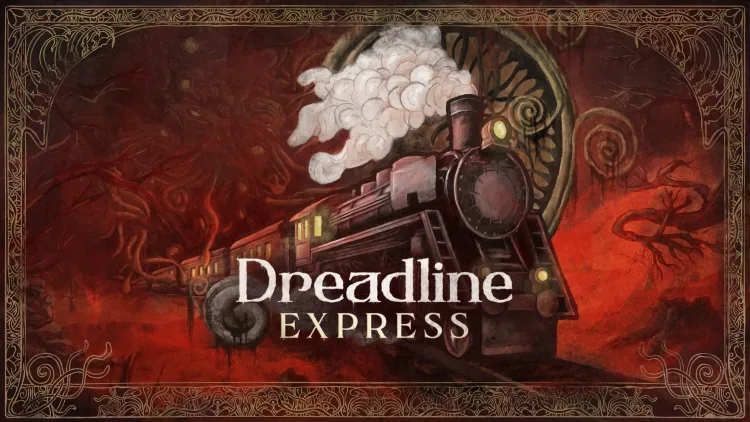
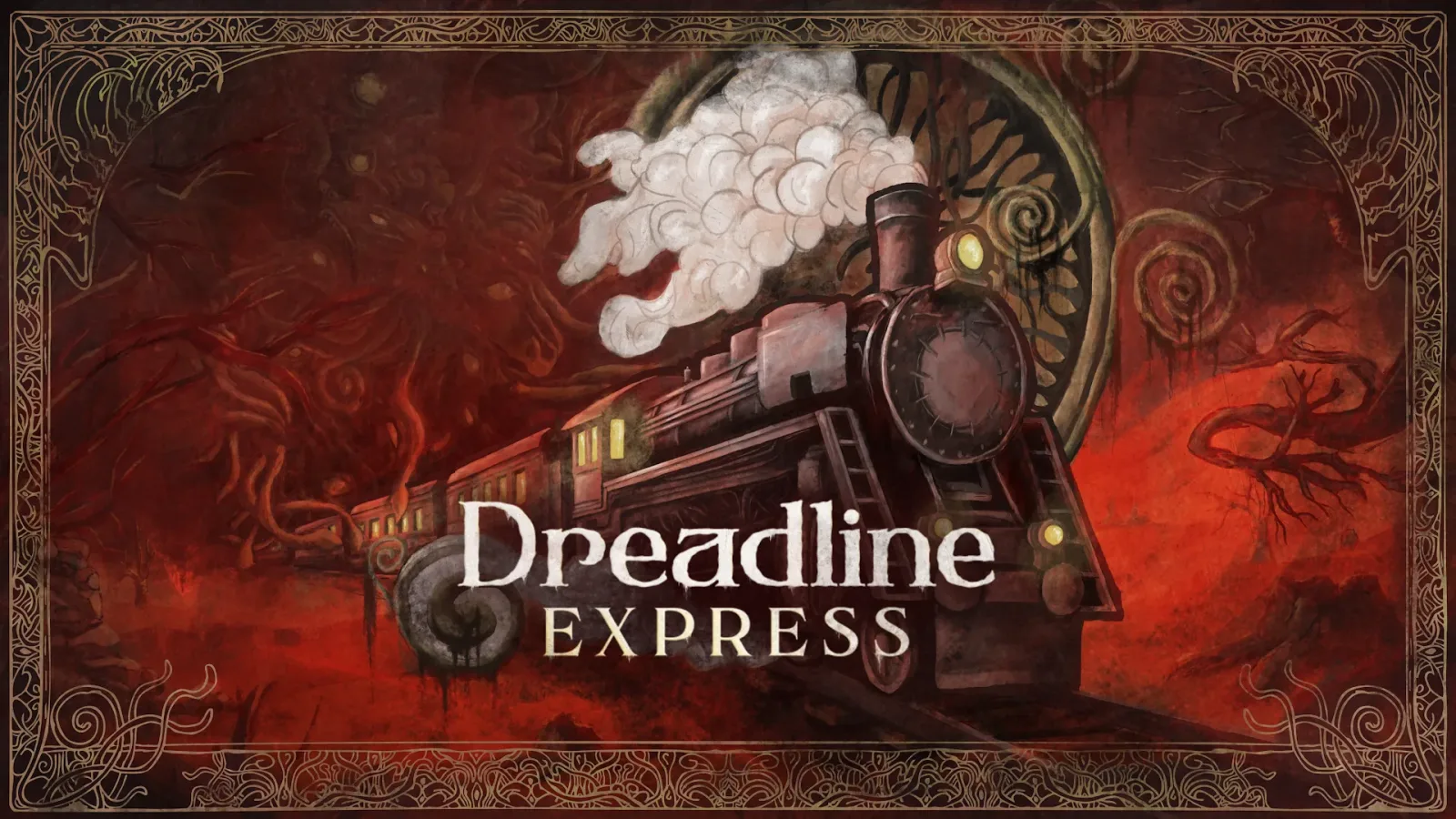
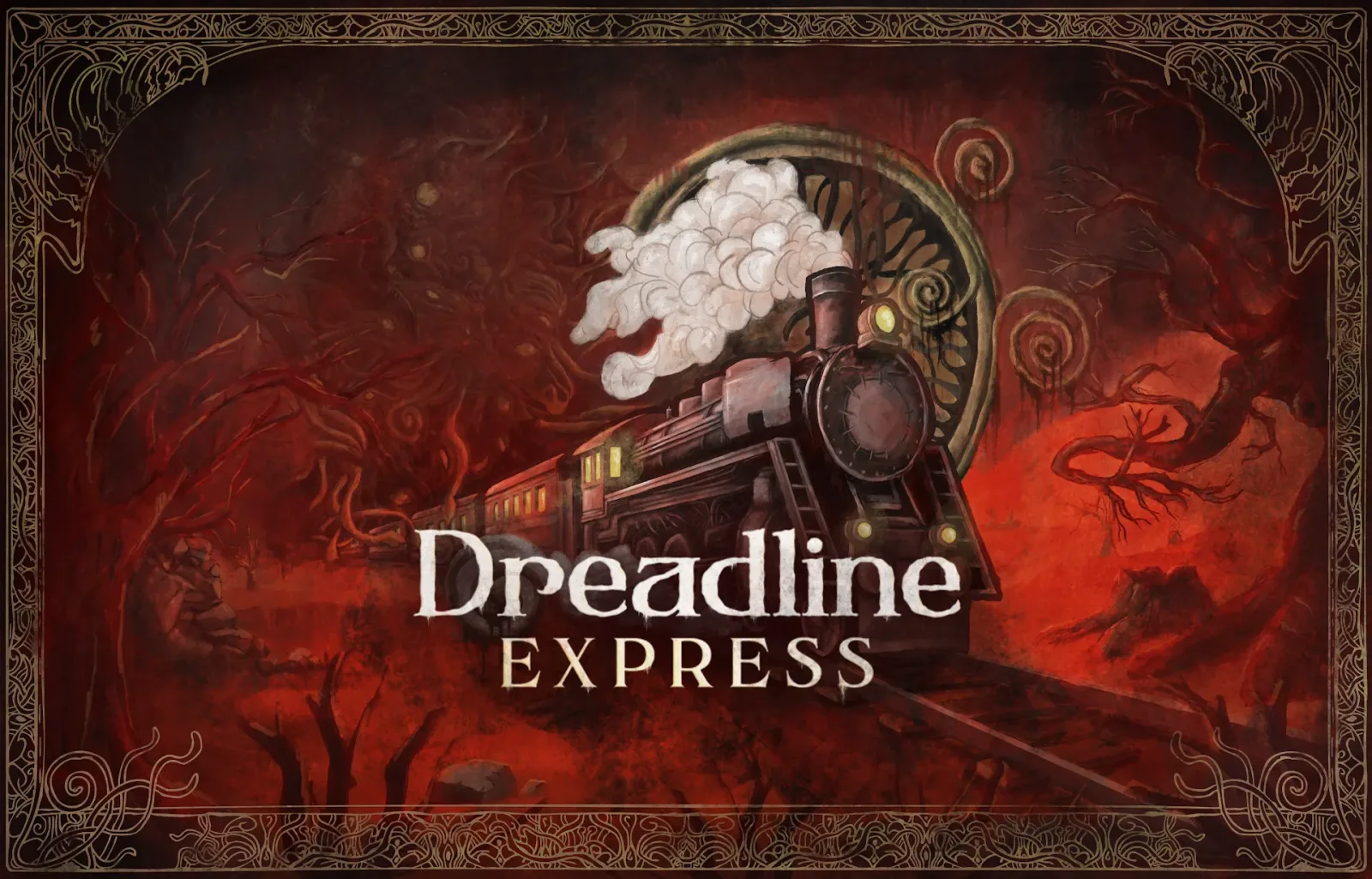
Dreadline Express, the first-person psychological horror game from publisher Shoreline Games and developer David Konecny, is scheduled to launch for PC through Steam on October 16, 2026. The date was announced during the 28 Games Later horror showcase, alongside a new release-date trailer.
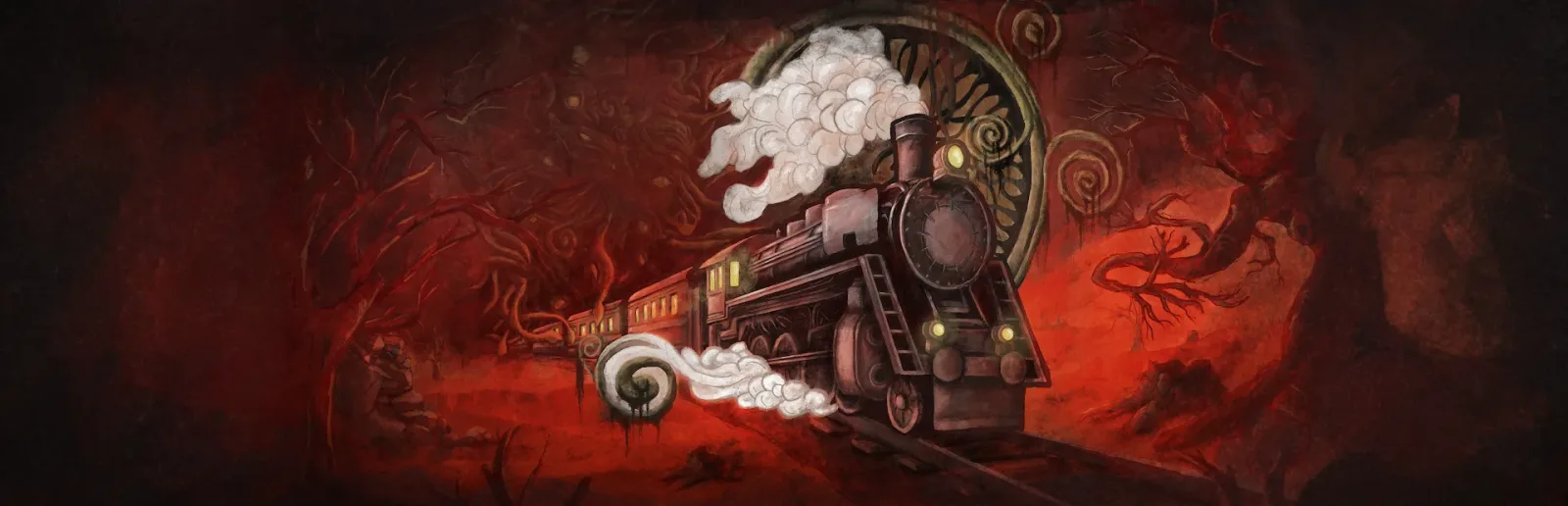
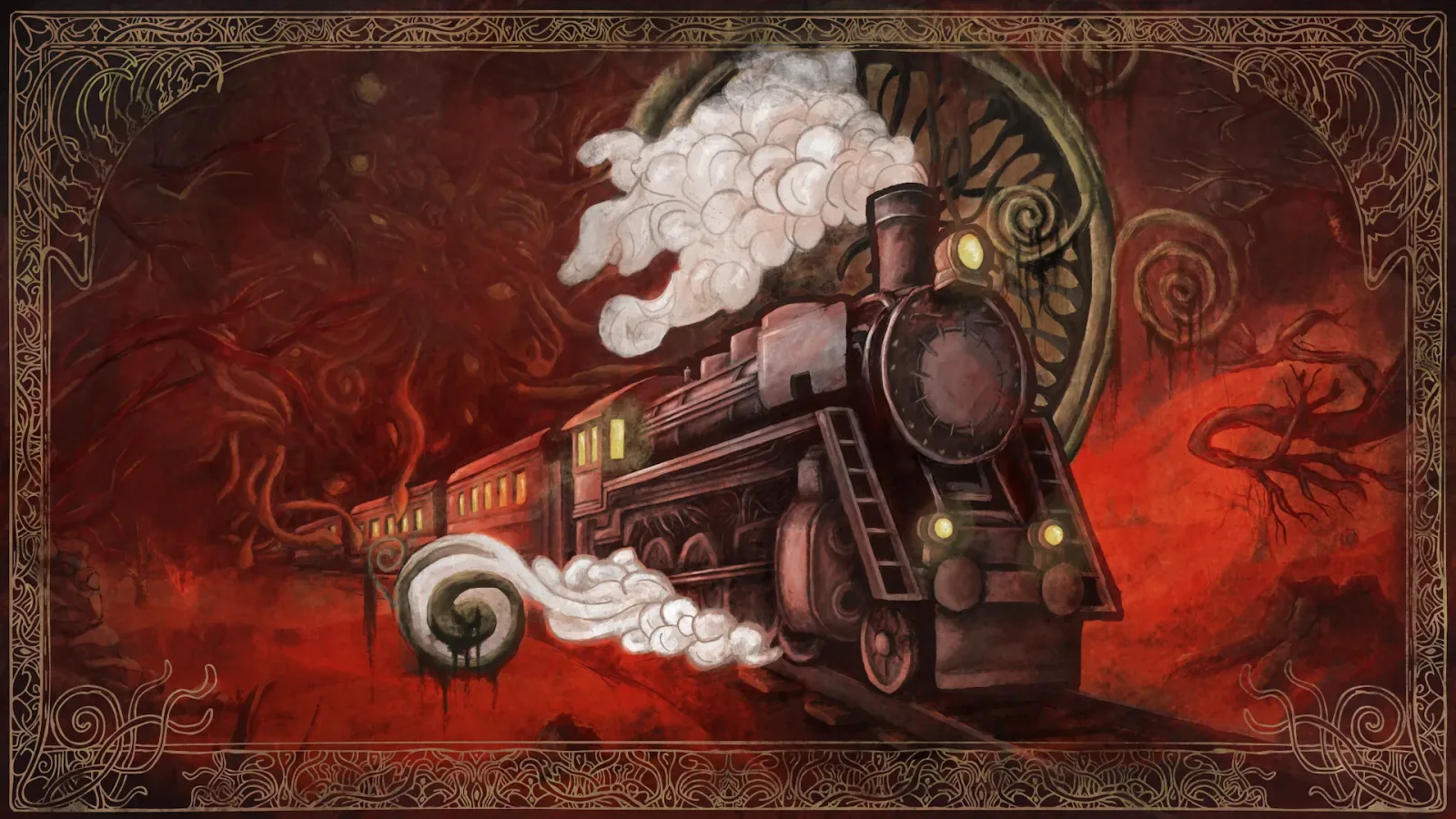
The game takes place on what is described as humanity's last train, a moving refuge crossing a scorched and ruined Earth. But Dreadline Express is not positioning its terror around simply surviving scripted scares or following a list of waypoints. Its central idea is curiosity: players will investigate the train's carriages, meet passengers with their own motives, and piece together an unsettling wider mystery through observation and deduction.
That setup makes the train more than a backdrop. Every carriage is intended to hold a possible lead, a danger, a person worth understanding, or a door that may be safer left unopened. With Lovecraftian themes informing its horror, the journey promises a world where answers can be valuable, but learning too much may carry its own consequences.
A horror journey built around exploration
Dreadline Express has been described as a "metroidbrainia," a label generally associated with games that apply the exploratory structure of a metroidvania to knowledge rather than physical upgrades. Progress is tied to what the player has learned: realizing why an object matters, identifying an overlooked connection, or understanding a character's agenda can reveal a route that was effectively unavailable before.
For useful background on this topic, read PUBG: Black Budget Canceled as Krafton Ends Extraction Shooter Development.
In practical terms, that means players should not expect a conventional objective-marker-driven experience. The game emphasizes navigating through its mysteries by paying attention to details in the environment and dialogue, then using that information to decide what to do next. A passage that appears blocked may not require a newly acquired tool so much as a new interpretation of the situation.
The train setting is well suited to that structure. Carriages naturally create a series of compact, interconnected spaces, while the people aboard can turn each location into a social puzzle as well as a physical one. Players will need to assess what passengers say, what they want, and which details may be withheld. Dreadline Express frames its cast as individuals with distinct stories and motivations rather than simple quest dispensers.
This also supports an atmosphere of uncertainty. In a psychological horror game, a locked room can be frightening because of what might be inside, but it can be equally unsettling when the player cannot be certain whether opening it will solve a problem or create a worse one. Dreadline Express appears interested in that tension between discovery and self-preservation.
For another perspective on this story, read Dreadline Express Brings Its Deduction-Driven Horror Train to Steam on October 16, 2026.
There is no single solution to every obstacle
A key part of the game's design is its support for multiple ways through obstacles. Players may be able to rely on force, take a more tactical route, or solve a problem through careful deduction. The stated goal is not to funnel everyone toward one mandatory answer.
That approach could make moment-to-moment decisions feel more personal. A player who has gathered useful information may avoid a direct confrontation, while another may choose a more forceful response. Tactics can offer a middle ground when neither brute strength nor a complete understanding of the puzzle feels practical. The important distinction is that progress is not presented as a fixed sequence of prescribed steps.
Multiple approaches are especially meaningful in a horror context. Choosing how to deal with a threat becomes part of the suspense, because players are not merely asking whether they can proceed; they are deciding what kind of risk they are willing to accept. A cautious player may spend longer studying the train and its inhabitants, whereas someone who acts quickly could uncover different outcomes or complications.
The game's premise also leaves room for the relationships between passengers to matter as much as the architecture of the train. Understanding who can be trusted, who is concealing information, and what each person stands to gain may influence how a player handles a situation. The result is a mystery designed to reward awareness of both place and people.
An evolving album of discoveries
At the center of Dreadline Express is a card-based narrative system. Discoveries, encounters, and achievements are turned into cards that are added to an evolving album. Rather than treating findings as isolated bits of flavor, the system is meant to give players a way to consider connections between what they have seen and done.
The album functions as more than a record of progress. As players build it out, its cards can help reveal relationships, shape plans, and expose possibilities that were previously hard to see. In a game based on deduction, this gives the investigation a tangible structure: information is collected, revisited, and connected as the player's understanding grows.
It is an idea that fits the metroidbrainia concept neatly. Traditional exploration games often use an inventory of keys, weapons, or abilities to chart what has become possible. Dreadline Express instead places narrative discoveries at the heart of that progression. Knowledge itself is the resource that changes the player's options.
That does not mean every answer will necessarily be straightforward. Horror mysteries draw power from ambiguity, and the game's Lovecraftian undertones suggest that some revelations may deepen the unease rather than provide clean reassurance. Players may gain access to a new path only after accepting a disturbing truth about the train, its passengers, or the damaged world beyond its windows.
"Dreadline Express is about giving players the freedom to be curious," David Konecny said. "I wanted to make a horror game where making it through comes from paying attention, making connections, and understanding the people and places around you, rather than simply following a trail of objectives."
Why the setting matters
The image of the last human train moving through a burned-out Earth immediately establishes a sense of confinement. The train is in motion, but its passengers are still trapped within its limited carriages, unable to simply step away from the people, secrets, and threats surrounding them. That contradiction can be a powerful fit for psychological horror: there is forward movement, yet perhaps no obvious escape.
At the same time, a train provides an inherently readable space for exploration. Players can form a mental map of the cars they have visited, remember a suspicious locked door, and return after gaining context from another part of the journey. When the game asks players to make deductions instead of checking off instructions, that sense of spatial familiarity can become crucial.
The scorched Earth outside also raises larger questions about the setting without spelling them out. Why is this train the final refuge for humanity? What happened to the world? Who controls life aboard the train, and what has been sacrificed to keep it moving? These are the kinds of questions Dreadline Express appears to invite players to investigate rather than answer in advance.
Its horror is therefore likely to work on several levels. There is the immediate apprehension of moving through ominous spaces and confronting unknown dangers. There is social paranoia among a group of passengers whose motives may not align. And there is cosmic unease in the suggestion that the world's ruin could be connected to forces beyond ordinary human understanding.
Demo available ahead of launch
Players interested in testing the game's investigation-focused approach can currently access a limited-period demo. The demo offers an opportunity to get a sense of its first-person exploration, psychological-horror tone, and deduction-led structure before the full release arrives.
With its October date now confirmed, Dreadline Express joins the 2026 horror calendar as a project aiming to make thoughtfulness as important as survival. Its defining promise is not merely a grim train ride across an apocalyptic landscape, but a journey where observation, memory, and the willingness to connect scattered clues determine what players can uncover.
Dreadline Express launches on Steam for PC on October 16, 2026.
Community
Discussion
Start the conversation.
No comments have been posted yet.