

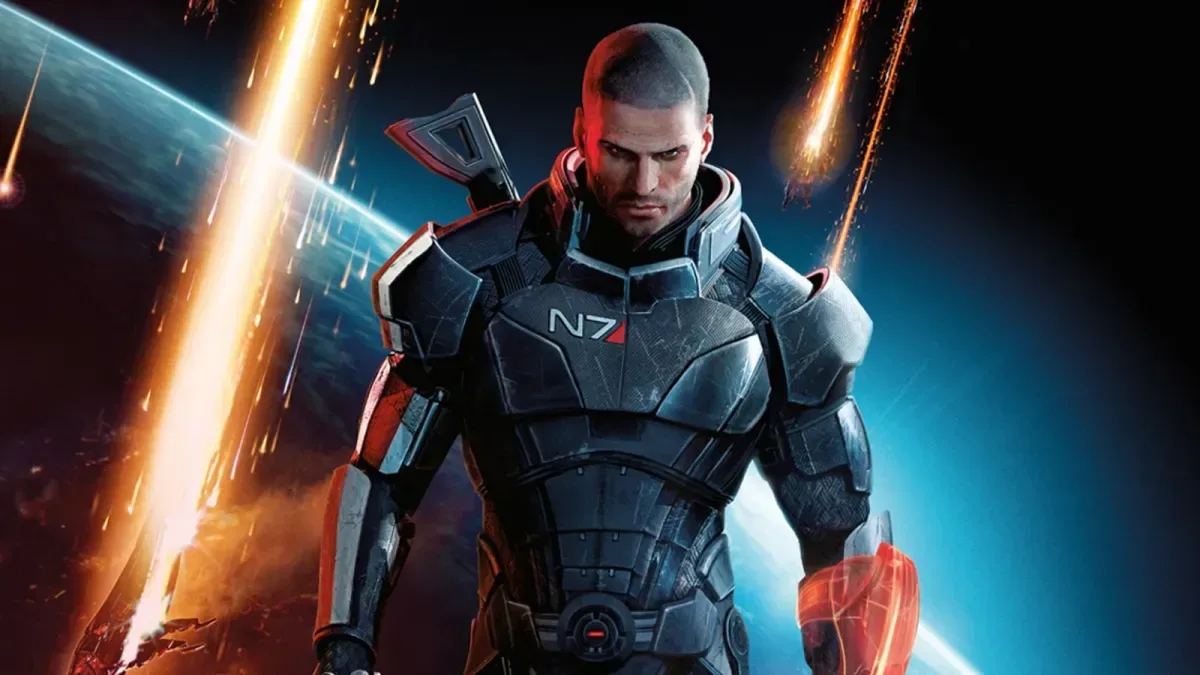
Electronic Arts is preparing to close BioWare, the storied role-playing game developer behind Baldur's Gate, Star Wars: Knights of the Old Republic, Dragon Age, and Mass Effect. The decision comes as part of a wider round of layoffs expected to remove roughly 400 jobs across EA, including approximately 50 positions at BioWare.
The closure also means EA will not continue work on the next Mass Effect, which had been in early development with a small team at BioWare. The Edmonton workspace is set to close alongside the studio, ending the run of one of the most consequential Western RPG developers in the medium's history.
EA chief operating officer David Tinson and chief studios officer Cam Weber informed employees of the changes in a letter that described a review of the company's business and a decision to reduce projects while concentrating resources on larger opportunities. The company characterized the closure as a difficult call, acknowledging BioWare's long-standing role in defining the RPG genre.
A major cut in a new EA restructuring
Reporting from Bloomberg's Jason Schreier indicated that the planned cuts represent about 3% of EA's total workforce. While the company's broader operations will continue, the restructuring appears to be shifting investment away from several projects and teams in favor of franchises and categories EA considers central to its future.
For useful background on this topic, read BioWare Closure Rekindles Scrutiny of EA's Long History of Studio Shutdowns.
EA's sports business remains a key part of that strategy, as do its shooter franchises and Star Wars games. Work is expected to continue on Apex Legends, the next Star Wars Jedi title, and the publisher's in-development Iron Man game. EA is also planning further Battlefield projects, including a collaboration involving Respawn and DICE.
Other areas are being affected by the new direction. A planned The Sims game is reportedly being paused in favor of another initiative. Development on Skate is expected to continue, though its team will be reduced in size. The decisions collectively point to an organization placing even greater emphasis on its biggest recurring brands and selected action-oriented projects.
For BioWare, however, there is no comparable path forward under EA. The studio's closure ends years of uncertainty about what would follow 2024's Dragon Age: The Veilguard, which will now stand as BioWare's final released game.
The next Mass Effect will not move forward
The immediate creative consequence of the closure is the cancellation of the next Mass Effect. BioWare had publicly signaled that another entry in the science-fiction series was in development, but EA's internal message made clear that the project was still at an early stage and had been handled by a comparatively small group.
No release date, finalized title, or full platform lineup for the new game had been announced. Its cancellation therefore closes a chapter before it could become a fully defined product for players. Still, the news will be especially painful for fans who had spent years waiting to see where the series might go after the original trilogy and 2017's Mass Effect: Andromeda.
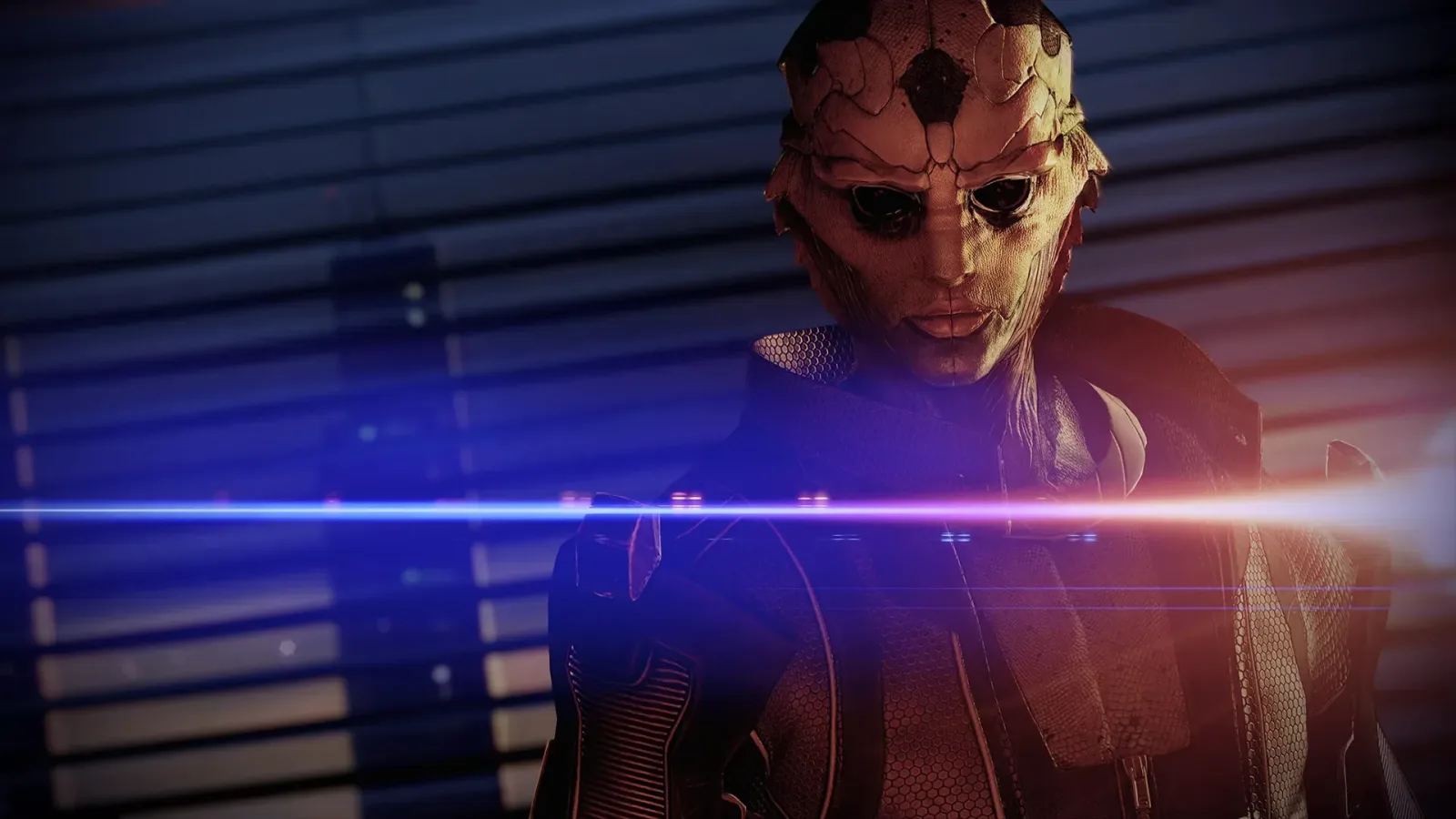
Mass Effect became one of the defining RPG series of the Xbox 360 and PlayStation 3 era, later reaching PC and subsequent console generations through remasters and re-releases. Its blend of squad-based action, branching conversations, player relationships, and galaxy-spanning decisions helped establish a model that countless games would study, adopt, or react against.
That legacy made a new installment feel significant even before substantial details had emerged. With BioWare closing, the future of the franchise itself is now uncertain. EA's announcement addressed the end of the project in development, but did not establish whether another internal studio could someday revisit Mass Effect.
BioWare's enormous role-playing legacy
BioWare's importance cannot be reduced to any one franchise. Across decades, the studio helped make character-driven role-playing games a mainstream force on PC and console platforms. It built worlds that invited players to form attachments not just to plots and combat systems, but to companions, rivalries, romances, moral choices, and the consequences that followed them.
Its early work included landmark Dungeons & Dragons-based games such as Baldur's Gate and Neverwinter Nights. Those releases demonstrated BioWare's ability to translate tabletop-inspired systems into expansive digital adventures while making room for player agency. The studio later expanded its reach dramatically with Star Wars: Knights of the Old Republic, a game whose companion stories and choice-driven structure remain deeply influential.
Then came Mass Effect and Dragon Age, two franchises that cemented the BioWare identity for a generation. The former carried players through a cinematic space opera shaped by dialogue choices and relationships across multiple games. The latter delivered a darker fantasy setting defined by political conflict, distinct cultures, party dynamics, and choices that could alter the fate of nations.
BioWare's own farewell statement reflected on that history, naming Baldur's Gate, Neverwinter Nights, Knights of the Old Republic, Dragon Age, Mass Effect, and Anthem. The message focused on the people affected by the transition while thanking players who debated decisions, connected with characters, and made the studio's fictional worlds personal over the years.
"What generations of BioWare built together is something to celebrate and remember," the studio said in its public message, adding that the games became more meaningful through the players who inhabited their worlds.
Creative highs alongside difficult years
The closure arrives after a long period in which BioWare's creative reputation and development challenges existed side by side. The studio's earlier achievements gave it extraordinary goodwill, but later releases faced harsher reactions and scrutiny.
Mass Effect: Andromeda disappointed many players after the towering expectations created by the original trilogy. Anthem, BioWare's attempt at a connected action game, struggled to meet its potential and became a major disappointment for both the studio and EA. Those projects complicated the public perception of a developer once seen as nearly unmatched in its particular corner of RPG design.
Dragon Age: The Veilguard was received more positively by critics than those two games, but its road to release had been difficult. The game was shaped by a lengthy and turbulent development process, and BioWare had repeatedly been associated with reports of internal strain during the creation of its massive projects.
For years, the phrase "BioWare magic" became shorthand for the hope that a troubled game could come together late in production. It was often used to describe a pattern in which teams pushed through considerable pressure near the end of development to produce the experiences players expected. Over time, that idea drew criticism as an unsustainable way to make games, particularly when it obscured the human cost of crunch, shifting direction, and organizational instability.
Those difficulties should not erase the work done by the people at BioWare, nor the effect their games had on audiences and other developers. Even as newer studios carried forward companion-focused storytelling and choice-based design, BioWare's influence remained visible in the genre's vocabulary and ambitions.
An uncertain moment following EA's private acquisition
The restructuring follows EA's acquisition earlier this year by investor groups including Silver Lake, Affinity Partners, and Saudi Arabia's Public Investment Fund. The deal took EA private.
At the time of that acquisition, EA chairman and CEO Andrew Wilson said the company was entering its next phase from a position of strength and described an intention to invest boldly, accelerate innovation, and create the next generation of games and experiences for a vast global audience. The closure of BioWare and the cancellation of Mass Effect now show the severe human and creative consequences of the company's changing priorities.
For the employees losing roles, the immediate concern is finding stability and new opportunities in an industry where layoffs have become persistently common. The video game business has seen repeated cuts at studios large and small, including teams with acclaimed catalogs and experienced developers. BioWare's closure is particularly striking because of how firmly its name is tied to the evolution of modern RPGs.
EA's franchises will continue, and many of the company's other studios remain at work. But BioWare's end leaves a clear absence. Its games taught players to linger over a conversation, worry about a companion's judgment, reconsider a choice, and carry memories of fictional places long after the credits rolled. The studio's name will remain inseparable from those experiences, even as the team itself closes its doors.

Community
Discussion
Start the conversation.
No comments have been posted yet.