

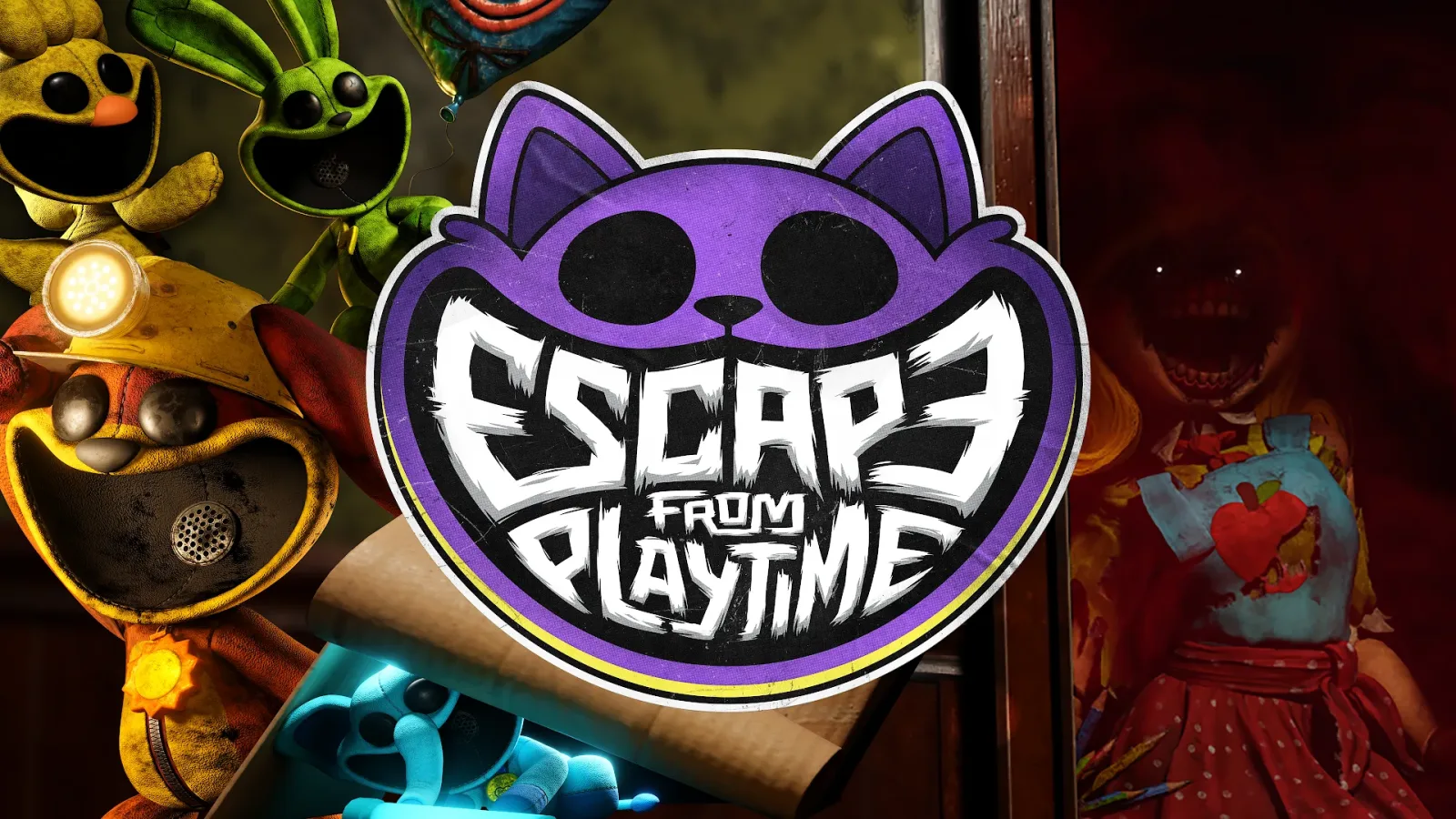
Escape From Playtime, a cooperative survival-horror game set in the wider Poppy Playtime universe, has opened a limited public beta on PC. The test is available now and is scheduled to conclude on October 4 at 6:00 p.m. PDT, giving players a short window to enter the Playtime Co. factory before the game's planned Steam Early Access debut on October 21, 2026.
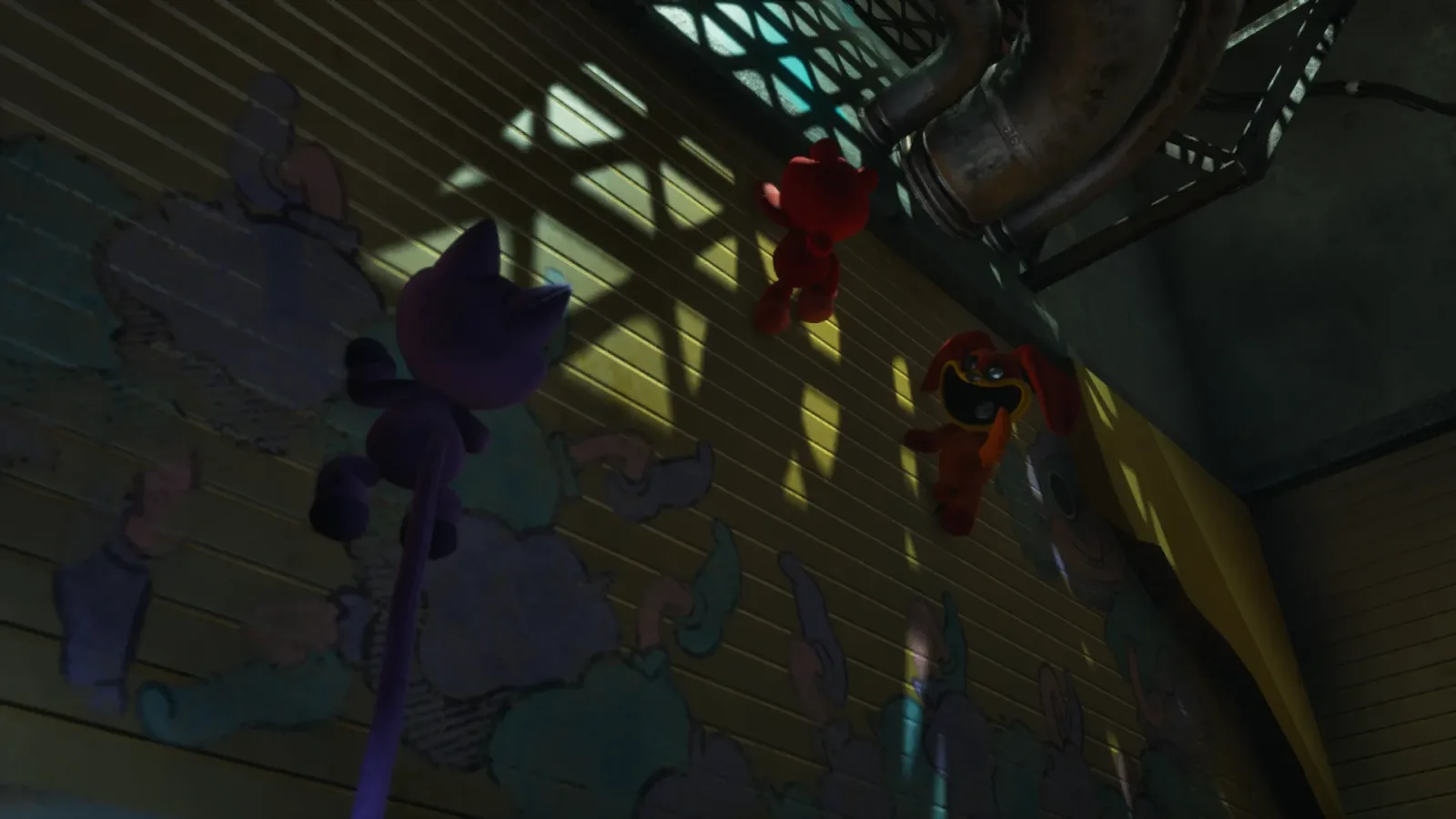
Rather than placing players in the shoes of a human investigator, Escape From Playtime shifts the perspective to the Smiling Critters. These cheerful-looking but unsettling plush characters were introduced in Poppy Playtime: Chapter 3, and the new game frames the familiar factory through their much smaller point of view. That premise informs both the survival mechanics and the game's sense of scale, as teams move through industrial spaces that were not designed with the critters' safety in mind.
The beta arrives with a newly released teaser trailer and follows the game's reveal during the 28 Games Later showcase. Players interested in participating can access the test through FirstLook.gg. The announcement does not specify what content is included in the beta or whether progress will carry forward to the Early Access version, so participants should treat the current build as a limited opportunity to try the core concept rather than a full launch.
A Factory Escape Built Around Cooperative Survival
At its heart, Escape From Playtime combines co-op survival with extraction-style objectives. Players are assigned to gather and haul materials through the factory for a mysterious entity known only as the Voice. Completing that work means venturing into dangerous parts of the facility, collecting supplies and getting resources where they need to go while trying to avoid the failed or rejected creations left behind by Playtime Co.
For useful background on this topic, read Modder Builds a DIY Retro Console That Boots Games From CDs.
The central assignment may sound straightforward, but the journey to finish it is intended to be unpredictable. Runs take place in dynamically changing sections of the factory, meaning teams cannot simply memorize a single route and execute it the same way every time. Players will need to react to shifting conditions, make decisions about where to search, and determine whether the group is safer moving together or dividing responsibilities.
That structure gives the game several overlapping priorities. Resources must be found and transported, but players are also expected to solve puzzles, navigate physical obstacles, hide from threats and use limited tools scavenged from the environment. Light combat is part of the package as well, though the announced design places significant emphasis on stealth, routing and teamwork instead of presenting the experience as a straightforward action game.
What Players Can Do During a Run
- Search the factory for resources, useful tools and materials.
- Carry and deliver collected resources to meet the Voice's demands.
- Solve environmental puzzles while progressing through changing factory areas.
- Use acrobatic movement, hiding places and alternate paths to stay alive.
- Face dangerous rejected Playtime Co. creations through stealth and light combat.
- Play alone or form a group of up to four players.
The mixture of jobs is important because it creates room for different approaches. A coordinated squad may designate one player to scout ahead, another to gather supplies and others to handle transport or puzzle-solving. A less organized group could still succeed, but may expose itself to more danger when players wander off with needed equipment or leave teammates carrying valuable materials without support.
For another perspective on this story, read Escape From Playtime Beta Runs Until Oct. 4 Ahead of 2026 Early Access.
Trust Is Part of the Horror
Although Escape From Playtime supports cooperative play for up to four people, it does not insist that cooperation will always be friendly. The game allows players to work together, separate from the team or betray one another. That wrinkle gives its survival structure a more suspicious edge: the people helping carry a run could also become an added source of risk.
This does not necessarily mean every session will turn into a free-for-all. The factory's monsters and hazardous spaces already provide a shared reason to cooperate, especially when a team is trying to move resources and solve objectives efficiently. Still, the option to act selfishly or undermine others ensures that players will have to make choices about trust. A player who discovers a safer route may share it with the group, keep it private, or use the information to secure an advantage.
The game also includes proximity voice chat, a feature that can make communication feel more immediate and more dangerous. Conversations are not merely a convenient menu function when they can carry risk within the game world. Speaking up may help a scattered group reconnect, warn a teammate about danger or coordinate a puzzle. It may also reveal a player's location at an inconvenient moment. That tension fits the setting particularly well, turning ordinary multiplayer chatter into another survival consideration.
For solo players, the same core systems will be available without the benefits or complications of a group. Going alone removes the uncertainty of betrayal and eliminates the need to coordinate, but it also means there is nobody nearby to divide up tasks, discover alternate routes or help when a situation goes wrong. The solo option should make the game accessible to players who prefer a self-contained horror experience, while the four-player mode is positioned as the more socially unpredictable version of the premise.
Smiling Critters Take Center Stage
The Smiling Critters are a fitting focus for a game built around uneasy contrasts. Their plush, grinning designs are closely associated with the stylized toy-horror identity of Poppy Playtime, but the new game uses them as playable characters in an environment full of larger threats. Exploring from a critter's-eye view should make familiar factory spaces feel different, placing extra attention on traversal, concealment and the sheer size of the machinery and corridors around them.
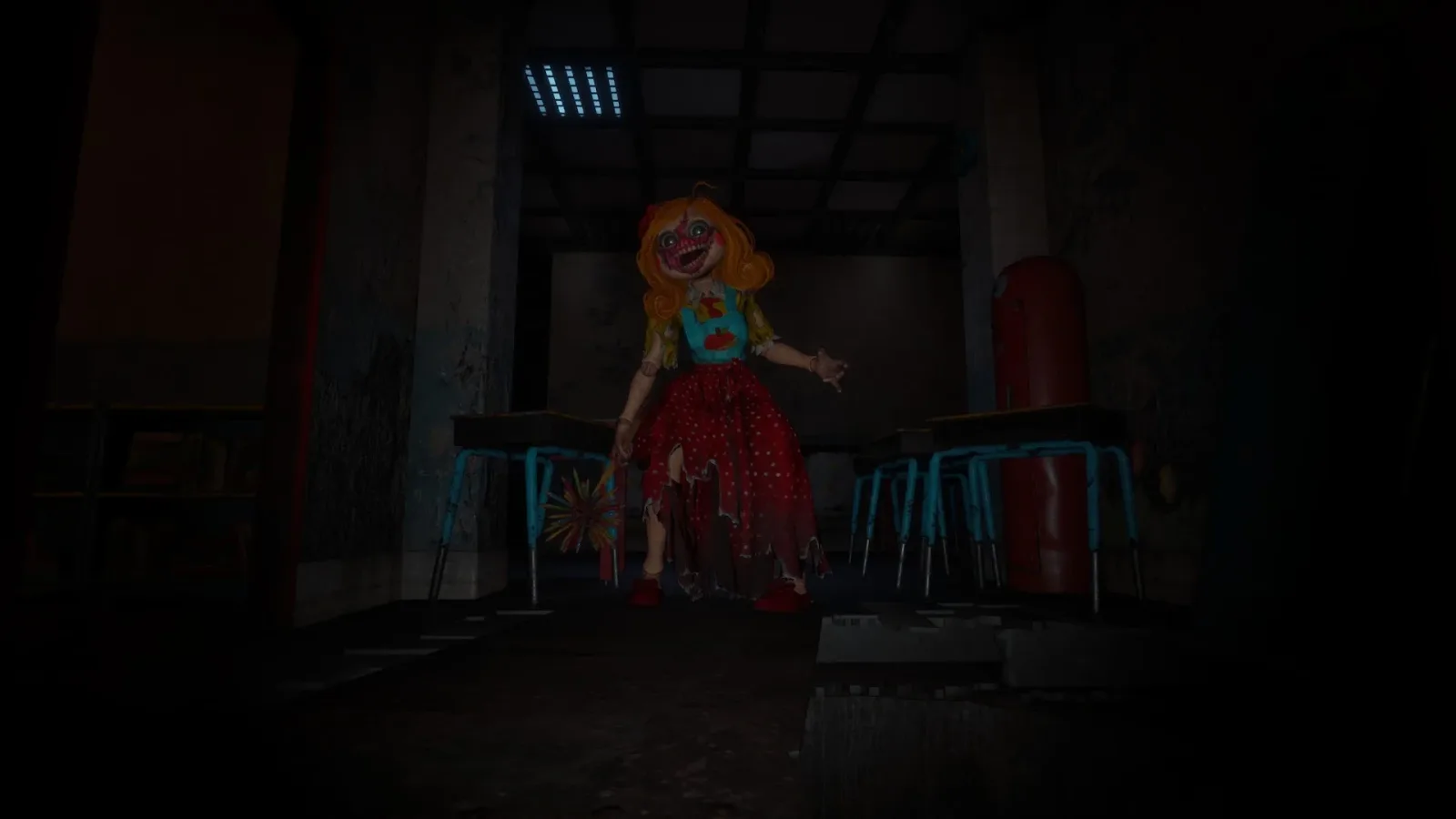
The announcement describes the enemies as rejected Playtime Co. creations, reinforcing the idea that the factory contains far more than its polished toy-brand image suggests. The danger is not limited to a single pursuer or a static haunted-house setup. Teams must complete their work while avoiding whatever the company discarded, abandoned or failed to contain within the facility.
That setting also leaves room for the game to expand its narrative ties to the broader series. New lore is planned to unlock as Escape From Playtime receives updates. The exact form that storytelling will take has not been detailed, but the plan positions the Early Access period as more than a technical rollout. Players can expect the game's connection to the larger Poppy Playtime storyline to develop over time.
Beta Timing and the Road to Early Access
The open beta is notably brief. It runs through October 4 at 6:00 p.m. PDT, so players who want an early look will need to act before that deadline. Limited tests can be useful for a game like this because its most important systems depend on real player behavior: how four-person teams communicate, whether dynamic routes create meaningful variety, how often players choose to split up, and whether the risk attached to proximity voice chat produces memorable moments without becoming a frustration.
With Steam Early Access set for October 21, 2026, the beta also provides an opportunity for the developers to observe those early sessions before the next major step. The announced date establishes a clear path from the test toward a wider PC release in development, but it does not yet include a full-release date beyond Early Access, additional storefronts, console versions or pricing information.
For now, the confirmed platform is Steam through Early Access. Anyone expecting the game to arrive simultaneously on PlayStation, Xbox, Nintendo hardware, mobile devices or other PC stores should keep expectations in check until further plans are announced.
A Different Kind of Poppy Playtime Multiplayer
Escape From Playtime is shaping up to use the series' recognizable toy-factory horror in a more replayable multiplayer format. Its runs are built around workmanlike objectives such as scavenging and hauling, but those tasks are surrounded by hidden paths, puzzles, threats, changing environments and the possibility that the group itself may not be entirely dependable.
That combination could make every successful escape feel less like a scripted chapter and more like a story created by the players involved. One group may carefully communicate and extract its materials with minimal trouble. Another may be forced into hiding after a teammate's voice gives away the team's position. A third may find that the biggest obstacle was not a rejected creation at all, but a supposedly helpful critter making off with crucial supplies.
The beta will offer the first public chance to see how those ideas fit together in practice. Players have until October 4 at 6:00 p.m. PDT to take part, while the broader Steam Early Access launch is currently scheduled for October 21, 2026.
Community
Discussion
Start the conversation.
No comments have been posted yet.