

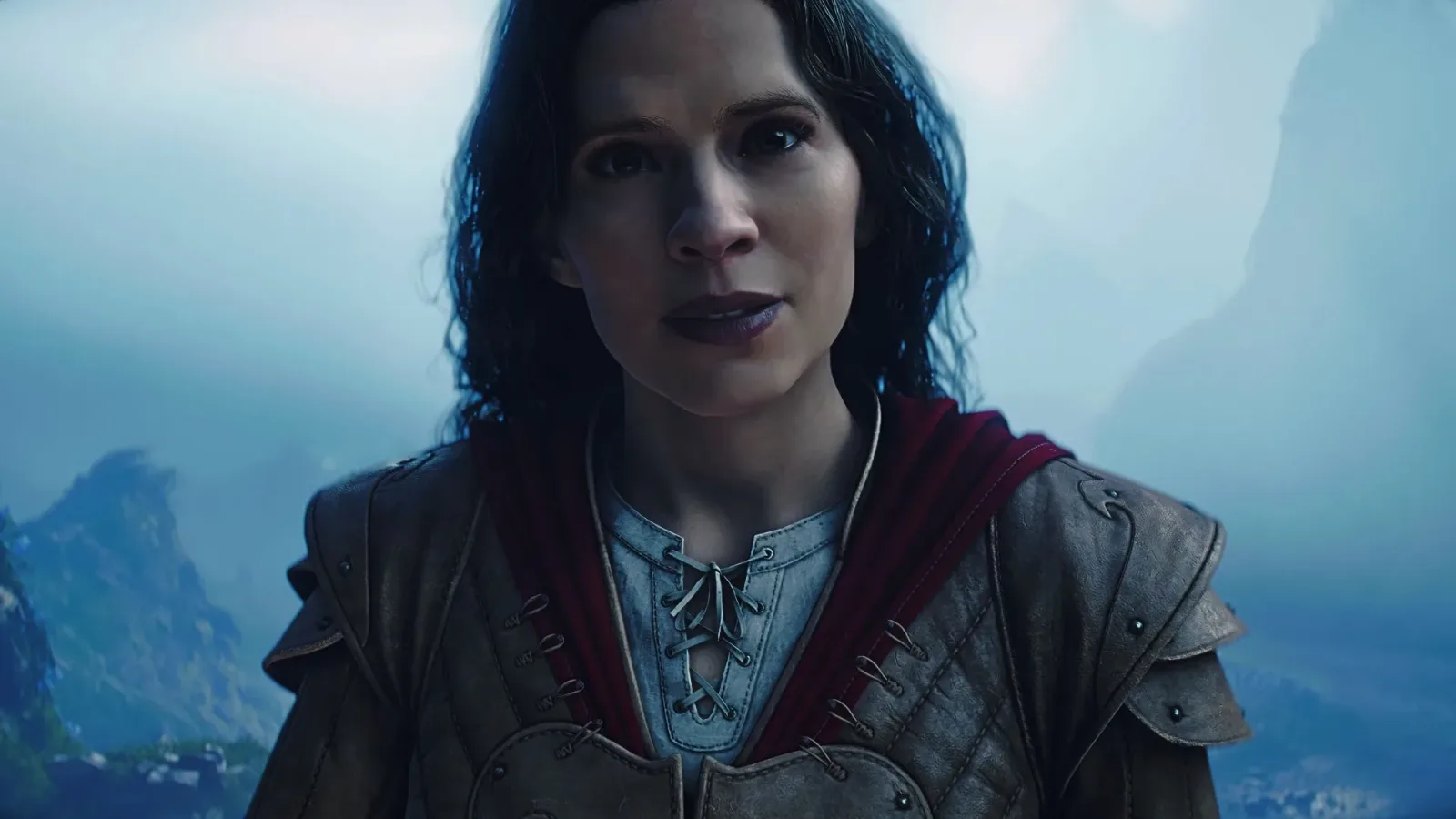
Fable 4 is aiming for an enormous vocal performance footprint. Playground Games general manager and co-founder Ralph Fulton has said the next entry in the fantasy RPG series includes more than 150,000 recorded lines of dialogue, performed by over 100 voice actors from across the United Kingdom. The production is also intended to represent a far wider range of regional British accents than the familiar voice styles often heard in fantasy games.
That figure places Fable 4 among the most dialogue-heavy RPG productions discussed in recent years. For context, The Elder Scrolls V: Skyrim is often cited as having roughly 60,000 lines of voiced dialogue, while Mass Effect is put at around 40,000. Fallout 4, another famously expansive voiced RPG, is closer to 111,000 lines. Fable 4's reported total would therefore exceed the combined comparison figures for Skyrim and Mass Effect.
Raw dialogue totals do not automatically reveal how a game will be structured, how many branches players can access in one playthrough, or how much of that writing belongs to major quests rather than incidental reactions. Still, 150,000 lines is an unmistakably substantial commitment to characters, conversations, world detail, and possible reactivity. It also suggests Playground is treating the return to Albion as a production on a notably larger scale than prior Fable games.
A mammoth recording effort
Fulton described the voice work as a "mammoth operation." The team has reportedly spent more than 1,000 hours this year alone working through recordings across multiple studios. That number helps put the headline dialogue count into practical perspective: every line needs performers, direction, recording space, technical processing, editing, implementation, and quality assurance before it can become a natural part of a finished RPG.
For useful background on this topic, read Black Friday OLED TV deals: How to Choose the Right Gaming Screen at Every Budget.
For a game with a broad cast, spoken dialogue can include far more than the conversations that advance the central story. A production of this size may account for quest givers, companions, merchants, villagers, guards, enemies, narrators, ambient chatter, responses to player actions, combat barks, location-specific remarks, and alternate versions of scenes affected by choices. Fable has historically leaned heavily on personality and comic timing, so the amount of recorded material could be especially important to making Albion feel reactive rather than simply large.
The number also reflects the unusual challenge of recording a game whose appeal depends in part on delivery. An RPG can have thousands of lines on the page, but Fable's tone has traditionally required performers to sell absurdity, warmth, menace, social satire, and sudden silliness. The quality of those performances, their consistency across a massive cast, and the context in which players hear them will matter at least as much as the final total.
Regional accents are part of the game's identity
Playground's plans extend beyond volume. Fulton said the studio wanted voices from every part of the UK rather than relying on a narrow selection of conventional fantasy role-playing accents. He specifically pointed to performers and characters with roots in Sheffield, Belfast, and Edinburgh, while describing a broader goal of drawing from across the British Isles.
That approach fits Fable particularly well. The series has never tried to create a generic medieval fantasy setting divorced from modern cultural associations. Its version of Albion is built around exaggerated Britishness: quaint villages, pub-like social spaces, dry jokes, theatrical villains, working-class characters, mock-heroic narration, and humor that can turn on a phrase, an inflection, or a deliberately awkward exchange. A richer spread of accents could make that identity feel less uniform and more grounded in distinct communities.
Fulton also connected regional speech to the game's sense of humor. Different local expressions and rhythms naturally carry their own comic possibilities, and that variety can help characters sound like individuals rather than interchangeable fantasy NPCs. In an RPG where players may spend dozens of hours talking to strangers, taking jobs, making choices, and wandering through settlements, those differences can make a considerable contribution to atmosphere.
There is a balance to strike, of course. Distinct regional voices are most effective when they are used as character texture rather than as a shortcut for a joke or a stereotype. The scale of the cast gives Playground an opportunity to build a wider social mix across Albion, where different voices can exist simply because the world is populated by people from many places and backgrounds. If the writing and performance support that ambition, Fable 4 could have a more textured soundscape than many fantasy RPGs that fall back on a small set of familiar vocal archetypes.
Why comparisons to Skyrim, Mass Effect, and Fallout matter
Dialogue-line comparisons are imperfect, but they remain useful for illustrating development scope. Skyrim's often-quoted 60,000-line count helped define an era of open-world RPGs in which players could speak to an enormous number of named and unnamed characters. Mass Effect is remembered for cinematic conversations, party relationships, branching decisions, and extensive world-building across its science-fiction setting. Fallout 4's roughly 111,000 lines demonstrate the kind of workload associated with a densely voiced open-world adventure.
Fable 4 surpassing those figures does not mean it will necessarily be longer, more replayable, or more reactive than every game in that group. One title may devote a higher share of dialogue to alternate decisions, another to optional companions, another to ambient lines, and another to a fully voiced protagonist. Different recording practices and counting methods can also affect published totals. The significance is not that one number settles a comparison between very different RPGs; it is that Playground is operating at a scale associated with the genre's biggest productions.
For players, the most promising implication is variety. A large dialogue pool could help reduce repetition as players revisit towns, return to merchants, encounter enemies, or pursue different activities. It may also give the studio room for more bespoke interactions and smaller comedic moments that make exploration feel rewarding. Fable's strongest memories have often come from precisely those playful details rather than from spectacle alone.
A major responsibility for Playground Games
Playground Games is best known for the Forza Horizon series, and Fable represents a very different kind of undertaking. Building a driving game around a large, beautiful open environment requires a different set of strengths from creating a character-driven fantasy RPG filled with conversations, quests, narrative choices, and tonal comedy. The dialogue update highlights just how much the studio is investing in the latter side of the project.
It also underscores the challenge facing the team. More dialogue means more opportunities for players to notice repetition, tonal inconsistencies, missing reactions, awkward scene transitions, or choices that do not receive satisfying follow-up. With over 100 actors and more than 150,000 lines, keeping performances coherent while retaining the series' playful spirit will be a considerable task. The 1,000-plus hours of recording work reported for this year is only one part of that process.
Yet the stated emphasis on regional voices offers a clearer sense of creative direction than a simple line count can provide. Playground is not only seeking a bigger game; it wants Albion to sound recognizably, specifically British in a way that reaches beyond the standard fantasy voice palette. That could be an important distinction for a franchise whose personality has always been central to its appeal.
What the figure does and does not confirm
The reported dialogue count is a substantial development milestone, but it does not answer every question surrounding Fable 4. It does not confirm the game's exact length, the number of endings, the extent of branching story paths, whether every recorded line will remain in the shipped game, or how dialogue will be distributed between main quests and optional content. Large games regularly change during production, and cut or revised material is a normal part of development.
What it does establish is that Fable 4 has assembled a large UK-based voice cast and that Playground has recorded an exceptionally high volume of material. Alongside the focus on accents from places including Sheffield, Belfast, and Edinburgh, the details point toward an Albion designed to sound crowded, varied, and full of character.
For a series that has always depended on charm as much as combat or questing, that may be one of the most meaningful ambitions the new Fable can have. A huge world matters, but a world players want to listen to matters just as much.
Community
Discussion
Start the conversation.
No comments have been posted yet.