

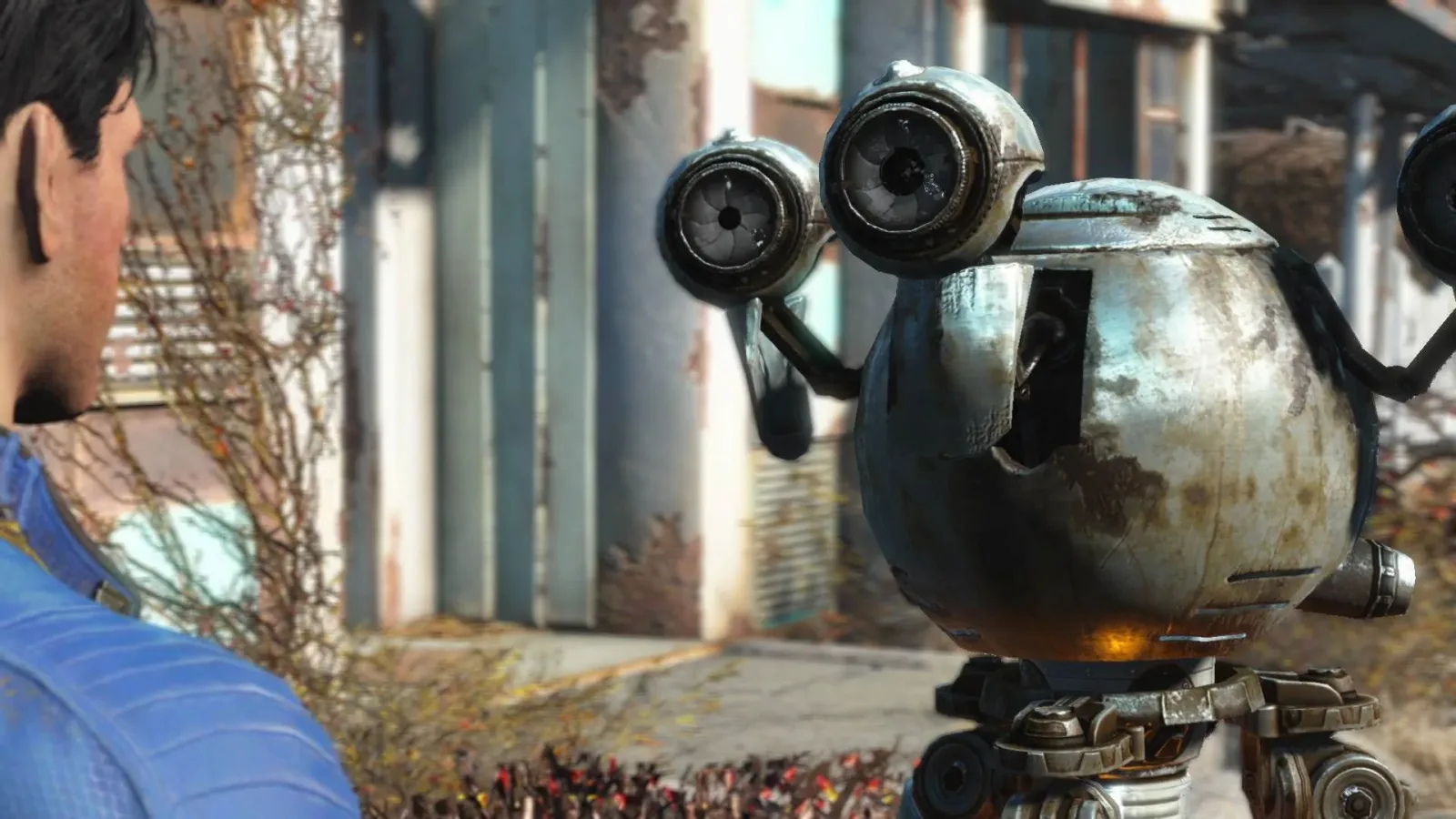
A fan-made browser game called Fallout: New York has apparently been shut down following legal action connected to Bethesda parent company ZeniMax. The project had spread widely online as an unusual experiment in AI-assisted game creation, using Claude Opus 5.5 to build an unofficial adventure set in the Fallout universe. Its creator says the project is no longer available after receiving what they described as a cease-and-desist notice.
The removal is not especially surprising for a game using Fallout's name, setting, and broader intellectual property, but the project's sudden visibility made the situation more notable. A video showing Fallout: New York had amassed roughly 3.5 million views at the time the creator discussed the takedown. That attention placed a small, free browser experiment into a much bigger conversation about fan works, rights holders, and the rapid expansion of AI tools in game development.
A New York Fallout Experiment Built With Claude
Fallout: New York was presented as a browser-based role-playing game rather than an official Bethesda release, mod, or licensed product. The creator described it as a "fun tech demo" made out of affection for the Fallout series. The game reportedly included 117 distinct locations, 112 characters, and 46 weapons, a sizable collection of content for a fan project assembled around an AI workflow.
Embedded X/Twitter post
It also had no conventional audio files. Instead, the creator said every sound in the game was produced through code. That detail reflected the project's experimental nature: Fallout: New York was designed to demonstrate what could be made quickly with modern generative technology, not to replicate the full production values of a commercial RPG.
For useful background on this topic, read Wardogs Reportedly Passes $100 Million on Steam After Explosive Early Access Debut.
Choosing New York gave the project an immediate hook. The city has long been a natural point of speculation among Fallout fans because of its potential as a dense, recognizable post-apocalyptic setting. Bethesda's mainline games have explored places including the Capital Wasteland, the Commonwealth, West Virginia, and the Mojave through Obsidian Entertainment's Fallout: New Vegas, but an official game centered on New York has not been announced.
That premise likely helped Fallout: New York travel far beyond the usual audience for hobby projects. The idea of an expansive, playable Fallout-style experience appearing in a browser is easy to understand at a glance, especially when attached to one of gaming's best-known post-apocalyptic worlds. The use of Claude Opus 5.5 gave it a second viral angle, turning the game into an example for both advocates and critics of AI-assisted creation.
Creator Says "The Fun Is Over"
After sharing the apparent legal notice, the creator expressed frustration toward Bethesda and its corporate owner. In a public message, they challenged Bethesda to make another Fallout game so fans would not feel compelled to do it themselves, then apologized to players who had enjoyed the project. They characterized the situation bluntly, saying that corporate involvement had ended the experiment.
Before the reported takedown, the creator had acknowledged the possibility that Fallout: New York could attract unwanted legal attention. When another user predicted that Bethesda would eventually intervene, the developer stressed that the game was free and that they were making no money from it. They said they hoped it would be left alone because it was intended as a demonstration and a tribute to a series they loved.
That reasoning is common among fan creators, but free availability does not automatically resolve intellectual-property concerns. A rights holder may still object to the use of protected names, fictional settings, recognizable game concepts, visual identity, or other elements associated with a franchise. The specific scope and legal reasoning behind the reported notice have not been detailed publicly in the available discussion, so it is important not to assume more than has been confirmed.
What is clear is that the creator now considers Fallout: New York finished. The project's removal means that a short-lived browser experiment, however ambitious, will not continue publicly under that Fallout branding.
Why the Project Drew Such Divided Reactions
The viral response to Fallout: New York was far from uniform. Some viewers saw an exciting technical demonstration: a single enthusiast using newly available tools to rapidly construct a game with a world map, characters, equipment, and an established role-playing framework. For those observers, the project represented a future in which small teams and individual creators can build playable ideas that once would have required far more time, money, and specialist labor.
Others viewed it much more critically. The term "AI slop" was used by detractors who objected to the nature of the project and to the broader trend it represented. Concerns around AI-generated work often include quality control, creative authorship, training data, the potential displacement of artists and writers, and a tendency for familiar franchises or aesthetics to be reproduced without the craft and intentionality associated with traditional development.
Fallout: New York sat directly at the center of that argument. It was not simply a fan game; it was a fan game advertised through the scale and speed of its AI-assisted production. That made it compelling to people eager to see what the tools can do, while making it a target for people who believe the tools encourage imitation rather than original expression.
Its reliance on Fallout also complicated the discussion. Fan projects have always existed, from mods and tribute games to total conversions and unofficial sequels. But an AI-built game based on a major commercial property can raise both familiar legal questions and newer cultural ones. Even if the project is free, it can benefit from the recognition and appeal created by an established franchise. At the same time, a rights holder has an incentive to police its brands consistently, particularly when a project becomes highly visible.
Fan Ambition Meets Franchise Control
The episode is a reminder that enthusiasm does not grant permission to use a company's intellectual property. Fallout has one of the most active fan communities in games, and Bethesda's worlds have supported enormous modding scenes for decades. Official tools and mod-friendly ecosystems have enabled players to create quests, new regions, gameplay systems, visual overhauls, and entirely new stories inside released games.
There is an important distinction, however, between modifying or building upon a product in the ways its owner allows and distributing a separate game using that owner's franchise identity. Fallout: New York appears to have crossed into the latter category. A browser game marketed with Fallout in its title and built around the series' post-nuclear world is very different from an original RPG that merely takes broad inspiration from retro-futurist apocalypse fiction.
For developers interested in experimenting with AI tools, the outcome may serve as a practical lesson. Original settings, names, factions, art direction, and narrative foundations are not only creatively valuable; they can also avoid the immediate legal vulnerability that comes with using a famous brand. A project can chase the feeling of a choice-driven wasteland RPG without presenting itself as a continuation of Fallout.
That does not make originality easy. Established franchises bring decades of lore, iconography, and player expectations. Building an original universe that earns a comparable level of immediate attention is much harder than attaching a recognizable title to a prototype. Yet the Fallout: New York situation illustrates why that extra work can matter if creators want their projects to remain online and grow beyond a brief viral moment.
The Long Wait for Another Fallout
The creator's frustrated reaction also speaks to a familiar feeling among Fallout fans: the series remains enormously popular, while new mainline entries arrive infrequently. Fallout 76 continues as Bethesda's online entry, and the wider universe has remained prominent through other media and ongoing community activity. Still, fans eager for a new single-player, open-world Fallout adventure have little reason to expect one immediately.
That gap has encouraged players to revisit older games, install large mod collections, and imagine new locations that the series could explore. New York is an especially obvious candidate because its landmarks, scale, and history offer a rich foundation for Fallout's alternate-history style. A devastated version of the city could support dense urban exploration, rival factions, underground spaces, coastal threats, and the series' distinctive blend of satire and survival.
For now, though, Fallout: New York will not fill that void. The browser game's rapid rise and disappearance make it a small but revealing moment for the industry: AI tools can help an individual turn an idea into a visible prototype with remarkable speed, but they do not remove the limits imposed by copyright, trademarks, and franchise ownership.
The project may be gone, yet the conversation around it is unlikely to disappear. As AI-assisted game creation becomes more accessible, more creators will test the boundaries of what can be built, what audiences will embrace, and what rights holders will permit. Fallout: New York's brief run shows that technical possibility and legal permission are two very different things.
Community
Discussion
Start the conversation.
No comments have been posted yet.