

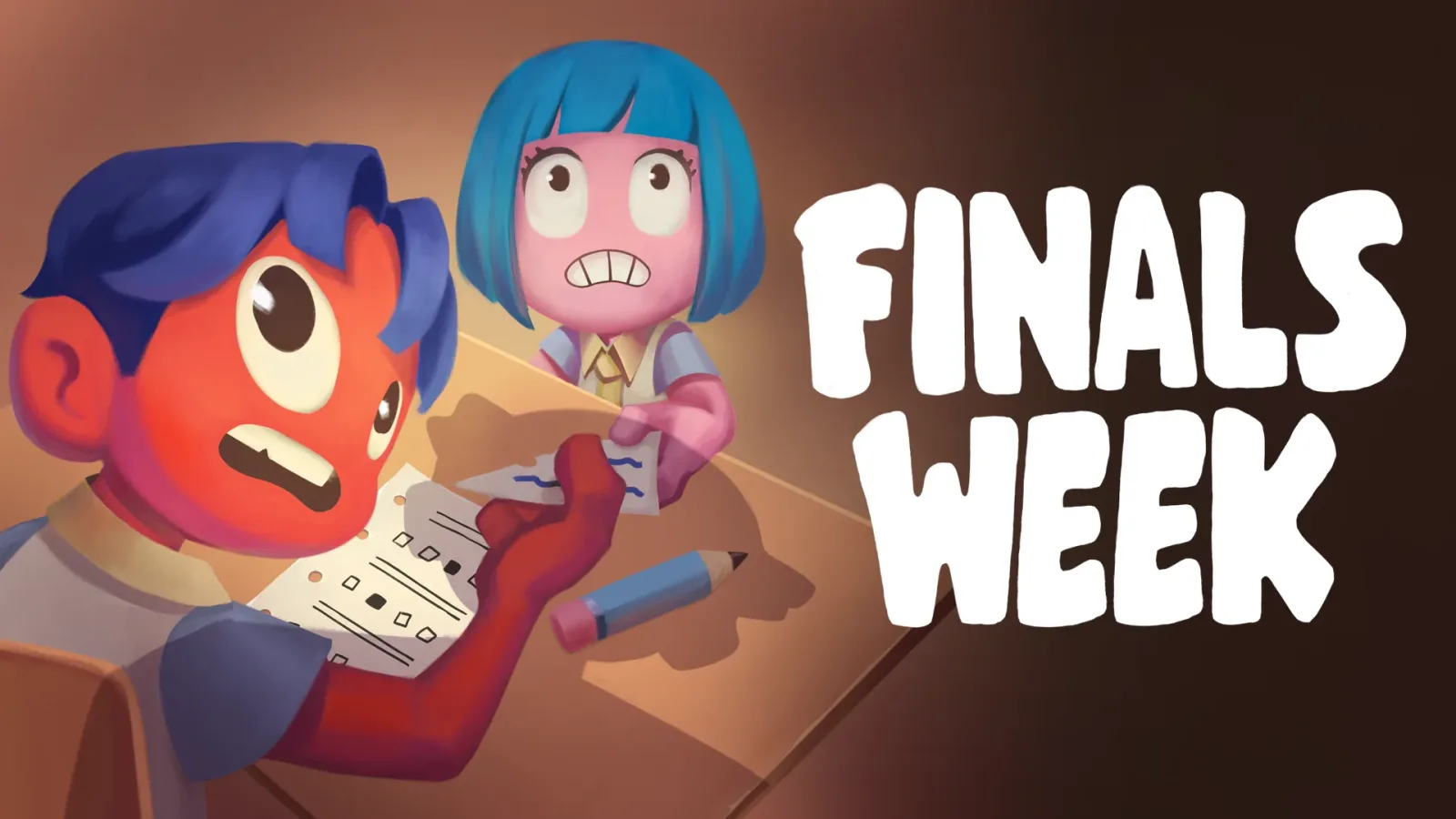
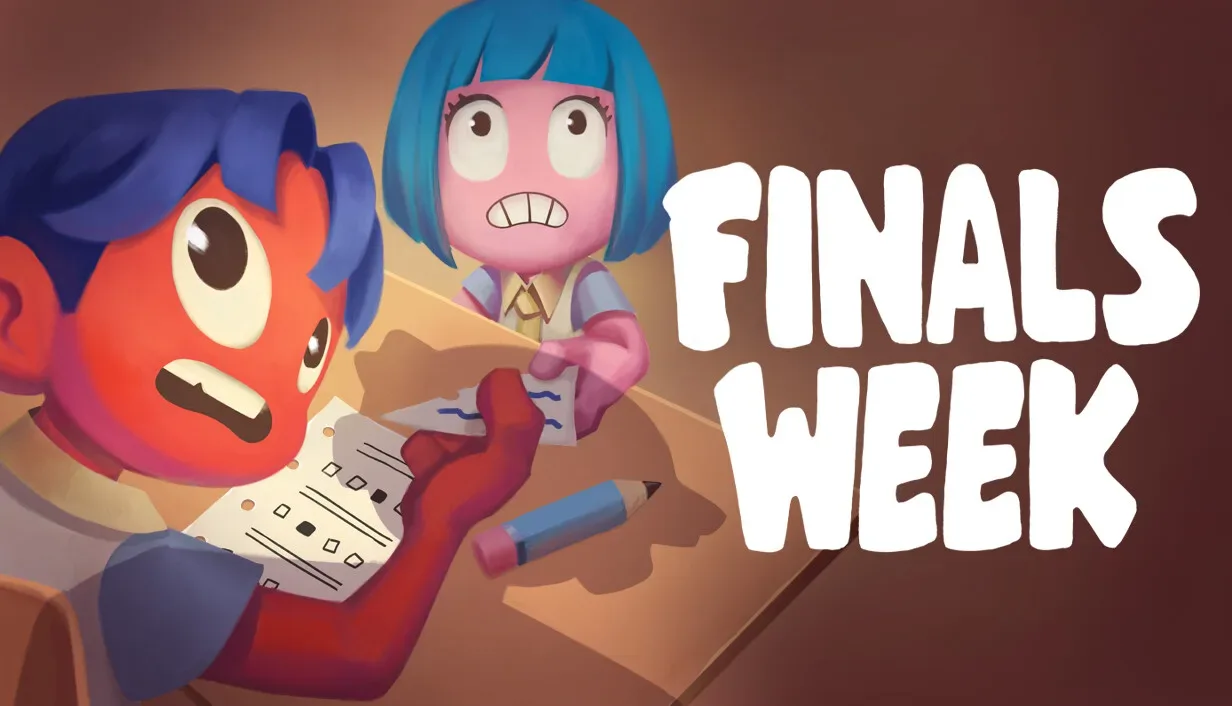
Finals Week, the co-op cheating simulator from developer DESTINYbit and publisher Pretty Soon, is now available on Steam. Built for one to four players, the game takes a deliberately chaotic approach to the familiar nightmare of sitting an exam unprepared. Rather than rewarding revision, its 90s-inspired school setting invites players to survive by collaborating, improvising, searching for information, and finding ways to avoid a watchful Professor.
That central idea is simple: the tests are getting harder, the classroom rules are getting tighter, and studying is not the answer. Players must make it through 12 different exams using whatever methods the school, their teammates, and the environment can provide. The result is a multiplayer game focused less on a single prescribed solution and more on the messy stories that emerge when a group attempts to cheat under pressure without getting caught.
An exam room designed for co-op mischief
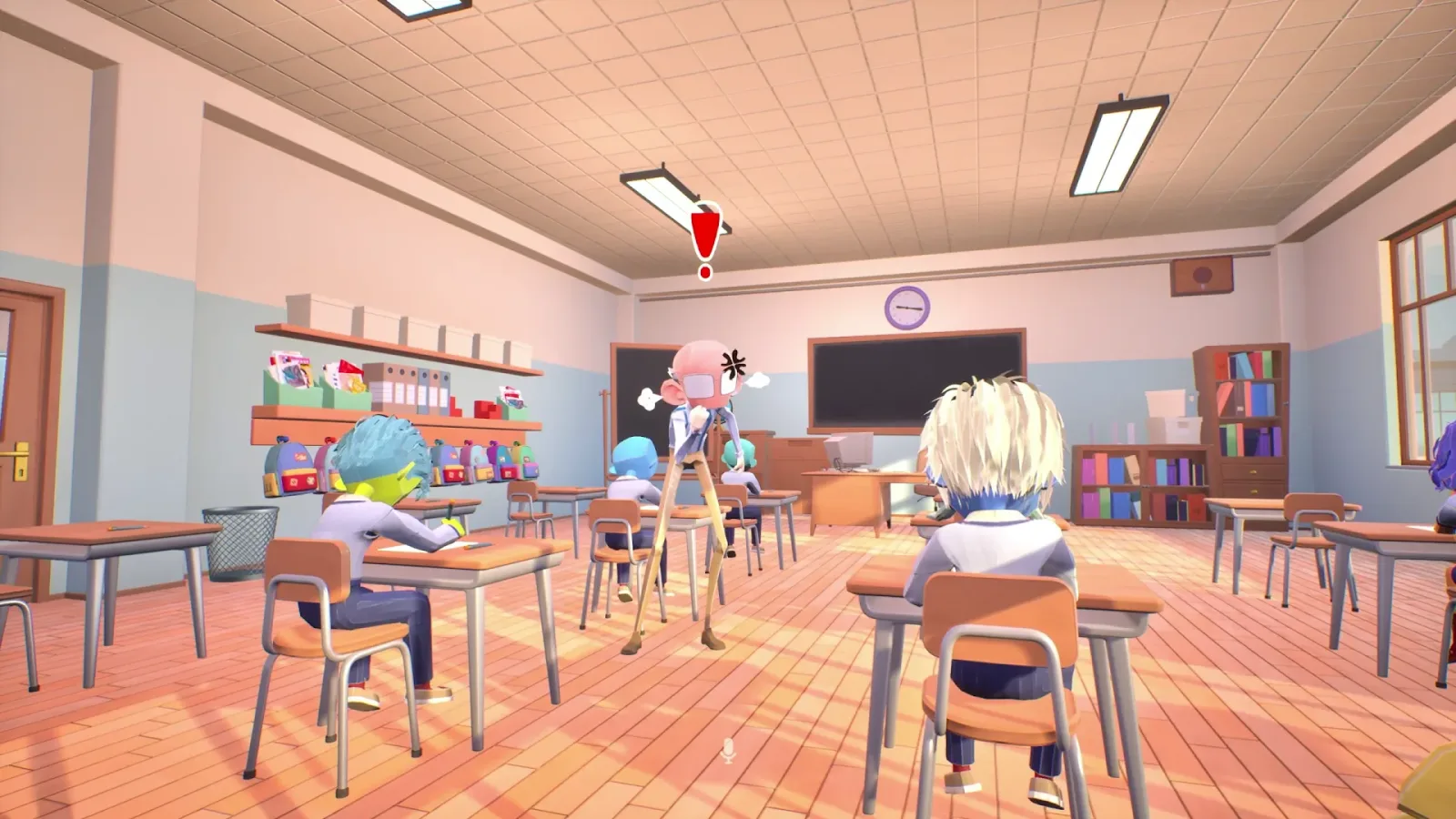
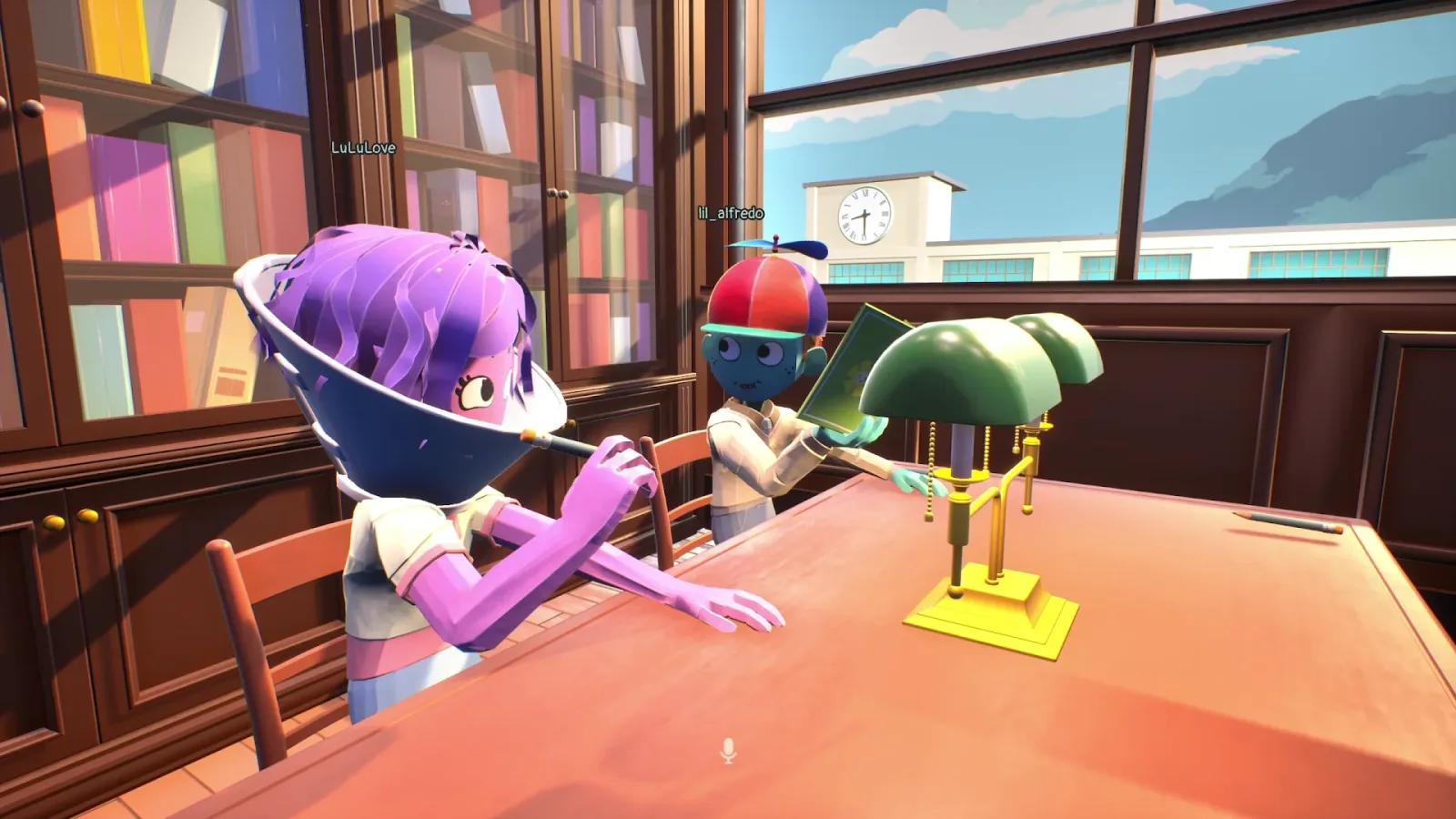
Finals Week supports solo play, but its premise is especially geared toward small groups. Up to four students can work together during each exam, dividing responsibilities between gathering answers, distracting the Professor, relaying clues, and keeping a close eye on the room. A player might search for a useful textbook while someone else tries to get information from an NPC, leaving another teammate to communicate a key answer before suspicion rises too far.
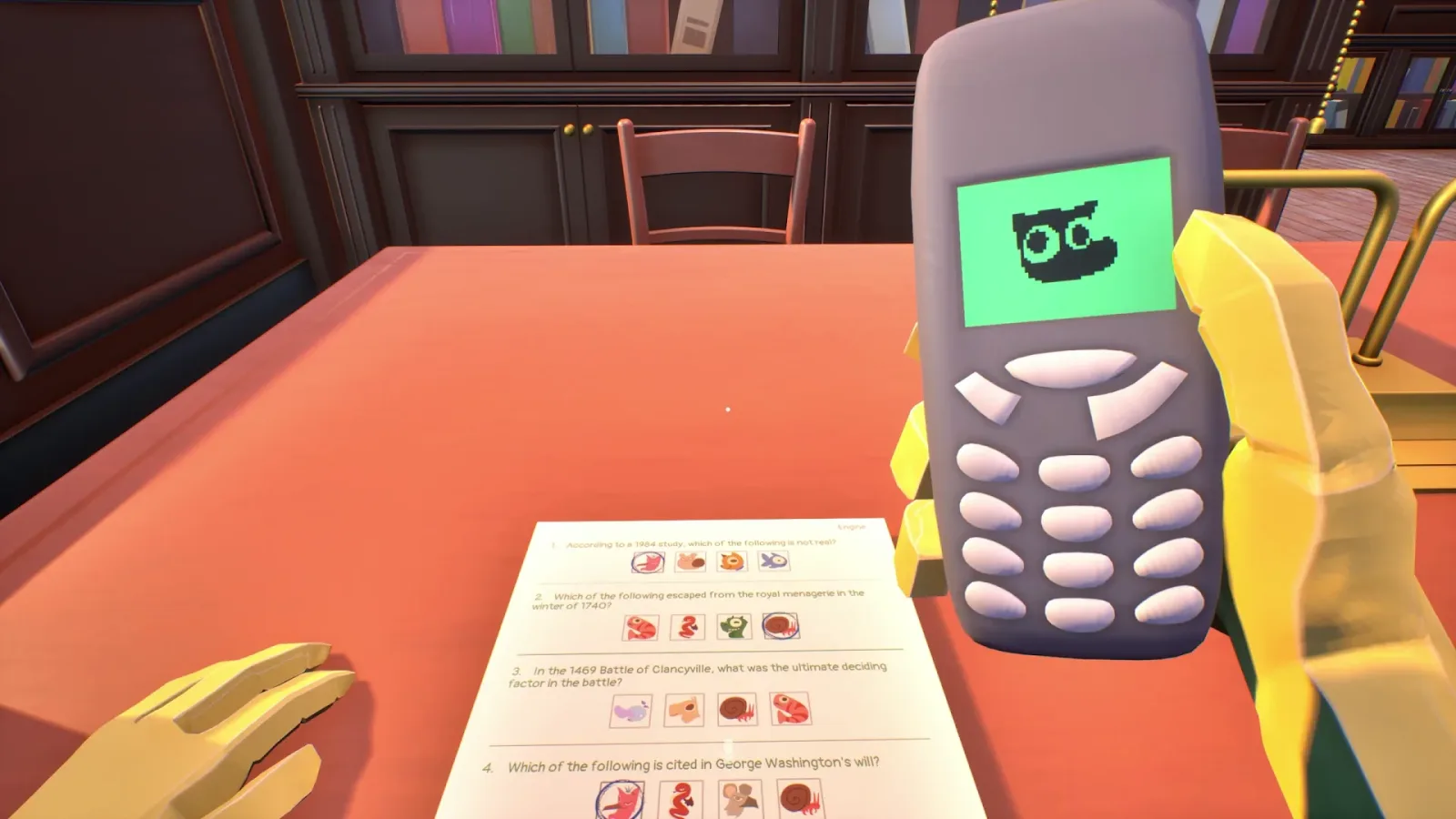
Communication is part of the game's toolkit rather than merely an accessory to multiplayer. Players can use text messages and walkie-talkies to pass along discoveries, while proximity voice chat makes where and how people talk an important consideration. A loudly discussed plan can potentially become a problem if the teacher is nearby. That means teammates need to balance urgency against discretion, especially when a fast answer is needed and everyone is operating under the same deadline.
For useful background on this topic, read Hokko Spaces Launches on Steam and Nintendo Switch.
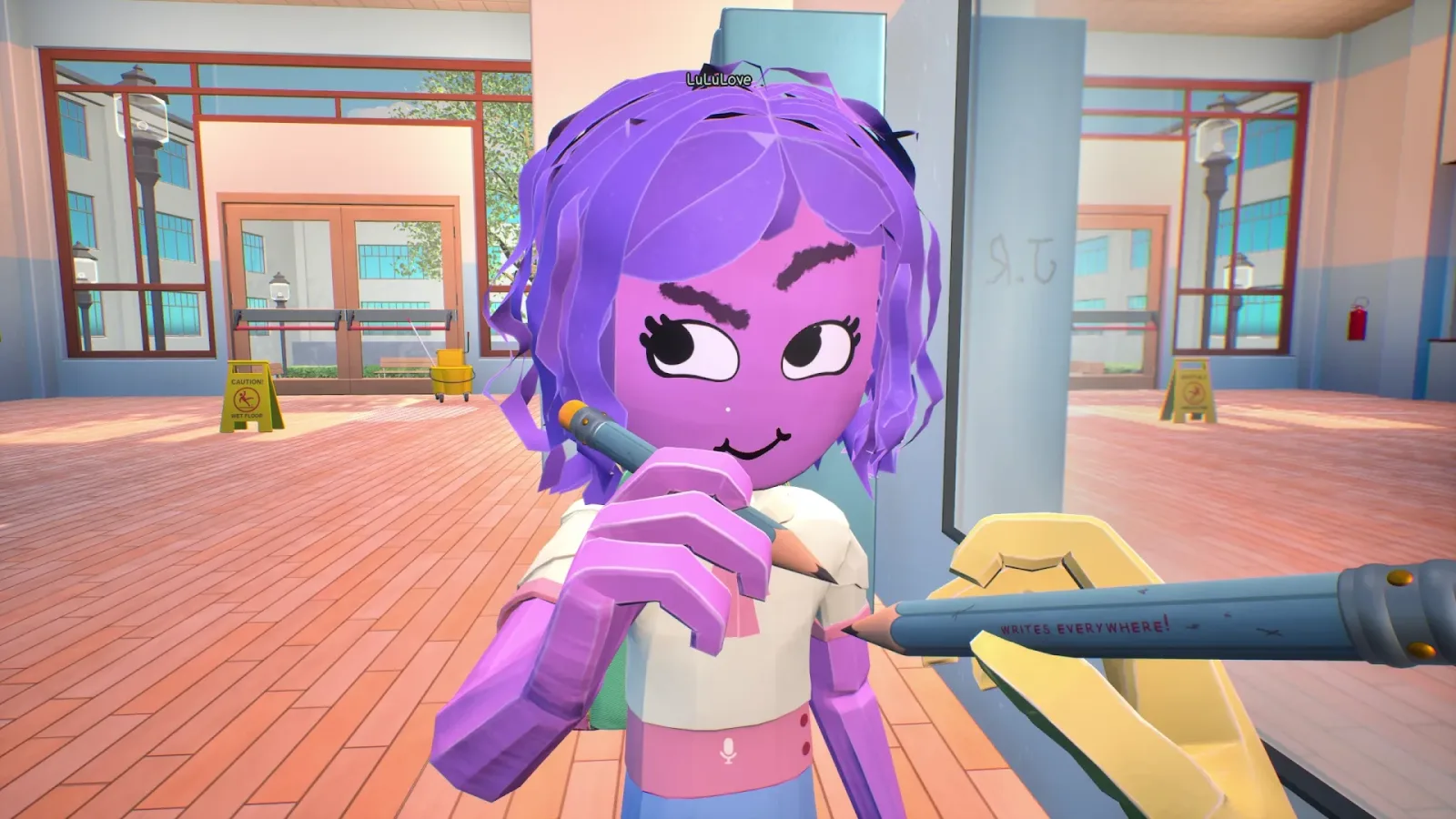
The available cheating methods cover several routes to the same goal. Answers can be stolen from NPCs, found in textbooks placed around the environment, or searched for online. The game also allows players to write information down across an unusually broad selection of surfaces. Paper and desks are fair game, but so are walls and even the faces of fellow students. That setup leaves considerable room for teams to develop their own routines, whether they prefer carefully prepared notes or last-second, highly visible attempts to share an answer.
The Professor is the real obstacle
While exams are the immediate task, the Professor is the force that gives Finals Week its escalating tension. The teacher patrols the classroom, watches for suspicious behavior, and reacts to conversations that sound too much like active collaboration. Getting through an exam is therefore not simply a matter of locating the right information. Players also have to consider timing, positioning, noise, and the possibility that their perfectly reasonable strategy may look questionable from the front of the room.
Each successive exam increases the pressure. The Professor becomes more suspicious as players progress, restrictions become more severe, and tactics that worked in an earlier test may no longer be safe or practical. This progression should make adaptation a central part of the experience. A team that becomes too reliant on one technique will need alternatives when the classroom's conditions change or when the teacher begins paying closer attention.
The punishments also lean into the game's cartoonishly chaotic tone. Players can be gagged, tied up, smacked, or knocked out as the challenges intensify. Those setbacks reinforce the need for teamwork: when one student is unable to act, the rest of the group may need to react quickly, continue the search for answers, or find a way to salvage a plan that has gone wrong.
Finals Week frames school exams as a multiplayer problem-solving challenge where the most useful skill is not preparation, but the ability to improvise when the teacher starts paying attention.
Twelve exams, multiple ways to solve a problem
The game's 12 exams provide the structure for its progression, but the emphasis on environmental interaction suggests that individual sessions can play out differently. A scattered book may be useful to one group while another finds success by approaching an NPC. One team might carefully trade clues through messages, while another risks speaking through proximity chat and attempts to keep the Professor occupied elsewhere.
This is where Finals Week's co-op format has the potential to make mistakes as memorable as victories. In a game built around cheating, every shortcut comes with a possible complication. A teammate may not understand a clue in time. A message may arrive too late. A player could leave evidence in an obvious place, or write something on a desk just as the Professor begins a patrol. The premise naturally creates a chain of consequences that groups can either turn into a rescue operation or a full classroom disaster.
There is also a playful contrast in the game's design. The goal is to pass difficult tests, but its systems encourage players to stop behaving like ideal students almost immediately. Instead of quietly focusing on their papers, they can raid the environment for resources, coordinate information networks, and push the classroom rules until the teacher intervenes. The school is not treated as a static background for a quiz; it is an active space full of opportunities, hazards, and places to make a bad situation even worse.
More than the classroom
Finals Week extends beyond the exam desk through school exploration and social activities. Players can spend time in the halls, seek out secret passages, play basketball, and generally cause trouble between tests. These elements help position the school as a setting to explore rather than a sequence of isolated exam arenas.
Secret passages in particular fit neatly with the game's mischievous tone. Any hidden route can become another ingredient in a team's plan, whether it is used for exploration, escape, or simply discovering what else is tucked away around campus. The ability to hang out outside the classroom also provides a change of pace from the pressure of being watched during an exam.
Character customization is available through unlockable outfits, hairstyles, and colors. While the release information does not detail every customization option or unlock condition, those additions give players a way to build a distinct look for their student. In a game where teammates may literally write clues on one another's faces, an expressive character creator seems especially suited to the overall sense of playful disorder.
A 90s-style school comedy with escalating stakes
The game's 90s-style school aesthetic supports its broader comedy of bad decisions. Finals Week is not presenting academic dishonesty as a realistic simulation of school life. Instead, it turns the concept into a heightened multiplayer scenario filled with walkie-talkies, physical slapstick, suspicious teachers, hidden routes, and teammates using one another as portable note paper.
That exaggerated approach matters because it makes failure part of the entertainment. Being caught, knocked out, or otherwise punished is likely to be frustrating in the moment, but it is also the kind of event that can change the shape of a multiplayer round. A group may be forced to abandon a careful plan and improvise a much riskier alternative. For players who enjoy co-op games built around communication breakdowns and unexpected recoveries, that uncertainty is likely to be a major part of the appeal.
Solo players can take on the challenges alone, though the wider range of tools and communication systems make it clear that the game is designed to support different group dynamics. A coordinated four-player group may split the work efficiently, while a smaller party may have to prioritize tasks more carefully. Meanwhile, friends who embrace chaos can create their own obstacles by talking too much, taking unnecessary detours, or trusting the wrong person with the crucial answer.
Finals Week pricing and launch details
Finals Week launched on Steam on October 29, 2026. It is priced at $7.99 USD, with a 38% launch discount available for the game's first two weeks. The announced release is currently for Steam, with no other platform versions detailed in the launch information.
DESTINYbit's new release arrives with a focused hook: turn the usual exam anxiety into a cooperative comedy of errors. Its 12-test progression, increasingly observant Professor, interactive school environment, and range of answer-finding tactics give players plenty of tools, but no guarantee that any plan will survive contact with the classroom. Whether played as a carefully coordinated stealth exercise or a loud scramble among friends, Finals Week makes getting through school a question of creativity, timing, and how much trouble a team is willing to cause before the bell rings.
Community
Discussion
Start the conversation.
No comments have been posted yet.