

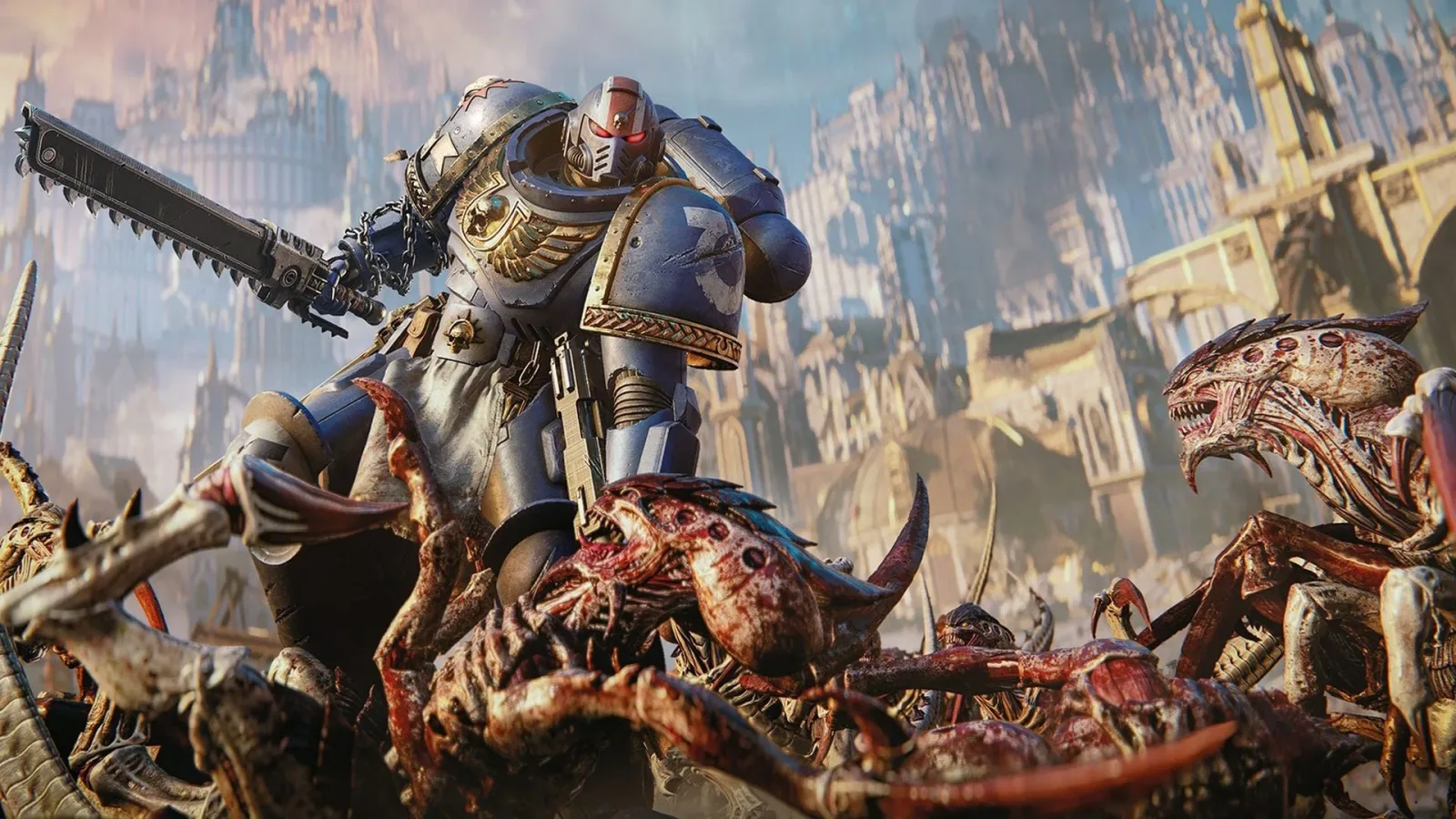
Focus Entertainment has said it filed formal legal complaints after what it described as a recent escalation in threatening messages aimed directly at members of its staff and development teams. The publisher, known for games including Warhammer 40,000: Space Marine 2 and the A Plague Tale series, issued the warning on September 15, 2026, through social media and several of its community Discord servers, including the server for Space Marine 2.
The company's message was both a reminder of its community standards and a clear statement that it intends to protect employees from abusive behavior. Focus Entertainment said its online spaces are intended to be places for enthusiasm around games, rather than venues for harassment, hatred, or personal attacks against players, moderators, developers, and publisher staff.
"Our networks and hubs are about passion, not hatred," Focus Entertainment said in its community statement. "We are proud of our team and will not tolerate violent or sexist comments."
While the publisher did not identify the people involved, describe the alleged threats in detail, or explain what specifically prompted the recent surge, it said the situation had moved beyond the toxic messages its teams had encountered in previous years. The company stated that it had reserved the right to pursue all necessary legal action to safeguard its staff.
For useful background on this topic, read Former id Software Producer Calls Xbox Game Pass "Extremely Poorly Managed" After Doom Debate.
A Conduct Reminder With Serious Consequences
Community guidelines can often read like routine moderation notices: no insults, no discrimination, no disruptive behavior. Focus Entertainment's statement carries more weight because it confirms that formal legal complaints have already been submitted in response to direct threats. That distinction matters. Harsh criticism of a game, a patch, a technical issue, or a business decision is not the same thing as threatening individual people who work on a game.
Focus asked community members to help create spaces where everyone feels welcome, respected, and included. Its wording extended that expectation to every group that takes part in the discussion: fellow players, volunteer or professional moderators, development teams, and Focus employees. In practical terms, the company is drawing a firm line between expressing dissatisfaction and targeting people personally.
That message is especially relevant in communities built around ongoing games. A live game can generate frequent, immediate discussion around balance adjustments, content updates, server problems, bug fixes, matchmaking, monetization concerns, or communication from a studio. Those debates can be passionate, and players are entitled to voice criticism. But the people reading those messages are not abstractions. They are community managers, support personnel, developers, artists, producers, moderators, and other workers who can become targets when frustration turns into abuse.
Focus Entertainment did not connect its legal action to any particular update, controversy, or individual title. There is therefore no basis to attribute the reported escalation to a specific game or recent decision. The publisher's statement deliberately addresses conduct across its networks and hubs rather than presenting the issue as isolated to a single community.
What Focus Entertainment Actually Said
The publisher's notice makes several points clear. First, it says toxic messages aimed at staff are not new; the company described them as something employees have experienced over past years. Second, it says a more recent escalation led to the filing of formal legal complaints. Third, it explicitly identifies violent and sexist comments as unacceptable. Finally, it says Focus Entertainment may take whatever legal steps it considers necessary to defend its team.
There are also important details the company has not disclosed. It has not publicly said how many complaints were filed, where they were filed, whether they concern one person or multiple people, or whether any law-enforcement investigation is underway. It has not named employees who were targeted, and it has not indicated whether those individuals were associated with a particular project. That restraint is understandable in a situation involving staff safety and potential legal proceedings, but it means the public picture remains limited.
For now, the most concrete takeaway is simple: Focus Entertainment says threats against its personnel have reached a threshold where it has chosen to pursue formal complaints rather than rely solely on moderation tools, bans, or public reminders of the rules.
Passion for Games Does Not Excuse Harassment
Video game communities frequently operate at high intensity. Players can spend dozens or hundreds of hours mastering a game, collecting its rewards, following its lore, meeting friends through it, or organizing their time around major releases and updates. That investment can create vibrant communities and useful feedback. It can also make some discussions unusually volatile when expectations are not met.
The problem is not passion itself. Strong opinions can be valuable to developers and publishers when they are specific, constructive, and directed at the work rather than at the personal lives or safety of the people making it. Criticism can explain why a mechanic feels unfair, why an update created a problem, why a feature is inaccessible, or why communication has been insufficient. None of that requires intimidation, discriminatory language, or threats.
Focus's statement frames the issue in those terms. Its communities should be places for players who care about games, but that interest must coexist with basic respect for the people present in those spaces. The company's emphasis on moderators is notable as well. Moderation teams are often on the front line when conversations deteriorate, tasked with applying rules and removing harmful material while becoming targets themselves.
In a large online community, one abusive message can have consequences beyond its immediate target. It can discourage developers from interacting openly, push moderators out of volunteer or public-facing roles, make other players feel unsafe participating, and reduce the quality of discussion for everyone else. A threat does not need to result in physical harm to damage a community; the act of making it can be enough to create fear and force people to change how they work or communicate.
A Wider Industry Issue
Focus Entertainment's action arrives amid broader concern about abuse directed at people working in games. Public-facing staff, especially community, customer-support, and social-media teams, can find themselves caught between corporate decisions they did not make and players who are angry about those decisions. Developers can face a similar response over changes that emerge from complex production, design, technical, and business realities.
The issue has also affected other major companies. Sony recently introduced a policy intended to protect some of its support employees after an increase in threats and toxic messages tied to its controversial plan to end physical game production in 2028. The circumstances are separate from Focus Entertainment's announcement, but both situations underline the same concern: companies are increasingly making employee safety a public part of their approach to community management.
Policies, moderation and bans remain important tools, but a publisher's reference to formal legal complaints signals that it considers certain conduct to have crossed a much more serious boundary. Focus did not detail which communications prompted its filings, so it would be wrong to speculate about their content or the possible outcome. Still, the statement is an unambiguous warning that direct threats are being treated differently from ordinary rule violations.
What This Means for Focus Communities
Players in Focus Entertainment communities should expect the publisher's rules of conduct to be enforced with renewed seriousness. The company has not announced new rules in the statement, but it has reinforced the standards it expects participants to follow: respect for others, an inclusive atmosphere, and no violent or sexist commentary. The language applies whether somebody is posting in a Discord server, responding on social media, or taking part in another official community hub.
For those who want to raise issues, the message does not suggest that criticism is unwelcome. Rather, it makes clear that criticism must remain within the bounds of acceptable behavior. Players can object to a game's design, technical state, updates, support experience, or communication strategy without directing hostility toward an identifiable person. Reporting problems, offering evidence, explaining concerns, and disagreeing firmly are all very different from issuing threats.
Focus Entertainment has not provided further public context on the complaints at the time of its statement. Whether it shares more information later may depend on privacy, safety, and legal considerations. What is already clear is the publisher's position: its staff and development partners should be able to work and participate in their own communities without being subjected to intimidation.
As online game communities continue to grow, that should be a baseline rather than a controversial position. Players can care deeply about the games they play and still recognize the humanity of the people behind them. Focus Entertainment's September 15 message is a reminder that when online conduct becomes threatening, the response may extend far beyond a deleted post or a server ban.
Community
Discussion
Start the conversation.
No comments have been posted yet.