

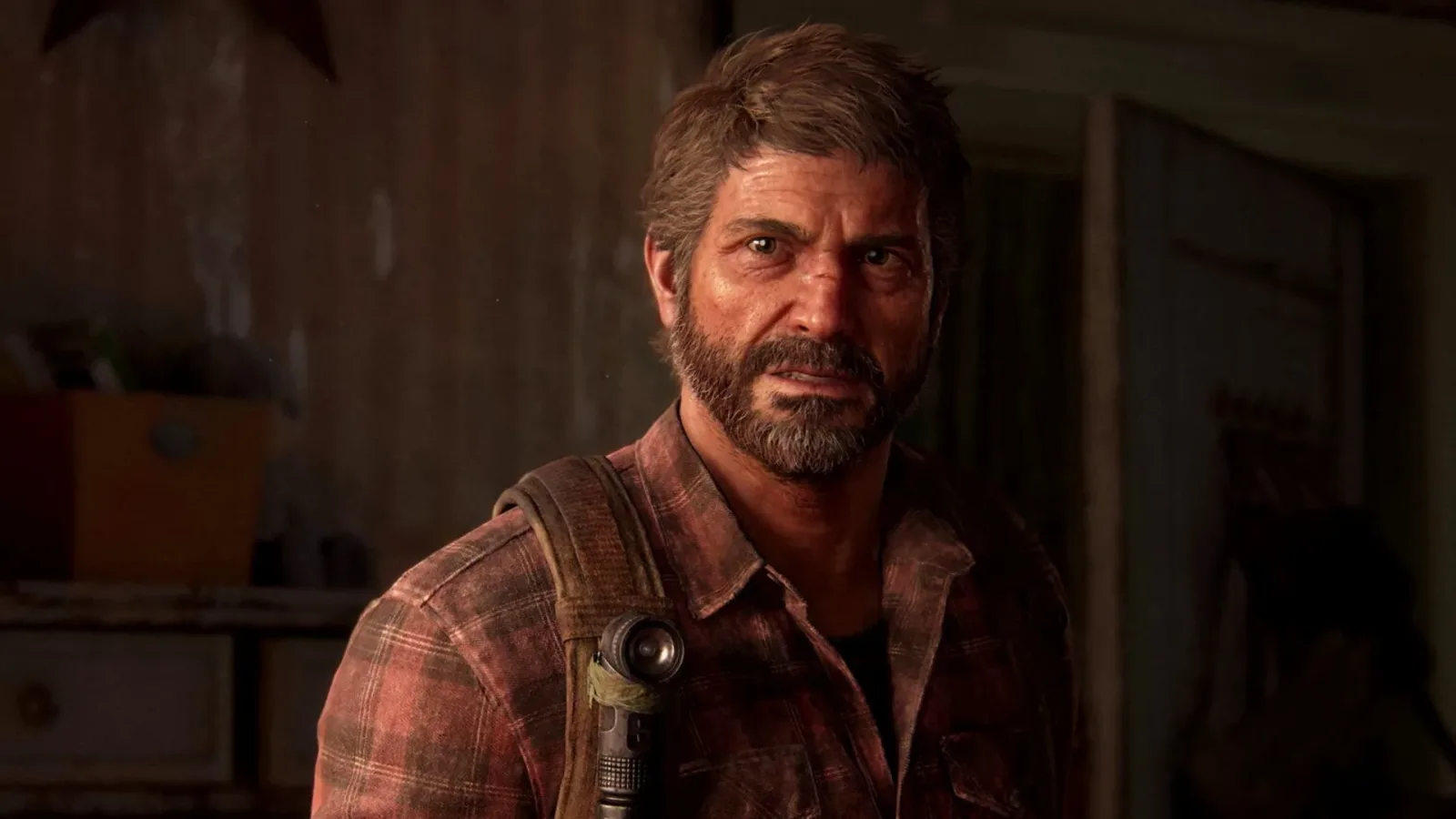
Naughty Dog's biggest games have often been treated as more than individual releases. Uncharted 4: A Thief's End, The Last of Us Part II, and the studio's upcoming Intergalactic represent the kind of lavish, cinematic single-player productions that help define the public image of PlayStation. Former Naughty Dog VFX artist Matt Radford believes that role helps explain why the studio can keep pursuing expensive, years-long projects in an industry increasingly focused on recurring revenue and multiplatform reach.
Speaking in an interview with Kiwi Talkz, Radford said his understanding was that Naughty Dog exists in part to sell Sony hardware. In that model, the immediate profitability of a single game is not the only measure that matters. A high-profile first-party release can make a PlayStation console more desirable, reinforce confidence in the platform, and give prospective buyers a reason to enter Sony's ecosystem.
That distinction is particularly important at a moment when major game development is getting more costly and more uncertain. Large teams, advanced performance capture, detailed worlds, accessibility features, localization, quality assurance, and long post-launch support all contribute to rising budgets. Publishers have responded in different ways: some have pursued live-service games, others have reduced project scope, and many have leaned harder on established franchises, remakes, and cross-platform releases.
Naughty Dog remains associated with a different type of blockbuster: the prestige narrative action game built around authored characters, elaborate presentation, and a carefully directed campaign. Radford's comments suggest that Sony's ownership gives the studio room to operate with a purpose broader than maximizing the revenue of one boxed or digital release.
For useful background on this topic, read Razer Reveals Wolverine V4 Pro With Capacitive Thumbsticks for Xbox and PC.
Flagship games can sell more than copies
Console manufacturers have long used exclusive software as a central part of their business. The logic is simple even when the economics behind it are complex: a game that cannot be played in the same form elsewhere can make a piece of hardware feel essential. Nintendo has Mario and Zelda. Xbox has historically leaned on Halo, Forza, and other internal franchises. PlayStation has built much of its modern identity around cinematic productions from teams such as Naughty Dog, Santa Monica Studio, Insomniac Games, and Sucker Punch Productions.
In that context, the value of a Naughty Dog game is not limited to the number of copies it sells at launch. It can also help persuade someone to buy a console, retain players within a digital storefront, encourage subscriptions and accessory purchases, and build excitement for future releases. It can become a showcase for the technical capabilities Sony wants associated with its platform.
Radford described Naughty Dog as less profit-driven than companies whose primary concern is the direct financial return of every release. That does not mean the studio's games are made without commercial expectations. Big-budget first-party productions still need to perform, especially as their costs rise. But the hardware-holder model can change how success is evaluated. A game may serve as a system seller, a brand statement, and a demonstration of production expertise at the same time.
For players, this is one reason first-party console releases are frequently expected to carry an extra degree of polish. Platform owners have incentives to present their own hardware in the best possible light. A high-quality release can become a long-running advertisement for the machine, whether that is through visual fidelity, haptic features, loading performance, accessibility options, or an experience that feels difficult to duplicate on competing systems.
The exclusivity equation is changing
There is an obvious complication to the traditional system-seller argument: exclusivity is no longer as fixed as it once was. Sony has increasingly brought some of its major PlayStation games to PC after their console launches. Microsoft has expanded its own releases to additional platforms, including bringing Halo to PlayStation. Those changes show that publishers can seek a wider audience without completely abandoning the strategic value of flagship software.
Still, timing, association, and platform identity matter. A game does not need to remain exclusive forever to strengthen the appeal of a console at launch or during a particular hardware cycle. A major title can establish itself first as a PlayStation event, drive interest in the platform when attention is highest, and later reach more players elsewhere. The balance between hardware differentiation and software sales is now less rigid than it was during earlier console generations.
That evolving strategy makes Radford's point less about permanent exclusivity and more about Sony's ability to fund work that functions as a premium showcase. Whether a Naughty Dog game eventually comes to PC does not erase its role in building the PlayStation brand. In fact, a later PC release may extend the commercial life of a game while the PlayStation version remains the foundation of its original launch strategy.
Can games preserve this scale of craftsmanship?
Radford's larger concern was not simply about platform competition. He expressed hope that the conditions allowing games like Uncharted 4 and The Last of Us Part II to be made can continue. He raised the possibility that, one day, the industry may no longer be able or willing to devote astronomical sums to a high-end action game with a fully realized story.
The concern reflects an increasingly familiar tension in AAA development. Audiences often want games that are bigger, richer, smoother, and more technically impressive than the last generation's releases. Yet every increase in detail can require more time, more specialized labor, and more money. The result is a development environment where a single failure can have serious consequences, and where publishers may become more cautious about investing in risky or unusual ideas.
Radford compared this kind of game-making to historic architectural achievements. Ancient cathedrals and other monumental buildings were created through particular combinations of time, patronage, artistic ability, and specialized craft. Modern construction can be more efficient and practical, but it does not necessarily reproduce the same kind of object or the same labor-intensive process behind it.
His point was not that modern technology is incapable of producing extraordinary art. Rather, it was that creative industries can lose methods, expertise, and institutional willingness when circumstances change. In games, that could mean losing some of the production pipelines needed to create densely animated characters, handcrafted environments, nuanced performances, and cinematic storytelling at the scale associated with Naughty Dog's work.
A human-made spectacle
Radford wondered whether future players could look back at games such as Intergalactic, Uncharted 4, and The Last of Us Part II with the same fascination people bring to elaborate historical structures. He specifically pointed to the sheer volume of human work involved: acting, writing, modeling, sculpting, painting, and other disciplines that combine to make a modern AAA game.
That observation lands during a period of intense conversation around artificial intelligence in game development. Sony has called AI exciting, described synthetic assets as one area of interest, and characterized the technology as an important foundation supporting its strategy. Such tools could potentially change how studios produce art, iterate on assets, automate repetitive tasks, or manage the vast technical workload behind blockbuster games.
But Radford's remarks highlight why the debate is not only about efficiency. Players often respond to the distinctive choices made by artists, writers, actors, designers, animators, and technical specialists. The question for studios will be whether new tools can reduce friction without flattening the creative contributions that make a game feel authored.
Naughty Dog's next test
Naughty Dog's upcoming Intergalactic will inevitably be viewed through this wider lens. It is not just another project from a celebrated team; it is also a new opportunity to see whether the studio can continue delivering the kind of ambitious original work that has become synonymous with PlayStation's first-party image.
There is no guarantee that every blockbuster must become larger or costlier to matter. Smaller games, independent teams, and mid-budget projects remain vital to the medium's health. Yet there is also value in preserving room for the rare productions that marshal hundreds of specialists toward one carefully constructed experience. Games such as Naughty Dog's can inspire audiences, demonstrate technical possibilities, and create a cultural footprint that lasts well beyond a launch window.
Radford's comments ultimately frame Naughty Dog as a studio operating within a unique bargain. Sony benefits when exceptional games strengthen the appeal of PlayStation hardware and its broader ecosystem. Naughty Dog benefits from being able to pursue work whose value is measured in more than immediate unit sales. As development budgets continue to climb and the industry searches for sustainable business models, maintaining that bargain may be one of the most important challenges facing prestige single-player games.
Community
Discussion
Start the conversation.
No comments have been posted yet.