


For years, the games industry has repeatedly revisited the same anxious question: are single-player games on their way out? The rise of seasonal online titles, battle passes, connected worlds, recurring monetisation, and live-service roadmaps has made that debate feel unavoidable. At the same time, studio layoffs and closures have created a far harsher backdrop for every conversation about what kinds of games are sustainable to make.
November 2026 offers an emphatic counterargument. Grand Theft Auto 6, arriving after a 13-year wait, has become a colossal commercial event despite launching without its online component. Meanwhile, The Legend of Zelda: Ocarina of Time remake became the best-selling physical game of 2026 in the United States after only one week on store shelves. Both are fundamentally built around the appeal of a player setting out alone, following a story, exploring a world, and moving through an experience at their own pace.
These games are not small exceptions that can be dismissed as niche successes. They are enormous, mainstream releases from two of gaming's best-known series. Their immediate impact is a reminder that players have not stopped wanting richly made solo adventures. If anything, the scale of the response suggests audiences are still eager to make time for games that offer a complete world and a focused personal journey.
Grand Theft Auto 6 succeeds before its online era begins
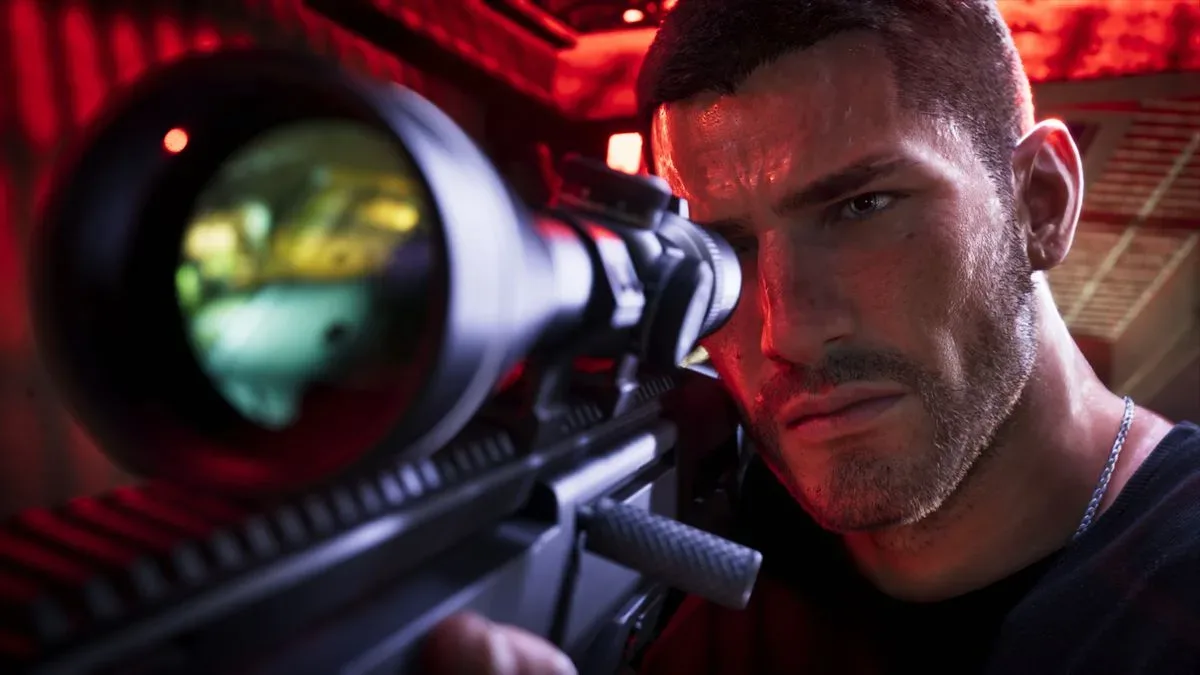
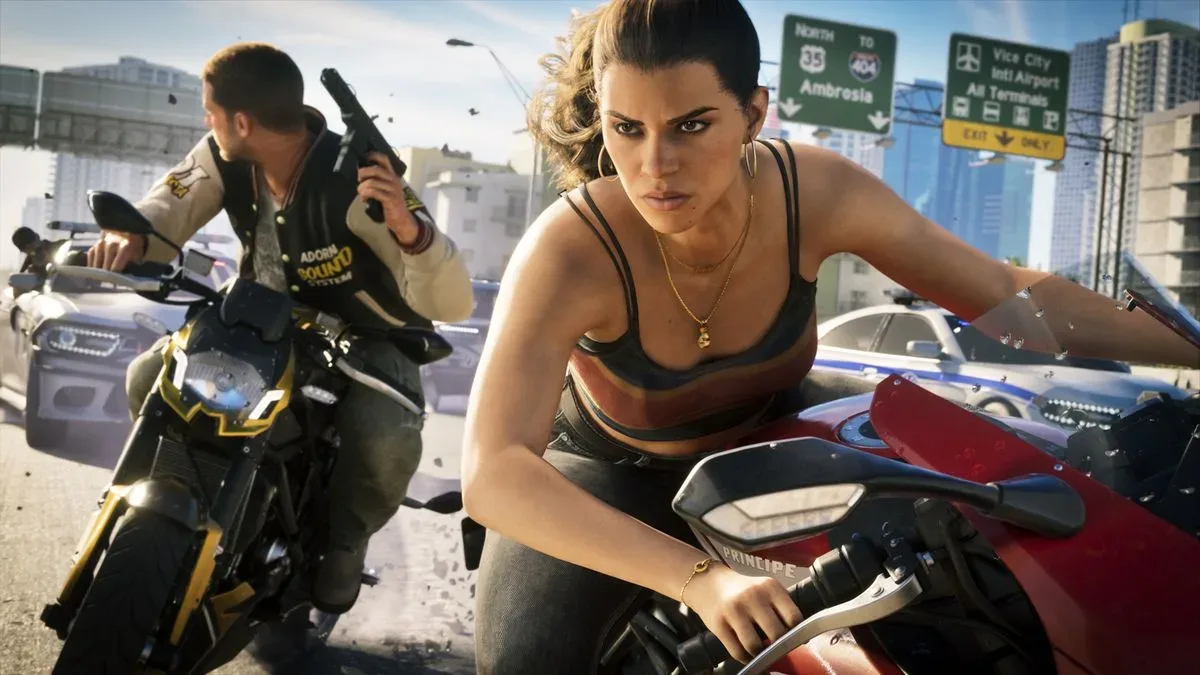
The most striking piece of the current picture is Grand Theft Auto 6. Rockstar Games' latest open-world crime epic has reportedly generated an estimated $1.45 billion while available in an all-digital form. Crucially, GTA 6 Online is not yet part of that equation. The enormous opening has been driven by the appetite for the core game itself: its sandbox, its setting, and its single-player story.
For useful background on this topic, read Super Mario Bros. Wonder Gets a Tiny Game Boy Demake From a New Developer.
That distinction matters. Grand Theft Auto has long been associated with the enormous staying power of its online ecosystem, so it would have been easy for observers to frame the next entry primarily as a multiplayer platform. Yet the first wave of enthusiasm has centered on the standalone adventure. Players are turning up for a new Rockstar world before the social, competitive, and collaborative online layer arrives.
That does not diminish the importance of online play to the wider Grand Theft Auto brand. Nor does it mean that multiplayer experiences are inherently less valuable. GTA's enduring popularity has always come from its ability to accommodate different kinds of players. But the current moment makes a useful point: a huge audience still sees tremendous value in a carefully authored single-player game, even when they know a multiplayer future may eventually follow.
Critical reception reinforces the scale of GTA 6's arrival. The game currently holds a 99 Metacritic score, placing it alongside the original Ocarina of Time as a joint highest-rated game. It has been praised as a remarkably high-fidelity sandbox while also delivering a story substantial enough to guide players through that vast space. That combination has historically been one of Rockstar's greatest strengths: freedom without abandoning the momentum and purpose that a directed narrative can provide.
A great sandbox is not simply a giant map filled with distractions. At its best, it makes a player feel that every street, encounter, and detour might contribute to their own version of the journey. A single-player framework gives those discoveries room to breathe. There is no obligation to keep pace with friends, chase a timer, or return for a limited event. The player can linger, experiment, fail, restart, and absorb the world on their own terms.
Ocarina of Time proves the appeal reaches across generations
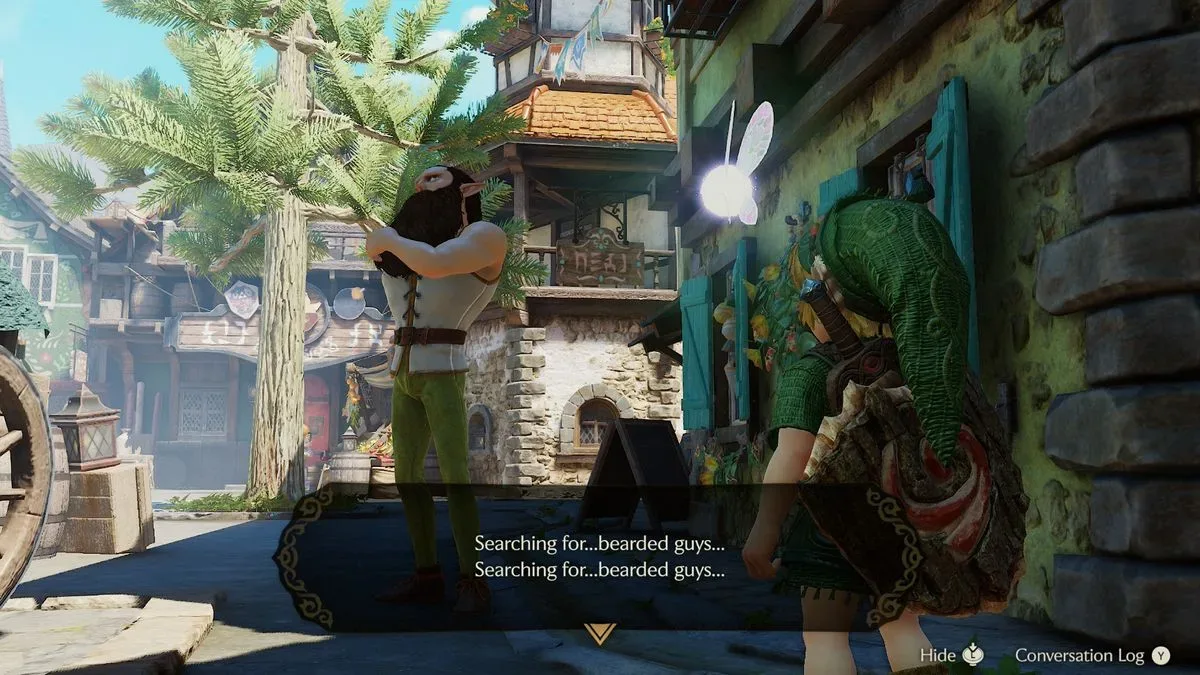
If GTA 6 represents the modern blockbuster at its most technically ambitious, the Ocarina of Time remake shows the same core appetite taking a very different form. Nintendo's revitalised fairy-tale adventure reached the top of the year's physical sales chart in the US after just a week. Its success is especially notable because the original game is already one of the medium's most celebrated works, rather than an unknown property needing to establish itself with a new audience.
Remaking such a landmark is a daunting task. Players bring memories, expectations, and a deep awareness of the original's legacy. Yet the remake's sales demonstrate that there is still major interest in the kind of self-contained adventure Ocarina of Time represents: a player begins with a sense of wonder, explores a distinctive fantasy world, solves puzzles, overcomes dungeons, and forms a personal connection with its characters and music.
Its appeal also extends far beyond nostalgia. Some players will return because they remember the original. Others will encounter its world for the first time through the remake. In both cases, the format remains compelling because it is direct and accessible. The goal is not to maintain an ongoing service or establish a permanent social routine. It is to take players somewhere memorable and leave them with an experience worth discussing long after the credits roll.
GTA 6 and Ocarina of Time remake could hardly be more different in tone. One is a mature crime story set in an expansive contemporary sandbox; the other is a fantastical quest filled with mythic imagery and broad all-ages appeal. That contrast makes their shared success more meaningful. It is not evidence that only one kind of single-player game can prosper. Rather, it shows that the audience for solo play is broad enough to support very different creative visions.
Quality remains the strongest argument
The debate around single-player games often treats business models as destiny. If online games can continue earning money after release, the assumption goes, then every publisher must pursue that structure and traditional solo games must inevitably become less viable. The reality has always been more complicated. A recurring model can be successful, but it cannot manufacture enthusiasm for an experience players do not enjoy.
Larian Studios head Swen Vincke has argued plainly that single-player games are not dead; they simply need to be good. The recent success of GTA 6 and Ocarina of Time remake gives that view fresh weight. Both games arrive with immense brand recognition, certainly, but recognisable names alone do not guarantee lasting player enthusiasm. Audiences still expect polish, imagination, satisfying mechanics, and worlds that justify the time they ask for.
The same principle applies well beyond mega-budget releases. Conversations about the health of solo gaming can become dominated by giant franchises, sales records, and review aggregates. But independent developers continue to make personal, inventive, and commercially successful single-player games as well. Their projects may not generate the same headlines as GTA 6, yet they are an essential part of the category's strength. The solo experience can be a massive spectacle, a compact puzzle, an intimate narrative, a demanding action game, or something that does not fit a familiar label at all.
That variety is one of the medium's great advantages. A player looking for a sprawling urban sandbox has different needs from someone seeking a fantastical adventure, but both may be looking for the same essential feeling: the chance to inhabit a game world without outside pressure. Single-player design can provide solitude, agency, surprise, and reflection in ways that remain difficult to replace.
A difficult industry does not erase player demand
None of this means the industry's challenges have disappeared. Layoffs have affected teams across the business, and the recent closure of EA-owned RPG studio BioWare has been particularly painful for fans of story-led games. BioWare built its reputation through major offline role-playing adventures, before later years saw it pulled toward live-service ambitions through projects including Anthem and early versions of Dragon Age: The Veilguard.
There is an understandable temptation to look at closures and conclude that the market has rejected certain genres outright. But the commercial performance of individual games, the strategic decisions of publishers, and the difficult economics facing studios are not always the same thing. A company can make poor bets, pursue a trend too aggressively, or struggle to manage rising development costs without proving that players have lost interest in single-player games.
The broader retreat from some live-service efforts makes the current blockbuster results even more noteworthy. PlayStation's push to establish multiple online games has faced setbacks, with Fairgames joining a growing list of troubled efforts. Online games can create powerful communities and unforgettable shared moments, but they are exceptionally hard to sustain. They demand continuous support, strong retention, a clear identity, and a reason for players to choose them over countless existing alternatives.
Single-player games have their own risks, especially at blockbuster budgets. But their strengths are clear. They can be sold as distinctive, finite experiences. They can earn attention through critical acclaim and cultural conversation. And they do not need every player to remain engaged forever in order to feel worthwhile. A game can tell its story, reach its conclusion, and still stay alive through recommendation, replay, discussion, and the memories it creates.
There is room for both kinds of play
The healthiest conclusion is not that multiplayer is fading or that every major game should return to a purely offline structure. Online games have given people friendships, communities, and countless late-night memories. Playing alongside other people can create a kind of spontaneity that a solo game cannot replicate.
But single-player experiences offer something equally precious. There is a particular kind of immersion in sitting alone with a game, following its characters, learning its spaces, and letting its story occupy your thoughts. Like a powerful film or book, a great solo adventure can linger in a player's mind because it feels personally lived rather than merely consumed.
GTA 6 and The Legend of Zelda: Ocarina of Time remake are powerful examples of that enduring connection. Their extraordinary early results do not just celebrate two famous names. They demonstrate that, amid all the uncertainty surrounding the business of games, players still show up for strong worlds, memorable stories, and adventures designed to be theirs alone.
Single-player gaming is not finished. This November, it looks impossible to ignore.
Community
Discussion
Start the conversation.
No comments have been posted yet.