

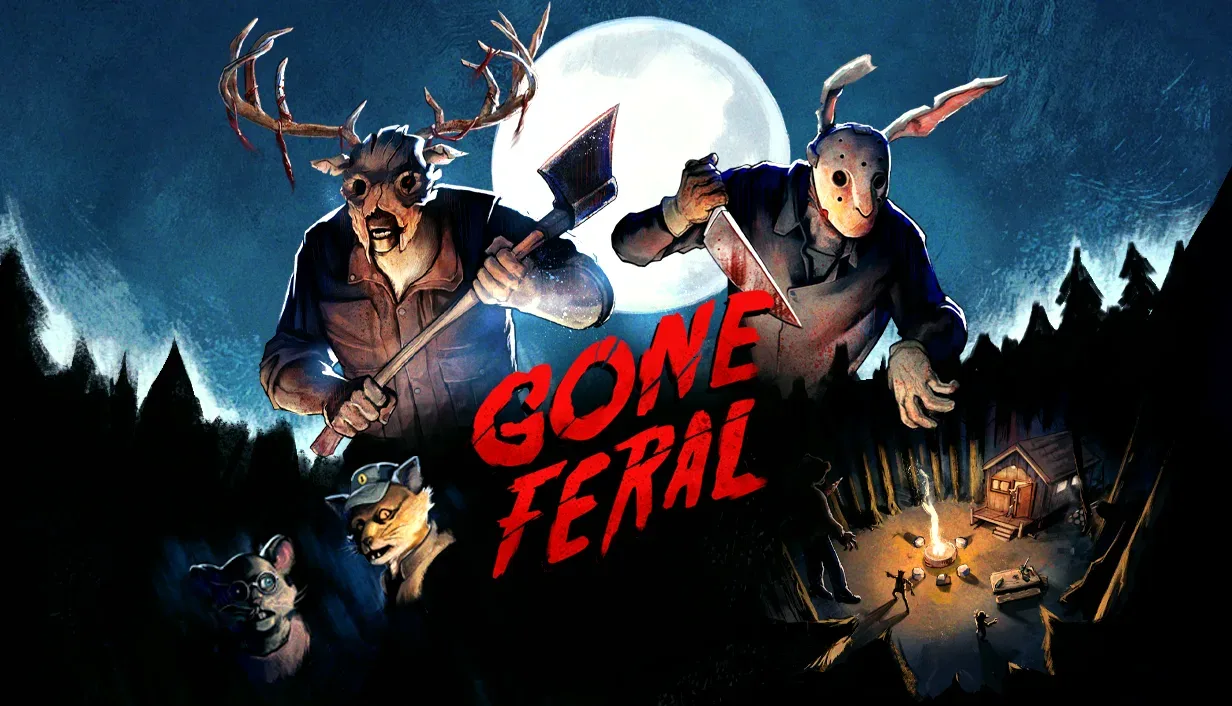
Gone Feral, the upcoming '80s-inspired analog slasher from developer Nate Purkeypile, is now holding a public playtest on Steam. The limited test is available until October 31, giving PC players an opportunity to try the game's villain-led stealth and stalking premise ahead of the full release.
Revealed during the PC Gaming Show, Gone Feral puts players in the role traditionally reserved for an '80s horror movie antagonist. Rather than attempting to survive a masked pursuer, players are asked to become the threat: hunt victims, close the distance without being detected, and use the environment to make each encounter count.
The playtest arrives with a simple but distinctive hook. Gone Feral is built around the fantasy of playing an analog-era horror villain, with stealth, disguises, improvised weapons, and online play forming the core of its announced feature set. The full game is also planned to support co-op, allowing friends to take part in the hunt together.
Become the horror villain
Slasher fiction has long supplied games with familiar imagery: isolated victims, tense pursuits, ominous hiding places, and the constant danger of being found. Gone Feral changes the player's perspective by putting them behind the pursuit. Its setup is not about escaping a killer; it is about stalking targets as one.
For useful background on this topic, read AION 2 Climbs to No. 1 on Steam's Global Top Sellers Chart Ahead of Launch.
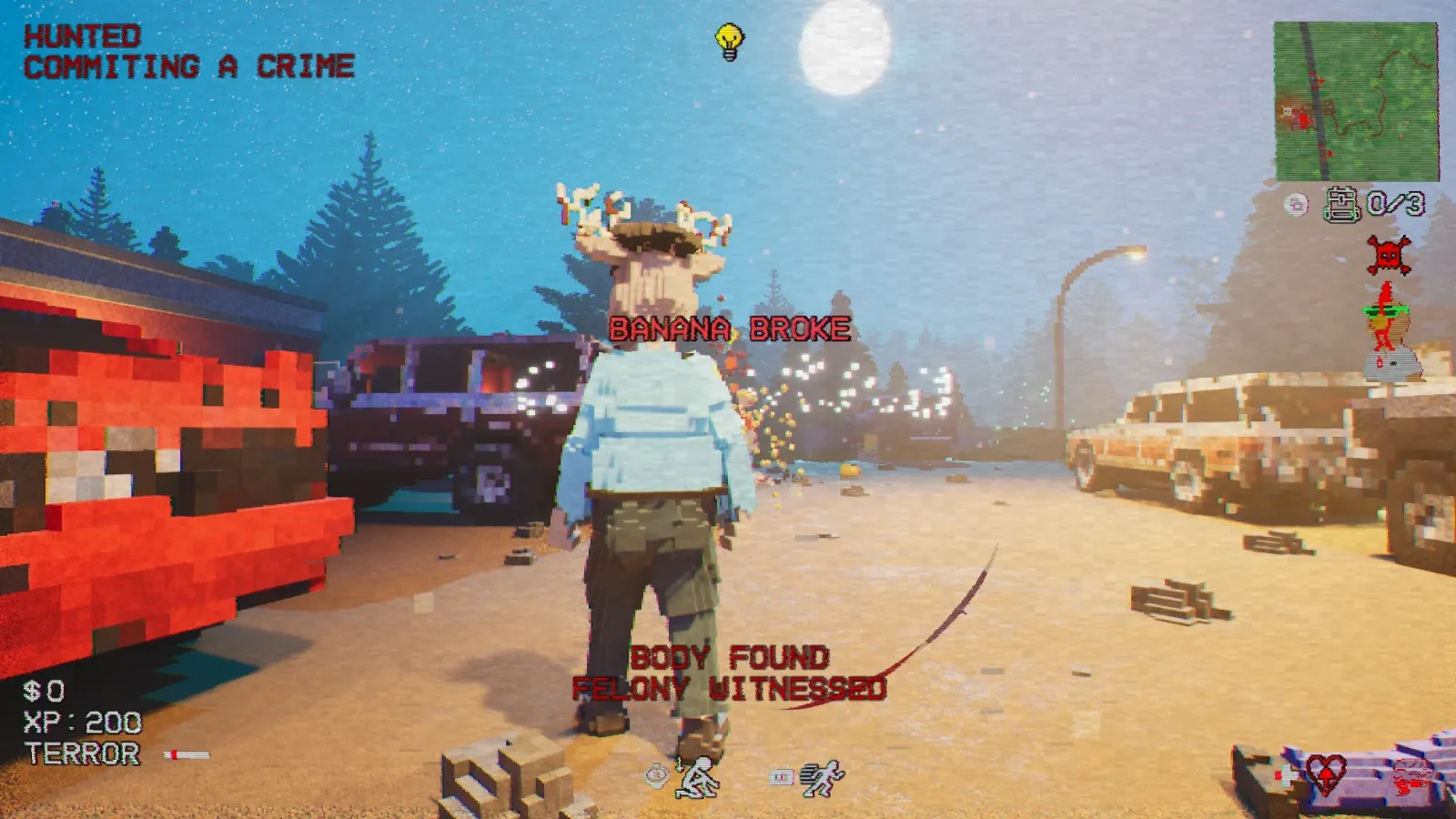
That role reversal gives the game a different kind of tension. The goal is not merely to rush at a target. Gone Feral emphasizes positioning and preparation, encouraging players to track victims, approach carefully, and corner them when the opportunity is right. The announced mechanics suggest that success will depend on making use of both the player's surroundings and the tools available during a hunt.
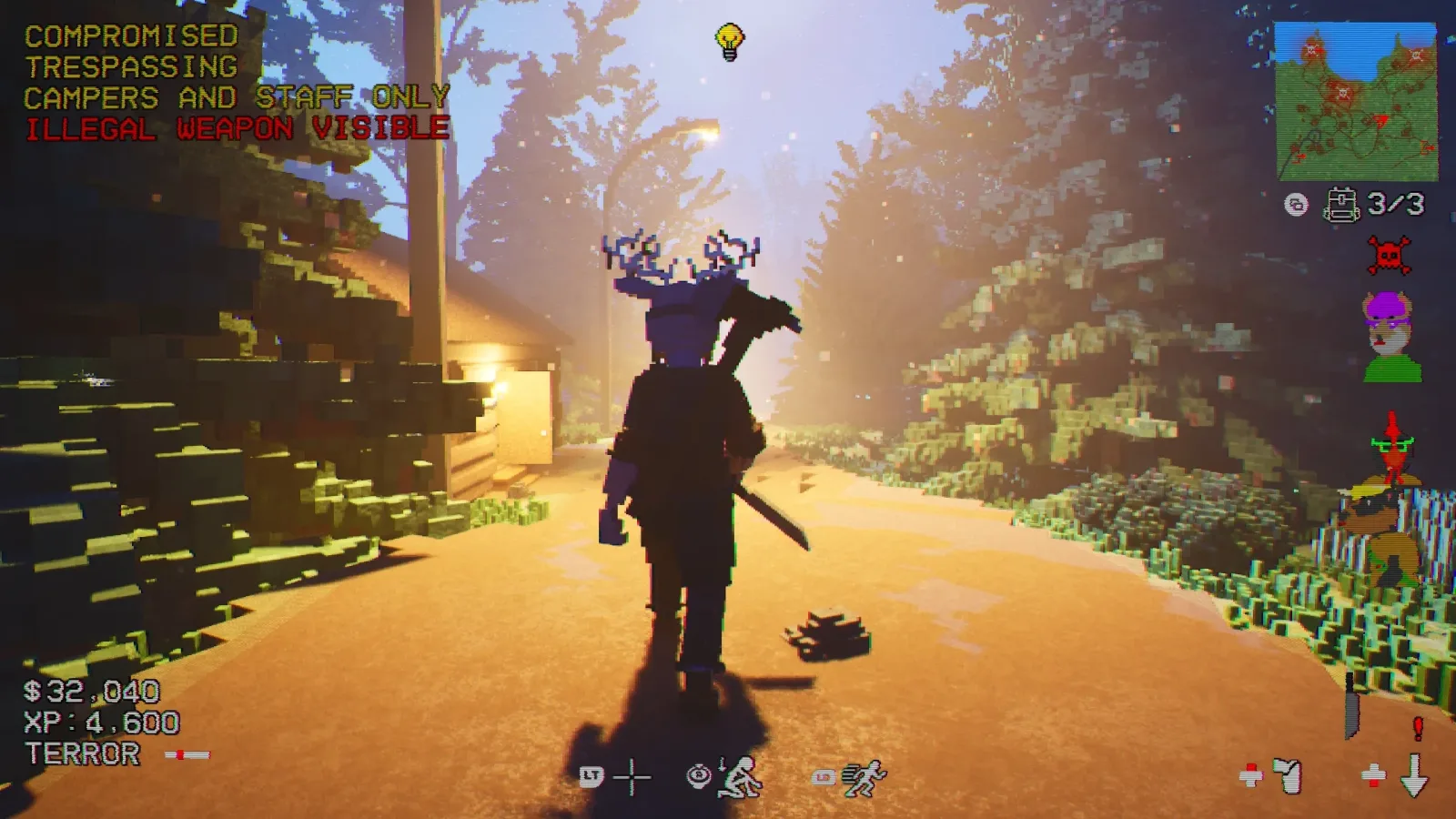
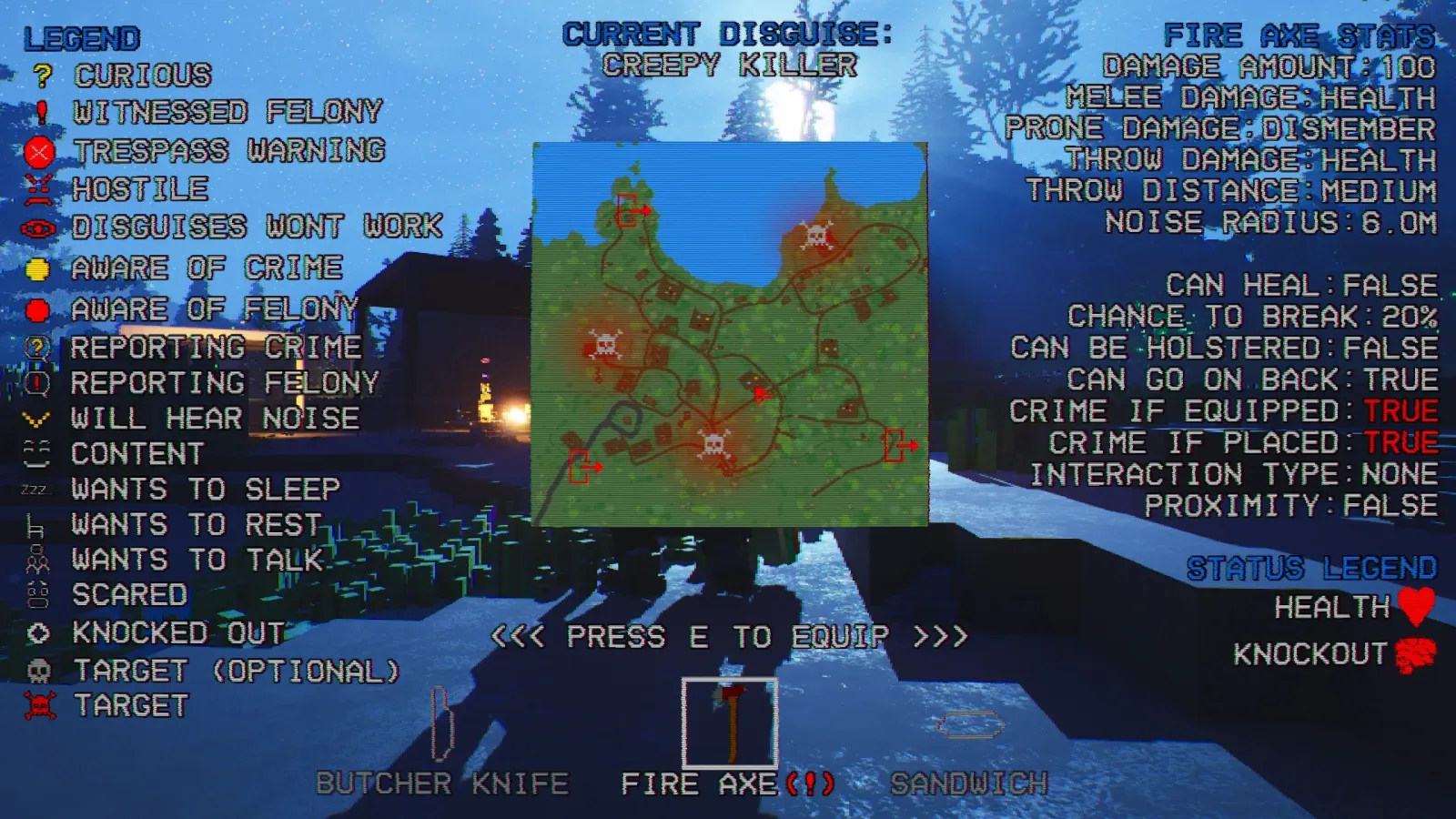
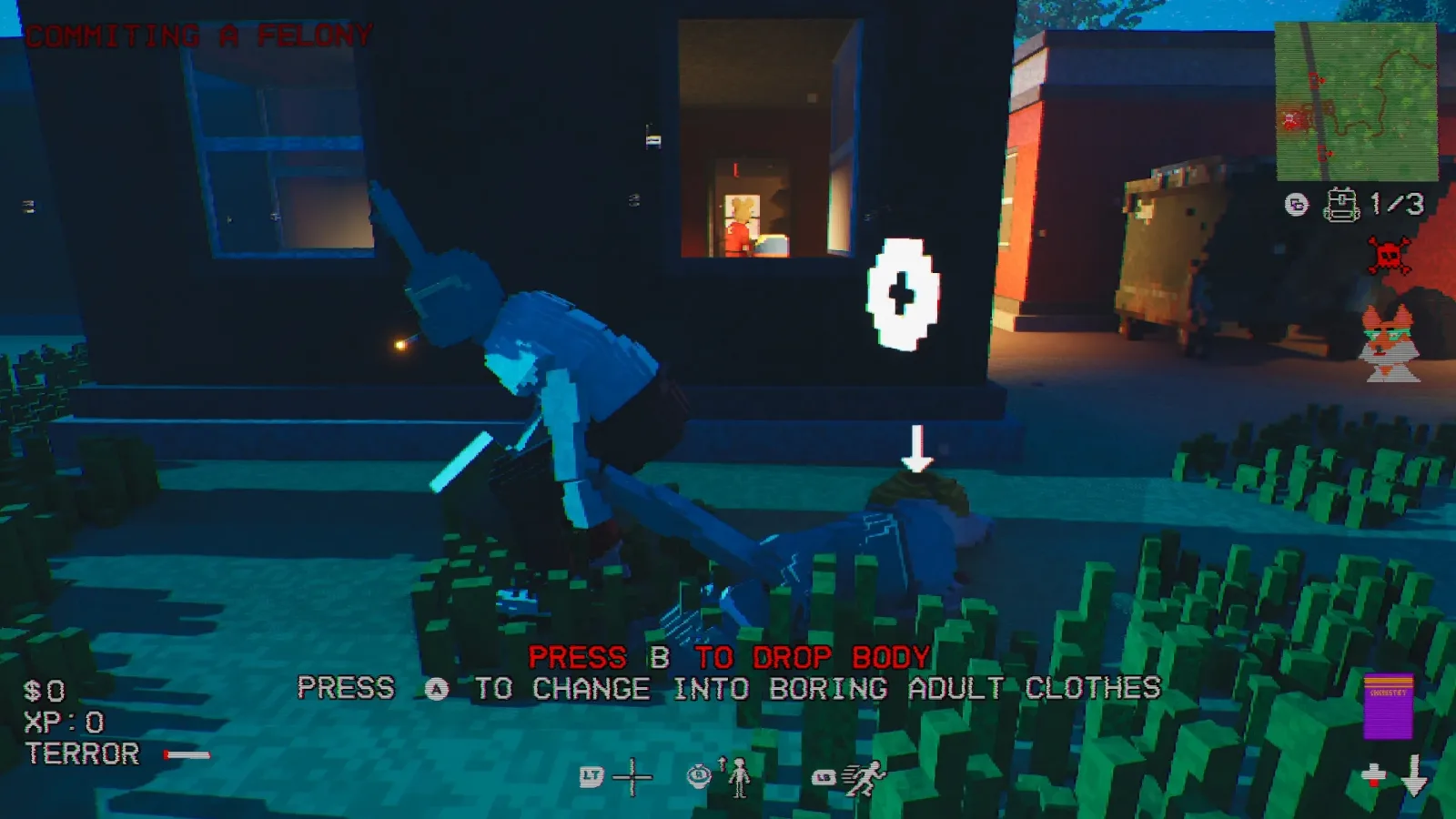
Stealth is a central part of that approach. Players can avoid immediate detection while moving toward a target, making the stalking element more important than a straightforward chase. Disguises are also part of the game's listed mechanics, offering another route to get close or misdirect victims before revealing hostile intent.
It is a premise that leans into the genre's recognizable cat-and-mouse structure while putting the player in control of the cat. The game's analog slasher framing and '80s influence point toward a deliberately stylized horror experience rather than a modern military or tactical interpretation of stealth action.
For another perspective on this story, read Gone Feral Steam Playtest Opens, Letting Players Try Its '80s-Style Slasher Setup Until October 31.
Everyday objects are part of the arsenal
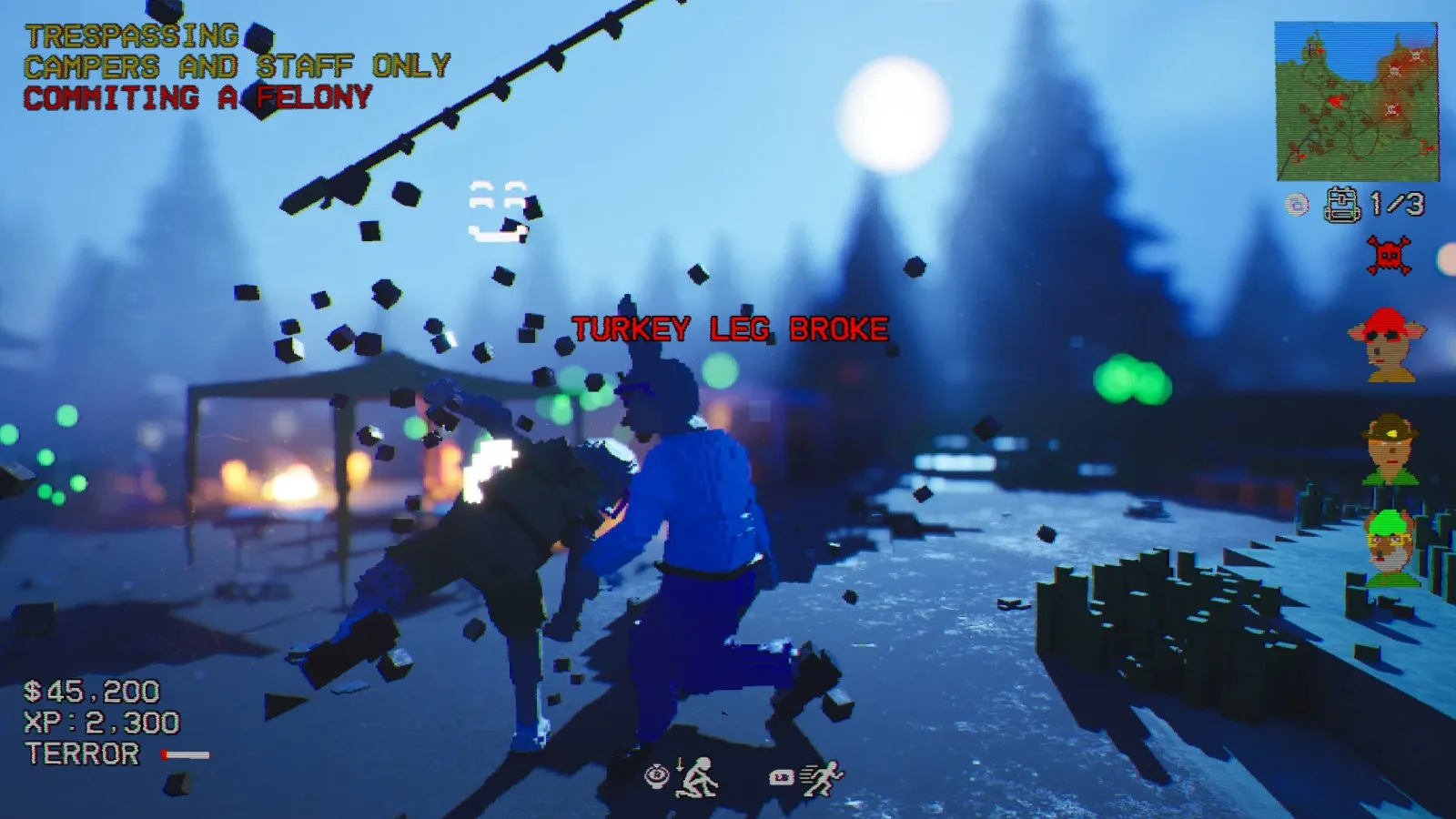
Gone Feral's other major gameplay pillar is creative violence through ordinary objects. The game highlights the use of everyday items as weapons, meaning players will not be limited to a conventional, fixed set of genre-standard armaments.
That detail fits the game's broader emphasis on improvisation. When a player is stalking someone through an environment, the objects found along the way can potentially become part of the plan. Rather than treating the world as background scenery, Gone Feral positions environmental items as tools that can help finish a hunt.
The announcement does not lay out a full list of usable objects or explain every interaction available in the public build. Still, the stated focus on creative kills establishes an important expectation for the game: its slasher fantasy is intended to be expressive. Players are expected to look for opportunities, use what is around them, and approach encounters in their own way.
Combined with disguises and stealth, the everyday-object weapon system could give individual pursuits a more varied rhythm. One player may rely on remaining unseen for as long as possible, while another may focus on setting up a close-range encounter after blending in. The public playtest is the first chance for players to see how those ideas work in practice.
Solo stalking and online play
The public Steam test supports playing Gone Feral solo or with friends online. That makes the early build useful for players who want to experience the game's horror-villain premise alone as well as groups interested in seeing how the concept changes when multiple people are involved.
Online co-op is also planned for the full game. Cooperative play can be a particularly notable fit for a game centered on stalking, trapping, and surrounding targets, since multiple players may be able to coordinate their movement and tactics. Specific co-op modes, team sizes, and progression details have not been announced, so players should view the test as an early look rather than a complete overview of the finished game's multiplayer plans.
The solo option remains equally important to the game's stated identity. Slasher horror often draws its power from isolation, patience, and the feeling that a target has nowhere safe to go. A single-player hunt can place more emphasis on observation and timing, while sessions with friends may create a more chaotic or collaborative version of the same idea.
Gone Feral's combination of solo and online play means its central systems are not framed around only one type of player. Those looking for a private stealth-horror session and those wanting to coordinate with friends are both included in the announced design.
An '80s analog horror identity
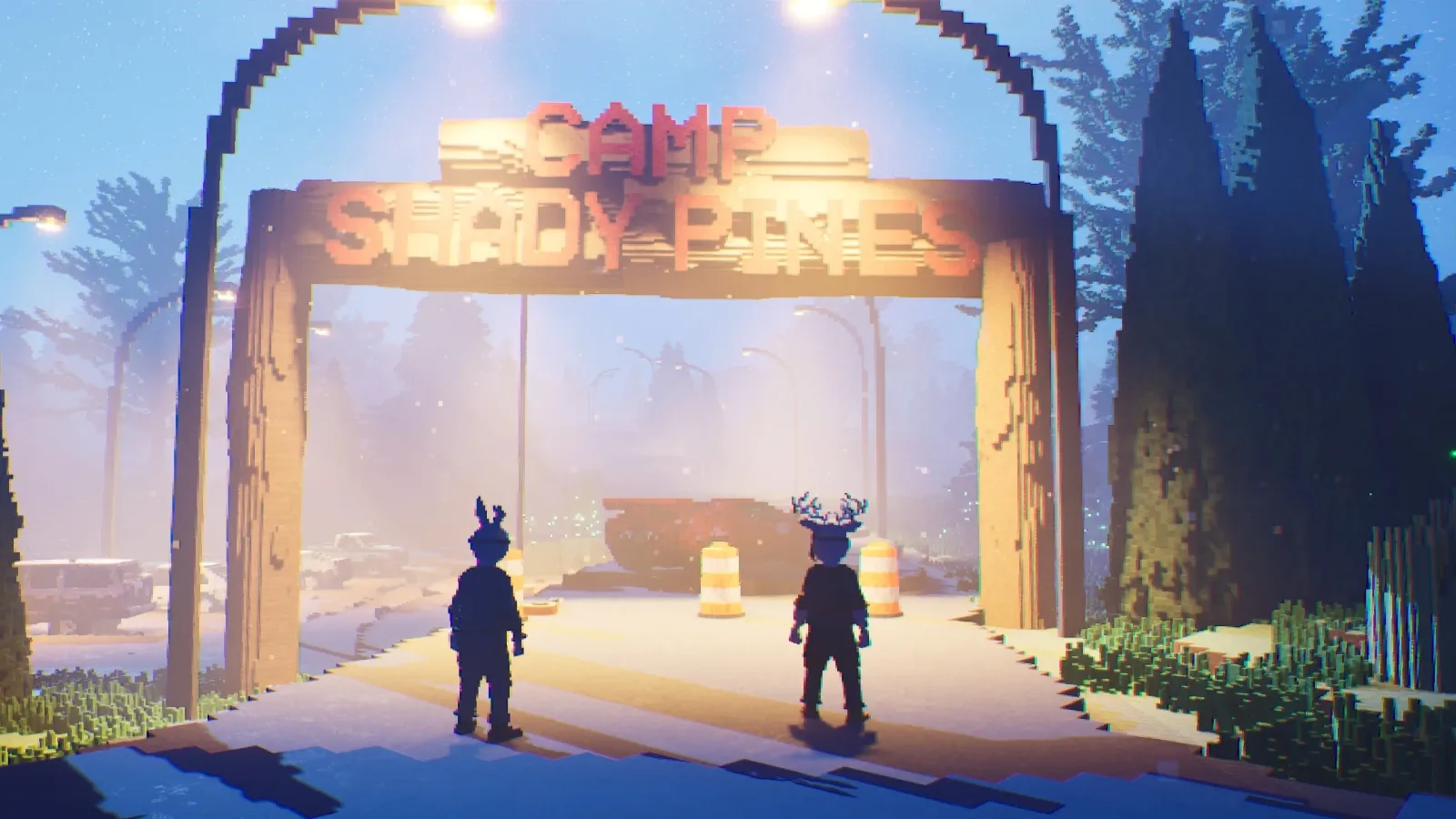
The game's presentation is rooted in an '80s-inspired analog slasher aesthetic. That description places Gone Feral in a horror tradition shaped by retro technology, rough-edged recordings, and the heightened visual language of genre cinema from the era. It also separates the game from horror titles that pursue photorealism or contemporary found-footage styling.
Its audio direction is set to support that mood as well. The full game will include a dark synthwave soundtrack from the composer behind Axis Unseen. Synth-driven music is a natural companion for an '80s horror concept, and the announced soundtrack suggests that Gone Feral is aiming for a consistent atmosphere across both its visuals and its sound.
There are still many details that have not been confirmed, including the full game's release date. But the available information makes the intended tone clear: Gone Feral is drawing from the stylized, unsettling side of retro slasher horror, then handing control of the stalker to the player.
What the Steam playtest means
Public playtests offer more than a preview for interested players. They can also give developers an opportunity to see how a game's central ideas hold up when placed in the hands of a wider audience. For a project like Gone Feral, that includes the balance between stealth, disguise use, improvised weapons, and the experience of playing alone or online.
Because the current Steam event is a playtest rather than the full release, players should not assume that every planned feature, mode, or piece of content is represented. The game's full launch remains listed as to be announced, and no release date has been provided.
Even so, the test gives Gone Feral an important early moment. Its concept is immediately legible to horror fans--play as the villain in an '80s-style slasher--but its longer-term appeal will depend on how much freedom and tension its systems create from one pursuit to the next. The emphasis on stealth and disguises suggests that the game wants its players to feel calculated rather than simply destructive, while the use of ordinary objects promises a more flexible approach to each kill.
How long players have to try it
The Gone Feral public playtest is currently open on Steam for PC and will remain available until October 31. Players interested in its retro horror tone, villain-focused structure, or planned co-op play have a limited window to try the early version.
For now, the test is the clearest way to get a hands-on sense of Nate Purkeypile's latest project. Gone Feral has outlined a focused set of ideas--be the slasher, stalk targets, hide in plain sight, improvise with the environment, and bring friends into the hunt--and the Steam playtest is where those ideas begin to take shape for the public.
With the full game still awaiting a launch date, the coming weeks will be the first real measure of how effectively its analog '80s horror style and asymmetric-feeling predator fantasy translate into play. Until October 31, PC players can step into the villain's role and find out for themselves.
Community
Discussion
Start the conversation.
No comments have been posted yet.