

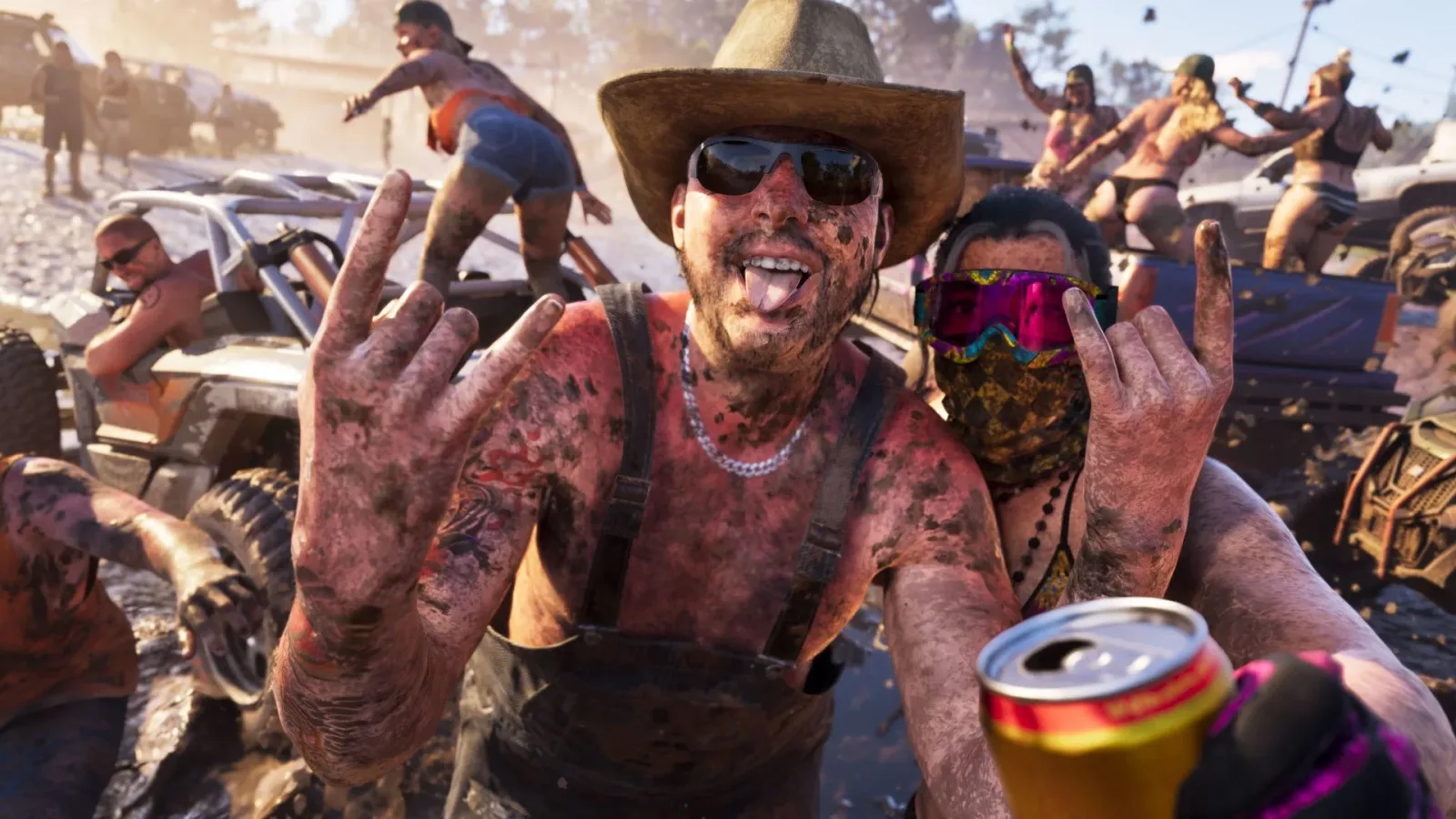
Grand Theft Auto 6 is expected to loom over November's game release schedule when it arrives on November 19, but its intimidating presence may have created unexpected opportunities for other major launches. With publishers moving games away from the month to avoid Rockstar's blockbuster, Nintendo's The Legend of Zelda: Ocarina of Time remake and Blizzard's World of Warcraft: Forever now enter a comparatively clearer window.
That does not mean the three games are competing in exactly the same way. GTA 6 is positioned as a huge premium release for PlayStation 5 and Xbox Series X, while the Ocarina of Time remake is a major Switch 2 release and World of Warcraft: Forever is arriving on PC. Yet the broader conversation around consumer attention, spending, hardware supply, and the crowded holiday season means that even games aimed at very different audiences can influence one another.
Mat Piscatella, games industry analyst at Circana, believes GTA 6 should be a major force for holiday spending and may ultimately benefit the wider business by attracting players and investment. At the same time, he sees a November landscape shaped by the widespread caution of publishers that do not want their releases buried under the cultural and commercial momentum surrounding Rockstar's open-world crime epic.
A month reshaped by GTA 6
GTA 6 is scheduled for November 19. Before it arrives, World of Warcraft: Forever is set for November 4, followed by the Ocarina of Time remake on November 8. Those dates put Blizzard and Nintendo's games well ahead of Rockstar's launch, and both have a strong platform-specific advantage that separates them from the direct console battle likely to surround GTA 6.
For useful background on this topic, read Wardogs CEO Defends Crunch During Early Access Push, Sparking Debate Over Studio Culture.
Many other games have shifted their dates out of November, whether by launching earlier, delaying into 2027, or otherwise avoiding the period around GTA 6. Piscatella says the motivation will naturally vary from one developer and publisher to another. Some may see genuine direct competition, while others may simply fear that attention for almost any new game will be consumed by the Grand Theft Auto conversation.
"I'm sure it's a little different for everyone who decided to move their game out," Piscatella said, pointing to either perceived direct competition or concern that Grand Theft Auto could leave little room for other launches to gain attention.
He also questioned whether every game needed to make that move. A cozy simulation, puzzle-platformer, walking simulator, or certain first-person shooters may not share much of an audience with GTA 6 on a title-by-title basis. But release-date planning is not just about identifying identical players. It is also about marketing costs, storefront visibility, social-media conversation, review coverage, streamers, and the limited amount of time people have to begin a new game.
That is why a game as large as GTA 6 can create a "blast radius" far beyond its obvious genre rivals. Even players who have no intention of buying it may see the game dominate advertising, online discussion, and retail displays. Publishers may reasonably decide that their own launch deserves a quieter moment, particularly if it relies on visibility in its opening days.
Why World of Warcraft: Forever may be insulated
World of Warcraft: Forever has a meaningful advantage in that it is launching on PC, where GTA 6 is not scheduled to release. Piscatella expects that difference to matter. Rather than forcing PC players to choose between two versions of the same type of experience on the same machine, the games are serving distinct ecosystems and habits.
That does not make the PC market uncomplicated. In fact, Piscatella stressed that there is effectively no truly open window on PC because of the immense number of games, long-running live-service titles, free-to-play options, and established communities competing for player time. Still, a high-profile World of Warcraft launch with no simultaneous GTA 6 release on the platform is in a much better position than it might have been if both games were chasing the same customers on PC.
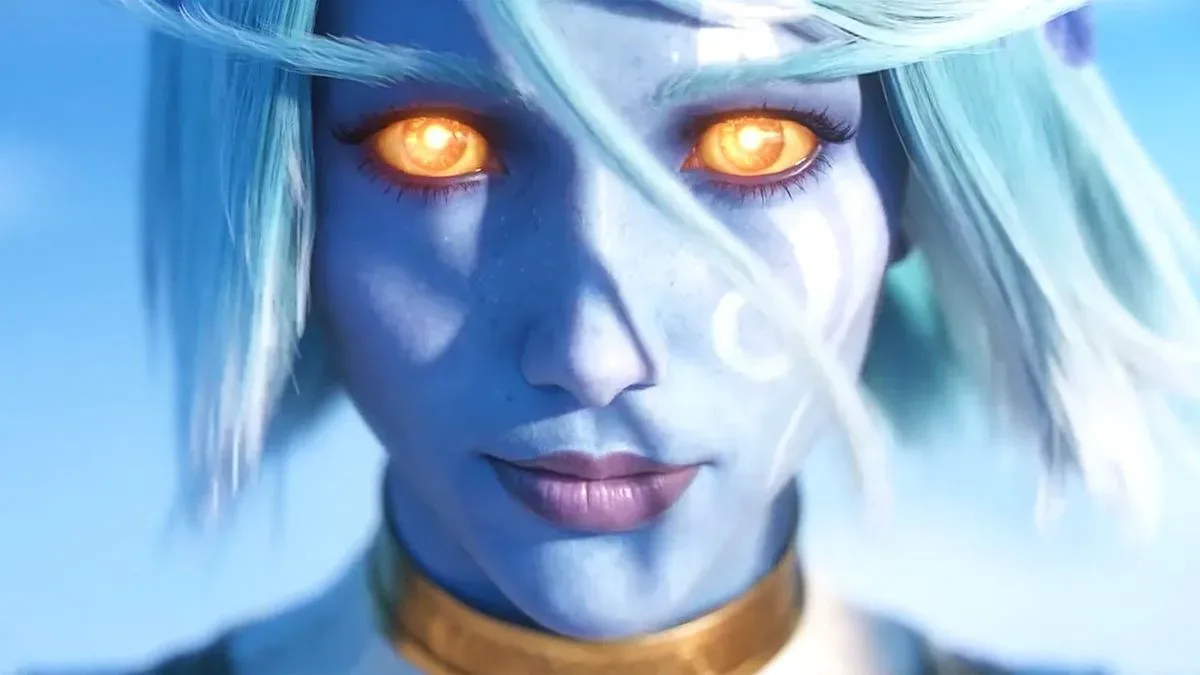
World of Warcraft: Forever also has momentum of its own. Piscatella described the game as a potential dark horse after its beta generated strong reactions and participation. That response appears to have elevated expectations beyond where they were before the beta, giving the project a stronger foundation heading into its November launch.
Like GTA 6 and Zelda, it can draw on nostalgia. World of Warcraft has decades of history behind it, and Forever's appeal is not solely about launching something new; it is also about reconnecting players with a familiar universe and the memories associated with it. That dynamic can bring back lapsed players while also creating curiosity among players who know the game's reputation but may not have been active in its community.
Nintendo's own window remains powerful
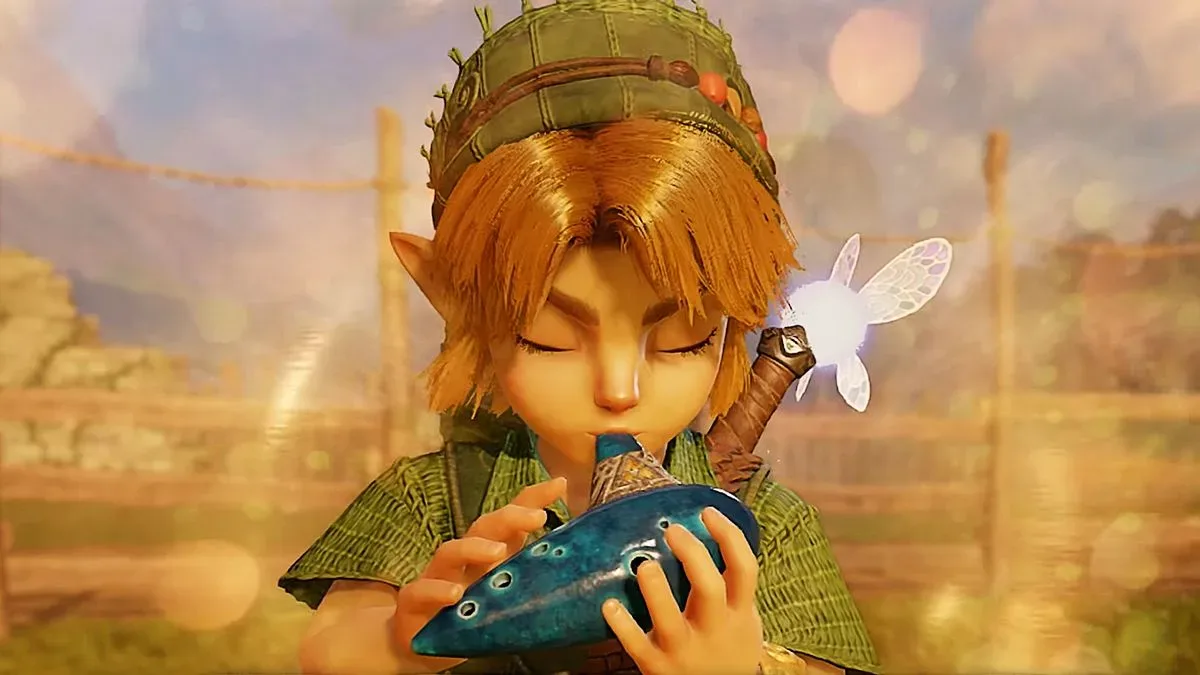
The Ocarina of Time remake has perhaps the clearest separation from GTA 6. It is the major Switch 2 game in November, and Nintendo's first-party releases traditionally operate with a substantial built-in audience on Nintendo hardware. Piscatella noted that first-party Nintendo games often have an inherently favorable opening because Nintendo platform owners primarily use those systems for that software ecosystem.
For Switch 2 players who are not invested in PlayStation or Xbox, GTA 6 may have little impact on their purchase plans. The new Zelda is the headline release on their preferred platform, backed by one of the medium's most famous games. A remake of Ocarina of Time brings both name recognition and an intergenerational audience that few releases can match.
There is still overlap, however. Circana's latest tracking indicates that about 15% of people intending to buy GTA 6 also intend to buy the Ocarina of Time remake. That result is a useful reminder that audiences cannot be reduced entirely to platform tribes or genre labels. Many players own multiple systems, follow multiple franchises, and are willing to spend on several large releases when their budgets allow.
GTA 6 and an Ocarina of Time remake could hardly look more different in tone, structure, presentation, and gameplay. One is a modern open-world crime saga; the other revisits a foundational fantasy adventure. Yet both are massive event releases with nostalgic pull, prestige branding, and broad appeal among older players who grew up with earlier entries in their respective series.
Nostalgia, hardware prices, and a premium audience
Piscatella sees common ground between the major November releases when looking at the market from a wider perspective. GTA 6, Ocarina of Time, and World of Warcraft: Forever all draw in some way on familiarity. Grand Theft Auto 6 arrives more than a decade after GTA 5, making the previous game old enough to have become a nostalgic reference point for a large share of its audience. Zelda revisits one of gaming's most celebrated classics, while World of Warcraft remains deeply tied to its long-running legacy.
These games also skew toward older segments of the market more than many family-focused or youth-driven releases. That matters in a period defined by elevated console prices, supply constraints, and wider component pressures, including the ongoing RAM crisis. Players able and willing to purchase premium hardware, games, and subscriptions are particularly important for this set of launches.
That combination could make November unusually strong at the top end of the market. GTA 6 is positioned to lead PlayStation 5 and Xbox Series X activity, Zelda gives Switch 2 owners a defining first-party release, and World of Warcraft: Forever can capture PC attention in a month where other publishers have chosen to step aside.
The real test is what happens around them
It would be too simple to call November empty. Modern games never release into a vacuum. New launches must compete with back catalogs, evergreen multiplayer games, subscription libraries, free-to-play giants, and the steady flow of games across digital storefronts. A shifted release date does not eliminate competition; it changes the type of competition a game faces.
Still, the concentration of three major releases in separate platform lanes makes this month especially notable. GTA 6 could dominate the broad mainstream conversation without directly preventing Switch 2 players from buying Zelda or PC players from committing to World of Warcraft: Forever. In some respects, the sheer scale of Rockstar's launch has encouraged competitors to clear the road for Nintendo and Blizzard as much as for GTA itself.
Piscatella's view is that the three games are well placed, while the wider impact remains uncertain: the industry will have to see how releases from September and October perform, and what becomes of games moved into January and February.
That later effect may be the most important part of the story. GTA 6's arrival could reshape not only November sales but also the performance of games that launched before it, as well as the crowded slate that forms after the holidays. Some delayed projects may find healthier conditions early next year. Others may encounter a new bottleneck as numerous publishers target the same supposedly safer months.
For now, the clearest takeaway is that GTA 6 has become more than one game on a release calendar. It is a market event. And while its size has prompted understandable concern across the industry, it may also have left Nintendo's Ocarina of Time remake and Blizzard's World of Warcraft: Forever with an unusually favorable chance to own their respective platforms before Rockstar takes over the holiday conversation.
Community
Discussion
Start the conversation.
No comments have been posted yet.