

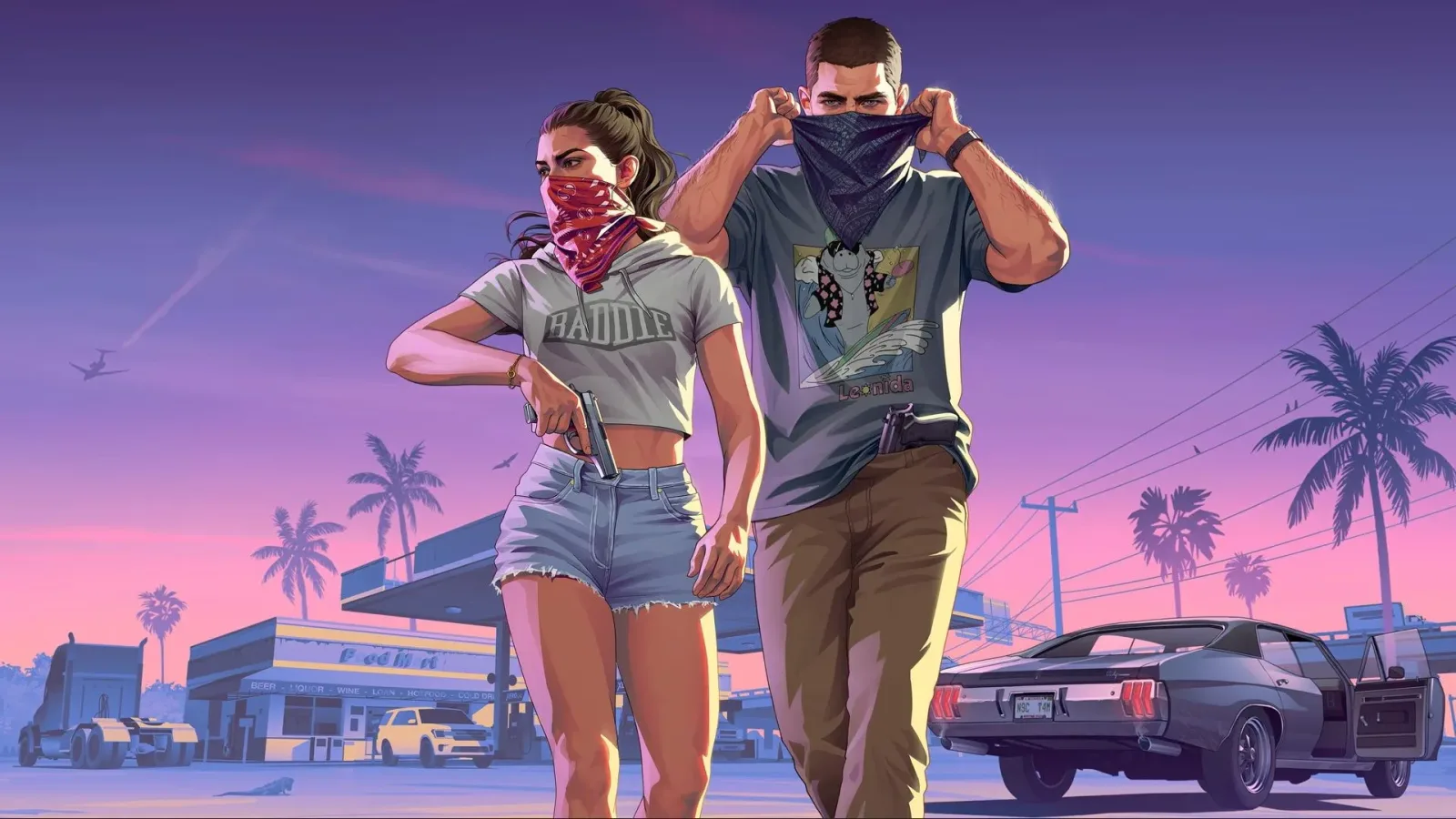
Grand Theft Auto 6 has always looked set to be a massive open-world crime game, but newly discussed details around its protagonists and world design suggest it may also be Rockstar's most role-playing-oriented release to date. Not necessarily an RPG in the traditional sense of experience points, elaborate stat screens, and character classes, but a game increasingly built around the choices players make, the relationships they shape, and the places they decide to explore.
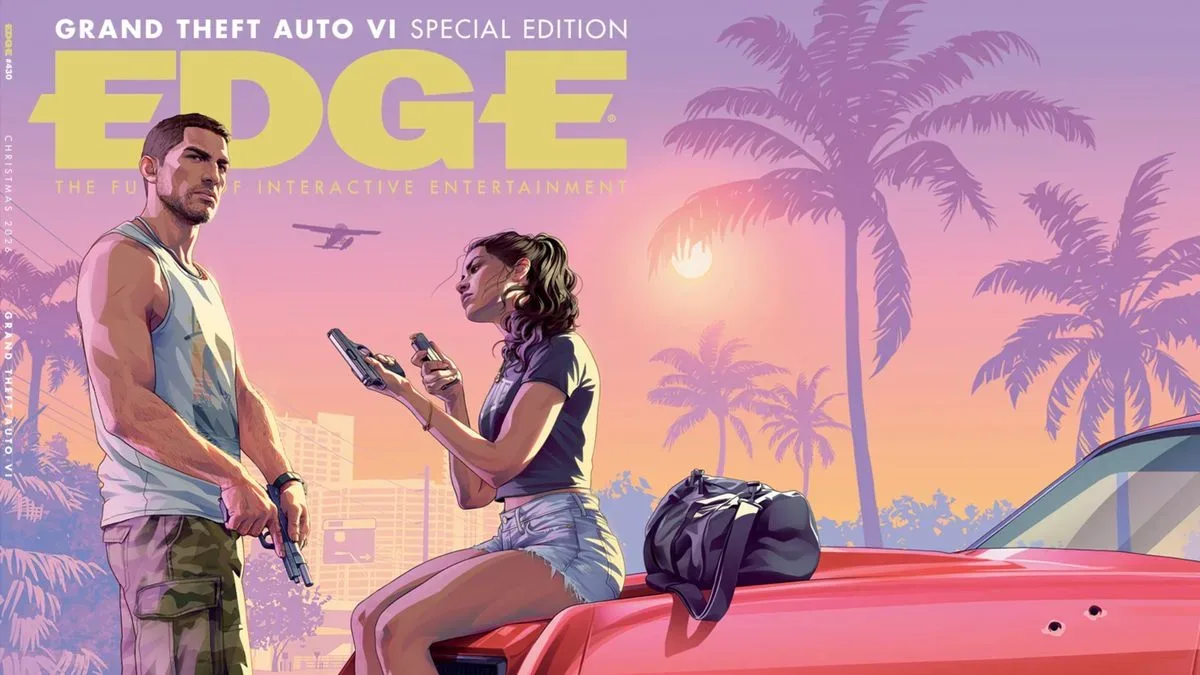
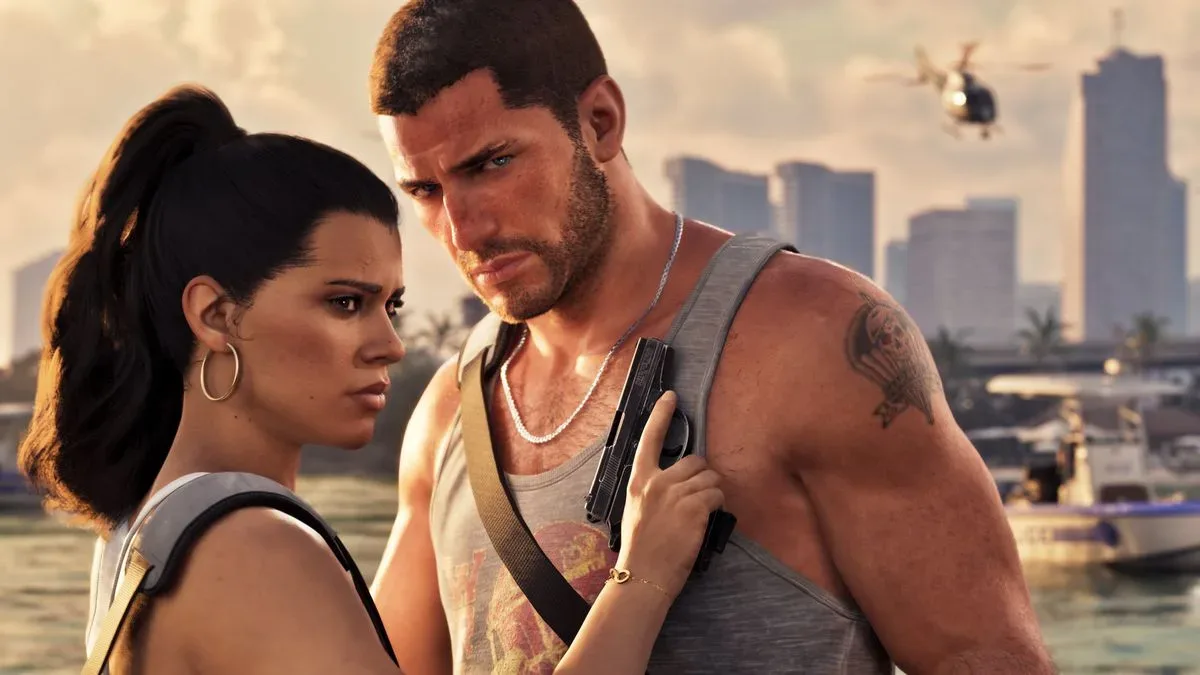
The most striking element is the dynamic between Jason and Lucia. Promotional material has heavily emphasized the pair's outlaw partnership and apparent romance, inviting easy comparisons to Bonnie and Clyde. Yet their relationship is not presented as a completely fixed narrative path. The two begin the game as exes who are considering whether to try again, and Rockstar lead Rob Nelson has indicated that their future together can be maintained or lost as the story progresses.
That is a potentially major change in tone for a series traditionally defined by authored protagonists and carefully controlled criminal narratives. Grand Theft Auto has offered open cities for decades, but the emotional direction of its central stories has generally remained in Rockstar's hands. GTA 6 appears positioned to give players a more meaningful say in the context surrounding its main plot: not just what trouble Jason and Lucia get into, but what they mean to one another while doing it.
A relationship that belongs to the player
The possibility that Jason and Lucia can remain romantic partners, become allies, or break apart makes their pairing more than a marketing image. It turns their dynamic into something players may need to actively define. A robbery or escape could carry a different emotional weight depending on whether the characters are trying to repair a damaged relationship, working strictly as trusted criminal associates, or struggling through a split.
For useful background on this topic, read SUMEE! Brings a Wii-Inspired Multi-System Emulator Interface to iPhone.
Details remain limited, and Rockstar has not laid out exactly how the system will operate. There is no confirmation of a branching narrative map, a numerical affinity meter, or a sprawling set of romance routes in the style of a conventional role-playing game. Still, the central idea matters. If players can influence how much Jason and Lucia care for, resent, trust, or miss each other, then their decisions may shape the lens through which the broader story is experienced.
That is the kind of agency often associated with RPGs. The genre is broad, of course, and not every role-playing game gives players extensive control over romance or friendships. But choice and consequence have long been central to the appeal of many of its best-known examples. Players do not only complete a sequence of missions; they build a version of the character, party, or world that feels partly their own.
GTA 6 may be applying that philosophy to a series that has usually operated differently. The player has always had freedom in a Grand Theft Auto city: freedom to wander, cause chaos, take on side activities, and approach some encounters creatively. But those freedoms have existed alongside protagonists with established personalities, priorities, and destinies. Jason and Lucia's less rigid relationship could push the new game closer to a hybrid model, where an authored crime saga leaves extra room for personal interpretation and player influence.
From alternate endings to ongoing agency
Rockstar has experimented with player decision-making before. Grand Theft Auto 5, for example, gave players a choice between three endings. That was a notable moment for the franchise, though it came near the conclusion of a largely fixed story. The protagonists' relationships, conflicts, and trajectories were overwhelmingly determined by the script until that final decision.
The approach described for GTA 6 sounds more embedded in the journey itself. Rather than simply making one decisive call at the end, players may be able to affect the state of the game's core partnership over time. If that is how the system functions in practice, it could make Jason and Lucia's story feel more responsive long before the credits approach.
There is an important distinction here. A game does not need to abandon authored storytelling to offer meaningful player choice. In fact, the most memorable interactive narratives often use a strong premise and sharply defined characters as their foundation. The question is whether decisions produce enough reactivity for players to feel that their version of events has a distinct identity.
GTA 6's two-protagonist setup may be especially suited to that balance. Jason and Lucia can have their own histories, motivations, and voices while still leaving space for players to influence the terms of their connection. The result could be more nuanced than simply selecting a romantic option from a menu. Their bond could be reflected through missions, dialogue, shared activities, tension, trust, or the consequences of criminal choices.
None of that has been fully detailed yet, so expectations should remain measured. It is possible the relationship outcomes will be contained within a more focused framework than fans imagine. Even so, Rockstar's willingness to identify the relationship as something players can keep or lose is notable. It signals that the studio sees the duo's personal life as an interactive part of the experience rather than background flavor.
Discovery as a core part of the world
The other major clue comes from Rockstar's stated interest in a Skyrim-like sense of discovery. The comparison is not necessarily about dragons, swords, or fantasy-style questing. It is about the feeling that players can head in a direction, arrive at an unplanned location, and find something worth engaging with.
Rockstar has said players can go anywhere, including random locations. Taken at face value, that points to an open world designed to reward curiosity rather than functioning only as scenery between mission markers. Grand Theft Auto games have always included side activities, secrets, ambient events, and memorable places, but GTA 6 appears to be emphasizing the act of discovery as a defining design goal.
This is another area where RPG sensibilities can overlap with the open-world sandbox formula. A compelling role-playing game often invites players to create their own stories through detours: investigating a strange building, stumbling into a local dispute, meeting a character away from the critical path, or pursuing a task simply because it looks intriguing. A sense of freedom is not just about map size. It depends on the belief that an unexpected turn may lead somewhere meaningful.
For GTA 6, that could make its setting feel less like a giant stage for missions and more like a place players inhabit. The source details also point to broader lifestyle simulation features and video-game versions of social media. Those systems could help make the world feel reactive and contemporary, particularly if they intersect with Jason and Lucia's evolving relationship or with the player's activities across the city.
RPG-lite may be the most useful label
Calling GTA 6 an RPG outright may still be premature. The franchise remains rooted in action, driving, shooting, crime, satire, and open-world exploration. There is no indication that Rockstar is replacing those pillars with the familiar progression structures associated with games built around character levels, equipment builds, or skill trees.
But genre labels are not rules, and they can become unhelpful when they obscure meaningful change. "RPG-lite" may be a more accurate way to describe the direction currently suggested by the available details. The game could retain Grand Theft Auto's unmistakable identity while drawing more strongly from role-playing ideas: decisions that affect relationships, personal ownership over a protagonist's story, systems that support everyday life in the world, and exploration encouraged by discovery instead of obligation.
That blend would fit where the series has been heading for years. Grand Theft Auto's worlds have grown denser, its character writing more ambitious, and its optional activities more elaborate. GTA 6 seems poised to expand the question of what players do with that freedom. Instead of only choosing which vehicle to steal or which distraction to pursue, they may have more influence over the human stakes at the center of the game.
Jason and Lucia's story is therefore more important than a simple romance subplot. Their relationship could become the mechanism through which Rockstar tests a more flexible kind of Grand Theft Auto narrative. If players truly can determine whether the two reconcile, remain close allies, or separate, the game may offer a level of personal expression that the series has only touched on before.
With GTA 6 nearing its November launch window, there is still plenty Rockstar has not revealed. The extent of branching, the exact impact of relationship choices, and how the open world's discovery systems will function all remain open questions. Yet the details discussed so far paint a clear picture of ambition. GTA 6 is not merely attempting to make its city bigger or its criminal set pieces louder. It appears to be trying to make the player's place within that world feel more individual.


Community
Discussion
Start the conversation.
No comments have been posted yet.