

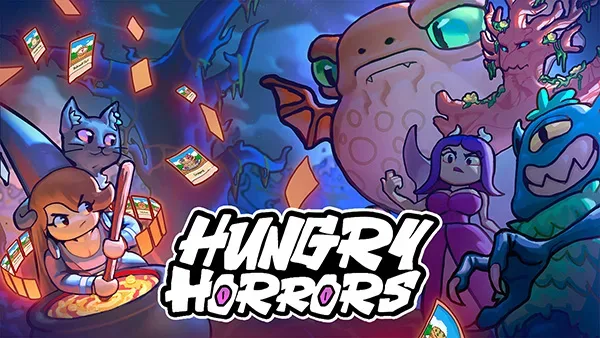
Hungry Horrors, the folklore-inspired cooking deckbuilder from Clumsy Bear Studio, has officially launched in version 1.0 on Steam. The release brings the game out of Early Access following roughly two and a half years of development, completing a peculiar card-based adventure in which the answer to a frightening monster is not a sword, spell, or well-timed dodge. It is dinner.
The full launch arrives during Steam Cooking Fest, where Hungry Horrors is discounted by 20% from 12 October through 19 October. That promotion takes the price to under $12 during the event. The game is also featured as part of the festival and is included in 28 bundles alongside other titles.
At launch, Hungry Horrors carries a 98% Very Positive player rating on Steam. That response reflects the appeal of a premise that blends deckbuilding strategy with a playful interpretation of British and Irish mythology: players are not trying to destroy the threats in front of them, but to keep them full before they become hungry enough to eat the player instead.
A deckbuilder where every card is a meal
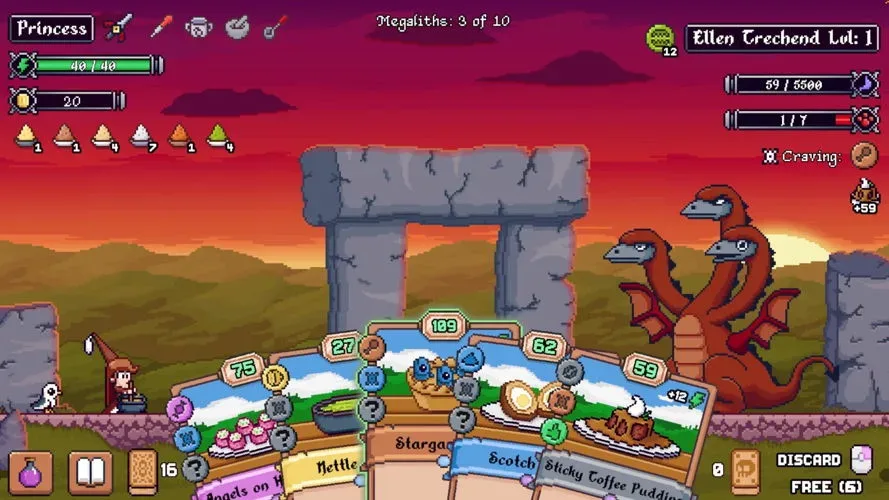
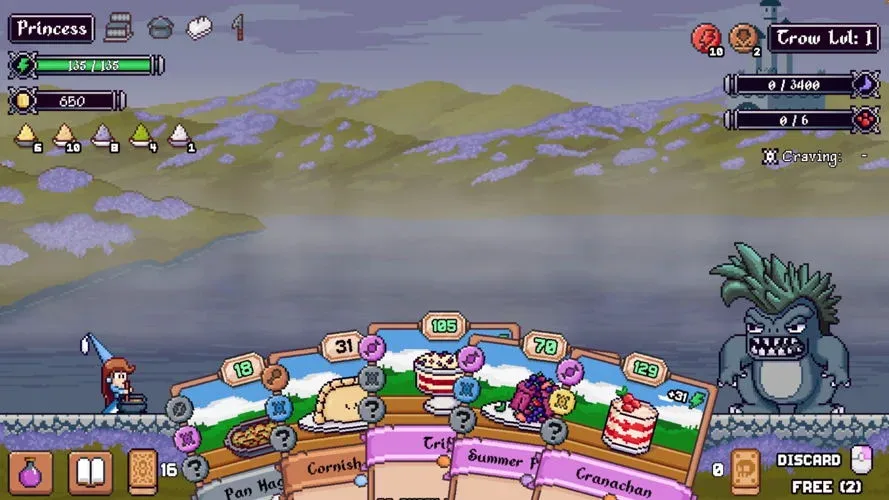
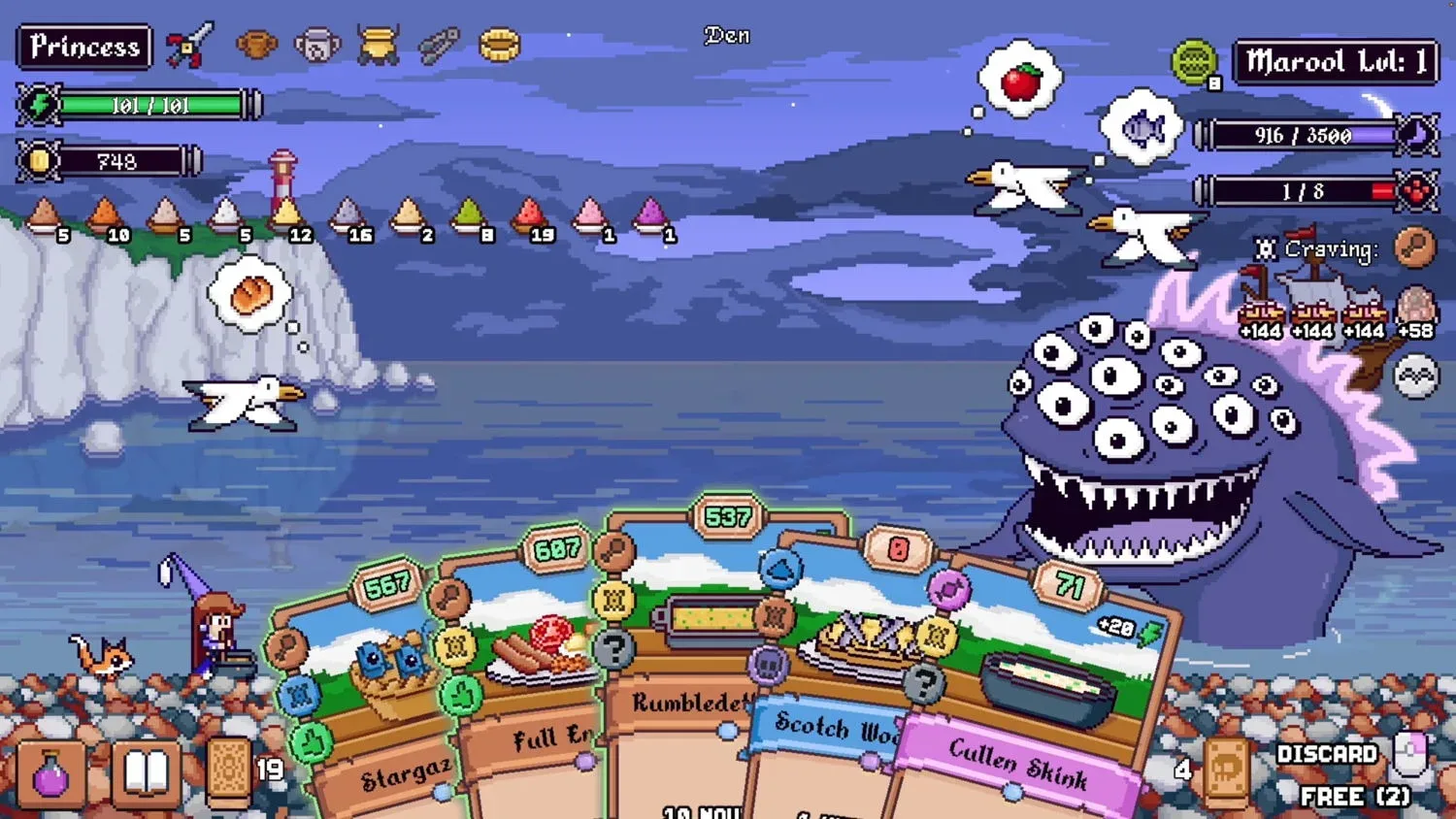
Hungry Horrors is structured around encounters with supernatural beings known as Horrors. Each confrontation is effectively a culinary race. A player's deck contains dishes, and each card played represents a meal served to the creature. The objective is to manage available food, card effects, and the monster's appetite well enough to survive the encounter.
For useful background on this topic, read SimRacing Expo Frankfurt Promises Nine World Premieres and Assetto Corsa EVO Free Roam Trial.
That inversion gives the game a noticeably different flavor from combat-focused roguelikes and deckbuilders. Rather than calculating damage totals against an enemy's health bar, players need to think about what will satisfy a particular Horror, how quickly its danger escalates, and whether they can assemble the right sequence of dishes before the creature reaches them.
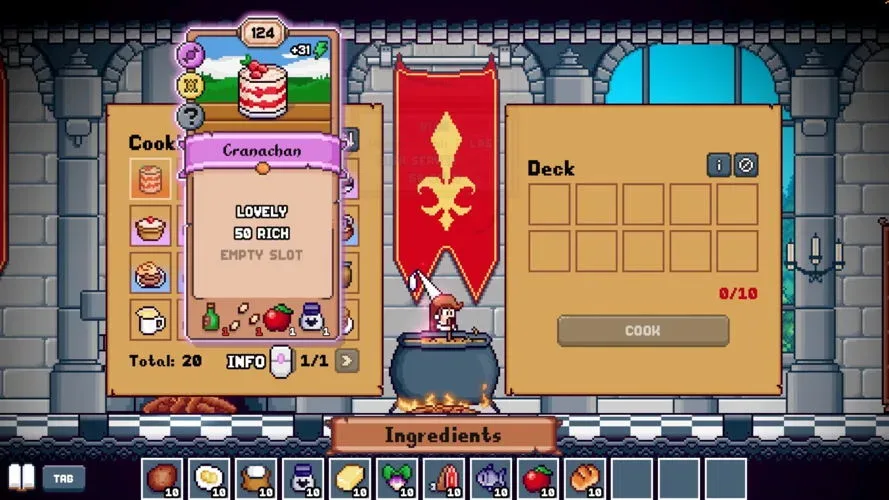
The full release includes 62 playable dishes, with recipes drawing inspiration from traditional British and Irish food. Those dishes form the core of each run, but they are not the only factors shaping a strategy. Seasonings, cookware, potions, and artefacts can alter how a deck performs, providing ways to modify meals, change card interactions, or adapt a build to a difficult encounter.
For a game built around food, that wider set of systems is important. A successful run is not simply about serving the largest available meal. Players must build a deck with enough consistency to handle increasingly demanding foes, while choosing rewards and tools that support a particular approach. The result is intended to retain the planning, chance, and replayability associated with roguelike deckbuilders while giving those familiar systems a culinary identity.
For another perspective on this story, read Hungry Horrors Reaches 1.0 on Steam.
British and Irish folklore takes the menu
The 1.0 version offers eight playable biomes drawn from across the British Isles. Across those regions, players can meet 34 folklore Horrors, including the headless rider known as the Dullahan, the water-dwelling Jenny Greenteeth, and the fairy queen Queen Mab.
These creatures are not just decorative references. Their presence establishes the game's unusual stakes and helps distinguish encounters from one another. A monster's hunger is central to the challenge, so the creature on screen is also the immediate problem that a player's deck needs to solve. The folklore framework allows the game to lean into the strange, eerie, and occasionally comic qualities of its setting without abandoning its food-driven focus.
There are also 13 legendary characters to encounter, among them Herne the Hunter and the Wulver. Together with the biomes and monster roster, these figures give Hungry Horrors a broad selection of mythological material to work with across repeated runs.
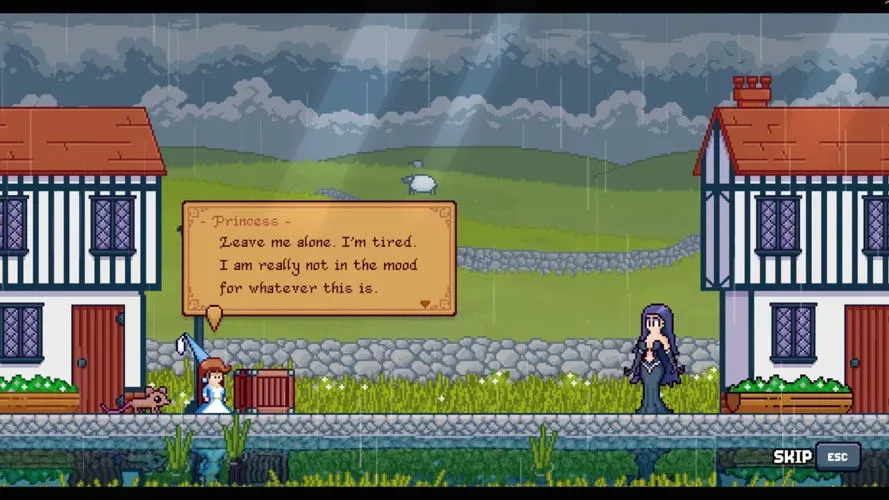
The narrative follows a spoiled princess who must learn to cook in order to save her kingdom. Her guide is a sharp-tongued cat, a companion that both instructs her and delivers regular roasting along the way. It is a fitting setup for a game that treats cooking as heroic preparation, personal growth, and an emergency defense against creatures with dangerous appetites.
Campaign progression and a harder Banquet challenge
Version 1.0 includes two primary ways to play. Campaign mode is the main route through the adventure and can be tackled on either Vanilla or Spicy difficulty. Those options offer players a choice in how demanding they want the central journey to be, whether they are learning the food-and-folklore systems or looking for a greater challenge.
The other mode is Banquet, described as a shorter and tougher roguelike mode. That format should suit players who want a more concentrated run, with the usual pressure of making smart decisions from limited resources but without committing to a longer campaign session.
Longer-term advancement is handled through the Book of Taliesin, Hungry Horrors' meta-progression system. Meta progression has become a key feature in many run-based games because it gives repeated attempts a sense of continuity. Even when a particular journey ends badly, players can still work toward broader unlocks or improvements that affect later runs. In a game with many dishes, equipment types, creatures, and regions, that kind of progression can also encourage experimentation beyond a player's first successful strategy.
Failure has been given its own touch of personality as well. Hungry Horrors features 33 unique death animations, an unusually specific detail that suggests the developers have treated defeat as part of the game's presentation rather than a simple reset screen. Since the premise involves starving supernatural creatures that eventually feed on the player, the variety is especially appropriate.
Full 1.0 feature set and Steam Deck support
The launch version brings together the game's major systems after its Early Access period: eight biomes, 34 Horrors, 62 dishes, 13 legendary characters, assorted seasonings and tools, two game modes, and meta progression through the Book of Taliesin. The game also includes an original score composed by Henry Taylor.
On the accessibility and control side, Hungry Horrors is Steam Deck Verified. It supports full controller input, as well as mouse-only and keyboard-only play. That range of control options matters for a card game, where some players prefer the direct point-and-click feel of a mouse while others want to play entirely with a controller or handheld device.
Steam Deck verification in particular gives the game a natural fit for portable sessions. Roguelike deckbuilders often work well in shorter bursts: a player can begin a run, work through a few encounters, then return later. Banquet mode's shorter and harder structure may be especially appealing for that style of play, while Campaign mode offers a more extended progression path for players settling in at a desktop or on a handheld.
A distinct approach to monster encounters
Hungry Horrors enters 1.0 with a concept that is immediately understandable but broad enough to support strategic depth. Most fantasy games frame mythical beasts as obstacles to defeat through force. This one turns them into demanding diners. The threat remains real, but the player's response is hospitality under pressure.
That contrast is the game's clearest identity. A Dullahan or Queen Mab encounter may sound threatening on paper, yet success comes from understanding a menu, using kitchen tools wisely, and making the next course arrive before the Horror's hunger becomes fatal. Combining that premise with traditional recipe inspiration and a British-and-Irish folklore setting gives the release a more specific personality than a conventional fantasy deckbuilder.
With its complete feature set now available on Steam, Hungry Horrors gives players a finished version of its culinary roguelike formula. Those interested in trying it during Steam Cooking Fest can do so while the 20% launch discount remains active through 19 October.

Community
Discussion
Start the conversation.
No comments have been posted yet.