

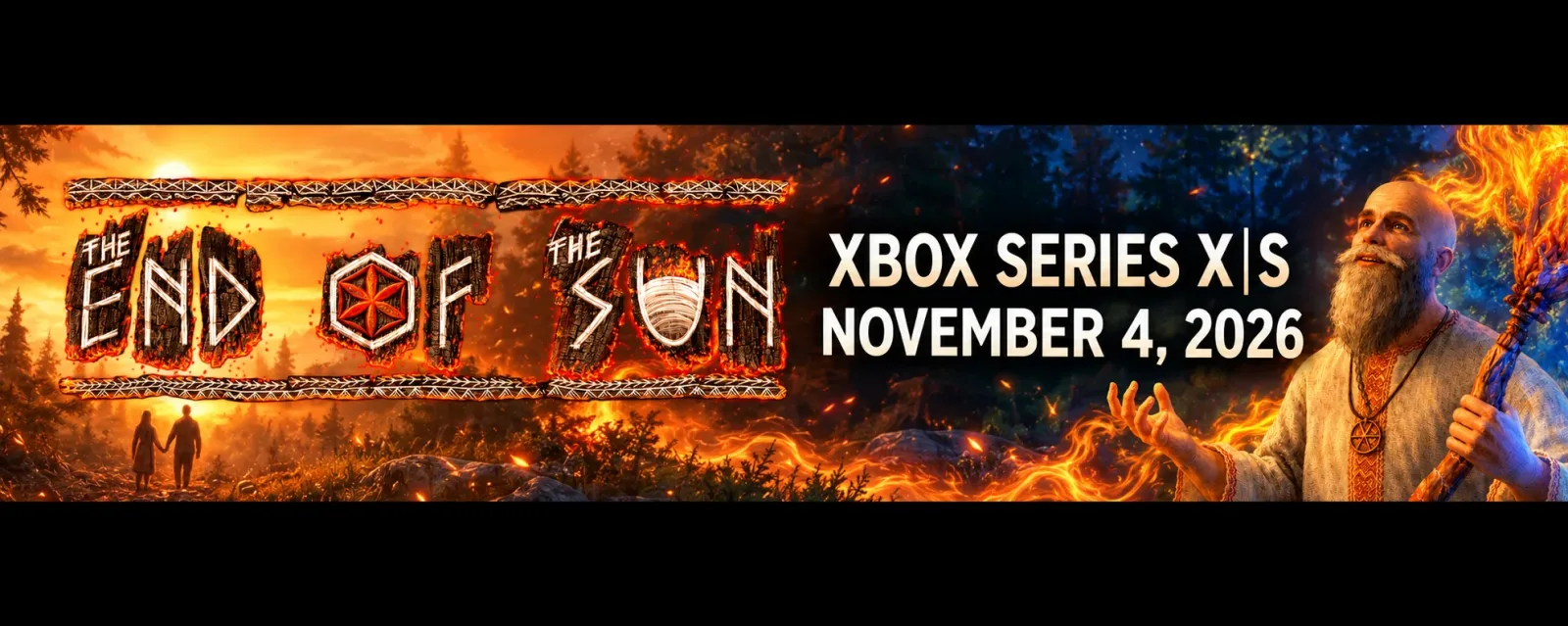
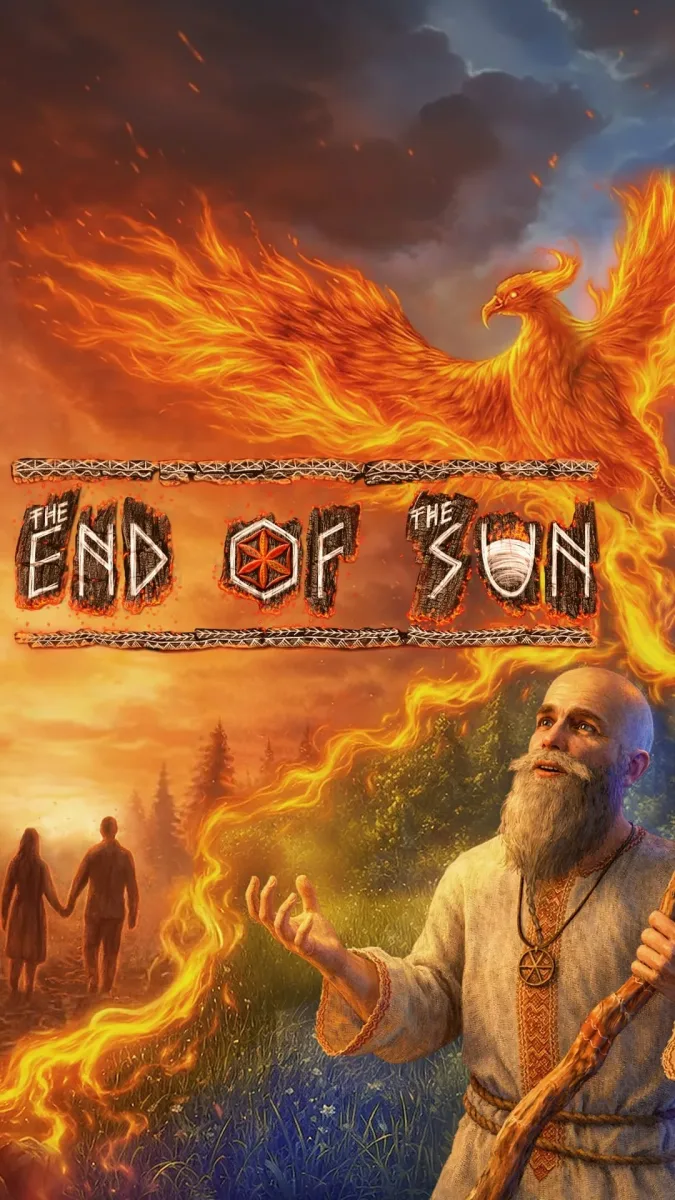
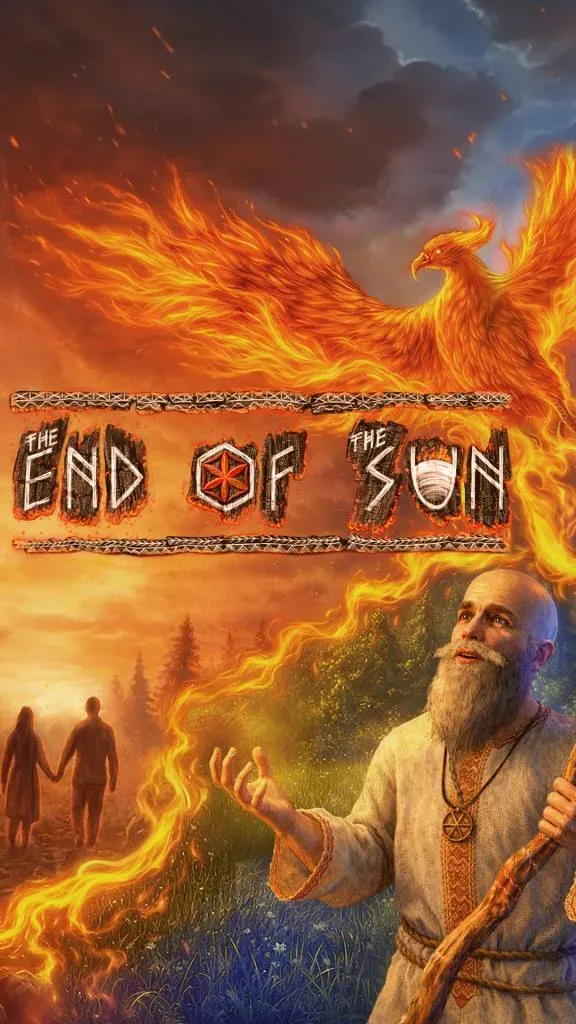
The End of the Sun will arrive on Xbox Series X|S on November 4, 2026. Published by IMGN.PRO and developed by The End of the Sun Forge, the first-person adventure places players in a village steeped in Slavic folklore, where the landscape, its people, and the answers to a growing mystery all shift depending on the point in time being explored.
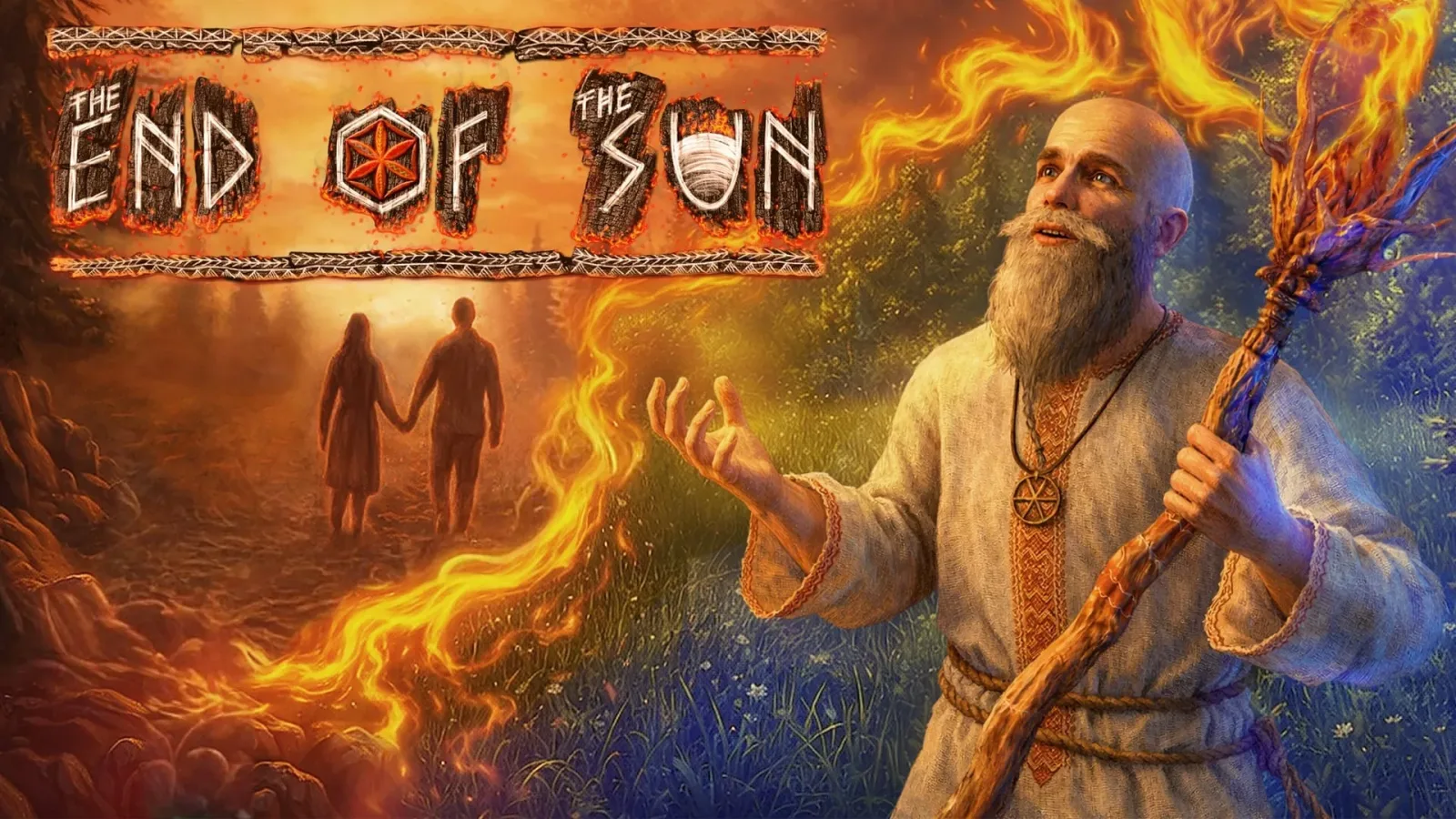
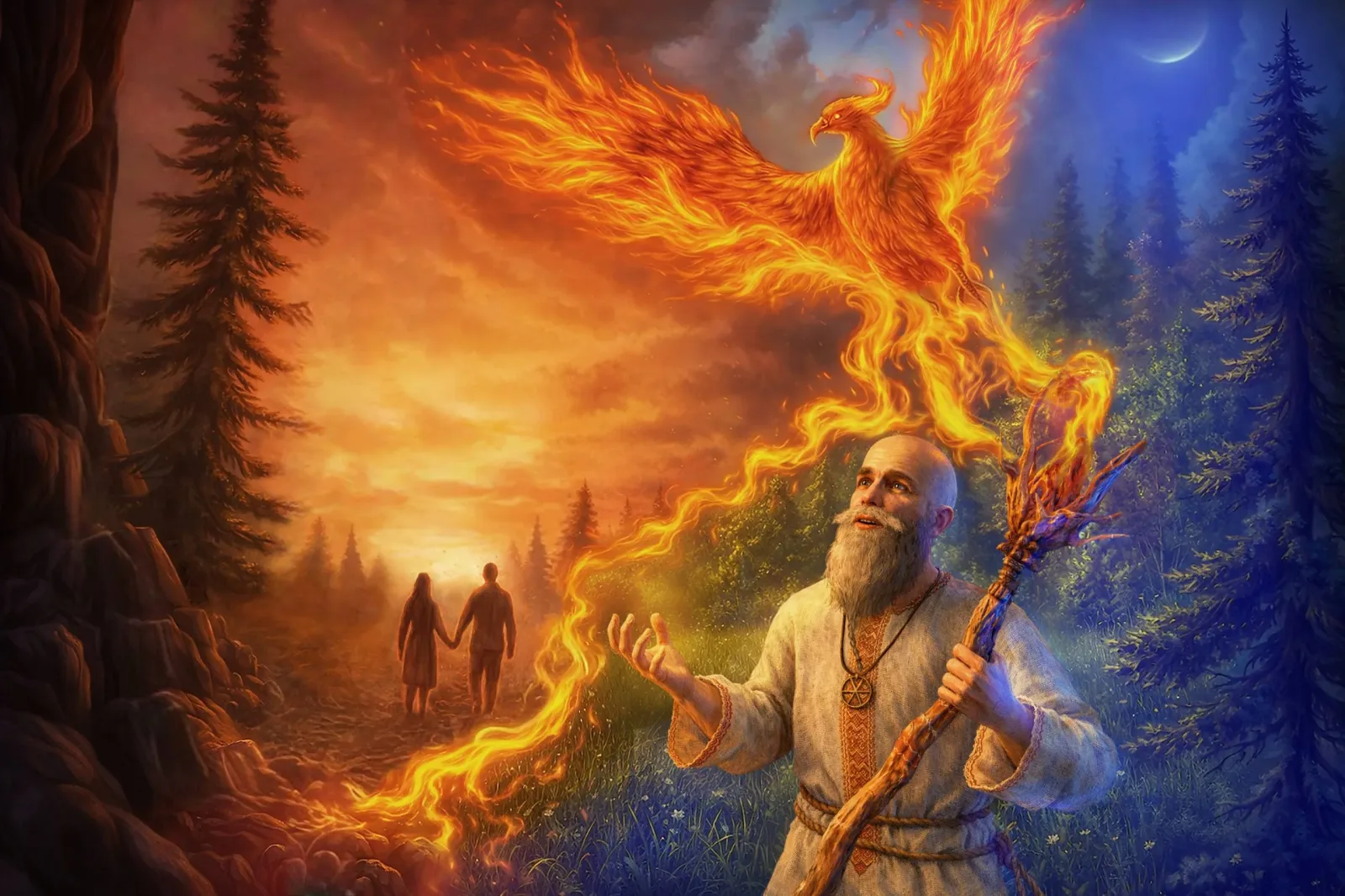
The Xbox release brings a game with an unusually specific cultural focus to Microsoft's current-generation consoles. Rather than framing its mystery around a conventional detective or a combat-heavy fantasy hero, The End of the Sun casts the player as an ashter: a Slavic priest able to move through time. That ability is central to both the story and the structure of the adventure, allowing players to revisit familiar locations across different years and seasons in pursuit of the village's hidden history.
Its premise centers on arrival in an isolated settlement whose inhabitants have stories waiting to be uncovered. By examining places, following environmental details, and returning to them at different moments, players can build a broader picture of events that connect individual lives with local customs, old rituals, and creatures drawn from Slavic mythology.
A village viewed across time
The End of the Sun's key idea is that a location is never exactly the same twice. A building, pathway, or object may offer one clue in a particular season and reveal something entirely different years earlier or later. The ashter's capacity for time travel turns the village into an evolving space rather than a static setting, encouraging players to make connections between scenes and search for meaning in the changes they find.
For useful background on this topic, read Castlevania: Belmont's Curse Review -- A Triumphant Return for the Vampire Hunt.
This approach places exploration at the center of the experience. Instead of simply moving from one objective to the next, players are expected to investigate their surroundings and reconstruct events through contextual clues. Revisiting an area is not just about retracing steps; it is how new perspectives on the past emerge. A moment that initially seems ordinary may take on a different significance after another time period has revealed who was present, what happened there, or how a ritual affected the community.
The game's mystery is therefore tied to memory and place. Each journey through time can expose another piece of the village's story, while the recurring act of returning makes players consider how people, traditions, and environments change. The seasonal element adds further texture to that progression, presenting the same settlement under different conditions as its history gradually comes into focus.
Slavic folklore as the foundation
Slavic mythology, folk stories, and traditional ritual form the backbone of The End of the Sun's world. The setting is not described merely as a fantasy landscape using a few familiar genre motifs. Its premise is rooted in regional beliefs and practices, with the ashter's role and the village's mysteries designed to connect personal narratives to a wider folkloric tradition.
For another perspective on this story, read The End of the Sun Brings Slavic Time-Travel Mystery to Xbox Series X|S on November 4, 2026.
That makes the game notable within the first-person adventure space, where historical and cultural inspirations often serve as background decoration. Here, folklore appears to shape the investigation itself. The player will encounter a world influenced by traditional rites and mythological beings, while the unfolding mystery asks them to understand the relationships between those elements and the human lives at its center.
For players unfamiliar with Slavic traditions, the adventure may offer a chance to explore a different well of mythological inspiration. For those who already recognize those stories and customs, the game's focus on a Polish village and regional material culture could give its setting a more immediate sense of place. The developers' stated emphasis on research suggests that authenticity of atmosphere has been a major priority alongside the supernatural elements.
Eight years of work from a two-person Polish team
The End of the Sun has been created over eight years by a two-person team in Poland. That long development period reflects the project's ambition to build a detailed historical environment while also supporting a narrative that moves through multiple points in time.
The team has drawn on research into regional traditions and material culture, an approach visible in the game's use of photogrammetry. This technique captures real-world objects and structures in detailed digital form, and it has been used to recreate buildings and historical items for the village. Rather than relying entirely on imagined architecture and props, The End of the Sun aims to ground portions of its visual world in real physical references.
Photogrammetry can be especially effective for an exploration game because it lends weight to the smallest parts of a setting. Weathered wood, household objects, construction details, and the surfaces of old buildings can help a village feel inhabited and tangible. In a story where environmental investigation is a core activity, those details may be more than visual flourishes: they can support the sense that every room, structure, and artifact has a place in the larger narrative.
The game's attention to objects is also a natural fit for its time-travel premise. A historically inspired item can act as a link between eras, and a familiar space can become newly meaningful when its earlier or later condition is revealed. The combination of carefully recreated material culture and changing timelines could make the act of observing the environment as important as following the game's plot directly.
What Xbox players can expect
On Xbox Series X|S, The End of the Sun will offer a first-person journey focused on exploration, environmental storytelling, and a gradual process of discovery. The announced feature set highlights several pillars of the experience:
- Explore the same village through different seasons and years.
- Use exploration and environmental clues to piece together a larger sequence of events.
- Encounter a setting informed by Slavic mythology, folk tales, and ritual traditions.
- Investigate structures and historical objects recreated through photogrammetry.
- Choose between English and Polish voice acting.
The inclusion of Polish voice acting is particularly fitting given the team's background and the game's regional inspiration. English support will make the adventure accessible to a wider audience, while the Polish option offers a way to experience the story in the language most closely associated with the developers' cultural setting.
No additional Xbox-specific features, pricing details, or other console versions were announced alongside the release date. What has been confirmed is a current-generation Xbox launch, with both Xbox Series X and Xbox Series S included in the planned November release.
A slower kind of mystery adventure
The End of the Sun appears positioned for players who enjoy mysteries that unfold through close observation. Its central loop is not built around speed or spectacle, but around revisiting, comparing, and interpreting. The ability to travel through time gives that familiar adventure-game rhythm a distinctive twist: progress comes from seeing what a place used to be, what it becomes, and what those differences reveal.
That design also gives the game room to explore themes of tradition, continuity, and loss. A village's customs are passed between generations, but they may also be altered, forgotten, or obscured as time advances. The ashter's perspective lets players cross those boundaries directly, looking at a community from more than one historical moment and gradually discovering how its secrets became buried.
With its folklore-driven premise, painstakingly researched environment, and compact development team, The End of the Sun stands apart from more conventional fantasy adventures. Its Xbox Series X|S debut will give console players an opportunity to step into its changing village and investigate the stories concealed within it.
The End of the Sun launches on Xbox Series X|S on November 4, 2026.
Community
Discussion
Start the conversation.
No comments have been posted yet.