

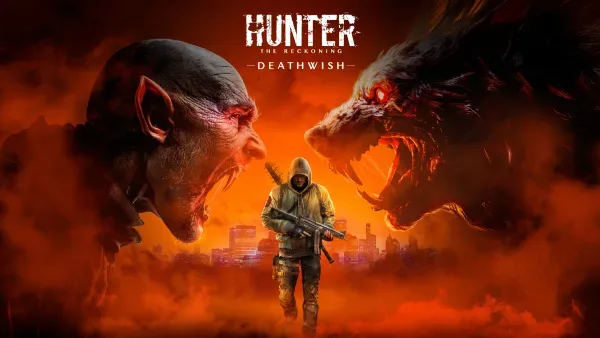
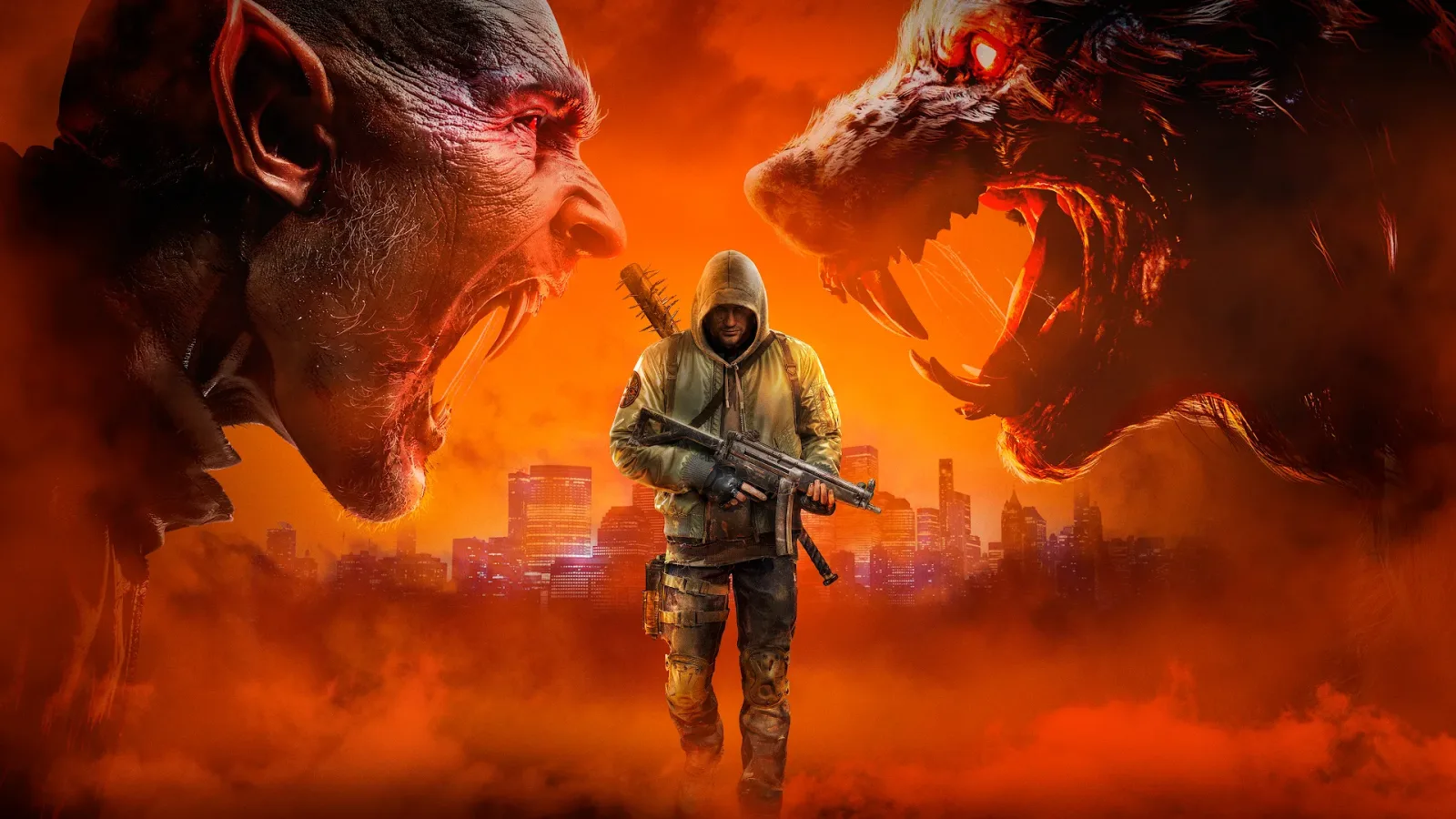
Hunter: The Reckoning - Deathwish has offered a closer look at one of the central pillars of its role-playing experience: the process of creating the Hunter who will face the horrors of New York City. NACON and developer Teyon have released a new trailer and character-creation presentation during the Month of Darkness celebration, outlining how players can build an original protagonist or begin with an established archetype before starting their crusade.
The upcoming action-RPG is based on the fifth edition of the Hunter: The Reckoning tabletop game, part of the wider World of Darkness setting created by White Wolf. Teyon's adaptation aims to bring tabletop-style character definition into a video game structure without making the opening process inaccessible to players who simply want to get into the action. The newly shared details suggest that visual customization, attributes, skills, choices and personal drawbacks will all contribute to the kind of Hunter players become.
Hunter: The Reckoning - Deathwish is planned for PlayStation 5, Xbox Series X|S and PC via Steam in 2027. A more specific release date has not been announced.
Players Can Start With an Archetype or Build From Scratch
The creation process begins with preset character models, which can then be adjusted to produce a more personal Hunter. The available customization categories include physical build, hairstyle, outfits, tattoos and scars. That gives players a way to establish the visual identity of a character before making decisions that will influence their capabilities in the story and on the streets.
For useful background on this topic, read Death Stranding Isolations Reveals First Trailer, Sets Up a New Disney+ Story for 2027.
For those who want a faster entry point, the game will also offer pre-built archetypes. These should provide a practical option for players who would rather select a foundation and start playing than spend extensive time assigning every detail manually. At the same time, Teyon is positioning full character creation as a major feature, allowing players to construct a Hunter from the ground up and tailor their abilities to a preferred role-playing style.
That balance is especially important for a game adapting a tabletop system. Character sheets can be a satisfying part of traditional RPG play, but translating their many interconnected decisions to a console or PC action-RPG can be challenging. By supporting both archetypes and deeper customization, Deathwish appears designed to serve returning World of Darkness players as well as newcomers who may not know the tabletop rules.
"The heart of any RPG lies in the player's ability to truly make their character their own," said Piotr Latocha, Game Director at Teyon. "That's why we wanted to deliver a character creator that is both deep and highly accessible."
For another perspective on this story, read Hunter: The Reckoning - Deathwish Details Its Character Creator, Skills and Dice-Driven Choices.
Attributes Will Open Paths to Related Skills
Character progression in Hunter: The Reckoning - Deathwish uses point investment in attributes, which in turn unlocks tiers within associated skills. The developer's example is Strength: putting points into that attribute opens access to tiers for Brawl, Melee and Intimidation. Rather than treating every skill as an entirely isolated track, the system connects a Hunter's broader traits to the specialties that grow from them.
This structure could make it easier to rapidly establish a clear role. A character focused on physical confrontation may build toward close-quarters combat and intimidation, while a different Hunter might develop the tools needed to evade trouble, negotiate through it or investigate the supernatural forces behind it. Teyon has specifically highlighted diplomacy, stealth and occult knowledge as potential directions for specialization.
The approach reflects the premise at the heart of Hunter: The Reckoning. Hunters are ordinary or formerly ordinary people who have become aware of the monsters operating in the darkness. They are not necessarily interchangeable action heroes, and the way an individual handles danger can be as important as the weapons they carry. A persuasive character may seek a way out of a confrontation. A stealth-oriented character could prioritize avoiding a lethal clash altogether. Someone with greater occult expertise may be better equipped to understand the threat before making a move.
Whether every build will have equal access to all major story routes remains to be seen, but the stated progression model suggests that choices made during creation will have consequences beyond cosmetic presentation. Players will be shaping a set of strengths while also determining the kinds of situations in which their Hunter may be less comfortable or less prepared.
Dice Rolls Will Carry Tabletop Rules Into the Video Game
One of the more notable parts of the reveal is the confirmation that skills will be represented through dice rolls. This is a direct link to the game's tabletop roots, where characters' traits and circumstances influence the dice pools used to resolve uncertain actions. In the video game, outcomes tied to a Hunter's stats and player choices can include persuading someone to avoid danger or uncovering vital clues.
That means conversations and investigation are not being presented as simple cosmetic alternatives to combat. The effectiveness of a particular approach will depend on who the player has built. A Hunter with the right capabilities may be able to obtain information, force a reaction or find a path forward that another character cannot reliably access.
Dice-based resolution also leaves room for uncertainty, an essential quality for a horror-focused role-playing game. Even a well-built character may face risk when attempting something dangerous, while a less likely attempt can potentially succeed. The exact presentation of the rolls, the degree to which players will see the calculations and how failures alter missions have not yet been detailed. Still, the confirmation establishes that the tabletop system is informing more than the setting and terminology.
This may help distinguish Deathwish from a conventional action game with light dialogue branches. The game is being built as an action-RPG, so direct conflict will remain part of the experience, but player statistics are also intended to affect interactions and discoveries. The result could give repeated playthroughs a different texture, particularly for players who make sharply contrasting Hunters.
Virtues and Flaws Will Define More Than a Build
Before heading into the campaign, players will choose virtues and flaws. These are intended to shape a character's strengths, weaknesses and destiny throughout play. While the available selection and their exact mechanical effects have not been revealed, their inclusion points to a system that goes beyond a simple distribution of combat bonuses.
Virtues and flaws are well suited to a World of Darkness story because they can establish the emotional and ethical pressure points of a protagonist. Hunters must contend with a world that is hostile, secretive and populated by supernatural threats. Their methods, convictions and vulnerabilities can matter just as much as their ability to fight. A flaw may complicate an otherwise effective build, while a virtue could provide an advantage in circumstances that suit the character's principles or instincts.
Importantly, Teyon says these decisions will shape destiny in play. That wording suggests the selections may be connected to narrative consequences rather than serving exclusively as numerical modifiers. The developer has not confirmed how branching, endings or companion relationships might be affected, so players will need to wait for a fuller explanation of the campaign's choice structure. Even so, the feature aligns with the studio's emphasis on a Hunter as a personal reflection of how a player chooses to confront the darkness.
"Every decision, from appearance to skills, will impact how you survive in the unforgiving world of Hunter: The Reckoning," Latocha said. "Your character is a direct reflection of how you choose to face the darkness."
A New York Hunt With Room for Different Approaches
The game's story will send Hunters through the streets of New York City, where the newly revealed systems are expected to determine how players approach threats and opportunities. The setting offers a natural match for the World of Darkness: a dense urban environment where ordinary life, personal ambitions and hidden supernatural conflicts can exist side by side.
For an adaptation of Hunter: The Reckoning, the character creator is particularly significant. The premise depends on the idea that people with different histories and methods can be pushed into a war they did not fully choose. One player's Hunter might rely on muscle, weapons and resolve. Another might be an investigator with a talent for reading situations. A third could focus on deception, knowledge or the ability to disappear before the monsters notice them.
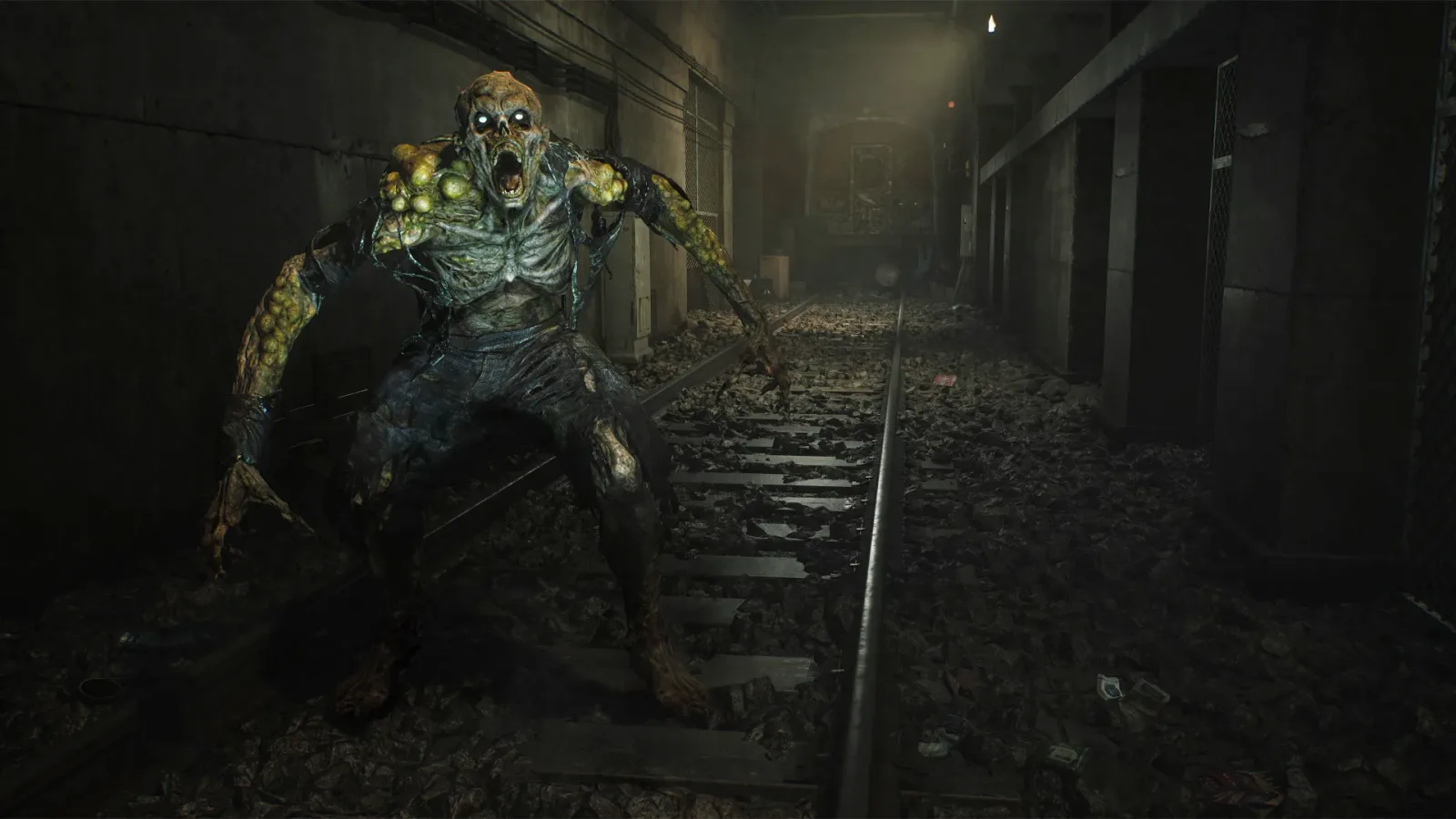
Teyon has not yet provided a complete breakdown of combat systems, enemy types, mission structure or the full list of attributes and skills. The current showcase instead establishes the foundation beneath those elements. Players will not only select how their Hunter looks, but also choose a direction for their abilities, accept weaknesses and make decisions whose outcomes can be influenced by dice and character statistics.
With a 2027 release window still ahead, there is time for further reveals to explain how deeply these mechanics extend across the campaign. For now, the character-creation presentation makes clear that Hunter: The Reckoning - Deathwish is aiming for more than a recognizable World of Darkness backdrop. Its developers are building the identity of the player-created Hunter into the action, investigation and choices that define the hunt.

Community
Discussion
Start the conversation.
No comments have been posted yet.