

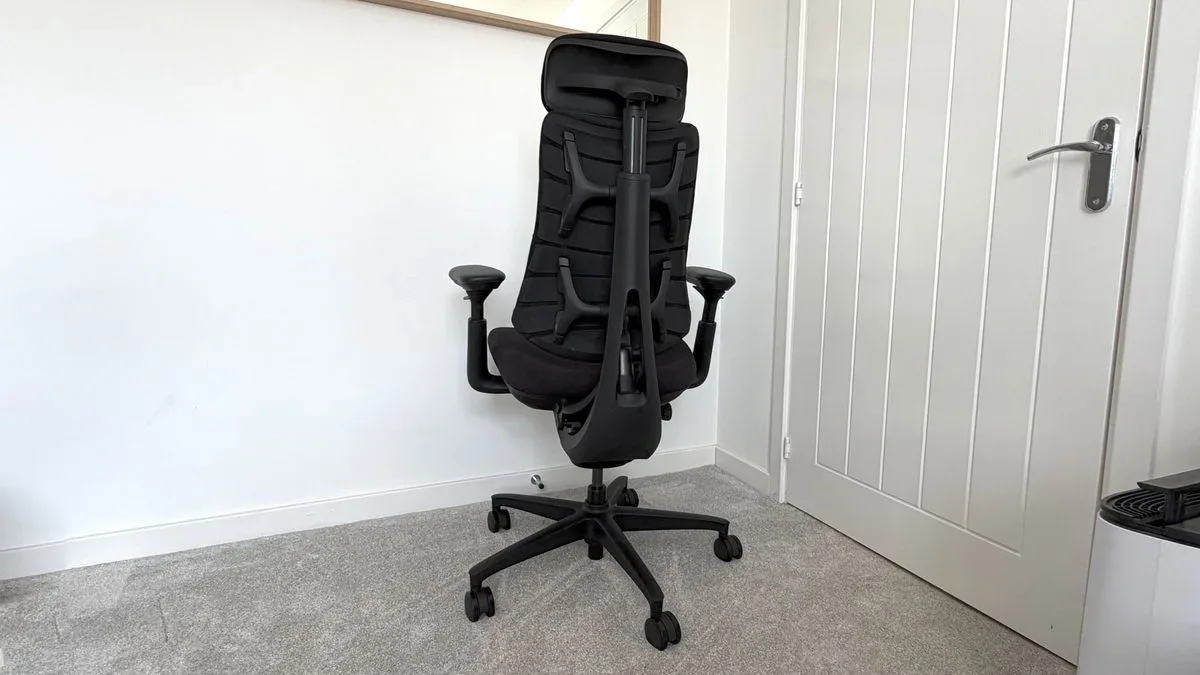
The LiberNovo Omni SE is a gaming chair built around a question that matters more than its headline-grabbing rivals might suggest: does a chair really need motors, batteries, or active cooling to be comfortable? At $899/£839, the Omni SE is still firmly a premium purchase, but it removes the electronic extras found on more expensive models in the LiberNovo range and concentrates on the fundamentals. Crucially, it retains the feature that defines the family: the unusual Bionic FlexFit backrest.
That decision makes the Omni SE a particularly interesting option. It is not a conventional racing-style gaming chair with a single, static back panel. Instead, its back is formed from multiple linked sections intended to flex around the user as they move. After several weeks of daily desk use, including long work sessions during a UK heatwave, the result is an exceptionally comfortable chair that can outclass much of the established gaming-chair market on ergonomics alone.
It is not a flawless victory. The armrests and headrest are too eager to shift from their intended positions, the predominantly plastic construction can make itself heard, and the fabric upholstery runs warmer than expected. The fit will also be too narrow for some users. Still, the central seating experience is strong enough that the Omni SE deserves serious attention from anyone who values support and movement over a chair that merely looks aggressive beside a gaming PC.
A simplified model that keeps the important innovation
LiberNovo's original Omni arrived through a Kickstarter campaign that raised more than $10 million, gaining notice for its flexible ergonomic approach. The range has since expanded to include the updated Omni Gen, the actively cooled Omni Pro, and the larger Maxis line. The Omni SE is positioned as the more accessible model, though "accessible" is relative when its price remains in the high-end category.
For useful background on this topic, read Acer Predator Atlas 8 Launches in the UK With US Release Set for October.
What the SE loses is the motorized hardware and some of the more conspicuous technology. What it keeps is the multi-panel Bionic FlexFit backrest, five recline settings, and manually adjustable lumbar support. That is ultimately the right place to preserve value. A cooling system and automated adjustment can be appealing luxuries, but the support structure is what a chair must get right during every hour spent at a desk.
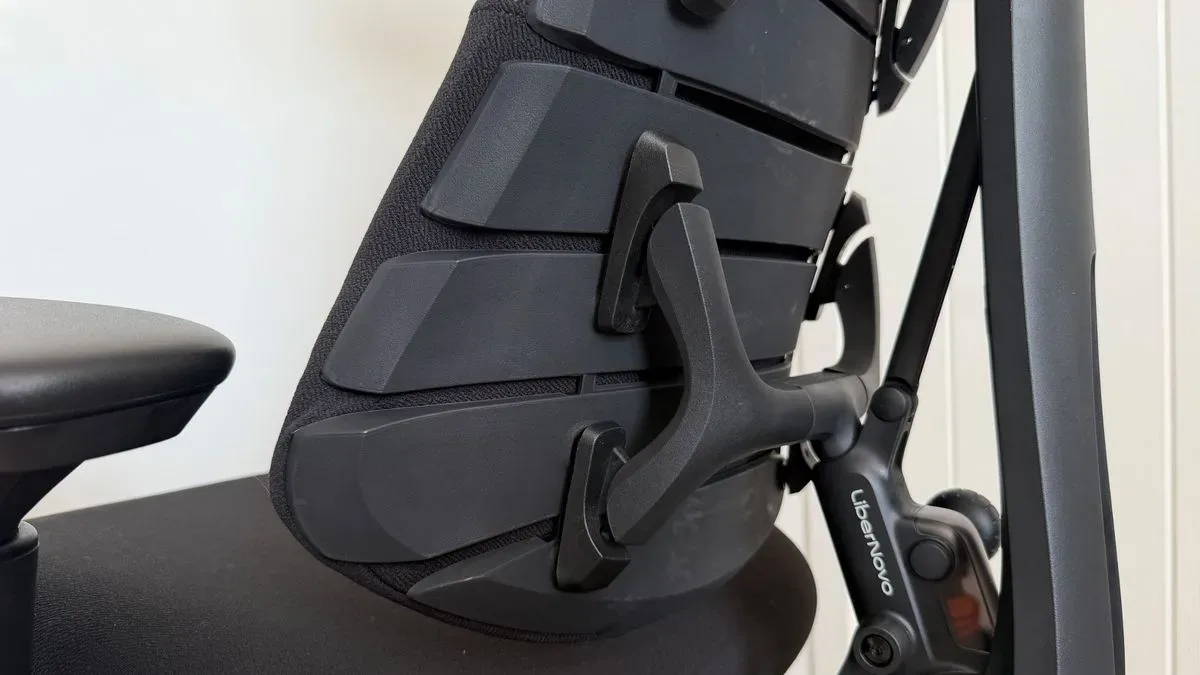
The backrest operates very differently from the solid shell or fixed cushion found on most gaming seats. The linked panels move with changes in posture, supporting the torso without demanding that the sitter conform to a single predetermined position. It feels less like sitting against a chair and more like being held within it. That distinction is difficult to communicate from product photos, but it becomes clear quickly in use.
Quick assembly, distinctive looks
Despite its mechanically intricate appearance from the rear, the Omni SE is remarkably straightforward to assemble. There are relatively few pieces to manage, and the large instruction card makes the process easy to follow. Solo assembly took roughly 10 minutes, an encouraging contrast to premium chairs that require prolonged wrestling with heavy components and awkward bolts.
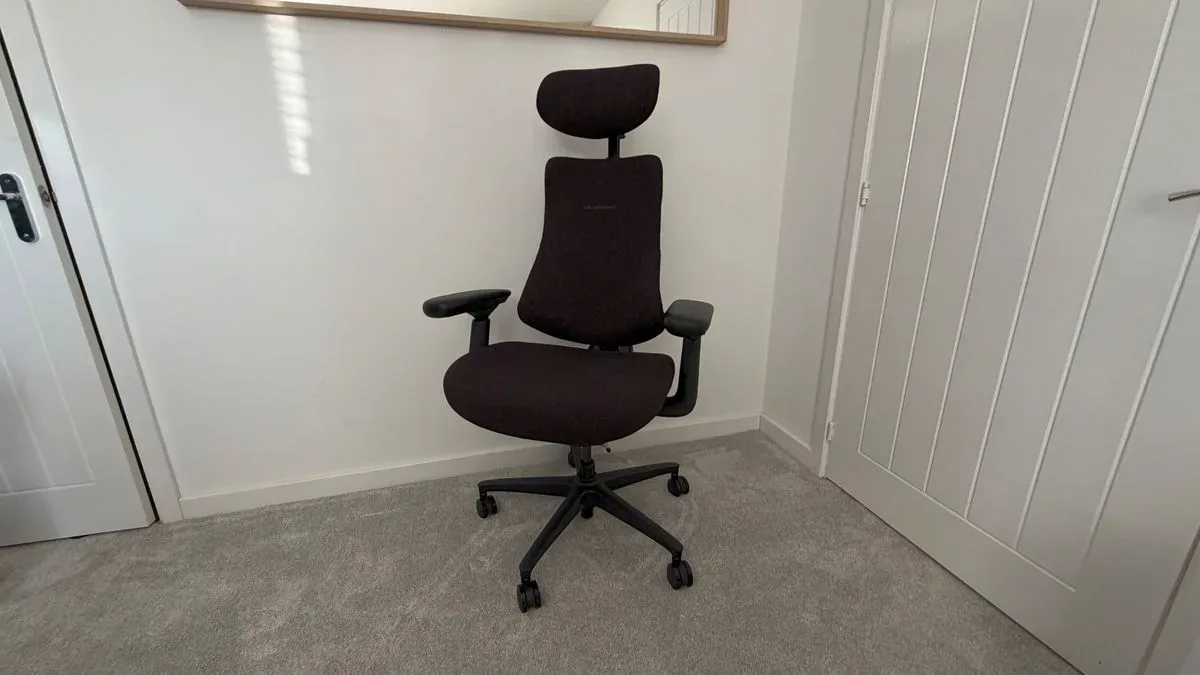
Once assembled, it has a bold but office-friendly design. The overall silhouette sits somewhere between high-end ergonomic office furniture and a gaming-focused seat, avoiding the exaggerated bucket-chair look common at this price. The Omni SE is offered in a single Obsidian Black finish.
LiberNovo lists two seat-depth options, 45cm and 48cm. However, the tested chair's cushion measured 54cm from the rear to the front, making the exact sizing situation unclear. Potential buyers who are especially sensitive to seat depth should seek confirmation before ordering, particularly because proper thigh support and clearance behind the knees can make a substantial difference over a full day.
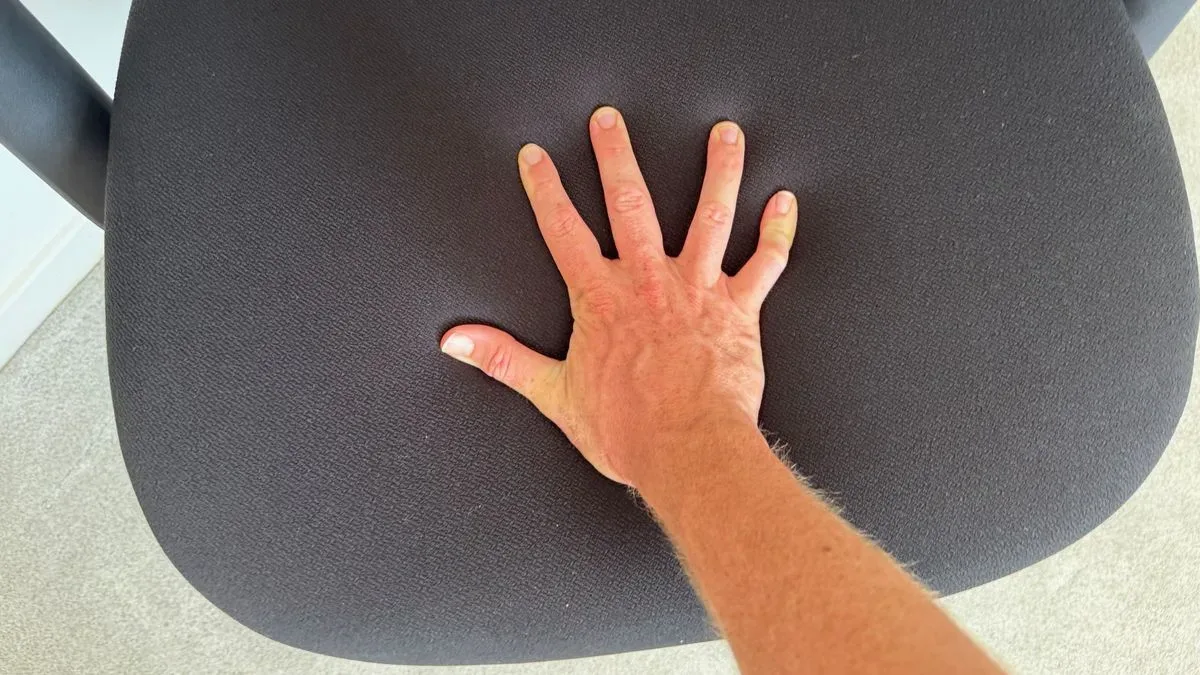
The cushion itself uses foam divided into three firmness zones. The differences can be felt when pressing into separate sections of the seat, but they are not especially obvious while seated. More noticeable is the initial feel: the foam is soft and inviting, bordering on squishy during the first few minutes. It offers a very different experience from the firmer cold-cure foam used in chairs such as the Secretlab Titan Evo.
Comfort comes from the backrest, not gimmicks
The Bionic FlexFit system is the Omni SE's defining strength. There is understandable skepticism around radical chair designs, since extra adjustment mechanisms can sometimes introduce complexity without improving comfort. Here, the innovation earns its place. The backrest's pronounced shape supports the body as it shifts and reclines, and it reduces the urge to constantly reposition during long sessions.
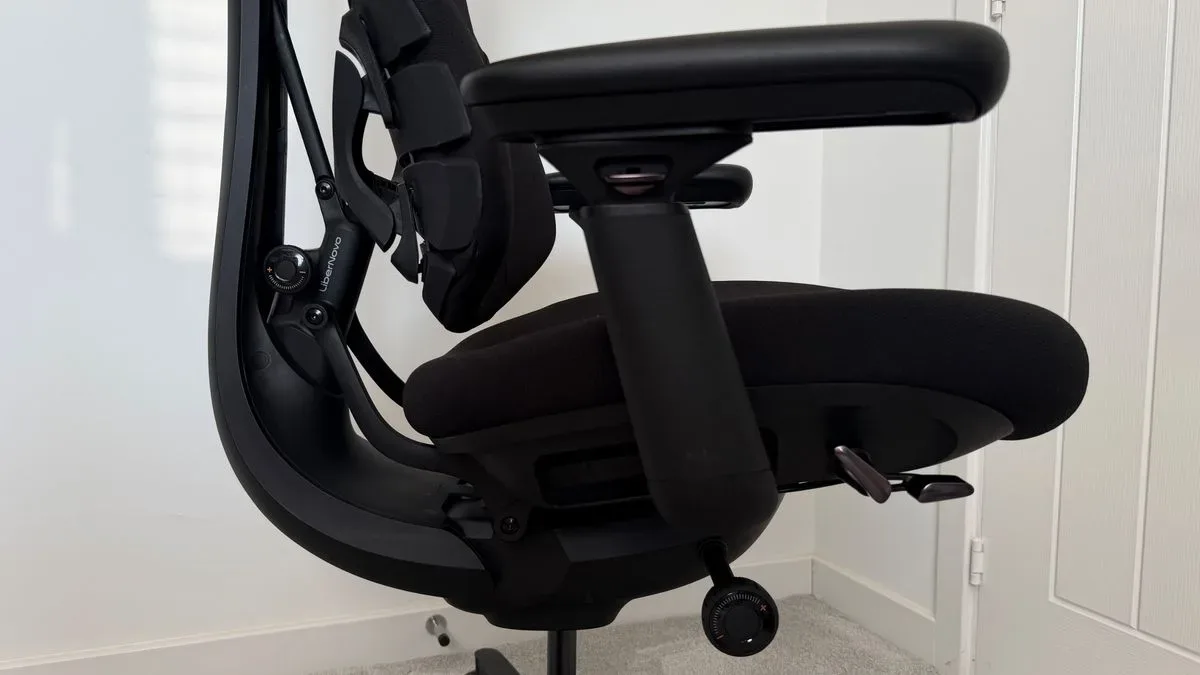
The recline range extends from 105 to 160 degrees, matching the more expensive models. These settings act as limits for how far the back can tilt rather than fully fixed angles that remain locked in place. The seat base stays independent while the back moves, and the armrests travel rearward with the reclining back. It produces a distinct feel that takes a little acclimatization, but works very well once familiar.
The manual lumbar adjustment is especially impressive. Rather than creating the sensation of a hard bar pressing into the lower spine, the Omni SE's lumbar support feels incorporated into the broader flexible back structure. It supports a wider area of the torso and avoids concentrating pressure at one uncomfortable point. The dial is easy to access, and manual adjustment is not a meaningful downside in practice: once a suitable setting is found, most people will have little reason to change it regularly.
This is where the SE makes its strongest case against electronic alternatives. Motorized adjustment may sound more advanced, but the manual control is sufficient, reliable in concept, and paired with genuinely excellent structural support. The chair does not need a motor to make its core ergonomic idea effective.
A few loose components undermine the premium impression
Unfortunately, some of the Omni SE's adjustment hardware is less successful. The armrests can be locked for height, but their rotation and lateral positioning cannot be secured. As a result, they can drift away from the position the user intended. They are not unusably loose, but a chair at this price should offer more confidence that adjustments will stay where they are set.
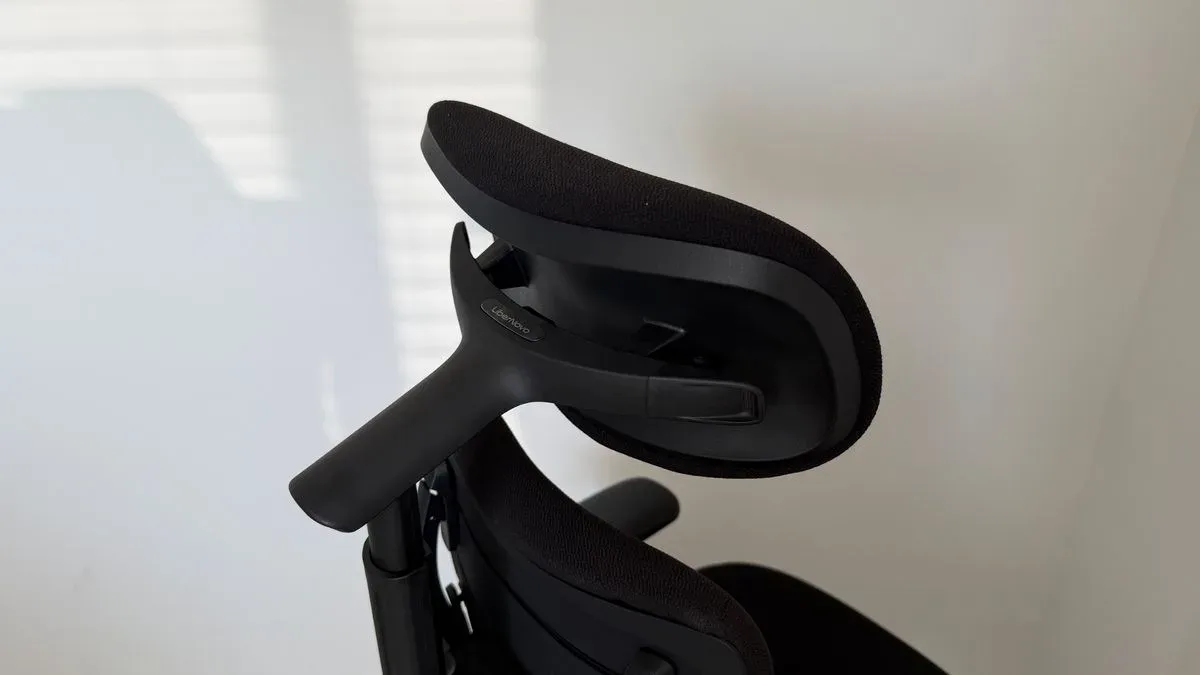
The headrest is the larger irritation. Its padding is soft and comfortable when it stays in the correct place, but it can slide down under relatively light pressure. In some cases, simply standing up from the chair can be enough to make it drop a couple of notches. This is a particularly frustrating flaw because the headrest otherwise contributes positively to the experience.
The frame also reveals the cost-saving implications of the SE model. It is almost entirely plastic, including a nylon star base rather than the reinforced aluminum alloy used on the Omni Pro. There is no indication that the chair is fragile, but everyday use brings noticeable creaks, rubbing, and settling noises from different areas of the frame. Those sounds do not inspire the same premium confidence as the comfort does.
There is also an unusual clearance issue with the gas cylinder sitting low in the base. On a plastic carpet protector, it can scrape whenever the chair moves. That is an odd problem to encounter on a premium chair and worth considering for anyone using similar floor protection.
Warm upholstery and a narrow fit are important considerations
Every soft area is wrapped in micro-elastic fabric. It has a pleasing texture, feels flexible and soft to the touch, and looks more mature than typical gaming-chair upholstery. However, it attracts dust and small debris very easily. The seat may need a quick brush-off before sitting down, especially in a busy room or household.
More importantly, the fabric is warmer than expected. During hot conditions, the chair can feel noticeably less breathable than a fabric-clad design might imply. That helps explain the appeal of the actively cooled Omni Pro, though it also means the SE may not be the ideal choice for users who consistently run hot.
The backrest's side wings are another key fit consideration. They hug smaller and average body types nicely, reinforcing the immersive supported sensation, but broader users may find the chair restrictive. LiberNovo's Maxis range is the more logical route for those who need additional space. Trying to force a larger frame into a narrower ergonomic shell would diminish the core advantage that makes the Omni SE special.
Meanwhile, the soft seat cushion changes character over longer periods. It feels excellent at the beginning of a session, but the foam gradually bottoms out more than a firmer cushion does. It never becomes genuinely uncomfortable, yet users who prefer consistent, firm support over an entire working day may favor a chair with denser foam.
Verdict: exceptional support with preventable flaws
The LiberNovo Omni SE proves that stripping away technology does not have to mean stripping away the most valuable part of a premium chair. Its flexible backrest and integrated lumbar support create one of the strongest ergonomic experiences available in a gaming-focused design. The chair moves with the user, supports a variety of postures, and feels substantially more adaptive than a conventional bucket-style seat.
At $899/£839, it is still an expensive chair, so the wandering headrest, loose armrest movement, plastic-frame noises, and warm fabric deserve scrutiny. Buyers with broad frames should also look toward the Maxis models, while those most concerned about heat may want to weigh the extra features of the Omni Pro.
For users with a smaller or average build who want dynamic support without paying for motors and active cooling, though, the Omni SE is a compelling premium option. It is an unconventional chair that gets the difficult part right: making long hours at a desk feel dramatically better than they do in most traditional gaming chairs.

Community
Discussion
Start the conversation.
No comments have been posted yet.