

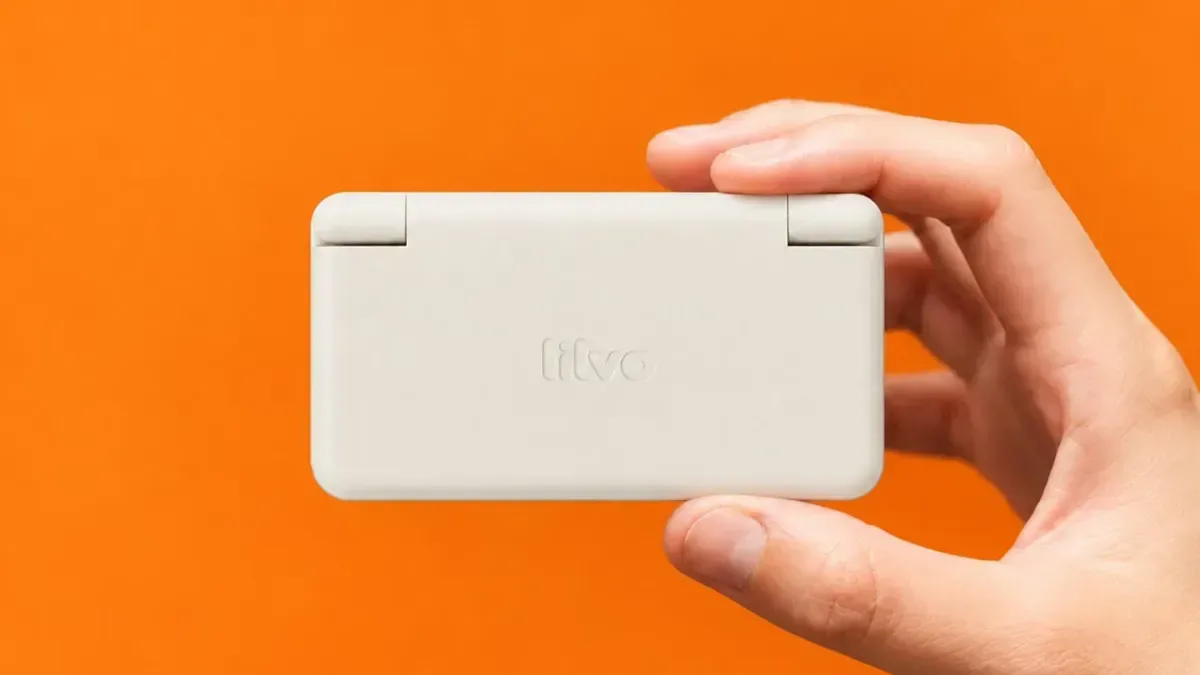
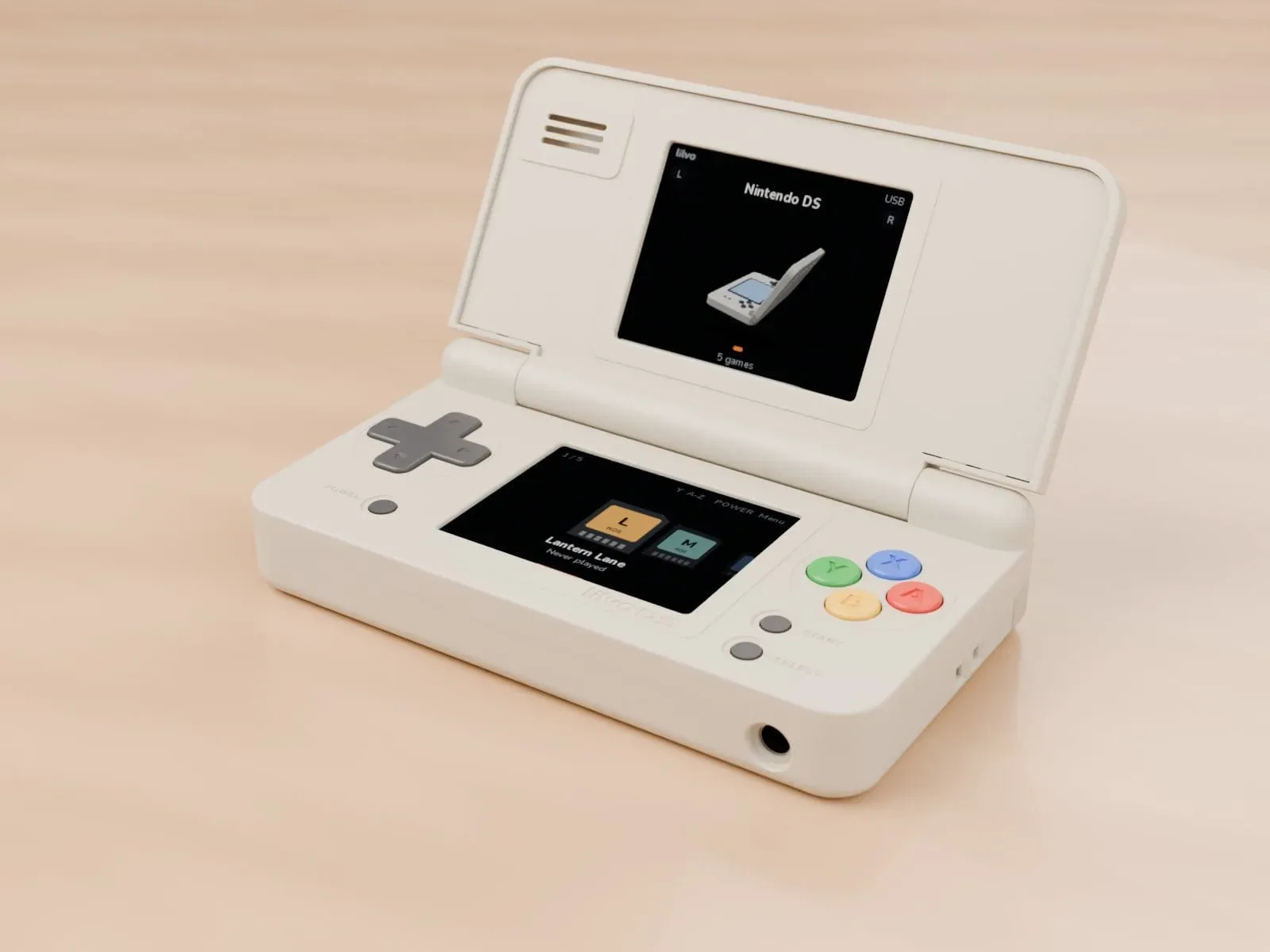
Miniature gaming handhelds have become a familiar part of the retro scene, from keychain-sized clamshells inspired by the Game Boy Advance SP to tiny metal devices built for classic console emulation. Yet the category has had an obvious gap: a truly compact machine designed around the dual-screen format that made Nintendo DS games so distinctive. The Lilvo DS Micro is an ambitious answer to that problem, combining a miniature clamshell design with two displays, physical controls, a working hinge, and its own purpose-built operating system.
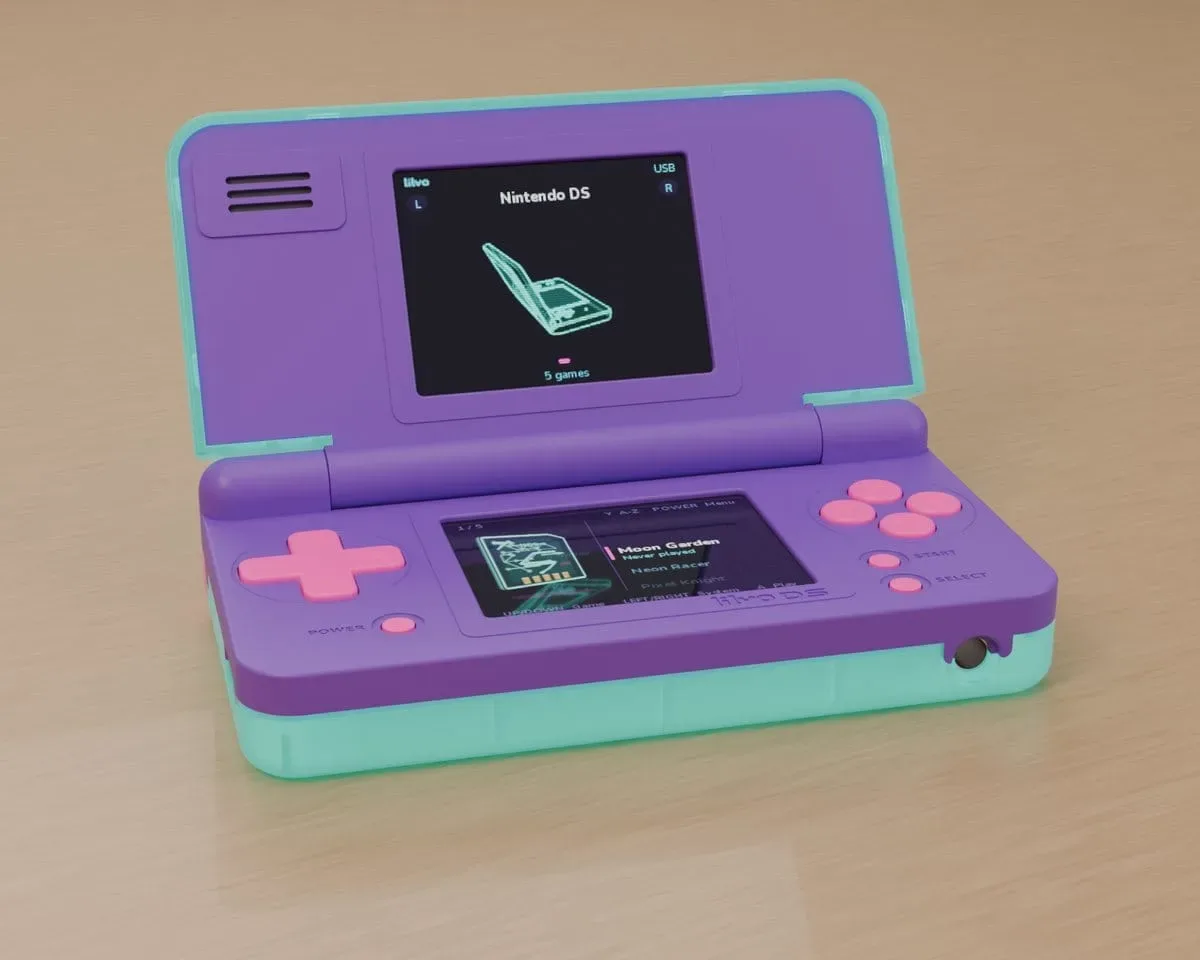
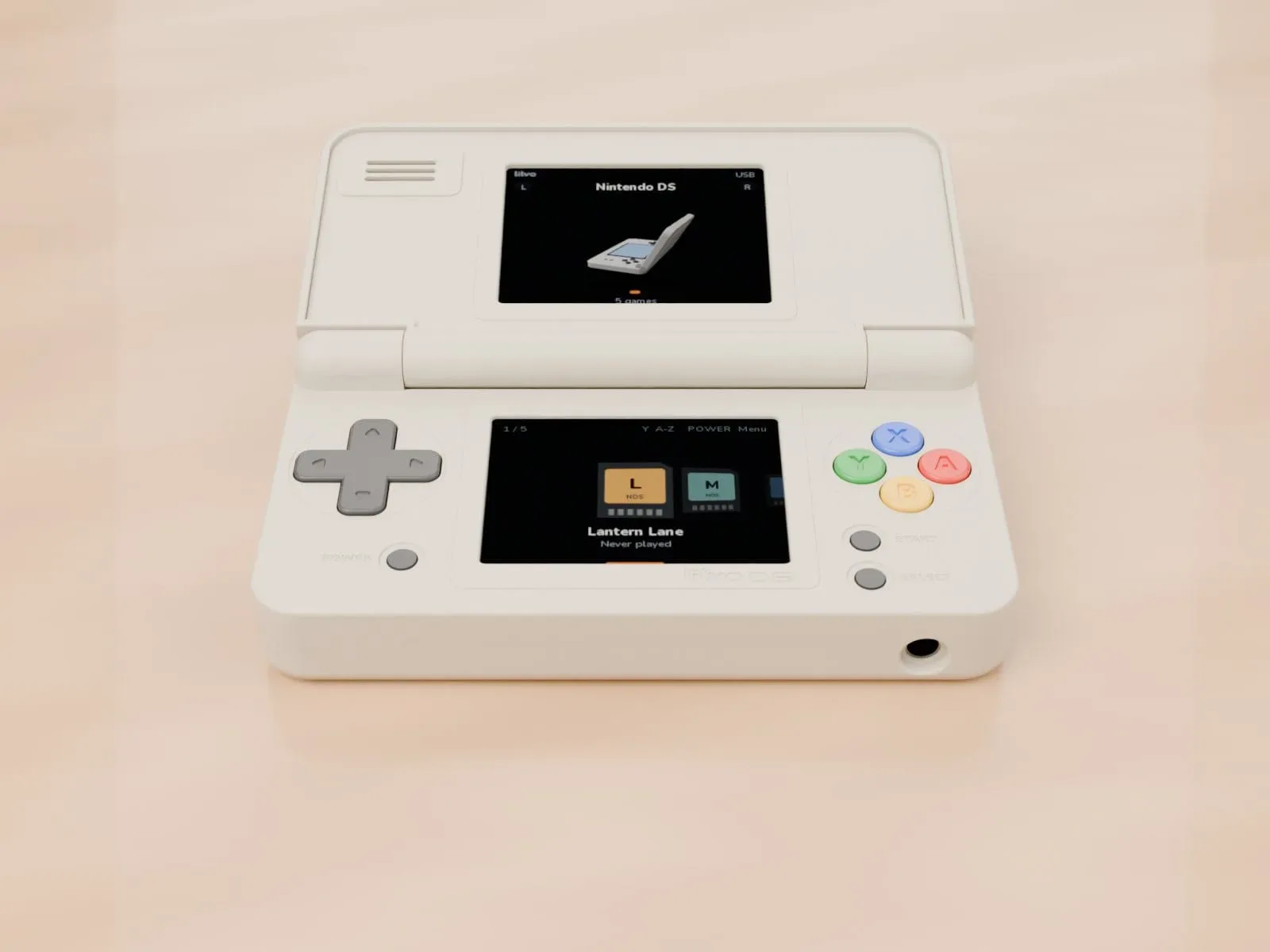
Still at the prototype stage, the Lilvo DS Micro is being developed as a small standalone handheld capable of running Nintendo DS software alongside games from 11 classic console platforms. Its stated goal is not merely to shrink a familiar retro handheld shape. Instead, the project is attempting to preserve the basic interaction of a DS-style device: two screens that can be viewed at once, real buttons, and a lid that can be opened and closed like a conventional clamshell.
The result is a device that could appeal to enthusiasts who enjoy ultra-portable hardware but have found single-screen miniature systems poorly suited to a library built around touch input, maps, menus, and simultaneous displays.
A Tiny Clamshell With Two Screens
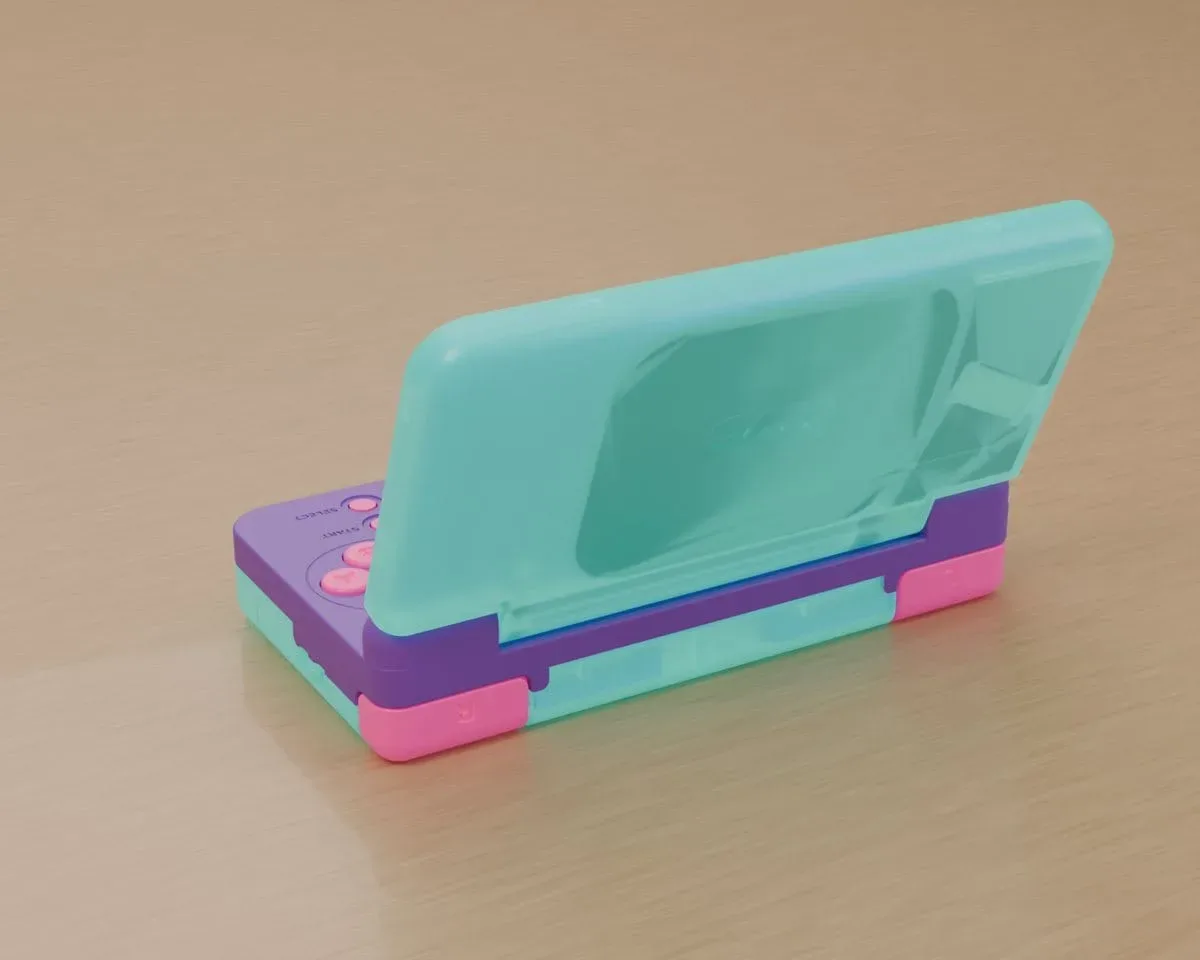
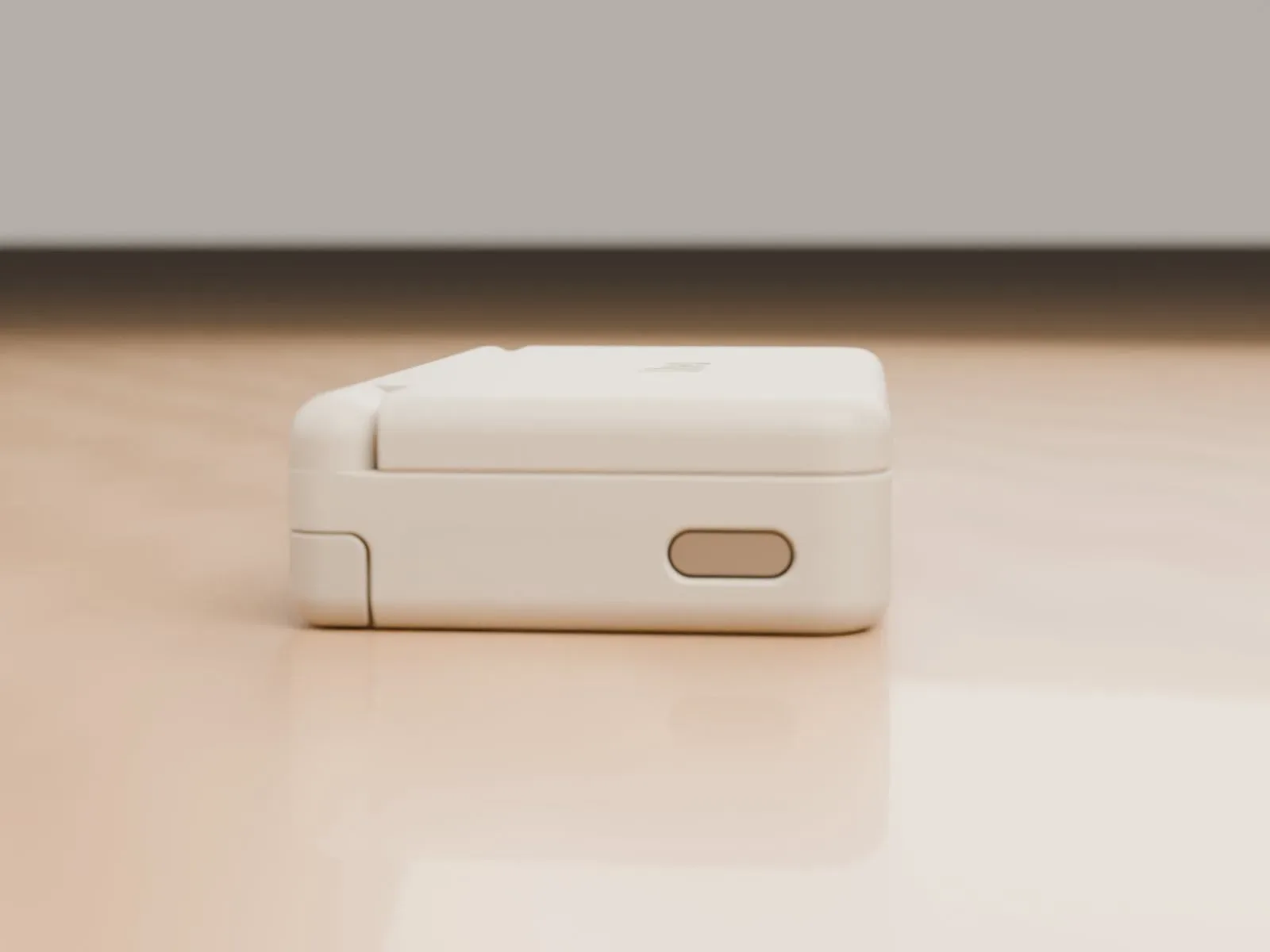
The Lilvo DS Micro measures 85 × 46 × 18 mm when closed. That puts it firmly into the card-sized handheld category, though its clamshell construction gives it a different personality from the small horizontal and vertical emulator devices already on the market. The developer has described it as a compact unit with two screens, real controls, and a real hinge rather than a novelty shell or decorative miniature.
For useful background on this topic, read Maniac Mansion Deluxe AGA 2.0 Brings a Full Classic Adventure Remake to Amiga.
That hinge is one of the project's more practical features. A Hall sensor inside it detects when the lid is closed. Before the handheld powers down, the system is designed to save the current game state automatically. In theory, that means players could close the device while working through a long RPG, then come back without needing to manually navigate a save menu first. For games that demand extended sessions, including many Pokémon adventures and other DS-era role-playing games, that convenience could matter as much as the small footprint.
The hardware also includes a USB-C port, a 3.5 mm headphone jack, and a microSD card slot positioned on the inside. The microSD storage is intended for game files as well as firmware updates. Those choices make the device feel closer to a practical everyday emulation machine than a proof-of-concept built solely around its miniature dimensions.
Two-inch displays are naturally a major constraint, particularly for a system associated with games that sometimes rely on detailed text, stylus actions, and two active views. The Lilvo DS Micro's software and interface have therefore become a central part of the project. Rather than fitting a standard frontend onto a tiny screen and hoping the controls work out, the team is building the experience around the hardware's size.
The Lilvo System Is Built for the Small Screen
The handheld uses the Lilvo System, a Linux-based launcher that takes inspiration from Funkey OS. Its design favors a clean, shelf-like presentation over dense menus and elaborate visual effects. Each supported platform is represented by a small rotating 3D model, while games sit underneath in a cartridge-style view. Players can move through the compatible systems, browse titles, and organize the library alphabetically.
That presentation is especially important on a device this small. Tiny handheld menus can easily become difficult to read or overloaded with options, so the Lilvo System appears focused on keeping the essential functions accessible. The interface includes settings, basic personalization options, brightness controls, and the ability to swap the screen arrangement. Those features are useful for a dual-screen emulator, since different games may benefit from giving one display priority over the other.
The current demonstrations suggest that the UI has been designed to avoid making the two-inch screens feel excessively cramped. That does not eliminate the practical limitations of miniature displays, especially for games created around the original DS hardware, but it shows the project is treating software as more than an afterthought.
For retro handheld fans, the presence of a custom operating system may be one of the most compelling aspects of the Lilvo DS Micro. Many small emulation devices depend on familiar generic frontend layouts. A tailored system can make a handheld feel coherent, from the way users select a console to how they manage game files, settings, and saved progress.
Browser-Based Game and Save Management
The software approach continues when the Lilvo DS Micro is connected to a PC. Instead of requiring users to handle every task through file folders alone, the device has a browser-accessible web manager. This management tool is designed to let owners add games through drag and drop, manage save states, and attach box art to their libraries.
That could make the device more approachable for users who want a tidy, visual way to curate a collection. Box art is hardly essential to playing retro games, but it can be a welcome quality-of-life feature on a platform whose launcher is clearly intended to look more like a miniature game shelf than a plain file browser.
The PC connection also gives the hardware a more complete ecosystem than its size might suggest. A compact portable can be convenient to carry, but loading content and maintaining saves often becomes awkward when a system is designed around minimal controls and limited screen space. A web interface addresses that challenge by shifting administrative tasks to a larger display without abandoning the handheld's custom software identity.
Repairability Is Part of the Design
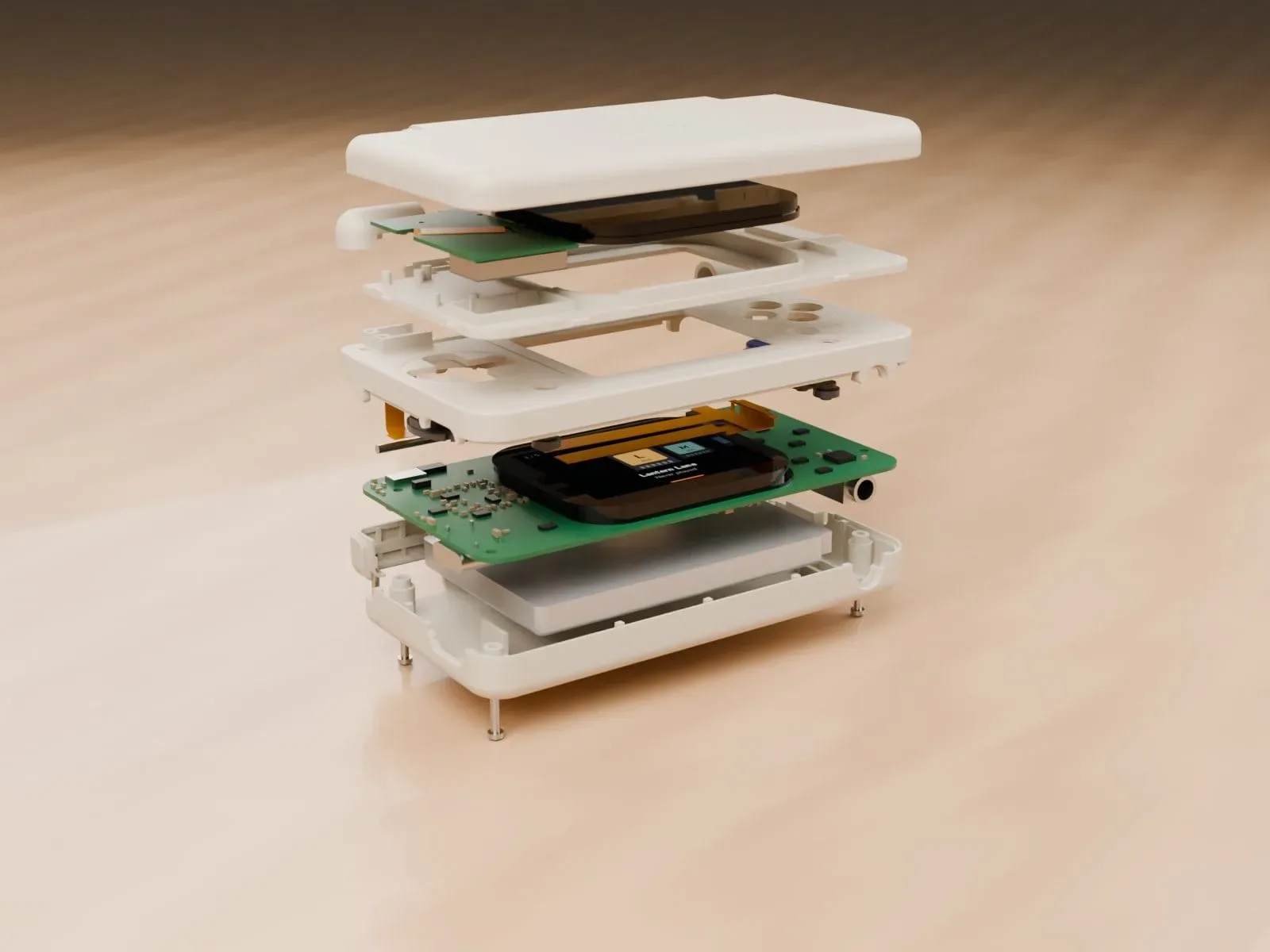
The Lilvo DS Micro is not only being framed as a tiny consumer gadget. Its physical construction is also intended to be approachable for tinkering and repair. The shell uses a snap-fit design, the device reportedly requires only four screws, and the hinge uses a steel pin. Design files are planned to be available as well, giving interested owners an opportunity to examine, modify, or otherwise experiment with the construction.
That is a notable direction for such a small device. Miniature handhelds can be difficult to service because their dimensions leave little room for accessible components. A repair-focused design could be particularly valuable for a clamshell, where the hinge is one of the parts most likely to attract scrutiny from long-term users. The steel hinge pin and simplified assembly suggest the project is considering durability rather than treating the unit as disposable novelty hardware.
Open design resources may also encourage a community around alternate shells, modifications, and replacement parts. It remains early for those possibilities, but the stated repairability goals distinguish the Lilvo DS Micro from many small retro systems that are sealed up or difficult to disassemble.
An Intriguing Prototype, Not a Finished Product
For all of its promising details, the Lilvo DS Micro remains a prototype. Renders, prototype footage, operating system demonstrations, and development updates show that the concept is actively being documented, but prospective users should keep that status in mind. Final hardware specifications, compatibility, performance, controls, screen quality, and the eventual path to a retail-ready product can all change during development.
There is also no confirmed release date, price, or finalized availability information at this stage. The project's appeal currently rests on the strength of its concept and the apparent care being put into both its hardware and software. It is easy to see why the device has attracted attention: dual-screen emulation is an area where the typical tiny retro handheld format does not offer an ideal answer.
If the Lilvo DS Micro reaches production while retaining its custom interface, lid sensor behavior, browser management tools, and repair-friendly construction, it could become a distinctive option in the growing handheld emulation space. It is not trying to replace a full-sized Nintendo DS or deliver the comfort of a larger portable. Its purpose is different: to make a dual-screen retro library genuinely pocketable without reducing the device to a simple visual tribute.
For now, the project is a promising work in progress. Its combination of a miniature DS-inspired clamshell, Linux-based Lilvo System, microSD storage, USB-C connectivity, and user-serviceable design gives it a clearer identity than many experimental handhelds. Whether that identity translates into a finished device will depend on the remaining prototype work, but the Lilvo DS Micro is already demonstrating that very small retro hardware does not have to mean very simple hardware.
Community
Discussion
Start the conversation.
No comments have been posted yet.