

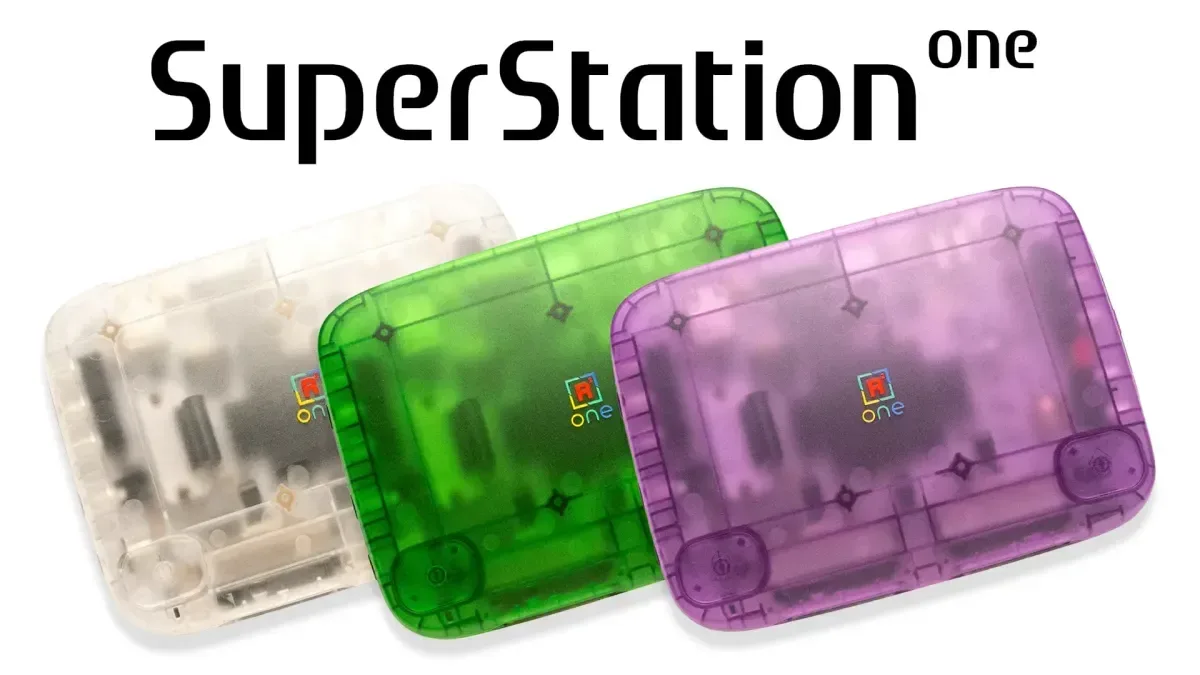
Retro gaming hardware fans have a new limited-run console to consider: fresh transparent editions of the SuperStation One are now open for pre-order. The FPGA-based machine, designed by Taki Udon and sold through Retro Remake, has introduced translucent colourways that lean into one of the most enduring visual trends in enthusiast hardware.
The new editions begin at $249.99, and shipping is expected to start in December. Prospective buyers may need to move quickly, however. The transparent units are being presented as genuinely limited products, with Taki stating that the colourways will not be manufactured again after stock is gone.
That makes the announcement significant for collectors as well as players. The SuperStation One has already earned attention as a polished FPGA platform with styling clearly informed by Sony's original PlayStation. These new shells preserve that familiar late-1990s silhouette while giving it the see-through finish that has become increasingly popular across modern retro handhelds, controllers, and console recreations.
A new look for an established FPGA console
The SuperStation One was not built merely as a display piece. Its appeal comes from combining a compact, PlayStation-inspired form factor with compatibility for a broad range of MiSTer FPGA cores. That flexibility gives the machine a role beyond a single-console recreation: it can serve as an all-purpose retro setup for users who want to explore multiple classic platforms from one piece of hardware.
For useful background on this topic, read Hang-On Jr. Races Onto Mega Drive and Genesis With New Modes and Hardware Support.
FPGA hardware occupies a distinctive place in the retro scene. Rather than relying solely on conventional software emulation, an FPGA device can be configured to reproduce aspects of original hardware logic. Results and compatibility can vary by core and configuration, but the approach has become popular among enthusiasts seeking accurate behaviour, low latency, and a more hardware-focused way to play older games.
In the SuperStation One's case, PlayStation support is naturally central to the conversation, given its design influence and available accessory options. Yet its MiSTer compatibility is what broadens the proposition. Owners are not limited to one generation or one library, and that helps explain why the system has become increasingly prominent among buyers willing to pay for a premium retro device.
The original colour options have already been available for some time, and the system has generally received positive feedback for its construction and performance. The new variants do not appear to change the core purpose of the hardware. Instead, they offer a different aesthetic for buyers who prefer a limited-edition finish or want a console that stands out from the more conventional original colours.
Transparent hardware remains a powerful nostalgia play
Transparent plastic has an unusual staying power in gaming culture. For many players, it immediately recalls the era of colourful controllers, memory cards, handhelds, and special-edition peripherals. It also has an appeal that goes beyond nostalgia: seeing the internal layout, even partially, gives familiar hardware a more technical and collectible character.
That is especially fitting for a machine aimed at FPGA enthusiasts. The SuperStation One is a product made for people who are often interested in the technology behind retro gaming as much as the games themselves. A translucent case creates a visual connection to that hardware-first identity, turning components and internal structure into part of the console's presentation.
The timing also reflects a wider market shift. Over the past couple of years, clear and translucent finishes have appeared across a growing number of retro-oriented gaming products. Some manufacturers use them as permanent options; others reserve them for special or short production runs. The SuperStation One editions fall into the latter category, which means their appeal will likely be shaped as much by scarcity as colour preference.
Buyers should nevertheless treat the limited status as a practical consideration rather than an invitation to speculate. A console is most valuable to the person who intends to use it, and the SuperStation One's main attraction remains its FPGA functionality. Still, anyone set on one of these transparent versions should be aware that the stated plan is for no additional run once the current supply has been sold.
Pre-orders start at $249.99
The new colourways are listed from $249.99 through Retro Remake's store, with December identified as the start of shipping. As with many niche hardware pre-orders, it is sensible for customers to review the specific listing for the selected model and any applicable shipping details before committing. Limited editions can sell through unevenly, particularly when certain colours prove more popular than others.
Some editions are already beginning to sell out. That does not necessarily mean every version will disappear immediately, but it reinforces that availability will be determined by the current allocation rather than an ongoing production line. For collectors who want a matching setup or players who simply prefer transparent hardware, waiting for a later restock may not be an option.
The starting price also places the SuperStation One in enthusiast territory. It is not competing directly with inexpensive plug-and-play emulation boxes or budget handhelds. Instead, it is aimed at users who value FPGA implementation, MiSTer core support, build quality, expandability, and a console-style presentation inspired by the original PlayStation.
Accessories expand the PlayStation connection
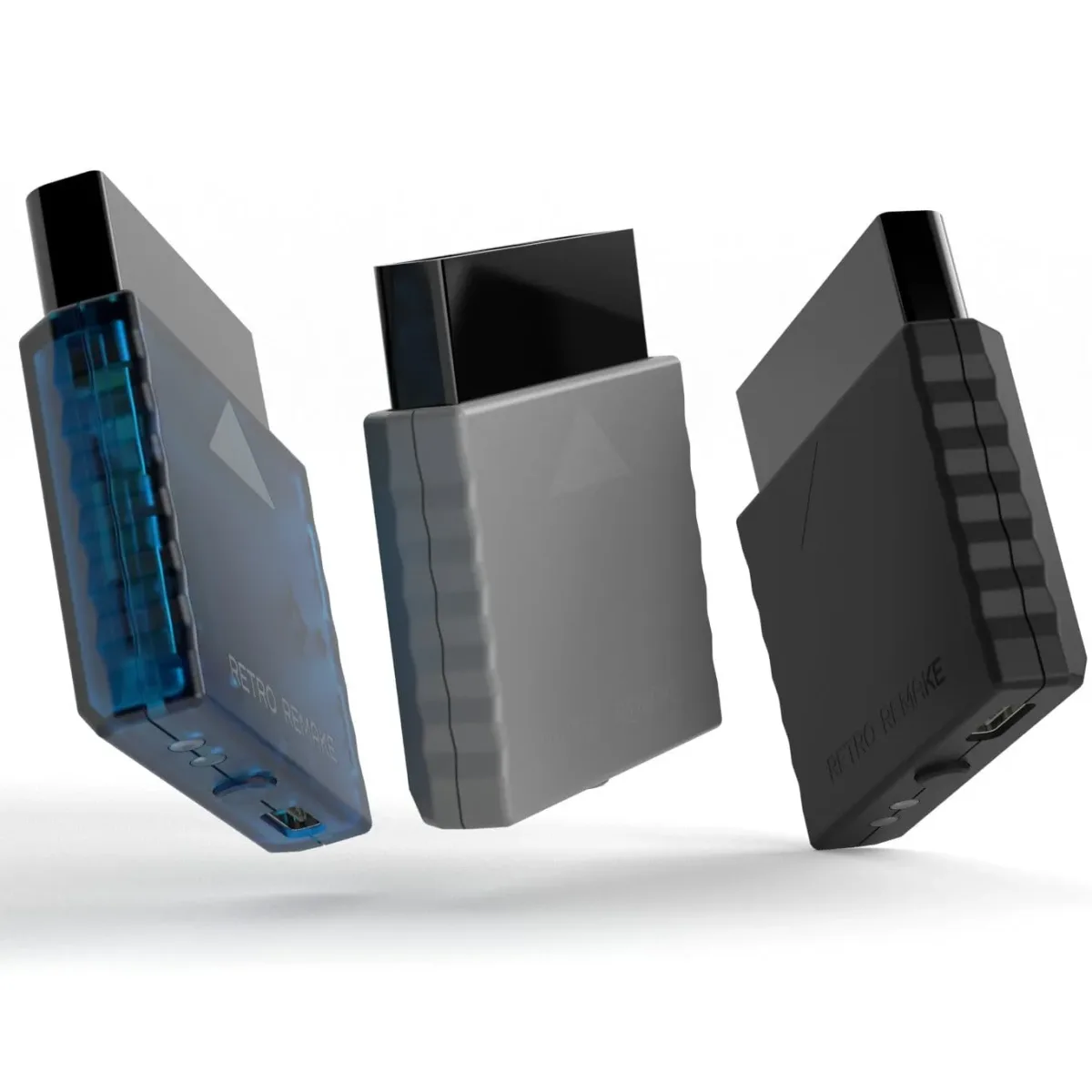
The limited-edition console news follows closely after the reveal of a SuperStation Bluetooth Receiver. The accessory connects through a controller port and is designed to allow the use of modern Bluetooth controllers with original PlayStation and PlayStation 2 hardware.
For players with aging original pads, a preference for contemporary wireless controllers, or a desire to use the same controller across old and new setups, that receiver adds another practical option to the wider Retro Remake ecosystem. It is separate from the SuperStation One itself, but its arrival underlines the company's focus on making classic PlayStation hardware easier to integrate into modern gaming spaces.
There are also accessories available for SuperStation One owners, including a PlayStation disc tray option. The disc tray is on a next-batch pre-order and is intended to let users use original PlayStation discs in a more authentic manner. That component is particularly notable for collectors with physical libraries who want an FPGA-based system without abandoning the ritual of loading their own discs.
Physical-media support can be an important dividing line in retro hardware. Some users are perfectly content with digital game files and broad multi-system compatibility. Others place real value on preserving access to the discs they bought decades ago. Offering a disc tray gives the SuperStation One a route toward serving both audiences, though buyers should ensure they understand which accessories are required for the setup they want.
What the SuperStation One represents for retro players
The SuperStation One sits at the intersection of several current retro gaming interests: FPGA accuracy, MiSTer experimentation, original media, and design nostalgia. It is not positioned as a mass-market miniature console. It is a premium hobbyist device for players prepared to spend more in exchange for flexibility and a more specialized approach to classic systems.
Its PlayStation-inspired shell is an important part of that identity, but the machine's wider compatibility prevents it from being defined by a single platform. For someone building a compact retro station around MiSTer cores, that breadth may be more compelling than the limited-edition exterior. For others, the transparent case is the deciding factor, especially if they already intended to buy the hardware.
The new editions therefore make the most sense as an aesthetic alternative to an already established platform, not as a fundamentally different console. They retain the SuperStation One's main strengths--its FPGA focus, multi-core potential, and solid presentation--while adding scarcity and a visual style that feels at home beside classic transparent gaming gear.
With pre-orders live from $249.99 and shipping expected to begin in December, interested buyers have a clear choice: select a standard version when available, or commit to one of the transparent limited editions before its allocation is exhausted. Given the promise that these colours will not return after this run, the latter option is likely to be the one that requires the faster decision.
Community
Discussion
Start the conversation.
No comments have been posted yet.