

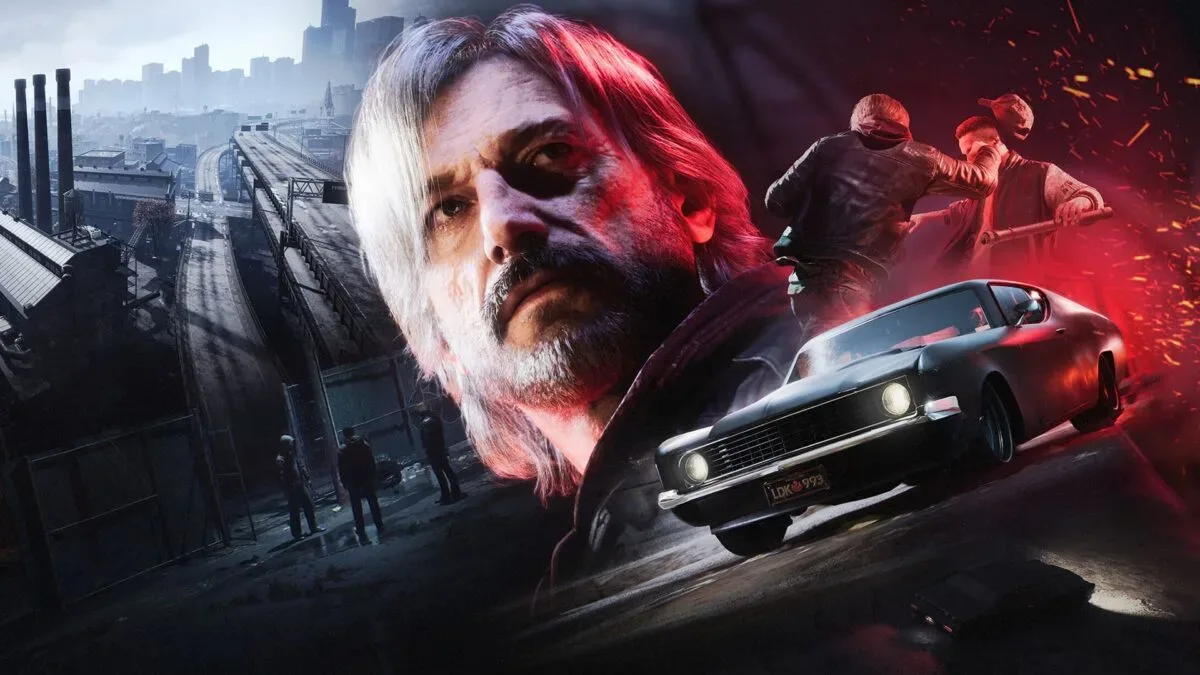
Liquid Swords, the Swedish developer and publisher behind the open-world crime game Samson, has entered bankruptcy just six months after the game first launched on PC. The Stockholm District Court issued the bankruptcy order on October 12, placing the future of the company, its staff, and its only released game into immediate uncertainty.
The studio was founded in 2020 by Christofer Sundberg, a former Avalanche Studios co-founder who previously oversaw development across the four Just Cause games during his time at that company. Liquid Swords positioned itself as a new Swedish team focused on ambitious action experiences, but its first project struggled to find stable footing after release.
Samson arrived on Steam on April 8, 2026, presenting players with a GTA-style open-world action game. Its release was met with a difficult critical and player response, driven largely by reports of major bugs and technical performance problems. The game currently holds a 51 percent score on Metacritic, reflecting a launch that failed to meet the expectations attached to a project from a studio led by a veteran of large-scale action games.
While the bankruptcy process has begun, Liquid Swords' assets are reportedly being put up for sale. That includes Samson itself, meaning another party could potentially acquire the game and decide whether to continue support, issue patches, or take the property in a different direction. The bidding window is scheduled to close on October 21, when a clearer picture of the game's immediate fate may emerge.
For useful background on this topic, read Dungeons & Dragons: World of Warcraft Aims to Bring Azeroth to the Table Without Copying the MMO.
A troubled first release
Samson was Liquid Swords' first and, so far, only released title. The game entered a crowded open-world market while facing a familiar but serious challenge: players encountered problems severe enough to shape the conversation around the game more than its intended design ideas.
Criticism centered on a broad range of bugs as well as poor performance. In response, Sundberg published an apology to players through Steam, acknowledging that the state of the game at launch was unacceptable. He specifically pledged that Liquid Swords would work to address game-breaking bugs and performance issues through future updates.
That public response matters because it showed the studio was not ignoring the problems. Liquid Swords did release several patches after launch, attempting to improve the experience over the following months. Even so, post-launch repair work can be difficult for a small studio, particularly when a game's early reputation has already been defined by technical shortcomings and unfavorable reviews.
The situation also illustrates the harsh reality of launching a major game in an era when technical quality is immediately tested across numerous hardware configurations, content creators, review outlets, and communities. A patch plan can help rebuild trust over time, but it does not guarantee the commercial breathing room a developer needs to continue operating.
Reports of unpaid developers
The bankruptcy has a more immediate human impact beyond the uncertainty surrounding Samson. Liquid Swords reportedly employed close to 30 developers. Those employees reportedly had not been paid since August 2026, despite the team continuing to work over the past two months.
That reported unpaid period overlaps with ongoing efforts to support the game. A Steam update for Samson was released on October 8, only days before the court order. The timing means the studio was still shipping work shortly before its bankruptcy became public, despite the reported payroll situation.
For employees, a bankruptcy can turn an already stressful development period into a complicated legal and financial process. The court-appointed administration will be responsible for handling the company's assets and obligations. What that means for individual staff members, including whether they will be retained by a buyer or whether their work can continue in any form, remains unknown.
Liquid Swords and Sundberg, who is listed as the company's founder and chief operating officer, had not publicly addressed the bankruptcy order on their social media accounts at the time of the reports. As a result, there is little official detail yet on how the studio reached this point, whether any restructuring options were explored, or what the team hopes will happen to Samson after the sale process.
Console launch came shortly before bankruptcy
The timing is particularly striking because Samson had only recently expanded beyond PC. The game launched on PlayStation 5 and Xbox Series consoles on September 21, less than a month before Liquid Swords entered bankruptcy.
A console release can be an important second chance for a game that had a rough PC debut. It opens the project to a new audience and can create a new revenue opportunity after a developer has had time to deploy fixes. But bringing a game to consoles also requires resources: certification, version-specific testing, support planning, and continued technical work all add pressure to a studio already trying to improve its launch product.
It is not yet clear how the bankruptcy will affect owners on PlayStation 5 and Xbox Series systems. The game is already released, but future patches, customer support, server-related functions if any are involved, and long-term availability depend on the outcome of the asset sale and the decisions made by whoever gains control of the property.
Players on Steam face similar uncertainty. Existing updates remain part of the game's release history, but there is no confirmed roadmap for additional bug fixes or performance improvements. The October 8 update demonstrates that work was ongoing, yet it cannot be assumed that planned patches will arrive after the bankruptcy order.
What happens to Samson now?
Cirio Law, the administrator assigned in connection with the bankruptcy, has reportedly listed Liquid Swords and its assets for sale. In practical terms, that creates several possible outcomes for Samson.
- A buyer could acquire the game and continue development. This would offer the clearest route to further patches, though it would still depend on the buyer having the staff, technical knowledge, and financial reason to continue the work.
- A buyer could acquire the intellectual property without prioritizing active support. In that case, Samson could remain available while receiving few or no further updates.
- The assets could be divided or remain unsold. That would make continued support more difficult and could leave the game in its current state for an extended period.
None of those outcomes has been confirmed. The October 21 deadline is the next major date to watch, as it may reveal whether there is meaningful interest in the studio's technology, its game, its intellectual property, or some combination of all three.
There is also a distinction between buying a game and reviving a development operation. Even if Samson is acquired, the original people who built it may not necessarily remain involved. Knowledge of an existing codebase, a list of unresolved bugs, console development pipelines, and post-launch priorities can be difficult to transfer. The possibility of continued support is real, but it should not be treated as guaranteed.
A difficult outcome for a new studio
Liquid Swords' bankruptcy is a sharp reversal for a studio founded by one of the people closely associated with the explosive, open-world identity of the Just Cause series. The company had the experience of a prominent founder and a clear genre direction, but that did not shield it from the risks that accompany a first release.
For players, the most pressing question is straightforward: will Samson receive the fixes it still needs? The game's history shows that Liquid Swords had been attempting to respond to its technical problems. However, a bankruptcy changes the equation. The future of every additional patch now rests on legal proceedings and the result of a sale process rather than on a normal development roadmap.
For the reported team of nearly 30 developers, the focus is likely far more urgent than the game's patch schedule. Reports that staff went unpaid beginning in August cast a troubling shadow over the studio's final months, especially given that updates continued to be released and the console version launched during that period.
Until the bidding period closes and the administrator's next steps become known, Samson remains a released game with an uncertain future. Liquid Swords' brief history has already ended in bankruptcy; whether its sole game gets an opportunity to recover under new ownership is the question that remains.
Community
Discussion
Start the conversation.
No comments have been posted yet.