

Lollipop Chainsaw 2: Back2Back has the difficult job of following one of the most singular zombie action games of its era. The original Lollipop Chainsaw was never built on a radically complex combat system, nor was it revered for technical polish. Its cult status came from a much stranger cocktail: a cheerleader with a chainsaw, a talking severed boyfriend's head, obnoxious energy, pop-punk attitude, horror-comedy excess, and a willingness to make almost every encounter feel like a loud, gaudy joke.
That makes the sequel's early demo at Tokyo Game Show a concerning first look. It is understandable that an unfinished game will lack refinement, context and content. Yet a public demo still needs to communicate why a project exists and what direction it is taking. At this stage, Back2Back appears very familiar on the surface, but its gameplay and presentation have not yet demonstrated the personality needed to make that familiarity feel meaningful.
Producer Joe Tung of Nada Holdings addressed the series' legacy during an official Tokyo Game Show stage presentation. Tung expressed gratitude to the original game's key creative figures: Suda51, James Gunn and Yoshimi Yasuda. He described their work as legendary and said it inspired him to try to meet that standard when he had the opportunity to work on Lollipop Chainsaw RePop, the recent remake. That work ultimately led to Tung, Nada Holdings and Dragami Games participating in the franchise's first full sequel in nearly 15 years.
However, Back2Back is being made without the involvement of those three creative leads. That does not automatically mean the sequel cannot succeed, but it increases the importance of establishing a confident new identity. A successor does not need to imitate every decision made by its predecessor. It does, though, need to understand which parts of the original's formula gave it its spark.
For useful background on this topic, read Mark Darrah Would Cut Dragon Age: Origins' Most Divisive Quest.
A Familiar Return for Juliet and Nick
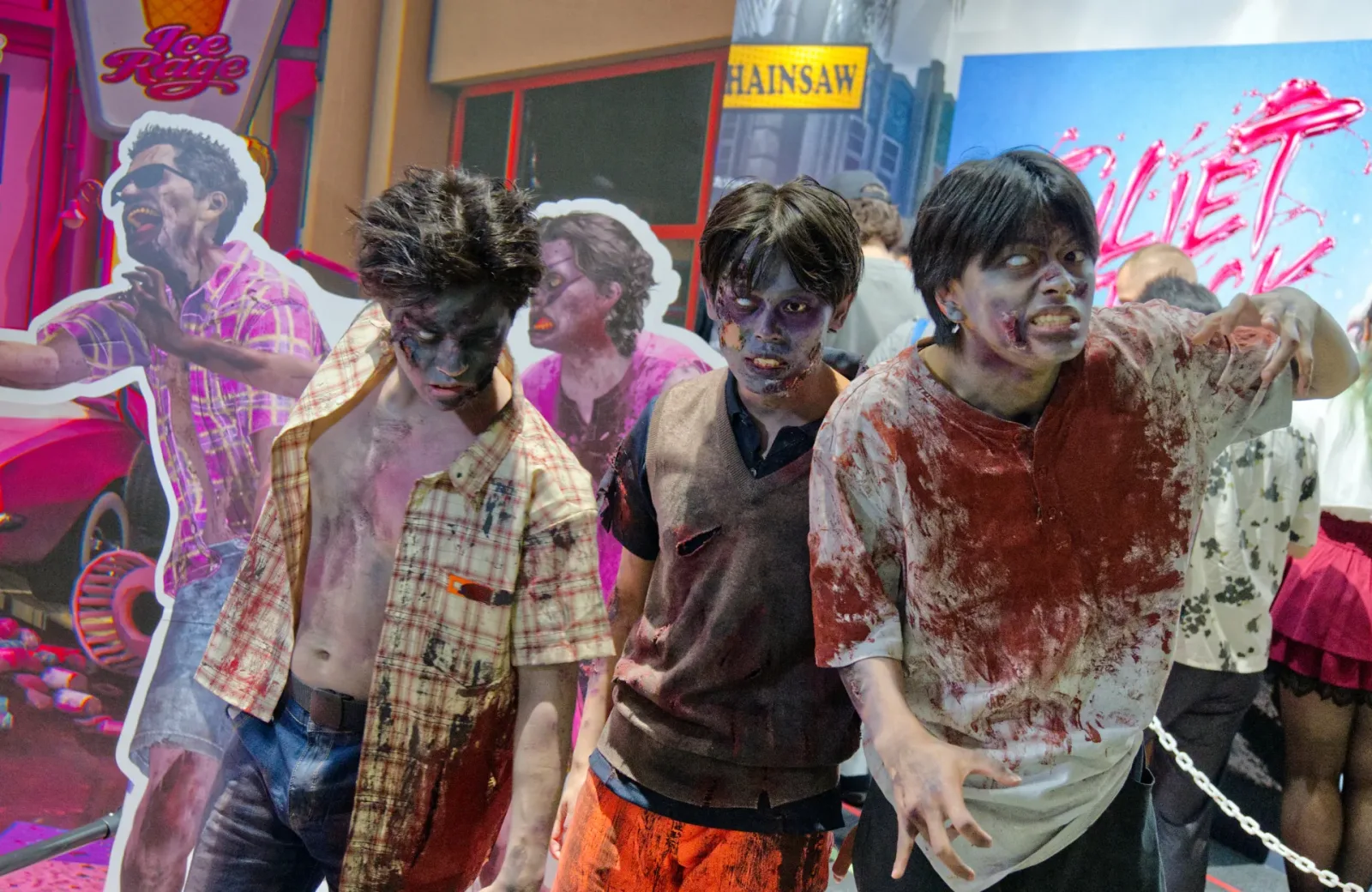
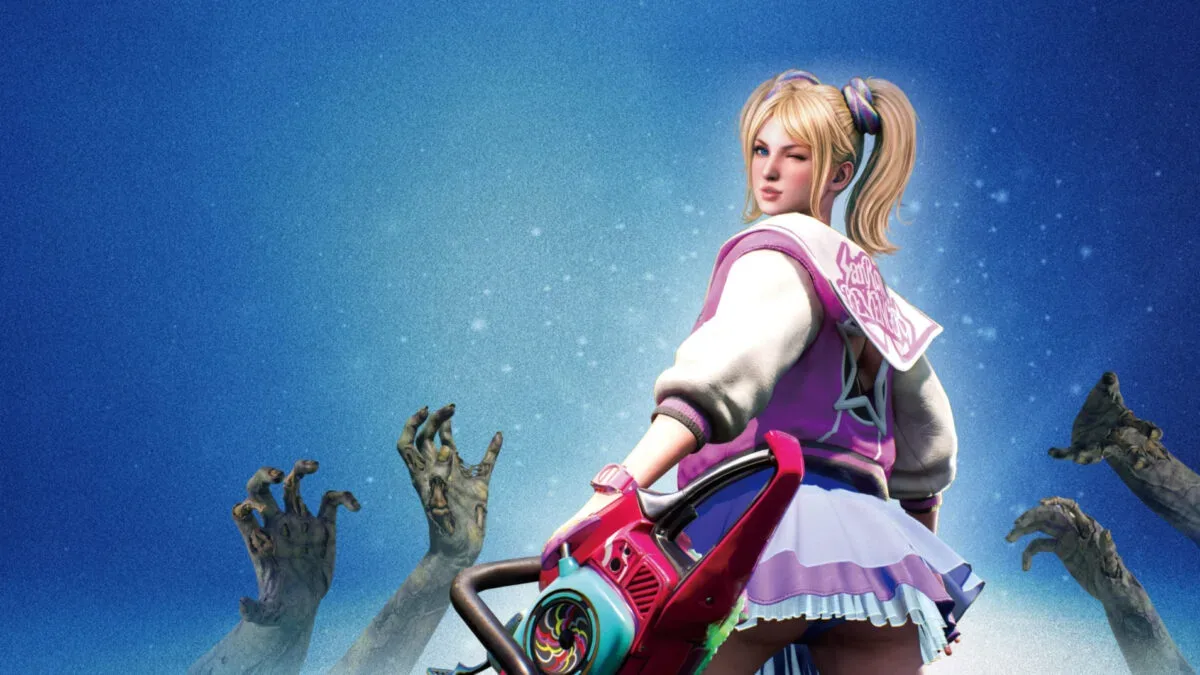
The sequel wastes no time signaling that it is returning to the old setup. Juliet, the chainsaw-wielding cheerleader protagonist, is back. So is Nick, her boyfriend, whose severed head remains attached at her waist. The Tokyo Game Show display reinforced the recognizable iconography, including a photo area featuring Juliet alongside three zombies posed for attendees.
There is a clear commercial logic in leaning into that imagery. Juliet and Nick are inseparable from the series' identity, and fans would likely be wary of a sequel that discarded them. But recognizable characters and props can only carry a follow-up so far. The central concern raised by the demo is that Back2Back currently feels more like a recreation of surface-level elements than a game with a clear reason to revisit them.
The original's outlandish premise worked because it was supported by a complete tonal package. Juliet's relentlessly upbeat visual design clashed with grimy environments and undead carnage. Nick's ongoing commentary supplied banter and comedic rhythm. Licensed music gave the action an aggressively rebellious charge. Its jokes, references and boss concepts could be juvenile, but they were delivered with enough commitment that the game developed a distinct voice.
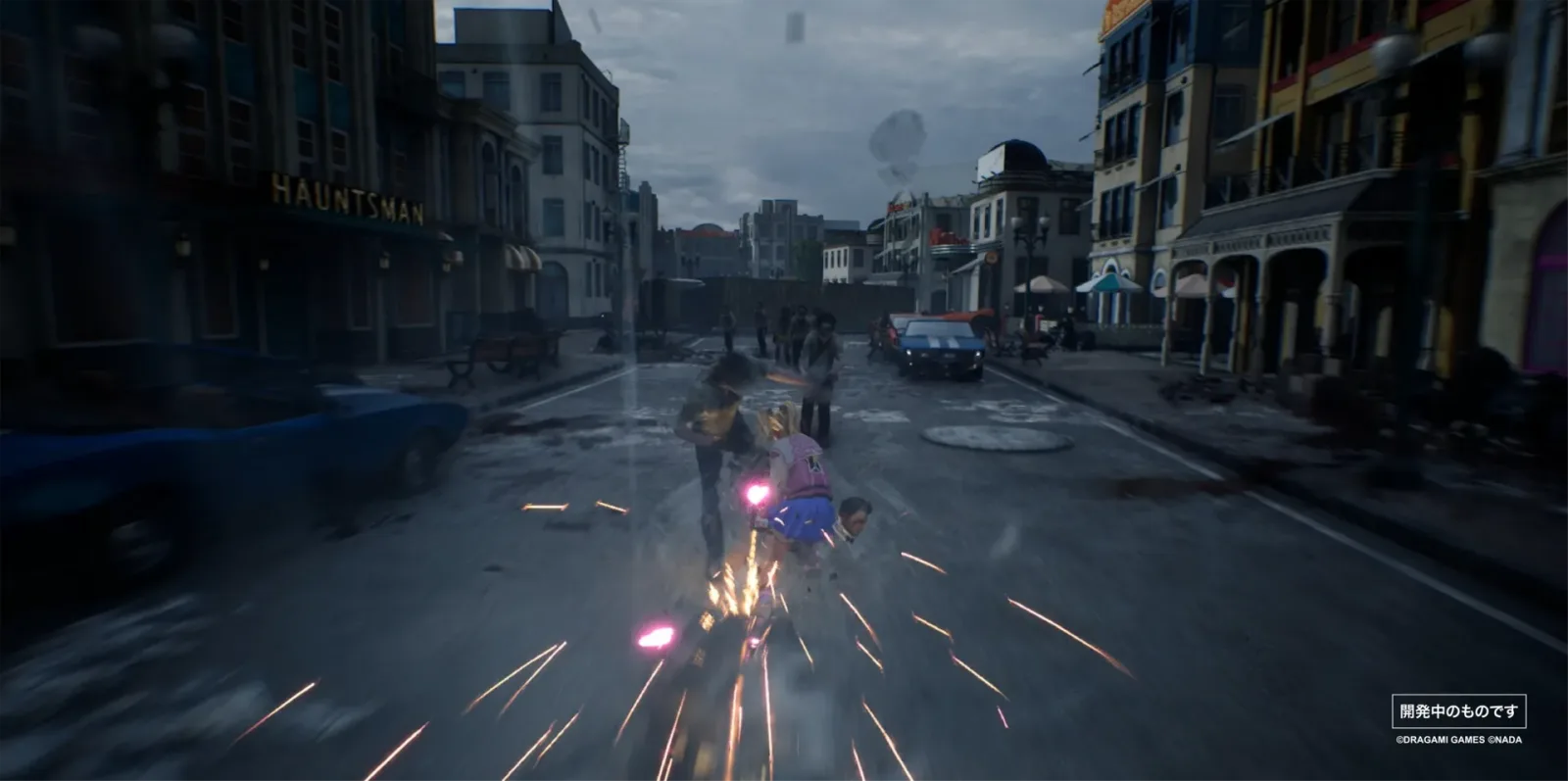
Back2Back's showing has not yet made its equivalent voice apparent. The playable section offers little setup for its world or scenario. Rather than introducing a premise, characters or an escalating comic situation, it drops Juliet into a gray cityscape engulfed in flames and asks players to cut through incoming zombie waves. The result is a conventional action-game opening that does not presently communicate what makes this particular zombie game different.
Combat Lacks the Impact a Chainsaw Game Needs
The most immediate issue is the feel of combat. In a game centered on carving through hordes with a chainsaw, attacks need to sell force, speed and impact. Even when the original's hack-and-slash systems were simple, animations, special moves, music and splashes of spectacle could make routine encounters feel energetic. The player was encouraged to enjoy the rhythm and absurdity of the violence rather than examine the depth of each individual input.
In the early Back2Back demo, attacks reportedly feel floaty and disconnected. Blood effects appear and the combo count rises, but the hits do not provide enough feedback to make slicing enemies feel satisfying. That distinction matters. An action game can have a modest move list if its core attacks are responsive and physical. Without convincing hit reactions, audio feedback or animation weight, even a large crowd of enemies can start to feel like scenery.
Movement has similar problems. Juliet's roller blades should be a natural source of speed and style, reinforcing her cheerleader-meets-slashers visual identity. Instead, movement through the demo environments feels sluggish rather than graceful. A character whose design promises momentum and flair should not seem as though she is pushing through resistance at every turn.
These are potentially fixable issues. Combat tuning, animation timing, sound effects, enemy reactions and camera behavior can all change substantially between an early demo and launch. But they are not small cosmetic concerns. They sit at the foundation of the experience. Back2Back will need to make every swipe, dodge, traversal move and finisher feel deliberate if it wants repetitive zombie combat to stay enjoyable.
The Missing Tone Is More Noticeable Than the Missing Polish
A rough build can be excused more easily than a vague creative direction. The absence of spoken banter in the demo stands out because dialogue was so integral to the original game's identity. Nick was not simply an unusual accessory; his running commentary helped define the pace and humor of the journey. The exchanges around Juliet, combined with the game's heightened writing, filled the quieter moments between action beats and helped turn its bizarre setup into a coherent comedy.
It is possible that Back2Back's voice acting was not ready for the Tokyo Game Show build. If so, the final game could sound significantly livelier. Still, the lack of dialogue exposes how little else is currently carrying the scene. Without story context, character chatter, punchy music or especially tactile action, the demo's zombies and burning streets do not leave a strong impression.
The visuals also need to do more than merely reproduce familiar character designs. The first game was not a technical showpiece, despite having Warner Bros. funding during development, but it had a recognizable visual clash between grime, pop color and cheerleader fashion. Back2Back's city environment presently seems much more anonymous. A bleak, burning urban landscape can work in a zombie game, but this series needs strong stylization to avoid blending into the genre's most generic imagery.
A Barbie-Inspired Boss Shows Both Promise and Confusion
The demo's boss fight offers the clearest example of the sequel's unresolved potential. The encounter features an obvious Barbie parody in a pink, dreamhouse-like setting. Zombie Kens worship the glamorous figure before she rewards them by throwing their heads at Juliet as attacks. On paper, that is exactly the kind of exaggerated, tasteless-in-a-deliberate-way concept that fits Lollipop Chainsaw.
It demonstrates that the development team recognizes absurdity as an important ingredient. The trouble is execution. With no writing to frame the scene, little context for the parody and combat that does not yet feel cohesive, the encounter reportedly turns into a disjointed sequence rather than a memorable showpiece. A strong boss in this series should feel like a complete comedic set piece: a visual gag, a character introduction, a musical moment and a gameplay escalation working together.
That is the difference between using bizarre imagery and building a bizarre game. A Barbie-inspired undead boss and an army of zombie Kens are not enough on their own. Back2Back needs the timing, dialogue, combat clarity and audiovisual confidence to transform the idea into something players will remember.
Less Than a Year Is an Ambitious Window
During the showcase, the team indicated that Lollipop Chainsaw 2: Back2Back is expected to arrive in less than a year. That timeline makes the early public showing especially notable. If the game is relatively close, the developers have limited time to address concerns around action feel, traversal, visual identity and storytelling presentation.
There is room for optimism because demos are snapshots, not final verdicts. Voice acting may be added. The soundtrack may be incomplete. Combat may receive extensive balancing and feedback improvements. The boss battle could be better in a version that includes its intended dialogue, transitions and final effects. A vertical slice can also be unrepresentative, particularly when its purpose is to put a playable build on a convention floor.
But the central task is larger than polishing a few rough edges. Back2Back needs to articulate its own perspective on the series. It cannot rely only on Juliet, Nick, chainsaws, zombies and callbacks to prove that a sequel is worthwhile. The original was memorable because its various parts reinforced an unruly but unmistakable sensibility. This follow-up needs to find a similarly confident combination of comedy, music, movement and action.
For now, the Tokyo Game Show demo suggests a project still searching for that combination. The sequel has some of the right visual ingredients, and the Barbie-inspired boss concept points toward the kind of wild imagination the series can support. Yet the game's early combat and presentation do not currently provide the impact, humor or character that made Lollipop Chainsaw endure as a cult favorite. With a stated release target of less than a year away, Back2Back has substantial work ahead if it is to become more than a familiar-looking return.
Community
Discussion
Start the conversation.
No comments have been posted yet.