

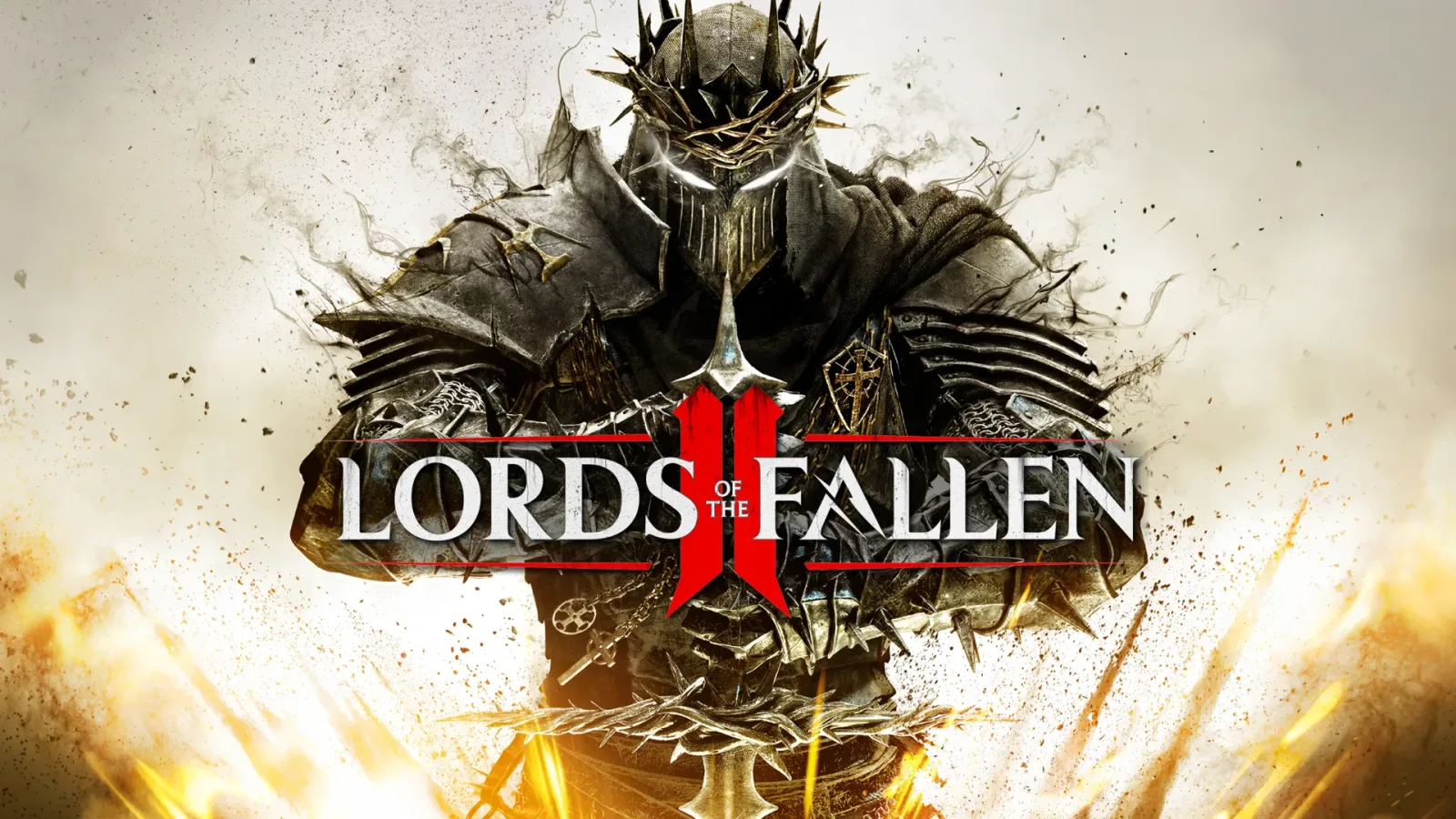
Lords of the Fallen II is putting combat variety at the center of its next major development update. CI Games has released the 11th entry in its Lifting the Veil video series, titled Steel & Sorcery, offering a closer look at how the upcoming action RPG is reworking melee combat, spells, ranged tools, and the connections between them.
The headline number is substantial: the sequel is planned to feature nearly 30 entirely distinct weapon movesets, roughly double the 15 included in the 2023 game. But the developer's larger goal is not simply to add more animations to a weapon list. The new systems are intended to give every weapon category a clearer battlefield role while also making it easier for players to combine swords, magic, projectiles, buffs, and alternate loadouts during an encounter.
That could prove important for a series built around deliberate, dangerous combat. A higher number of movesets only matters if those moves open up meaningful choices, and CI Games says Lords of the Fallen II is being structured around greater tactical expression. Repositioning blows, continuing combo strings, and attacks that control an area are among the types of maneuvers being added across the expanded arsenal.
More distinct options for melee fighters
The original Lords of the Fallen had 15 weapon movesets. Its sequel is targeting almost 30, with weapon classes receiving individual mechanics and attack patterns rather than relying as heavily on shared foundations. The aim is for players to recognize a practical difference in how they approach a fight based on their chosen armament, not merely the amount of damage a weapon displays in an inventory menu.
For useful background on this topic, read Tripwire Presents Launches New Indie Support Program With Five PC Games.
CI Games has highlighted several ways those differences will emerge. Certain weapons can provide attacks that move a character into a new position, potentially helping a player evade pressure while maintaining an offensive rhythm. Others can support seemingly unending combo chains, rewarding players who can sustain their timing and stay close to an opponent. Area-of-effect attacks will also be available, providing a different answer when a battle involves multiple threats or demands control of nearby space.
The sequel is also distinguishing one-handed and two-handed combat more clearly. Rather than having these approaches feel like small variations of the same style, their movesets are meant to carry stronger identities. That should give players a more concrete reason to consider stance and weapon handling as part of a build, especially when deciding whether mobility, speed, reach, poise, or heavy impact best suits a particular challenge.
Boss weapons are another part of the plan. These special armaments will include signature attacks, giving them an identity beyond their stats or visual design. In games where boss rewards often arrive after players have already learned the combat lesson a particular enemy represents, distinct attacks can make those prizes feel more like fresh tools than trophy items.
Mid-combo switching could change the flow of fights
One of the update's most notable features is mid-combo weapon switching. Lords of the Fallen II will allow combatants to transition between one-handed and two-handed stances while attacking, as well as switch between two melee loadouts during a combo. This could make build crafting less about carrying one primary solution and more about preparing a sequence of options for different moments in the same fight.
In theory, a player might begin with the quicker pressure of a one-handed weapon, change their grip for a heavier strike, then move into another melee setup before an enemy has fully recovered. The practical usefulness will naturally depend on input responsiveness, recovery frames, enemy aggression, stamina demands, and how readily foes can interrupt a chain. Still, the system suggests a sequel that wants players to actively use their entire kit rather than treat secondary equipment as something reserved for menus or very specific scenarios.
New counterstrike attacks will add another layer to the melee game. CI Games has not laid out every condition needed to activate those attacks, so it remains unclear exactly how they will fit alongside guarding, dodging, parrying, or other defensive options. Their inclusion nevertheless points toward more opportunities to turn an enemy's offense into a damaging opening.
The design philosophy appears consistent across the reveal: combat is meant to be more flexible without abandoning the weight and commitment expected from the franchise's dark fantasy action. Giving players greater freedom to pivot during an exchange could make encounters feel more expressive, but the eventual balance will determine whether these systems reward smart adaptation or simply encourage constant cycling through the most efficient attack pattern.
Quickfire brings magic and projectiles closer to melee
Hybrid builds are receiving particular attention in Lords of the Fallen II. A new system called Quickfire allows players to equip two Quickfire abilities for each melee loadout. These abilities can immediately call upon magic, ranged projectiles, or buffs without requiring a stance change first.
That is a meaningful adjustment for characters that do not want to commit exclusively to a staff, catalyst, bow, or melee weapon. In many action RPGs, changing to a spellcasting or ranged tool introduces a pause in momentum. Quickfire is designed to reduce that interruption, allowing a warrior to weave a projectile into close-range pressure or activate a buff while remaining focused on the current exchange.
It also works alongside the game's separate dedicated stances for magic and ranged disciplines. Those stances are said to offer mobility comparable to melee, which could help avoid the familiar trade-off where casting and ranged play are powerful but leave a character rooted in place or excessively vulnerable. CI Games is positioning those disciplines as complete combat paths rather than supplemental systems only used from a safe distance.
The update presents this as an expansion of player choice rather than a requirement to master every style. A focused melee build can still lean into its preferred weapon class, while a hybrid character may have more ways to react to situations without sacrificing the pace of a close-quarters encounter. The success of that idea will likely rest on whether each path retains real strengths and weaknesses.
Seven schools of magic and broader spell access
Magic is also receiving a major increase in breadth. Lords of the Fallen II will feature seven schools of magic, though the latest presentation does not yet name all of them or explain their individual themes. Players will be able to cast spells instantly, with each catalyst able to hold up to four spells. Equipping a second catalyst can provide access to another four, opening the door to a much wider spell selection during an adventure.
Some spells will have chargeable versions, adding a possible decision between releasing an effect quickly and committing additional time for a stronger result. Meanwhile, mana can be restored through the Sanguinarix. The specific limits, risks, and resource balance around that restoration have not been detailed, but it is a notable element for players interested in spell-focused playthroughs. Reliable mana recovery can make a caster feel sustainable; how that resource is constrained will determine how aggressively players can rely on it.
The catalyst system and Quickfire feature together suggest that magic users may not need to choose between having a broad spellbook and maintaining a fluid combat tempo. Four immediately available spells, an optional second catalyst, and fast integration with melee loadouts could offer a substantial amount of on-the-fly adaptation. At the same time, seven magic schools may make experimentation especially valuable for players who want to discover synergies between elements, buffs, damage tools, and weapon choices.
Ranged builds receive a more sustainable foundation
Ranged combat is being adjusted with the goal of making fully ranged runs more practical. Standard ranged weapons will have access to an infinite base ammunition supply. More powerful ammunition variants will still need to be replenished at designated points around the world, preserving a distinction between dependable baseline shots and higher-impact resources.
This approach could relieve a longstanding concern for players who enjoy bows, crossbows, or other projectile-focused tools but do not want basic combat viability tied entirely to gathering ammunition. Infinite standard ammo means a ranged specialist should retain a dependable response even after using their best supplies. Meanwhile, restricted access to stronger variants creates room for players to save powerful options for bosses, elite enemies, or particularly hazardous areas.
As with the spellcasting changes, the developer is emphasizing that ranged combat has its own stance and comparable mobility. That may make it more attractive to players who prefer to manage distance rather than trade blows at close range, while still requiring awareness of positioning and enemy movement.
Experimentation is a stated priority
CI Games is also adding a quality-of-life feature meant to reduce the penalty for exploring different weapons later in a playthrough. Players will be able to recover weapon upgrades for a small cost. This should make it less punishing to invest in a weapon, decide it does not suit a build or playstyle, and redirect those resources toward another option.
That change fits the wider combat overhaul. Nearly 30 movesets, multiple stances, two melee loadouts, Quickfire skills, spell catalysts, and revised ranged systems all invite experimentation. Allowing upgrades to be recovered means players can more comfortably engage with that variety instead of feeling locked into early decisions.
The studio has said the changes reflect feedback following the 2023 release as well as the additional time spent developing the sequel. The latest Lifting the Veil episode features Chief Creative Officer Ryan Hill and Lead Combat Designer Mike Vermeulen, joined by launch creative team members Travis "Pastorgainz" Hughlett and Chandler Huddleston. A combat gameplay montage was released alongside the episode.
Lords of the Fallen II is targeting a global launch in the first quarter of 2027. It can currently be wishlisted for PC through Steam and the Epic Games Store, PlayStation 5, Xbox Series X|S, and Nintendo Switch 2. CI Games is developing the game, while PLAION will support physical distribution and retail sales worldwide. The title has not yet been rated; it carries an anticipated ESRB Mature 17+ rating and a provisional PEGI 18 classification.
Community
Discussion
Start the conversation.
No comments have been posted yet.