

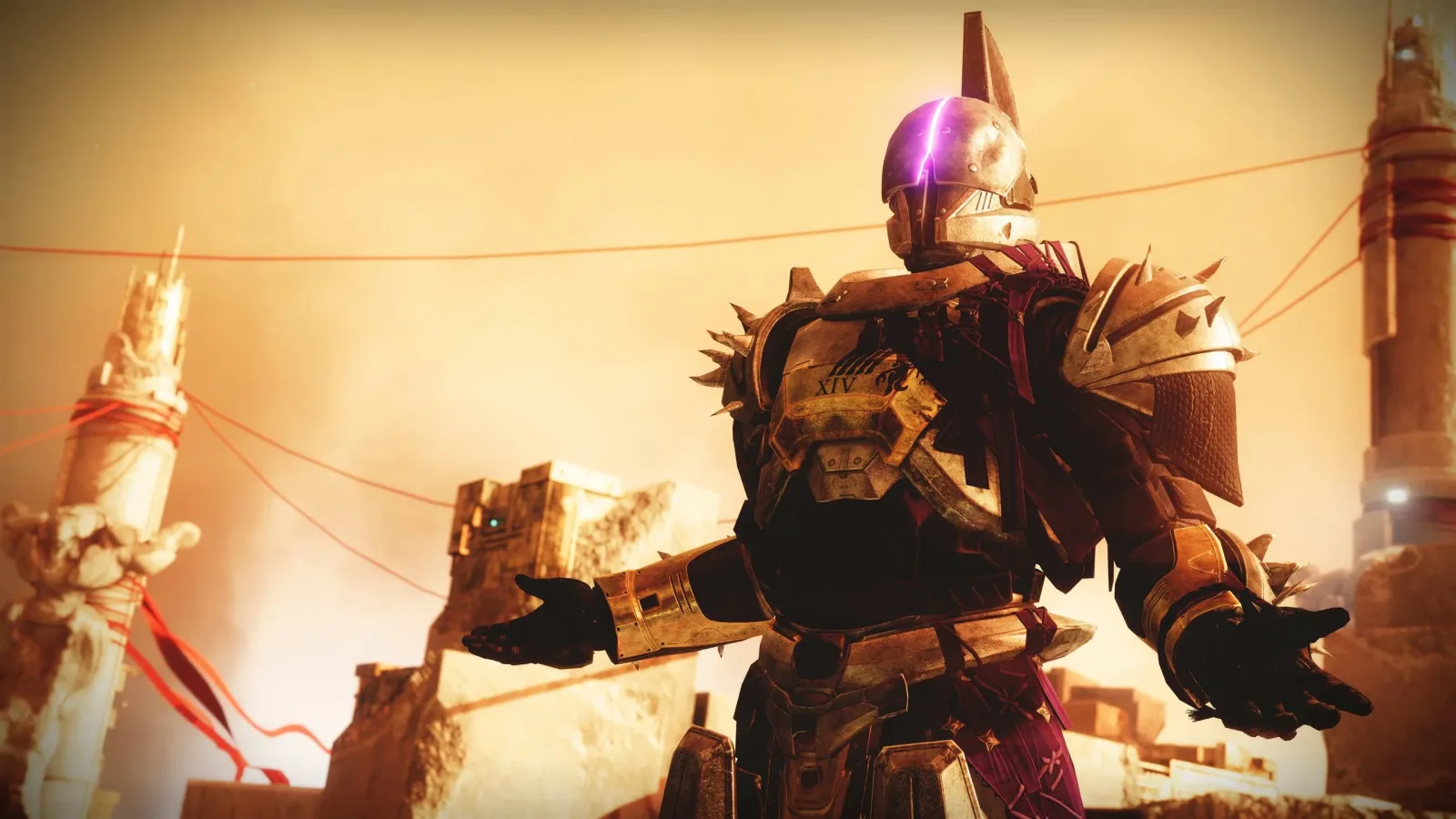
Destiny: The Taken King has reached its 11th anniversary, and former Bungie studio vice president Mark Noseworthy has marked the occasion with a candid reflection on the expansion's place in the franchise's history. For Noseworthy, The Taken King was not merely a successful content release. It represented a moment when Bungie recognized how much players enjoyed the core of Destiny while also confronting the many ways its first year had fallen short.
In a post shared on Twitter, Noseworthy said The Taken King remains the Destiny project he is most proud of and his personal favorite as a player. He described the development team's outlook with a remarkably direct internal mantra: "I love playing Destiny. I hate that it's not better." That tension neatly summarizes the experience of Destiny's earliest era: an enormously compelling shooter with exceptional moment-to-moment gameplay, but one that needed clearer systems, stronger rewards, more coherent storytelling, and a better sense of purpose.
Noseworthy left Bungie in 2024 alongside other senior staff during a period of layoffs. His retrospective arrives at a time when Destiny's long history is being reassessed, including the expansions that rescued, reshaped, or meaningfully expanded the game after difficult stretches.
The Taken King Turned Potential Into Direction
When the original Destiny launched in 2014, it was difficult to ignore the quality of its shooting, art direction, music, and social activities. Few games could match the feel of its weapons or the thrill of overcoming a challenging encounter with a fireteam. Yet the game's larger structure was much less certain. Its narrative was widely seen as too thin, progression could be opaque, and players often lacked satisfying reasons to pursue gear or remain engaged between major activities.
For useful background on this topic, read Exodus Will Allow Multiple Romances, but Companion Reactions Could Turn Complicated.
The Vault of Glass, Destiny's first raid, was an early sign of what the game could become. Its puzzles, teamwork, secrets, and escalating combat gave players a clear demonstration of the kind of shared experience Bungie could build. For many Guardians, it was the activity that transformed Destiny from a promising shooter into a game worth committing to. It helped establish the language of Destiny's endgame, but it did not by itself solve every larger issue surrounding the first year.
The Taken King did. Arriving in 2015, the expansion delivered a major new campaign centered on Oryx, introduced the Dreadnaught destination, added a substantial raid in King's Fall, and gave players a much stronger suite of progression and customization options. The story had greater focus, the villain had a memorable presence, and the game's activity loop became more rewarding and understandable. Crucially, it made Destiny feel less like a collection of impressive but disconnected ideas and more like a unified game with a future.
That change is why The Taken King continues to hold such a central position in discussions of Destiny's best expansions. Its success was not only about the volume of new content. It was about the confidence of the overhaul. Systems that had frustrated players were reconsidered, while the parts of the game that already worked--high-level combat, cooperative challenge, exotic gear, raid spectacle, and a distinctive science-fiction universe--were given a more effective framework.
A Pattern of Reinvention Followed
The Taken King also established a pattern that would recur throughout Destiny's life. The franchise has often been at its strongest when an expansion arrives with the dual job of providing fresh adventures and correcting foundational weaknesses. That has created a familiar emotional cycle for its community: excitement for the underlying world and gameplay, disappointment when systems do not fully support that potential, then renewed optimism when Bungie delivers a major course correction.
The saying that emerged among players--"I hate Destiny, it's my favorite game"--may be harsher than Noseworthy's development mantra, but it comes from the same place. Destiny can inspire unusually intense attachment because its best qualities are so powerful. A player who has experienced a dramatic raid clear, a hard-fought Trials match, a perfectly tuned strike, or the first drop of a coveted weapon knows how special the game can be. That makes perceived missteps in rewards, balance, onboarding, story delivery, or content availability feel even more frustrating.
Destiny 2's Forsaken is one of the clearest examples of the cycle repeating. Following a troubled launch period for Destiny 2, Forsaken arrived as a significant response to concerns over the game's direction. It is frequently compared to The Taken King because both expansions followed moments when the franchise needed to regain player confidence. Each provided substantial new material, but each also acted as a repair job, reshaping systems and giving the endgame a stronger identity.
That comparison raises a useful way of judging Destiny expansions. Is a release primarily fixing the game, or is it able to celebrate and extend a healthy foundation? The most beloved Destiny releases usually manage both, but the distinction matters. A corrective expansion can be excellent while still revealing that the game previously drifted away from what players wanted. An expansion built on a stable, thriving game has more room to take creative risks, deepen its world, and push the experience into genuinely new territory.
The Enduring Strength of Destiny's Major Expansions
The Taken King is often placed among a small group of Destiny expansions regarded as defining achievements. The Witch Queen and The Final Shape are also commonly cited at the top of the franchise's catalogue. While fans will continue debating their preferred order, all three demonstrate the importance of a confident campaign, compelling lore, rewarding long-term pursuits, and high-quality cooperative activities.
There is a particularly notable through line between several of these high points: the Hive. The Taken King's Oryx remains one of Destiny's most important antagonists, and the Hive's mythology has consistently provided fertile ground for stories about power, death, memory, gods, and the strange rules that govern the universe. Their lore has the scale to support Destiny's grandest ideas while retaining a sense of menace that works especially well in campaigns and raids.
Still, the legacy of The Taken King should not be reduced to nostalgia for a single villain or raid. Its larger accomplishment was making the original Destiny's promise feel tangible. It showed that Bungie could listen to friction points, rework key systems, and produce an expansion that felt essential rather than supplemental. The game had always had the mechanical foundation to become a long-running hobby for millions of players; The Taken King gave that foundation a far more convincing structure.
Destiny's Future Is No Longer About Turning the Corner
There is an added melancholy to looking back at The Taken King now. Destiny 2's final update left the game in what many consider one of its strongest overall states. Fear of missing out was removed, loot received updates, and numerous events remained accessible. Those changes addressed several issues that had defined difficult periods of the live-service experience, particularly the pressure created when content and rewards could disappear.
At the same time, active development on Destiny 2 has ended as Bungie has shifted its focus toward Marathon. The result is a different kind of endpoint from earlier Destiny turning points. The game has been improved and stabilized, but it is no longer pursuing the next huge reinvention or expansion-driven leap forward. The possibility of another dramatic corner being turned has been replaced by a final, settled version of the experience.
Marathon's own plans have changed as Bungie works to address its challenges. Its seasonal schedule has ended, while an update once planned for September has been delayed to December. The studio has also been moving the project closer to elements associated with Destiny 2. Those developments make Noseworthy's remembrance of The Taken King feel especially relevant: Bungie's most demanding projects often hinge on identifying what is already exciting, acknowledging what is not working, and finding the right preparation to bring the whole experience together.
For Destiny, The Taken King remains the expansion that proved improvement was not an abstract promise. It was proof that a game players already loved could become substantially better when its creators directly addressed the gap between potential and reality. Eleven years later, that remains a powerful standard for any evolving multiplayer game.
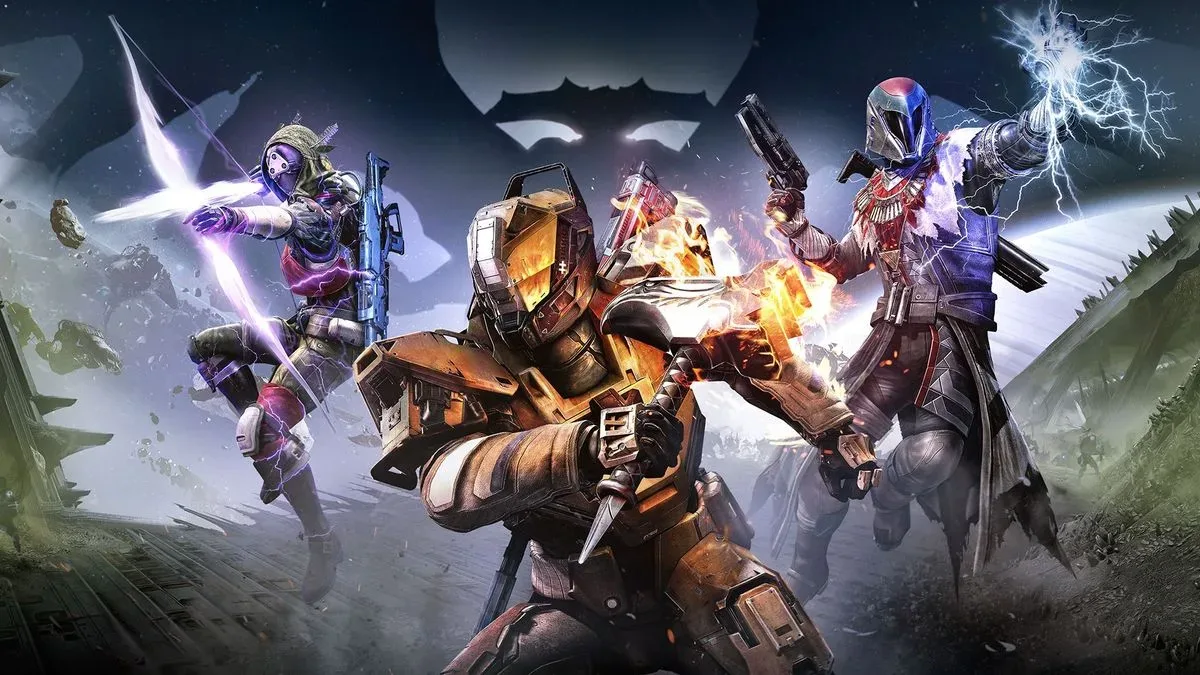
Community
Discussion
Start the conversation.
No comments have been posted yet.