

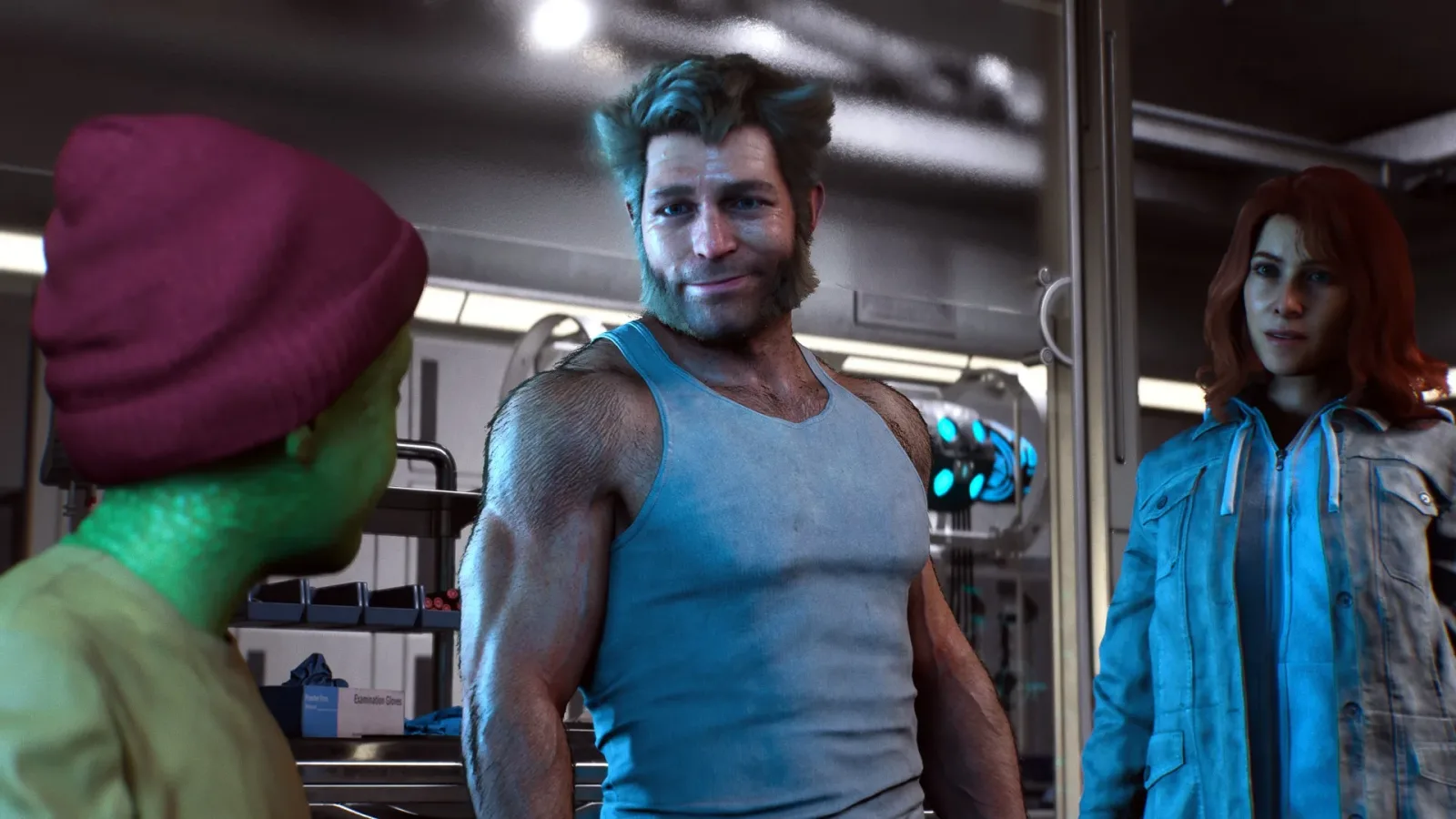
Marvel's Wolverine is built around a character who can survive almost anything, and that creates a deceptively difficult visual problem. If Logan can take blades, bullets, debris, and bone-crunching impacts before healing himself moments later, how does a game make its fights feel like they have consequences? Insomniac Games' answer is to let the consequences linger on the clothes.
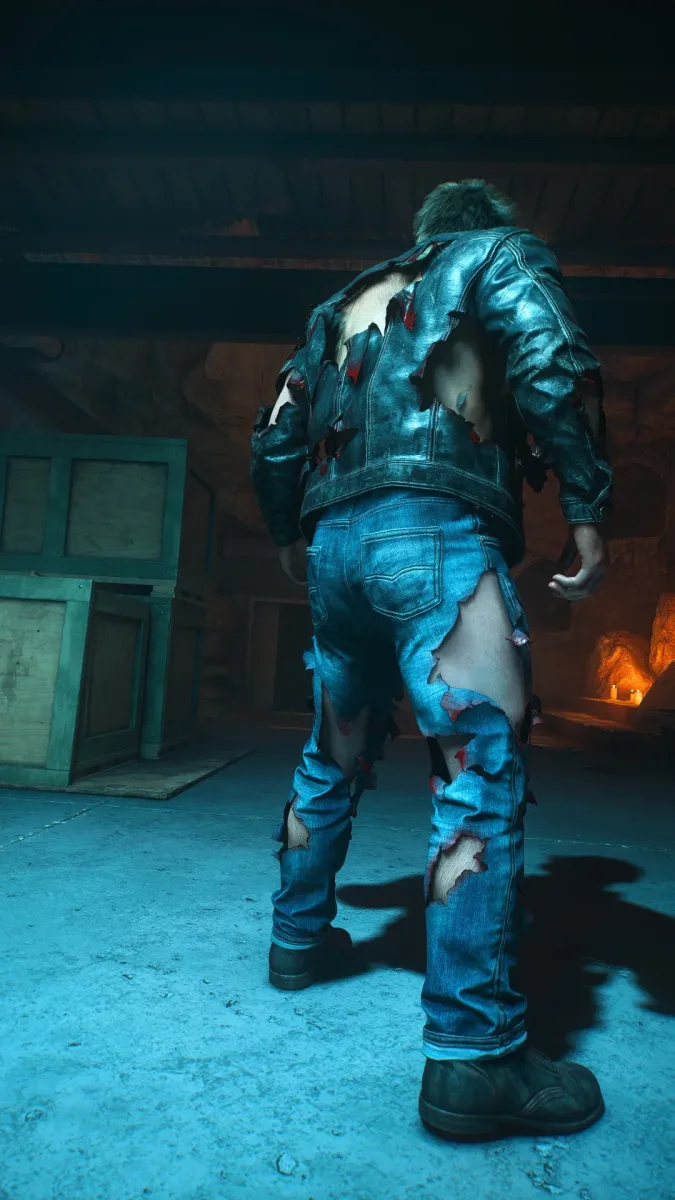
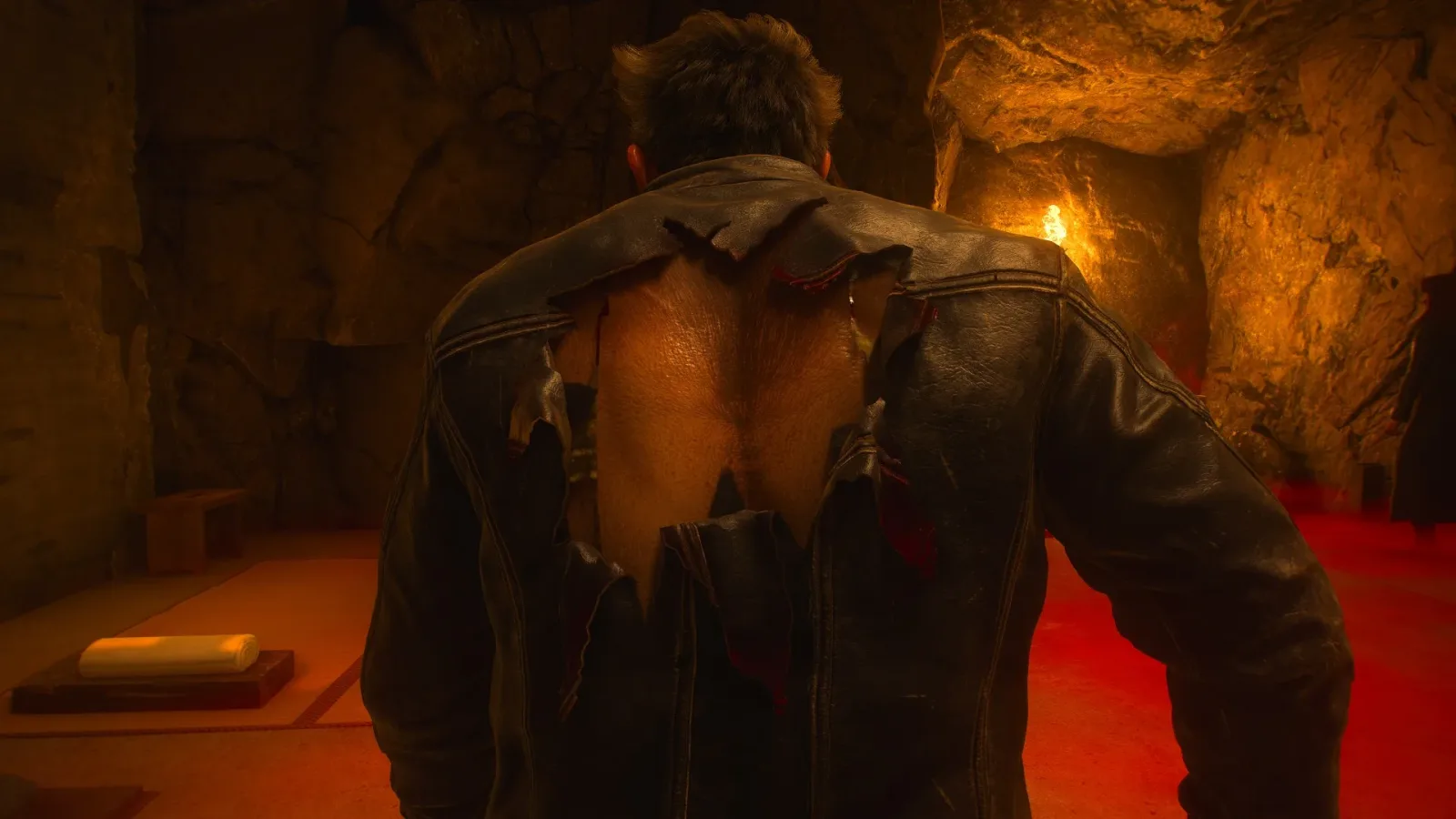
Logan's body may recover, but his wardrobe does not immediately share that ability. Throughout combat, his suits, jackets, flannels, and other outfits can be visibly ripped apart. Fabric tears open across his back, chest, arms, legs, and mask; blood and grime accumulate; and the player is left with a version of Wolverine who looks as though he has actually fought his way through a room full of dangerous people. It is an unusually effective detail in a game starring a hero whose healing factor could otherwise erase much of the physical drama of each encounter.
The feature is especially fitting for a Wolverine game because his fighting style is not built on immaculate avoidance. Logan can be fast, forceful, and skilled, but he is also the kind of character who is willing to absorb a hit if it helps him close the distance or protect somebody else. His near-immortality turns his own body into a tool as much as a vulnerability. He can push through attacks that would stop most heroes, then answer with claws. That approach gives Insomniac plenty of opportunities to show combat leaving a mark, even if the marks are not permanent.
A visible record of the fight
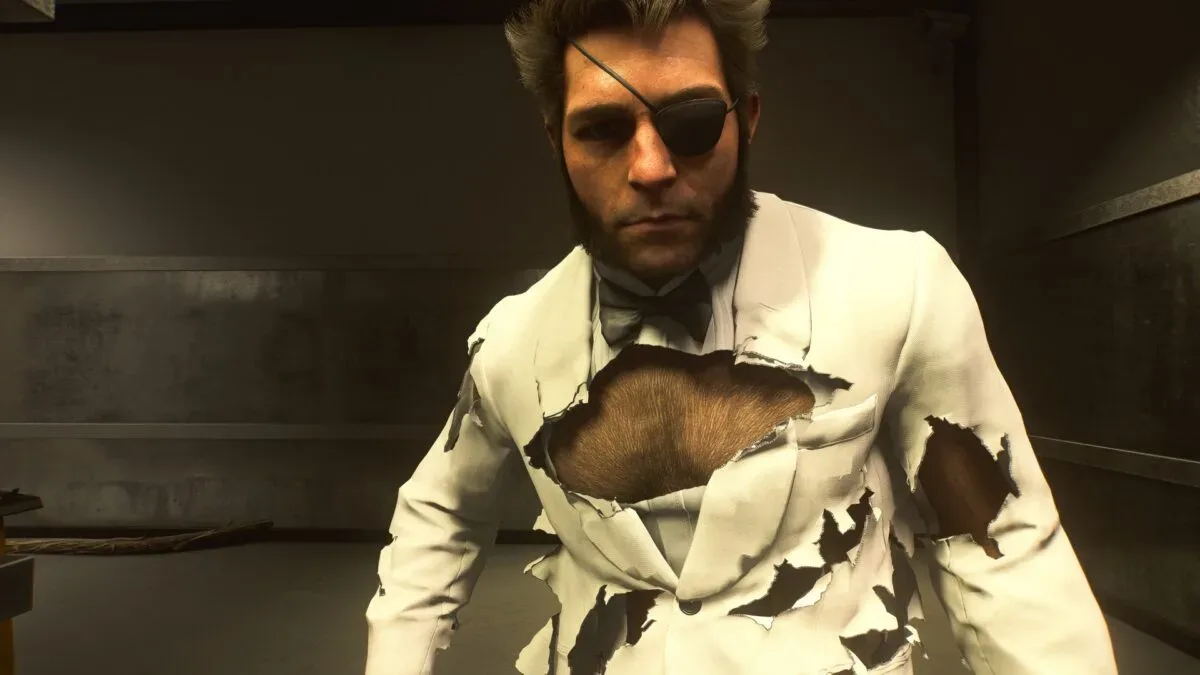
Damage systems for character clothing are not new, but Marvel's Wolverine appears to treat the idea as more than a generic dirtying effect. Different outfits react in different ways, helping each costume retain its own personality even after a long brawl. An iconic yellow suit can be torn in one set of areas while remaining intact in others. Casual layers such as a flannel shirt and denim jacket can become ragged in a manner that makes the remaining fabric look as though it is barely hanging on. Formal clothing holds together differently again.
For useful background on this topic, read Aurzen E1R Roku TV Mini Projector Falls to $90, Bringing Big-Screen Streaming to a Smaller Budget.
That variation matters. A less considered system could simply swap a pristine costume for a universally damaged version after a set amount of health is lost. By making destruction feel connected to the clothing Logan is actually wearing, the game makes an outfit seem like material with weight and structure rather than a skin laid over a model.
It also adds a little visual storytelling without interrupting the action. After a difficult encounter, Wolverine's battered appearance acts as a brief summary of what the player has endured. Torn cloth, exposed skin, and bloodstains communicate that the fight was not a clean victory. For a character associated with ferocious close-range violence, that is much more resonant than simply watching a health bar refill.
There is an important contrast at the center of the system: Logan himself heals, while the evidence around him takes longer to disappear. His regeneration is supposed to be astonishing, and the game benefits from preserving that fantasy. At the same time, keeping his clothing damaged for a while prevents his recovery from making combat feel entirely consequence-free. It is a compromise between comic-book invincibility and the need for fights to retain texture.
Finding the balance between damage and power
Insomniac has previously discussed the balancing act behind the mechanic. The studio did not want players to spend huge portions of the game in clothing that was completely reduced to tatters. The intended effect was not to make Wolverine look helpless or worn down after every battle, but to provide a cinematic reminder of the brutality he has just survived.
That distinction makes sense. A permanent or overly aggressive degradation system could easily undermine the fantasy. Wolverine is not meant to look defeated because he took a few hits; he is meant to look terrifyingly hard to put down. If every encounter left him in ruined scraps for an entire mission, the visual result could shift from battle-hardened to strangely diminished.
As a result, the game allows outfits to restore over time and at selected transitions. The regeneration of costume damage is not merely a technical reset, either. It supports the rhythm of a superhero action game. Players can enjoy the immediate aftermath of combat, then return to a more complete version of Logan's silhouette before the damage becomes distracting or compromises the identity of a favorite costume.
That does create an unavoidable bit of game logic. A scene can feature Logan wearing a heavily shredded outfit, only for the gore, holes, and destruction to disappear quickly when a new cutscene begins. The abrupt reset can be amusing, particularly in a game that otherwise puts so much effort into selling the physical effect of every blow. Still, it is a reasonable concession. Visual continuity has to coexist with narrative presentation, character framing, and the simple desire to let players see Wolverine's famous costumes in something close to their intended form.
Logan's character model gets the same care
The clothing damage would not land as well if there were nothing convincing beneath it. Fortunately, the model underneath receives considerable attention too. When battle damage exposes Logan's shoulders, back, chest, or arms, the game presents him as the rugged, heavily built character he should be. That includes a detail games often overlook: body hair.
Wolverine has a distinctly animalistic image. He is broad, scarred, muscular, grizzled, and generally a long way from the smooth, spotless superhero models that have become common across big-budget games. The hair visible on his shoulders and across other exposed areas may seem like a small observation, but it helps sell the character at a glance. It is not just about increasing realism for realism's sake. It supports Logan's identity as a rough-edged survivor whose body bears the character of his long and violent life.
Modern games can devote extraordinary resources to facial expressions, fabric rendering, pores, weapons, and player-created character options. Yet body hair is frequently omitted, simplified, or treated as an afterthought even when a game aims for detailed human models. Giving Logan a fuller, more natural texture makes the torn-costume system feel purposeful. The exposed portions of his body do not look like empty gaps between armor pieces. They look like Logan.
There is also a practical benefit to this level of detail. A torn suit can make the player more aware of pose, movement, and damage placement. When his back is exposed, for example, the viewer can better read how he leans into a charge or twists during an attack. When a hole opens in the chest area of a costume, it reinforces the blunt physicality of a character who constantly fights at arm's length.
The occasional silliness is part of the charm
For all its technical care, reactive costume damage can produce some wonderfully odd results. One of the funniest possibilities is a damaged cowl that remains partially attached even after large parts of it are missing. Wolverine may continue to wear the fragment as though it remains a perfectly sensible piece of tactical gear. Those moments can puncture the serious mood, but they also feel appropriate for a character whose visual history includes decades of bold comic-book design.
Players who prefer a more grounded look may find that certain outfit choices work better with the system than others. A bare-faced presentation in particular can complement shredded flannel, damaged pants, and battered outerwear, producing a cohesive, stripped-back Wolverine look. By comparison, a partially destroyed mask can draw attention to the artificiality of the system. That is less a failure than an example of how the same damage effect can read differently across a wardrobe designed to span multiple interpretations of Logan.
The key achievement is that taking damage becomes visually interesting rather than merely irritating. In many action games, getting hit only means a reduced health total and a brief animation. Here, it may leave Wolverine looking more dramatic, more battle-tested, or occasionally more absurd. Either way, the player gets an immediate visual response that reflects the intensity of combat.
A sharp detail in a divided reception
Reviews for Marvel's Wolverine have been mixed despite the game's position as a major PlayStation release. Its combat has drawn praise for feeling good to play, while criticism has pointed toward repetition and a story that attempts to manage more than it can comfortably support. Within that broader conversation, the costume-damage work stands out as one of the game's most consistently impressive touches.
It demonstrates an understanding of what makes Wolverine different from other superhero leads. A character like Spider-Man is often defined by mobility, evasion, and the elegance of staying just out of reach. Wolverine is defined by closing in, enduring pain, and continuing forward. His clothes being torn apart while his body heals is a clean visual expression of that contrast.
More importantly, the feature shows how a granular animation and rendering detail can strengthen a game's central fantasy. Marvel's Wolverine does not just tell players that Logan has been through a brutal fight. It lets them see the aftermath on every damaged layer he is still wearing. Even when the effect resets for a cutscene or turns unintentionally comic with a half-destroyed mask, the system gives the violence a physical presence. For a hero famous for healing from the impossible, that lingering damage is exactly what makes the fights feel tangible.
Community
Discussion
Start the conversation.
No comments have been posted yet.