

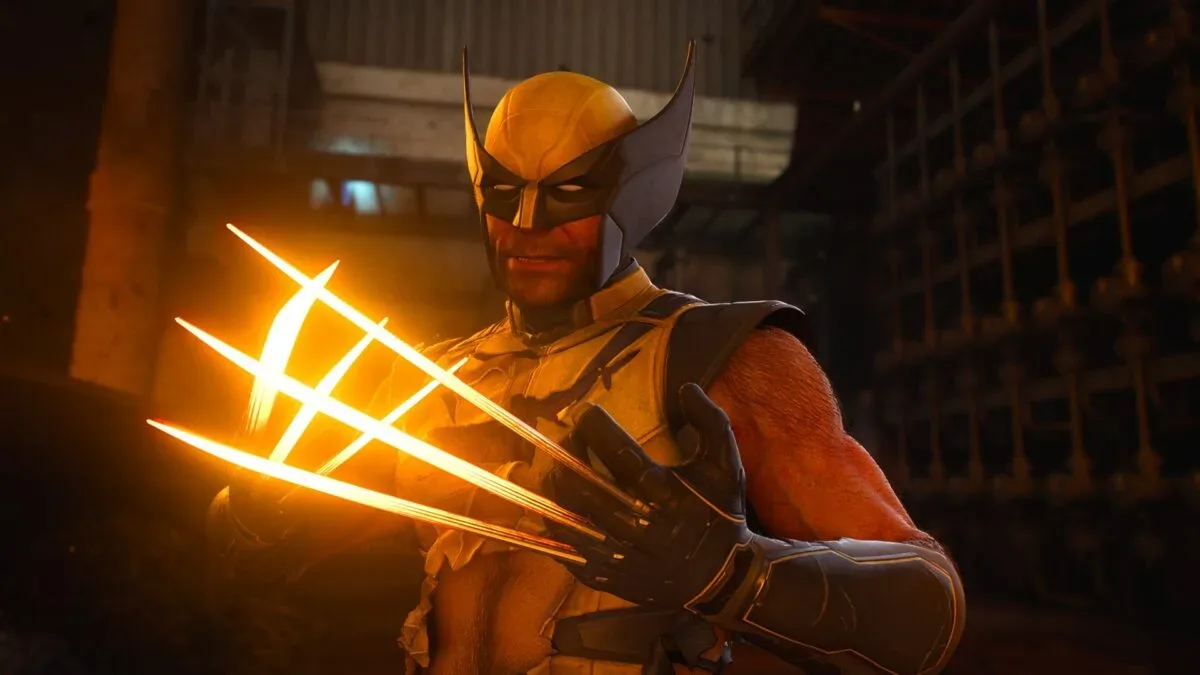
Marvel's Wolverine has sold 2.4 million units in approximately its first seven weeks on sale, a figure included in Sony's fiscal 2026 second-quarter results. That is a substantial audience by the standards of most games, but it has prompted difficult comparisons for an expensive PlayStation blockbuster from Insomniac Games and one built around one of Marvel's most recognizable characters.
The number arrives amid an otherwise strong period for Sony's PlayStation business. Sony reported 97.9 million PlayStation 5 consoles shipped, 127 million active PlayStation Plus subscribers, and a quarterly profit increase of 45%, totaling roughly $3.95 billion. Within that wider success, however, Wolverine's early sales pace stands out because Sony's own historical figures show faster openings for several other high-profile first-party releases.
There is an important distinction to make at the outset: 2.4 million copies is not an insignificant result in isolation. Many publishers would regard sales in that range as a major achievement, particularly over a period of less than two months. The concern is about context rather than the raw total. Wolverine carries the expectations attached to a marquee Marvel license, a major PlayStation studio, and the modern costs associated with premium cinematic action games.
How Wolverine's Opening Compares
Several PlayStation benchmarks make the difference in pace clearer. Marvel's Spider-Man 2, Insomniac's previous Marvel release, moved 2.5 million units in its first 24 hours. Ghost of Yotei exceeded 3.3 million copies in 32 days, while Uncharted 4: A Thief's End reached 2.7 million in its opening week. Wolverine has not yet matched any of those reported totals despite being available for around seven weeks.
For useful background on this topic, read 007 First Light Starter Pack Makes Bond's Opening Mission Free on PC and Xbox.
Those are not perfectly interchangeable comparisons. Every game launches under different market conditions, with different install bases, release calendars, review reception, marketing plans, price structures, and genre appeal. Spider-Man in particular is a broader, more family-friendly superhero brand than Wolverine, while Uncharted 4 arrived under its own unique circumstances. A sales comparison can identify a slower start, but it cannot by itself explain why that start occurred.
Still, Sony's decision to identify Wolverine's sales means the result is now part of the company's public performance picture. The game's opening is notably more restrained than the immediate blockbuster trajectory commonly associated with PlayStation's biggest first-party franchises.
Budget Expectations Matter
There is no official budget figure for Marvel's Wolverine. That makes it impossible to determine the game's profitability, break-even point, or the specific sales target Sony may have set internally. Any claim that the game has failed financially would be premature without those details.
Nevertheless, the scale of recent Insomniac productions gives the conversation added weight. Marvel's Spider-Man 2, the studio's last Marvel game, was reported to have reached a cost of around $300 million. That does not establish Wolverine's budget; production schedules, teams, technology, licensing arrangements, and marketing spending can vary significantly from project to project. It does illustrate why a 2.4 million-unit start is being viewed differently than it would be for a smaller release.
Large games need not earn back their full investment in the first several weeks. Premium releases can continue selling for years through seasonal promotions, hardware bundles, catalog visibility, new editions, and wider franchise interest. Digital sales also complicate simple revenue assumptions because retail distribution, platform fees, regional pricing, discounts, and special editions all affect the amount retained per copy.
For now, the disclosed total offers a snapshot rather than a final verdict. It says Wolverine has had a slower opening than several comparable PlayStation tentpoles, not that its commercial story is complete.
An Unusual Nintendo Comparison
The early total has drawn an especially striking comparison with Nintendo's Rhythm Heaven Groove. Nintendo reported that its Switch-exclusive rhythm game had sold 2.89 million units as of September 30. That places it roughly 490,000 copies ahead of Wolverine at the reported points in time.
The comparison has obvious limitations. Rhythm Heaven Groove launched on July 2, giving it roughly two additional months of availability relative to Wolverine's reported seven-week window. Nintendo's huge Switch audience, the game's release timing, and the different way each company presents quarterly data also make a direct head-to-head reading incomplete.
Even so, the contrast is noteworthy because the two projects occupy very different places in the market. Wolverine is a high-budget action game tied to a globally famous superhero, while Rhythm Heaven is a stylized rhythm series with a very different scope and audience. The fact that Nintendo's title is ahead at this stage underlines the unpredictability of software sales and the value of games that reach audiences beyond the conventional blockbuster market.
What Could Shape the Next Sales Update
The next several months will be more informative than the first seven weeks alone. The holiday period can materially change a game's trajectory, particularly on PlayStation, where hardware purchases often create a new group of buyers looking for major exclusives. Promotional activity, word of mouth, critical reception over time, and Sony's plans for bundles or discounts could all influence Wolverine's next reported milestone.
Competition will matter as well. The market faces a crowded period, with Grand Theft Auto VI looming and a remake of The Legend of Zelda: Ocarina of Time described as the year's best-reviewed game. Attention is finite, even for a character with Wolverine's cultural profile. High-profile releases can dominate conversation and spending, making it harder for any other premium game to maintain momentum.
That said, major franchises do not always follow a single sales pattern. Some titles explode immediately and then slow sharply. Others begin below expectations before gaining traction through the holidays, positive player feedback, price reductions, or a long tail of catalog sales. Wolverine's current figure puts pressure on its future performance, but a later update could show a healthier sustained curve.
PlayStation's Bigger Picture Remains Strong
Wolverine's result should also be separated from Sony's wider PlayStation business health. The company's latest report points to a platform with an enormous PS5 install base, extensive subscription engagement, and meaningful profit growth. A single first-party game underperforming relative to aggressive expectations does not overturn that larger picture.
At the same time, the situation demonstrates why PlayStation's largest releases face such intense scrutiny. Development costs for cinematic, technically ambitious games can be enormous, and the industry's biggest publishers increasingly need consistent commercial success to justify that investment. A major licensed project that opens below the pace of peer releases becomes a meaningful data point, even if its eventual profitability remains unknown.
For Insomniac and Sony, the immediate question is not whether 2.4 million players is a real accomplishment--it clearly is. The question is whether Wolverine can turn that audience into the kind of extended sales performance expected of one of PlayStation's most prominent modern releases. Until another official update arrives, the available evidence supports a cautious conclusion: Wolverine has started slower than several major first-party benchmarks, but its final commercial outcome is still unresolved.
Community
Discussion
Start the conversation.
No comments have been posted yet.