

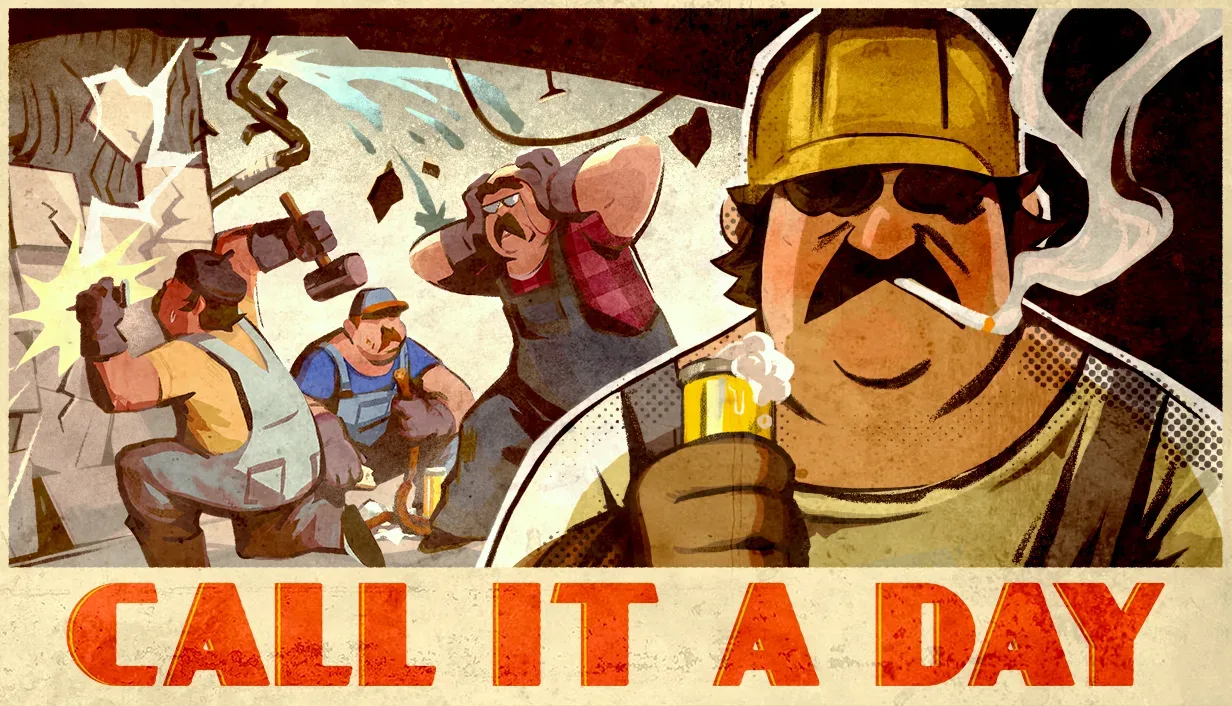
Two upcoming PC games are putting very different spins on the satisfaction of getting a difficult job done. Call It a Day is built around the unpredictable, frequently ridiculous reality of working together to renovate a home, while Steam to Electric asks players to plan, expand, and modernise an entire railway network. Both projects have received fresh updates, including a publishing partnership and trailer for the former and a new gameplay trailer for the latter.
Call It a Day is being developed by Polish independent studio Egobounds and will be published by Kwalee. The physics-based online co-op game is planned for PC via Steam in 2027, with support for between one and four players. Its premise centres on a renovation crew facing a succession of demanding jobs where the work itself is only part of the challenge. Moving bulky furniture, managing paint, clearing debris, and coordinating with teammates are all presented as opportunities for escalating disorder.
Meanwhile, Galaxy Grove has shared a gameplay trailer for Steam to Electric, its upcoming railway management experience for PC via Steam. The new footage highlights a selection of the historic and modern trains players will be able to use as they construct and refine their rail systems. The game comes from the creators of Station to Station and Town to City, and it is designed around the transition of a growing rail network from the age of steam into the electric era.
Call It a Day turns renovation work into a co-op physics challenge
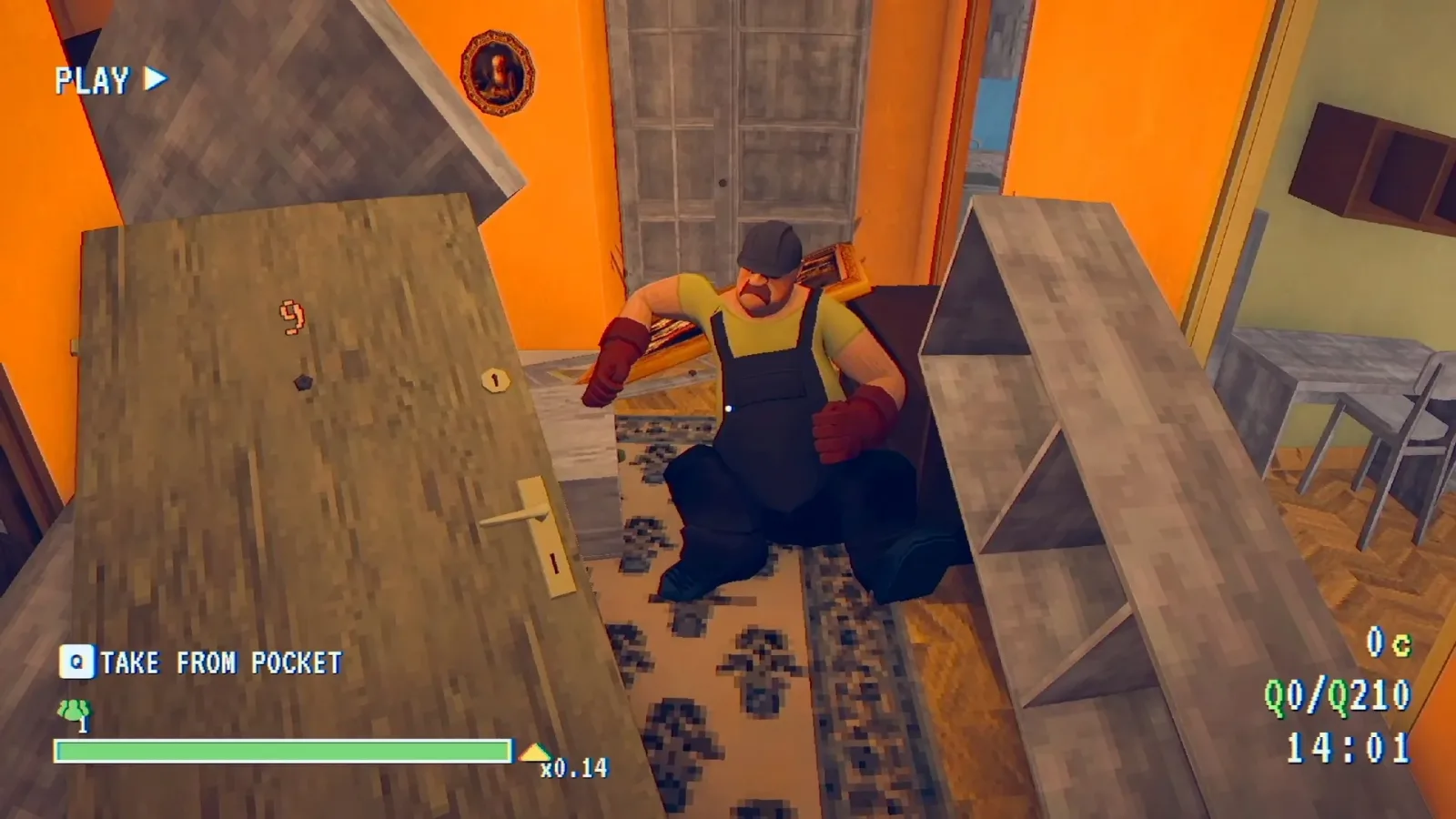
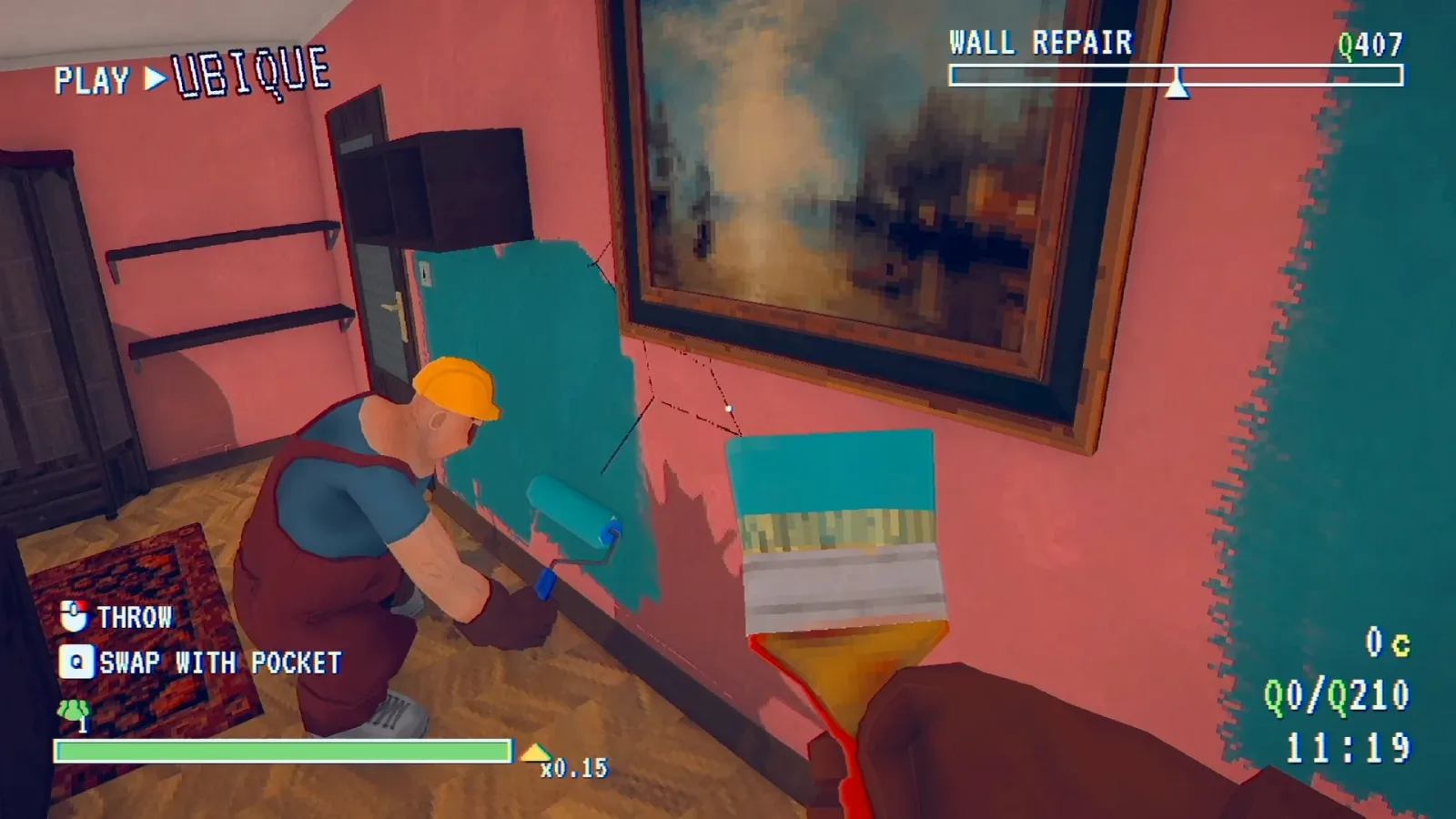
Call It a Day places players in the boots of a chaotic renovation team. Rather than framing house work as a quiet, methodical simulator, the game leans into the potential for physical comedy and last-minute disasters that can emerge when several people are trying to move heavy objects through awkward spaces at the same time.
For useful background on this topic, read 007 First Light Starter Pack Makes Bond's Opening Mission Free on PC and Xbox.
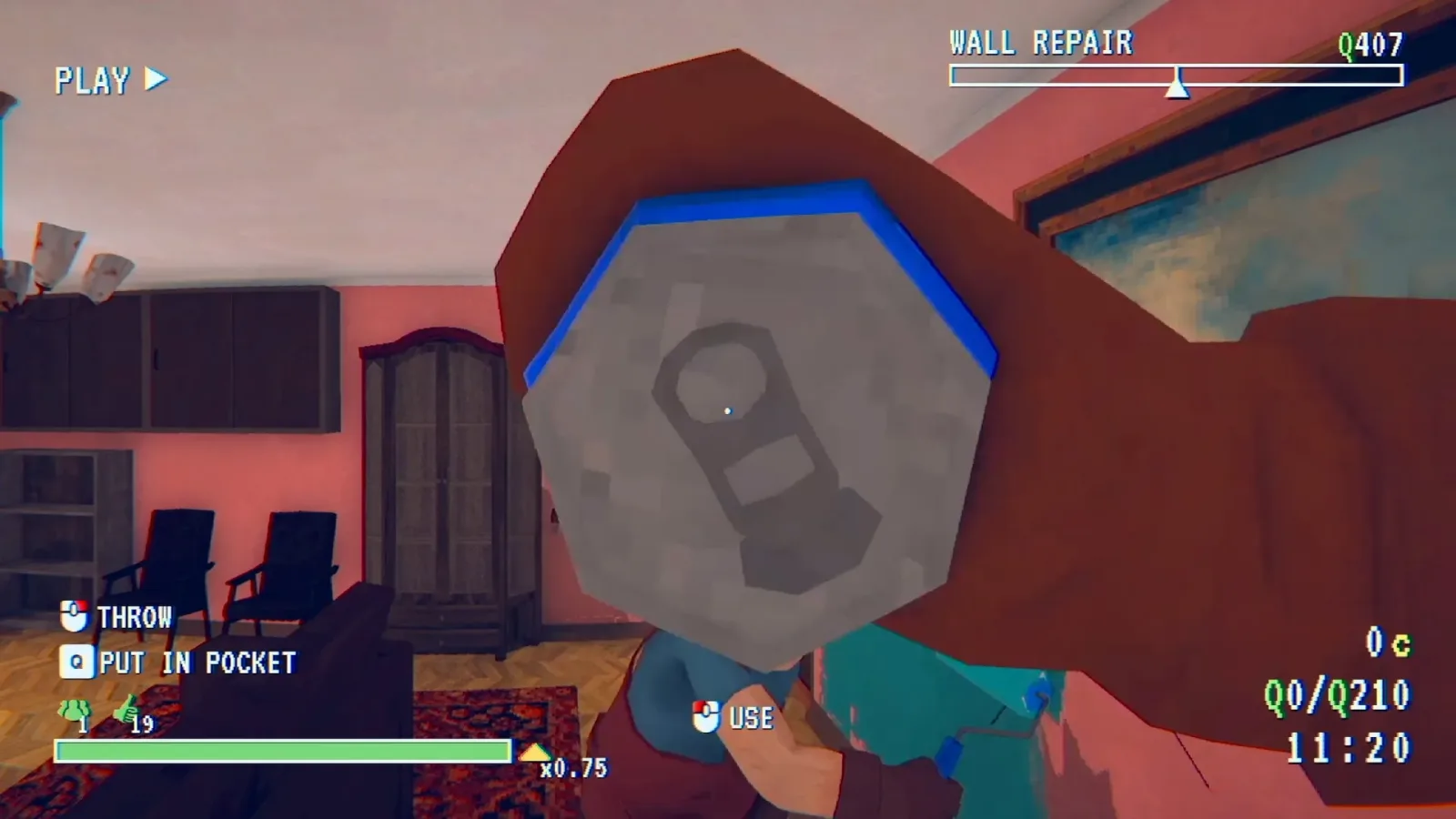
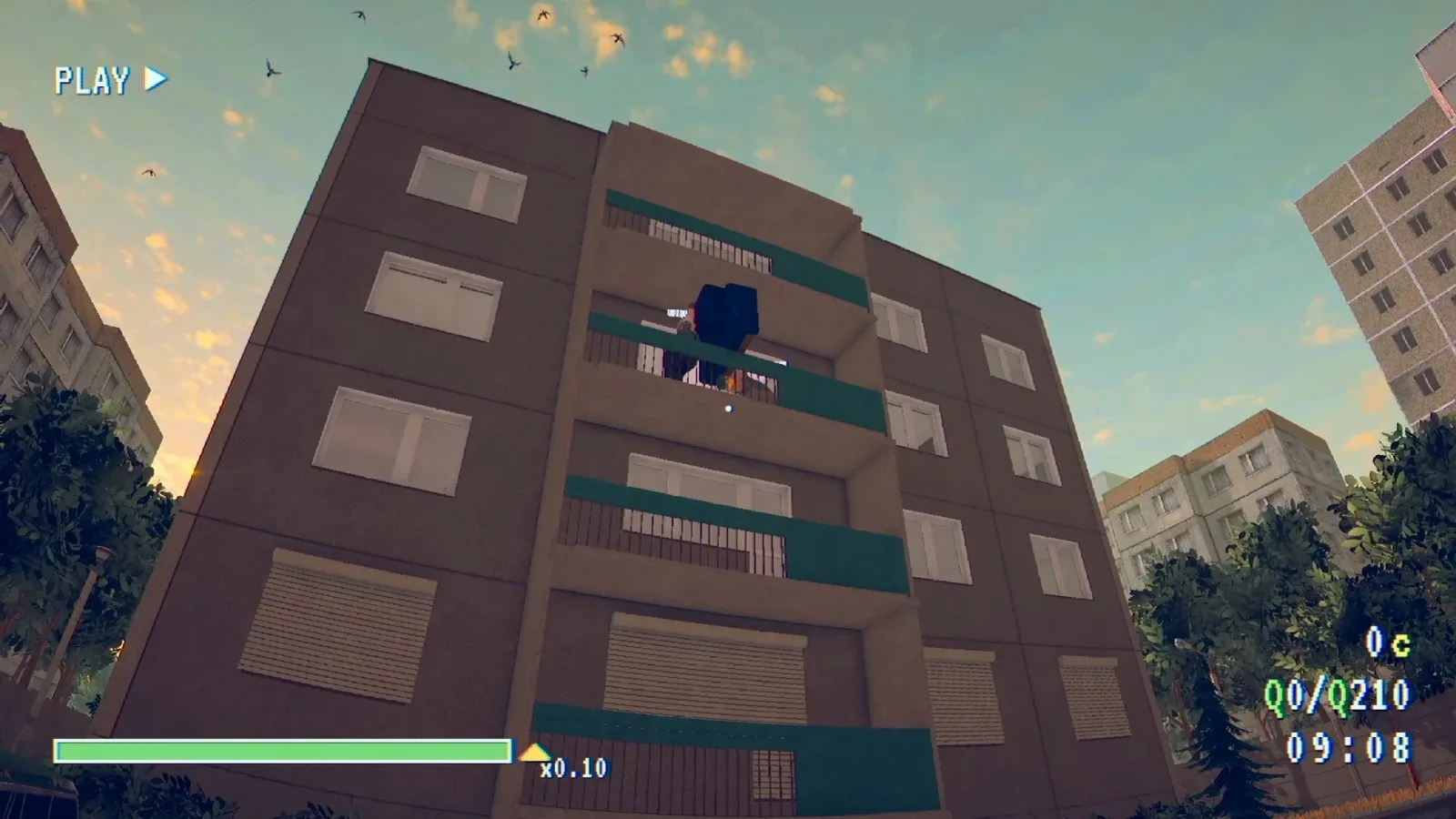
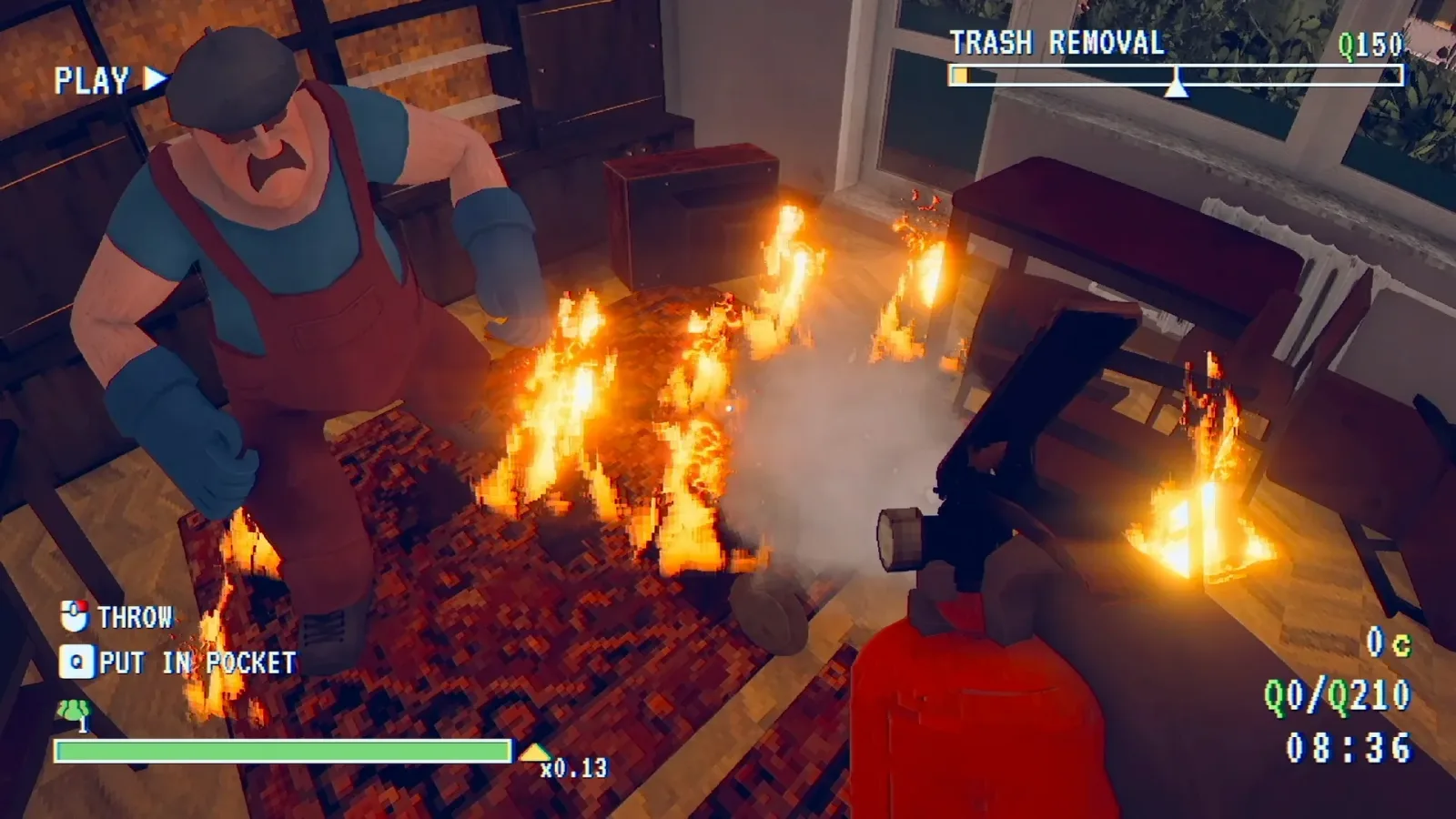
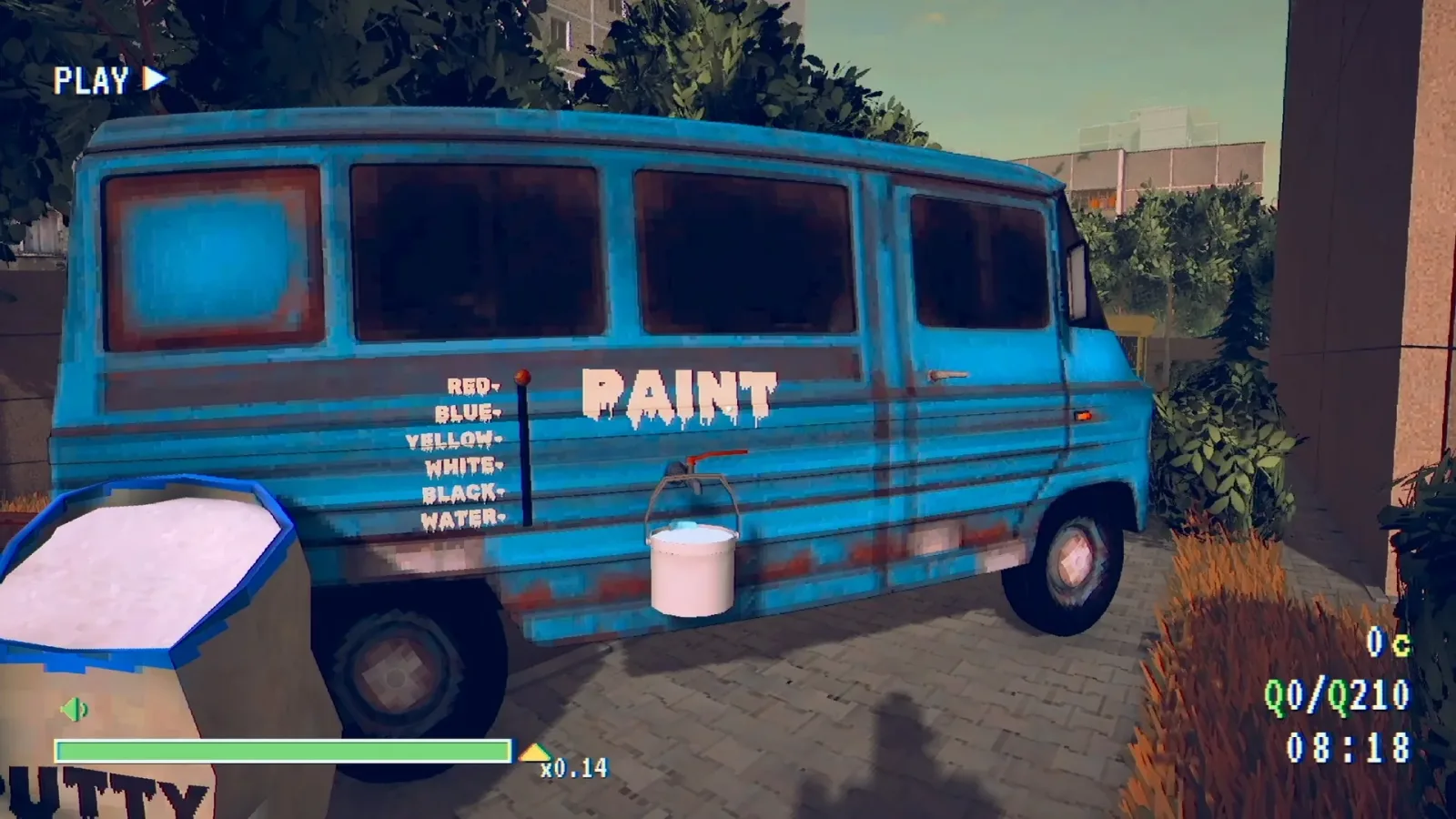
The revealed examples give a clear indication of the kinds of tasks crews will face. Players can drag couches upstairs, deal with paint by watering it down, and throw rubbish out through windows. On paper, those sound like familiar renovation chores. In practice, the physics-driven co-op format suggests each job can become a test of timing, positioning, communication, and improvisation.
A couch does not need to be especially complicated to create problems in a multiplayer game. Put it at the bottom of a narrow staircase, add multiple players pulling it from different directions, and suddenly a straightforward delivery can turn into a lengthy argument with gravity. Call It a Day appears to be aiming squarely at that kind of shared mayhem, where a plan might be sensible for a few seconds before an inconveniently placed wall, loose object, or overeager teammate changes everything.
The game supports solo play as well as online groups of up to four people. That gives it a potentially broad structure: players can tackle renovation work alone, or bring in friends for a more social and likely more unruly experience. The announcement identifies a series of hectic renovation jobs, implying that the team will move between different assignments rather than working on only one fixed property.
For another perspective on this story, read Call It a Day Targets 2027 as Steam to Electric Shows Its Trains.
There is no need for Call It a Day to treat messiness as a failure state for the concept to work. The appeal of this style of cooperative game often comes from recovering after a mistake, finding an unconventional solution, and seeing a supposedly professional operation become increasingly less professional by the minute. A tossed bag of rubbish, a wayward piece of furniture, or paint handled at exactly the wrong moment can all become part of the story a group remembers after a session ends.
A new partnership ahead of a 2027 Steam launch
The newly announced publishing agreement pairs Egobounds with Kwalee for Call It a Day's route to PC. The game is currently targeting 2027 on Steam. No more precise release timing, console versions, or pricing details have been confirmed.
Its first trailer arrived alongside the announcement, offering an early look at the renovation-focused co-op premise. For now, the central details are the game's one-to-four-player structure, online cooperative play, physics-based interactions, and the focus on chaotic property jobs. Those ingredients position Call It a Day among a growing group of multiplayer games that use ordinary work as the starting point for unpredictable teamwork.
That premise has room for a wide range of mission design. Renovation inherently involves different room layouts, furniture sizes, obstacles, and priorities, making it a natural setting for scenarios that demand adaptation. Players may need to decide who moves the large objects, who handles cleaning or paint-related tasks, and who is willing to take the risk of launching unwanted debris through an open window. Even without a detailed rundown of progression systems or job types, the basic setup makes the intended tone easy to read: work hard, cooperate when possible, and expect things to go wrong.
Steam to Electric charts the evolution of a railway network
Steam to Electric takes a more measured view of systems management, though it has its own form of logistical pressure. Players will build and optimise a railway network that moves both passengers and goods. The defining arc is technological change, as networks develop from steam-powered beginnings toward electrification.
The latest gameplay trailer focuses on trains, showing off examples from both historic and modern periods. That focus is fitting for a game whose name directly captures the transition at its heart. Railways are not simply decoration in Steam to Electric; they are the machinery through which the player's larger network operates. A functioning system depends on connecting routes, managing transport needs, and making sure the network continues to serve its towns and industries as it expands.
The steam-to-electric progression also gives the management game a sense of development beyond laying track. As new eras arrive, players will be able to evolve their infrastructure alongside the trains using it. This should make the network feel like a living system shaped over time rather than a static model railway. Historic locomotives and more modern electric trains represent distinct stages in that evolution, visually as well as mechanically.
Galaxy Grove describes Steam to Electric as approachable at first glance while retaining depth for players who want to refine their networks. That balance can be especially important in railway management games. Building an initial connection between destinations needs to feel understandable, but the most satisfying systems emerge when players begin considering capacity, route design, competing demands, and the efficiency of the network as a whole.
Transporting passengers and goods gives Steam to Electric two complementary objectives. Passenger routes encourage players to think about linking settlements and serving movement between places, while freight introduces the needs of commerce and production. The interaction of those goals can create a more involved planning puzzle: a line that helps one part of the network might create new bottlenecks elsewhere, and expansion may require players to reconsider decisions made much earlier.
Built by the team behind Station to Station and Town to City
Galaxy Grove's earlier games, Station to Station and Town to City, establish a background in building-focused experiences. Steam to Electric continues that interest with a larger emphasis on operating and optimising transport infrastructure. The new trailer's attention on rolling stock offers a closer look at the vehicles that will carry the network through its historical progression.
The game is confirmed for PC through Steam, but no release date has been announced. The trailer does not establish additional platforms, release timing, or commercial details. What it does provide is a better sense of the game's visual range, moving from older steam trains to later electric equipment as players shape their own rail systems.
Two different kinds of satisfying teamwork and problem-solving
Call It a Day and Steam to Electric approach problem-solving from nearly opposite directions. One is about the immediate comedy of trying to complete a physical task alongside friends, where a couch on a staircase can become the centre of the entire operation. The other is about long-term planning, where the consequences of a poorly designed route may not become obvious until a railway has grown into something much larger.
Yet both games share an interest in work that becomes rewarding through interaction. In Call It a Day, players interact directly with objects and with each other, managing the unpredictable outcomes of a physics-based space. In Steam to Electric, players interact with connected systems, shaping flows of people and goods across a network that changes across technological eras.
For co-op fans, Call It a Day's 2027 target makes it one to watch as more details emerge on its renovation jobs and multiplayer antics. For railway and management-game players, Steam to Electric's latest footage offers another glimpse of a project focused on designing a rail empire from steam power to electrification. Both are currently confirmed for PC on Steam, with their newest trailers providing the clearest look yet at the very different kinds of chaos and control they hope to deliver.
Community
Discussion
Start the conversation.
No comments have been posted yet.