

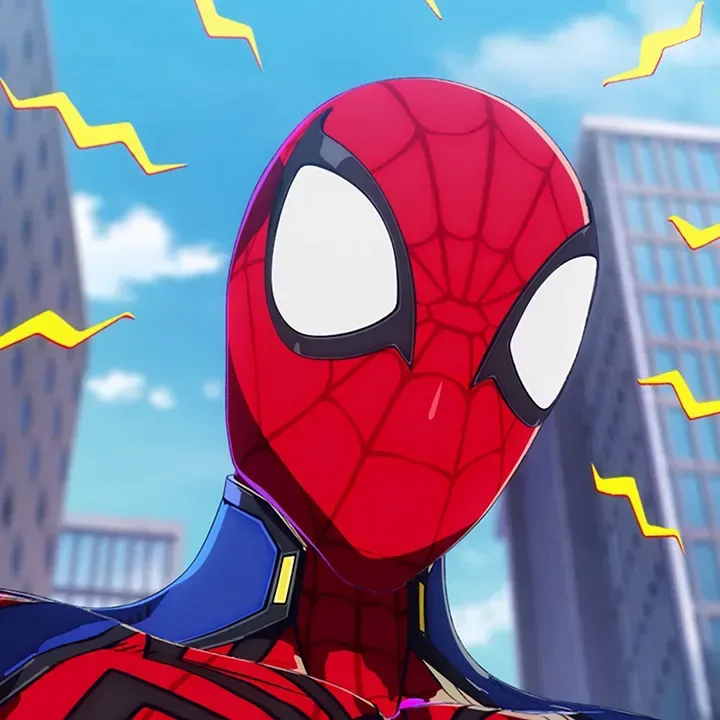
Marvel Tokon: Fighting Souls has been available for a little over a month, and discussion around its future is already becoming one of the fighting game community's loudest ongoing debates. Arc System Works' Marvel tag fighter arrived with significant anticipation, particularly from players eager to see the studio behind Guilty Gear and Dragon Ball FighterZ tackle a fast, team-based Marvel game. But the conversation following launch has been far more turbulent than the pre-release excitement.
Some players remain enthusiastic about Tokon's pace, presentation, and potential. Others have been sharply critical of its tag mechanics, online matchmaking, and the condition of its PC version at launch. Recent estimates for Steam sales and concurrent player activity have intensified worries that the game may struggle to hold a substantial competitive community on PC, even as its overall performance appears much stronger on PlayStation.
The available numbers do not provide a complete picture of Marvel Tokon's player base. They do, however, explain why players are asking whether Arc System Works can quickly rebuild momentum on PC and maintain a large enough community for online play, tournaments, and long-term support.
Embedded X/Twitter post
Embedded X/Twitter post
Steam activity has become the focal point of concern
Steam Charts data lists Marvel Tokon: Fighting Souls at 427 active Steam users, with a 24-hour peak of 791. Its all-time Steam concurrent-player peak stands at 13,787. Those figures naturally cannot account for PlayStation players, and concurrent users are not the same thing as total owners or total active players across all regions. Still, fighting games rely heavily on having enough people online at the same time to support reliable matchmaking, especially for players outside the largest regions.
For useful background on this topic, read Arc Raiders Frozen Trail Adds 60-Level Reward Pass With Free and Premium Tracks.
That issue is at the heart of much of the concern. A lower Steam population can affect more than a game's public perception. It can mean longer queue times, fewer opponents at a comparable skill level, and a greater chance that players leave because finding good matches becomes difficult. The resulting cycle is especially worrying for a competitive game, where players often need consistent practice and varied competition to stay engaged.
Professional Guilty Gear and Super Smash Bros. competitor William "Leffen" Hjelte has been among the more prominent critics. In a widely shared social-media post, Hjelte said he may stop playing unless a forthcoming patch makes meaningful gameplay improvements. He also described trouble finding European matches, arguing that the serious local player base felt markedly smaller than those for Guilty Gear Strive and 2XKO.
Hjelte's larger argument was not that Tokon is beyond repair. Instead, he suggested that the game could still be improved if the developers move quickly and make the right changes. His concern centers on the lack of a concrete date for the next patch and the currently limited information around upcoming character additions, with four characters announced but no release timing provided.
Estimated sales point to a major platform split
Estimates from Alinea Analytics have added another layer to the debate. The data suggests that roughly 82% of Marvel Tokon copies were sold on PlayStation, with Steam accounting for about 18%. Across both platforms, the estimates put the game at approximately 750,000 copies sold and around $49.7 million in revenue.
Those are not insignificant results for a fighting game. The genre remains specialized compared with the industry's biggest multiplayer releases, and a total approaching three-quarters of a million copies indicates that Tokon has found a sizable audience. Yet the apparent divide between platforms is difficult to ignore, particularly when Steam's active population is already low enough to alarm players who bought the PC version expecting robust online competition.
It is also important to be cautious with estimated sales figures. They are not official publisher disclosures, and they cannot establish the exact number of players who remain active on either platform. They do, however, support the broad conclusion visible in the current discussion: Marvel Tokon appears to have performed substantially better on PlayStation than on Steam.
That split may be partly connected to Tokon's troubled PC launch. The PC port encountered serious problems at release, drawing a highly visible negative response from the community. During a livestream that circulated widely, prominent fighting game personality Maximilian Dood uninstalled the game after running into its issues. A patch arrived quickly to address problems, but early technical failures can be especially damaging in a genre where players often make a rapid decision about which title will become their main game.
Tokon's producer acknowledged that winning back trust would be difficult after the launch troubles. Director Kazuto Sekine later issued an apology roughly a month after release. The swift response and public acknowledgement matter, but they do not automatically restore the players who moved on during the opening weeks.
Regional availability may have compounded the PC challenge
Another factor in the discussion is Marvel Tokon's earlier availability situation. The game was initially blocked in 132 countries because of PlayStation Network requirements. That limitation reduced the potential audience in a wide range of territories, and it may have had a lasting effect on the game's international momentum even after the immediate launch window.
For a global online fighter, regional access carries outsized importance. Every excluded territory is not only a group of lost sales; it can also mean fewer regional matchmaking pools, less grassroots tournament interest, and a diminished chance for dedicated local scenes to develop. A game with cross-regional visibility can still thrive, but restricted access makes that task harder.
The concerns arrive in an increasingly crowded field for licensed tag fighters. Marvel Tokon is competing not only for players' time against established games such as Street Fighter 6, but also against other recognizable intellectual property projects including Invincible VS and Avatar Legends. Street Fighter 6 is the market leader in the current fighting game landscape, and Tokon was never likely to displace it overnight. The more practical question is whether Tokon can maintain a healthy niche alongside those games.
Why some players think the doom talk is premature
Not everyone agrees that the current data signals a terminal decline. Community figure and YouTuber Mightykeef pushed back against the pessimism by stressing how recently the game launched. Marvel Tokon released on August 6, meaning that, as of this discussion, it has not yet reached two months on the market. From that perspective, declaring its future settled so early overlooks how fighting games can evolve through balance updates, character releases, competitive events, and word of mouth.
Other players have also pointed out that fighting games are inherently niche compared with mass-market action games or shooters. A lower population does not necessarily prevent a title from developing a loyal scene, especially if matchmaking remains functional and the competitive experience is compelling. One comparison raised in community discussion is Ultimate Marvel vs. Capcom 3, which did not pass 600,000 copies within two months despite later becoming one of the genre's most celebrated competitive games.
Marvel history also provides a useful reminder that reputation can grow slowly. Marvel vs. Capcom 2 developed its legendary status over years, moving from arcades to Dreamcast and later to PlayStation 2 and Xbox. Tokon is operating in a very different market, with modern expectations around patches and live support, but the underlying point remains: a fighting game's first several weeks do not always determine its eventual cultural standing.
At the same time, the optimistic comparison has limits. Today's players have more alternatives, expect fast technical fixes, and can switch between online games with little friction. Building a long-lived competitive scene now requires more than a strong core fighting system. It requires dependable netplay, clear support plans, effective balance changes, and a release cadence that gives players reasons to return.
The next update may be a defining moment
For Marvel Tokon, the next patch is likely to be judged as more than a routine adjustment. Players dissatisfied with gameplay systems want evidence that their feedback is being addressed. PC owners who left after the launch period want confidence that the version is stable and worth reinstalling. Those still playing need a clearer sense of when new characters and broader content will arrive.
There is also a recurring criticism of modern fighting game content models in the discussion. Some players would prefer a larger starting roster rather than years of seasonal downloadable additions. That frustration is not unique to Tokon, but it is amplified when a community is already anxious about population and variety. The mention of Cyclops, for example, has not convinced every skeptical player that a single character addition will solve the wider concerns around matchmaking and engagement.
Marvel Tokon: Fighting Souls is therefore in a complicated position rather than a simple success-or-failure scenario. Estimated sales suggest meaningful commercial interest, particularly on PlayStation. Steam activity and reports of regional matchmaking difficulties point to a real PC retention problem. Its early technical issues created an obstacle that the development team has openly recognized, while the game's short time on the market means there is still room for a recovery.
The decisive factor will be whether Arc System Works can turn that window into renewed confidence. A well-received patch, improved PC experience, transparent character roadmap, and sustained competitive support could change the conversation considerably. Until then, Marvel Tokon's future will remain a point of contention: a promising Marvel fighter with an audience still worth fighting for, but with clear challenges that cannot be dismissed as mere doom posting.
Community
Discussion
Start the conversation.
No comments have been posted yet.