

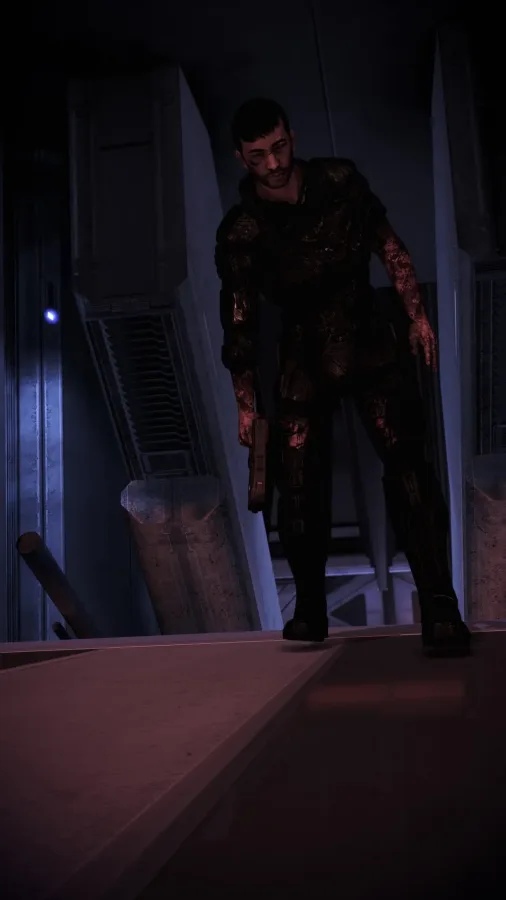
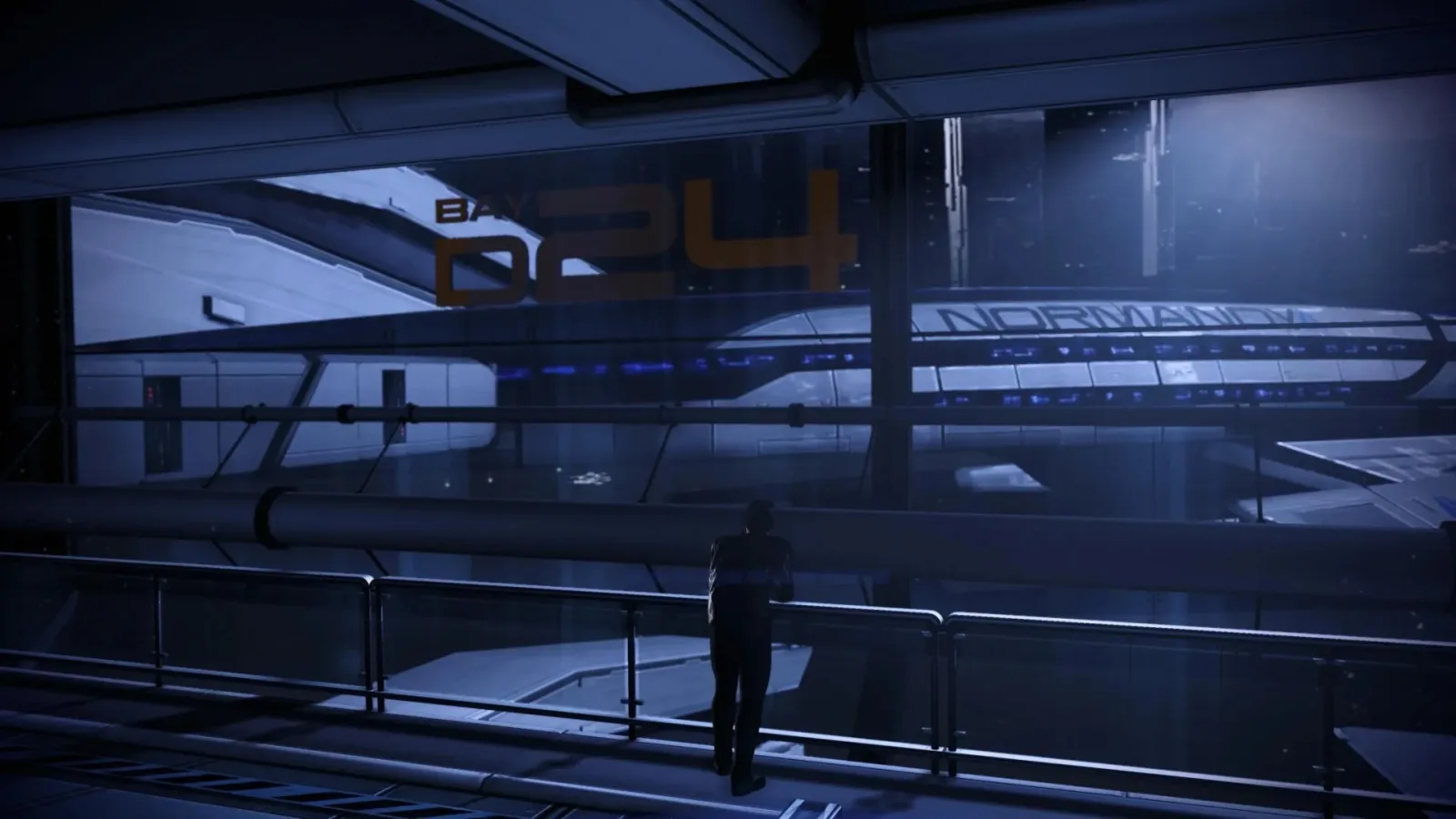
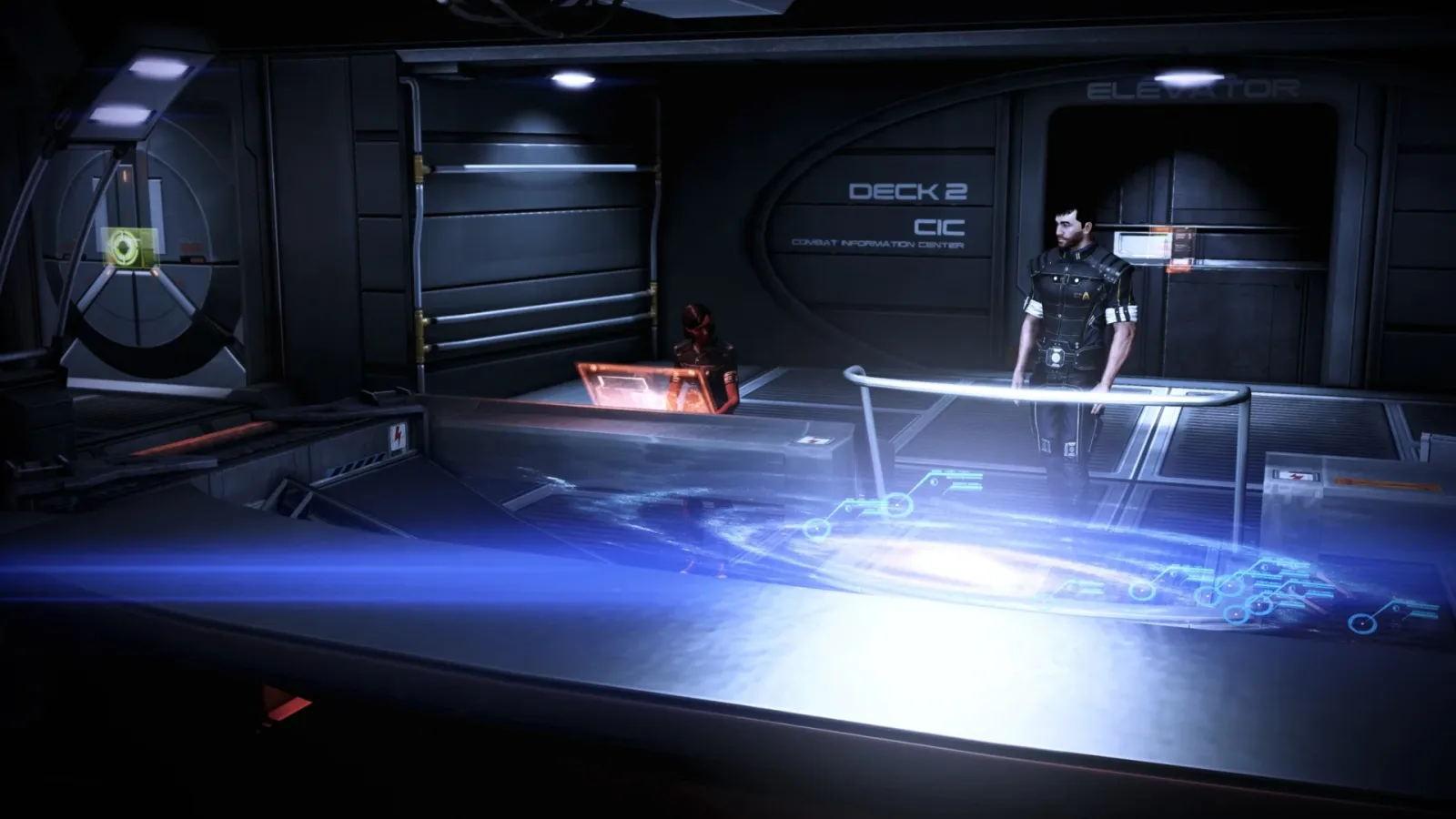
There is a peculiar kind of silence that only arrives after a role-playing game has been completely exhausted. Not merely finished, but emptied out: every loyalty conversation heard, every terminal checked, every side mission resolved, every companion dialogue tree reduced to its last generic acknowledgement. In Mass Effect 3, that silence lives aboard the Normandy SR-2. The galaxy map still glows. The engines still hum. The crew is still present. Yet the ship no longer feels like a place full of possibilities. It becomes a hallway leading toward an ending already known.
For years, that feeling came with an escape hatch. Players could finish Commander Shepard's story, debate its ending, revisit it through the Mass Effect: Legendary Edition, and still imagine another major chapter waiting somewhere ahead. That possibility has now been removed by BioWare's closure. The studio's unfinished next entry, previously announced in 2020 and known as Mass Effect: Universe, will not provide the return that many fans had spent years anticipating.
That makes revisiting the trilogy a more complicated experience than nostalgia alone. The games have always carried the weight of endings: civilizations reaching their breaking point, friendships tested by war, a commander making impossible choices in the hope that someone survives to see tomorrow. But the end of BioWare changes the frame around all of it. The Normandy is no longer simply waiting for the next mission. For many, it is a museum of a future that will not happen.
The completed save file as a haunted place
A completionist save in Mass Effect: Legendary Edition can be startling in its finality. Loading into the Normandy late in Mass Effect 3 means finding a crew that has nothing new left to say. Shepard's inbox is empty. The people who once reacted to each victory, loss, romance, betrayal, and strange detour across the galaxy have been reduced to familiar one-line greetings. Only the final push remains: Cerberus, Earth, the Citadel, and the Crucible.
For useful background on this topic, read Future? No Thanks! Removes Generative AI Content After Developer Confirms Its Use.
It is an experience that demonstrates why BioWare's RPGs mattered so much to their audience. The Normandy was never just a menu hub between missions. It was a home shaped by accumulated attention. Players returned after every major assignment because a squadmate might have something new to share, because a personal conflict might progress, or because a small moment could make a galaxy-spanning war feel intimate. The ship taught players to believe that checking in mattered.
When there is nothing left to check, that design becomes emotionally powerful in an entirely different way. The absence is not a failure of the game. It is evidence that the game was thorough, finite, and willing to conclude. Yet knowing that no future BioWare-made Mass Effect adventure will follow gives that absence a sharper edge. A completed Normandy can feel less like a victory lap and more like a house that has been carefully preserved after everyone has gone.
Mass Effect has invited mourning more than once
Fans have had several reasons to say goodbye to Mass Effect across the years, often without realizing that each farewell might be temporary. The original trilogy's conclusion was famously contentious, prompting widespread discussion about Shepard's final decision and the wider implications for organic and synthetic life. The Extended Cut later added further context to that ending, but it did not erase the intensity of the first goodbye.
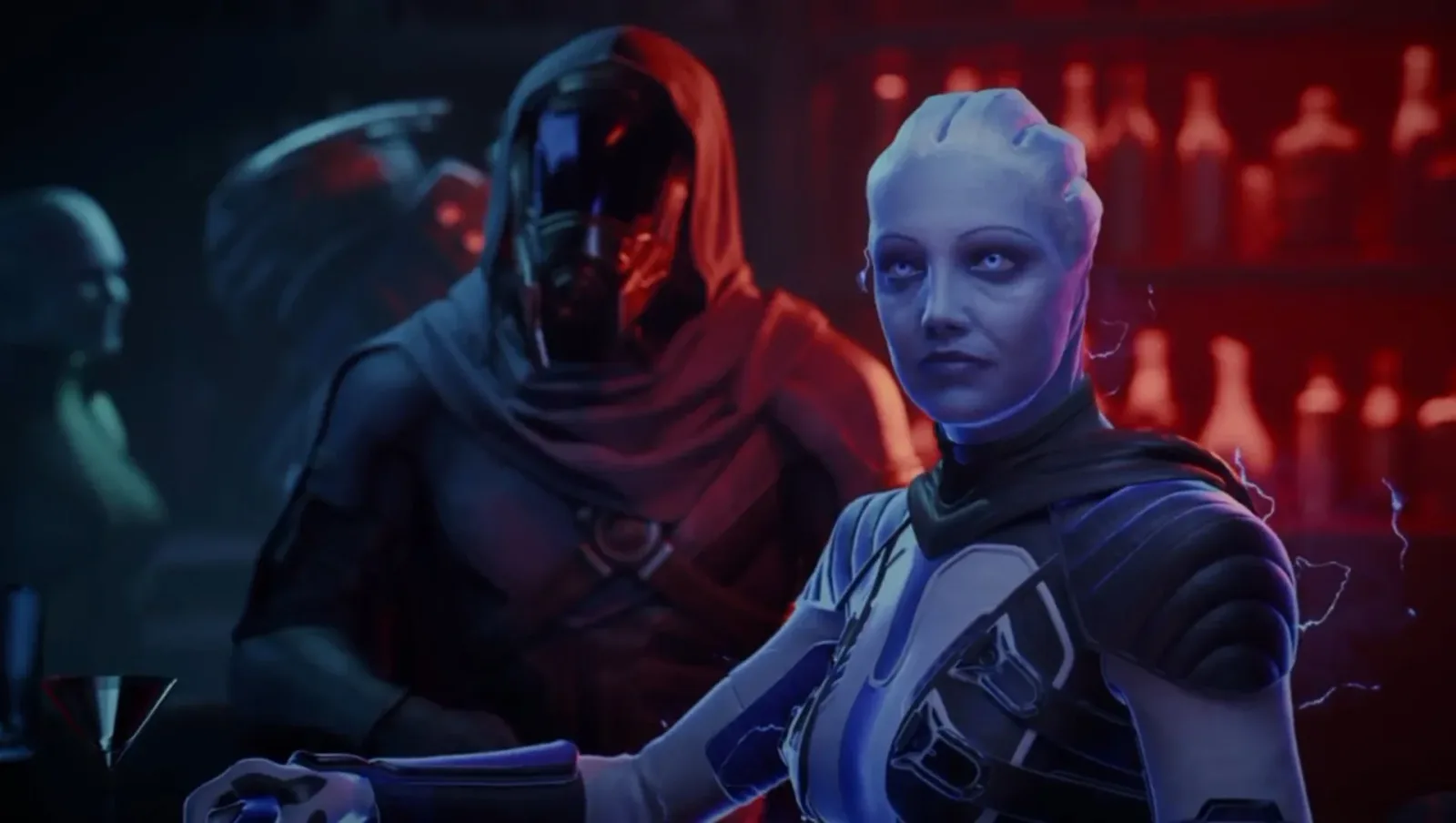
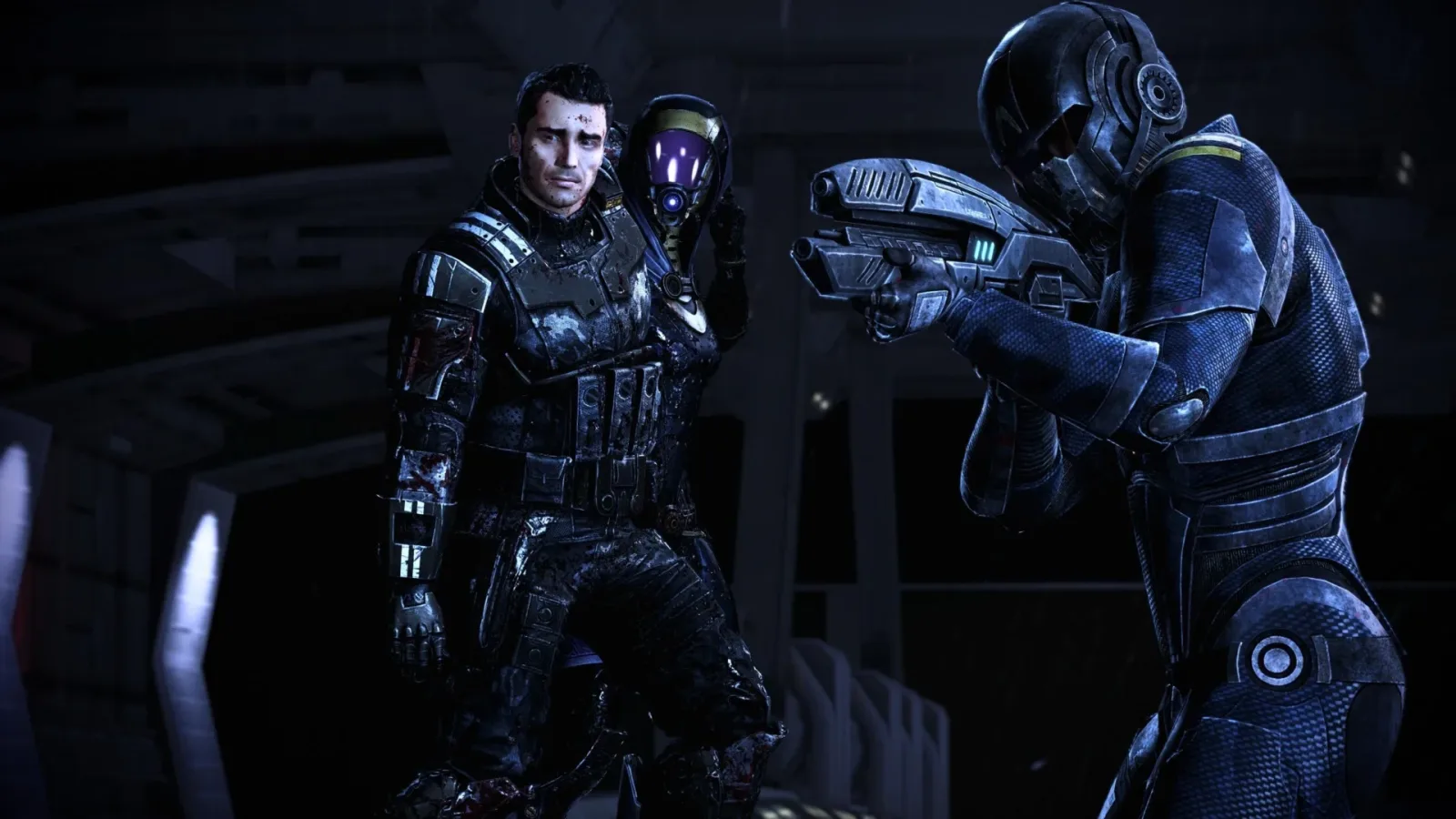
For players attached to a particular Shepard, the most personal ending may not even have been the battle for Earth. It may have been the quieter conclusion of the Citadel downloadable content, where a crew assembled over three games gets one last chance to celebrate and reflect. A romance with Kaidan Alenko, Liara T'Soni, Garrus Vakarian, Tali'Zorah, or another partner can make those final exchanges feel less like optional scenes and more like the closing pages of a life that players helped write.
Then came Mass Effect: Andromeda, a game whose difficulties and mixed reception put the franchise into an extended period of uncertainty. It had its own characters, galaxy, and ambitions, but it could not resolve the lingering question of what came next for the broader series. The 2020 announcement of a new Mass Effect project reopened that door. It gave players reason to believe that the Milky Way and Andromeda might eventually be connected in a meaningful new chapter.
That hope was especially significant because the proposed game was not simply imagined as a distant corporate continuation. Members of the team included veterans with experience on the franchise. High-profile creative figures from earlier years, including Casey Hudson, Mac Walters, and Drew Karpyshyn, had moved on, but the presence of other experienced developers still offered continuity. Studios evolve, and BioWare had seen substantial turnover over time, but there were still people associated with the new project who understood why the series mattered.
A sequel that will now exist only in fragments
The loss of Mass Effect: Universe is intensified by the information that emerged about what it might have attempted. Details and leaks had suggested a bridge between the Milky Way and Andromeda settings, an idea capable of acknowledging the franchise's divided recent history rather than abandoning one half of it. Reports also indicated that the game was not expected to canonize a single ending choice from Mass Effect 3, easing a longstanding concern among players who wanted their divergent Shepards and decisions to retain their legitimacy.
Those ideas now occupy an uncomfortable space between promise and absence. They are enough to make fans picture the game that could have been, but not enough to make that game real. In the aftermath of a closure, concept art, casting hints, plot suggestions, and internal ambitions can become artifacts rather than foundations. They offer shapes for grief without offering resolution.
There is still a live-action Mass Effect television project in development at Amazon. Former BioWare executive producer Michael Gamble is involved in varying capacities, offering at least one connection to the games' development history. But a television adaptation cannot fill precisely the same role as a new RPG. Mass Effect was built around player authorship: choosing a background, defining Shepard's temperament, deciding who to trust, and carrying consequences from one game into the next. Watching an adaptation may be interesting, but it is not the same as being allowed to inhabit the command chair.
The value of stories that end
The situation also highlights a tension at the center of modern games culture. Major series are often treated as brands that must continue indefinitely, with every successful ending seen as an opportunity for another sequel, reboot, season, or expansion. Fans are frequently told that there are always more stories to tell. Sometimes there are. But the assumption that every beloved fictional world must remain permanently open can cheapen the distinctive power of a story that knows when to stop.
Mass Effect was at its best as a finite journey. The original trilogy gave players an arc with momentum and consequences, one that transformed its protagonist from an exceptional soldier into a figure carrying the hopes of entire species. It also allowed the people around Shepard to grow, fail, find love, make peace, and occasionally die. The finality of that structure is part of why it remains so resonant.
That does not mean later games were inherently unwelcome, nor does it mean fans were wrong to hope for Universe. A new story set in the same universe could have found its own identity, just as Andromeda attempted to do. But BioWare's closure forces a recognition that the original trilogy does not need a future installment to validate what it accomplished. It already has an ending, however debated, and an enormous body of player memories built around it.
Returning home one last time
There is anger in the loss of a studio and in the cancellation of work that its developers hoped to finish. There are practical questions about decisions made above the teams creating these worlds, and there is a lasting sense that a major piece of game development history has been cut short. But beneath the anger is grief: the realization that a place once associated with future possibility has become a finished place.
For some players, that realization may finally make it possible to let go. The Normandy's low engine noise, the glow of the galaxy map, and the familiar cadence of a squadmate calling Shepard "Commander" can still offer comfort. They remain available in Mass Effect: Legendary Edition, as do the choices, romances, discoveries, and painful goodbyes that made the trilogy personal.
Nothing can add another unread message to a fully completed save file. Nothing can restore the unwritten missions of Mass Effect: Universe. But the old journeys are not erased by the end of BioWare. They are simply complete. For a series that asked players again and again to decide what they would save, that may be the hardest truth to accept: sometimes the thing worth preserving is not the promise of more, but the memory of what was already there.
Community
Discussion
Start the conversation.
No comments have been posted yet.