

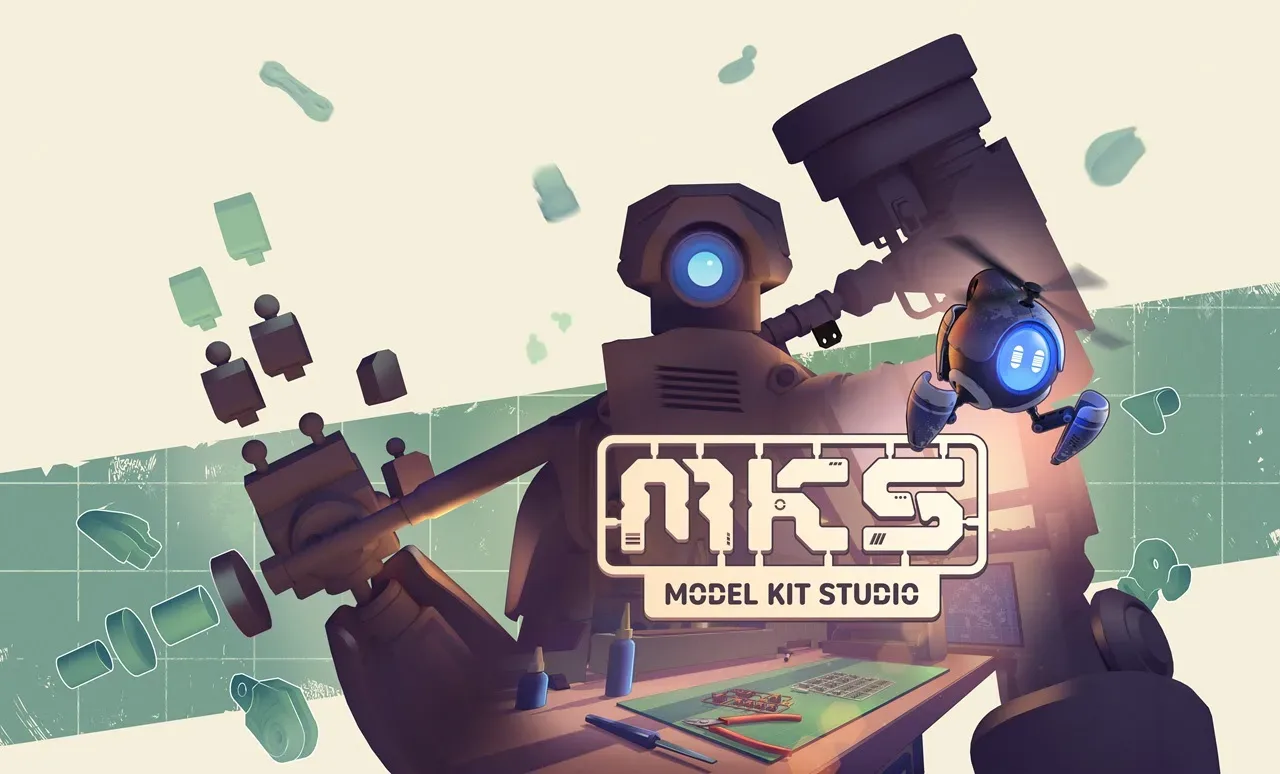
Model Kit Studio has opened a limited Steam playtest, giving PC players an early opportunity to assemble, paint and personalize miniature mecha creations in a deliberately calming digital workshop. The test is available now and will remain playable through November 16, offering a focused look at the hands-on crafting loop planned for the full game.
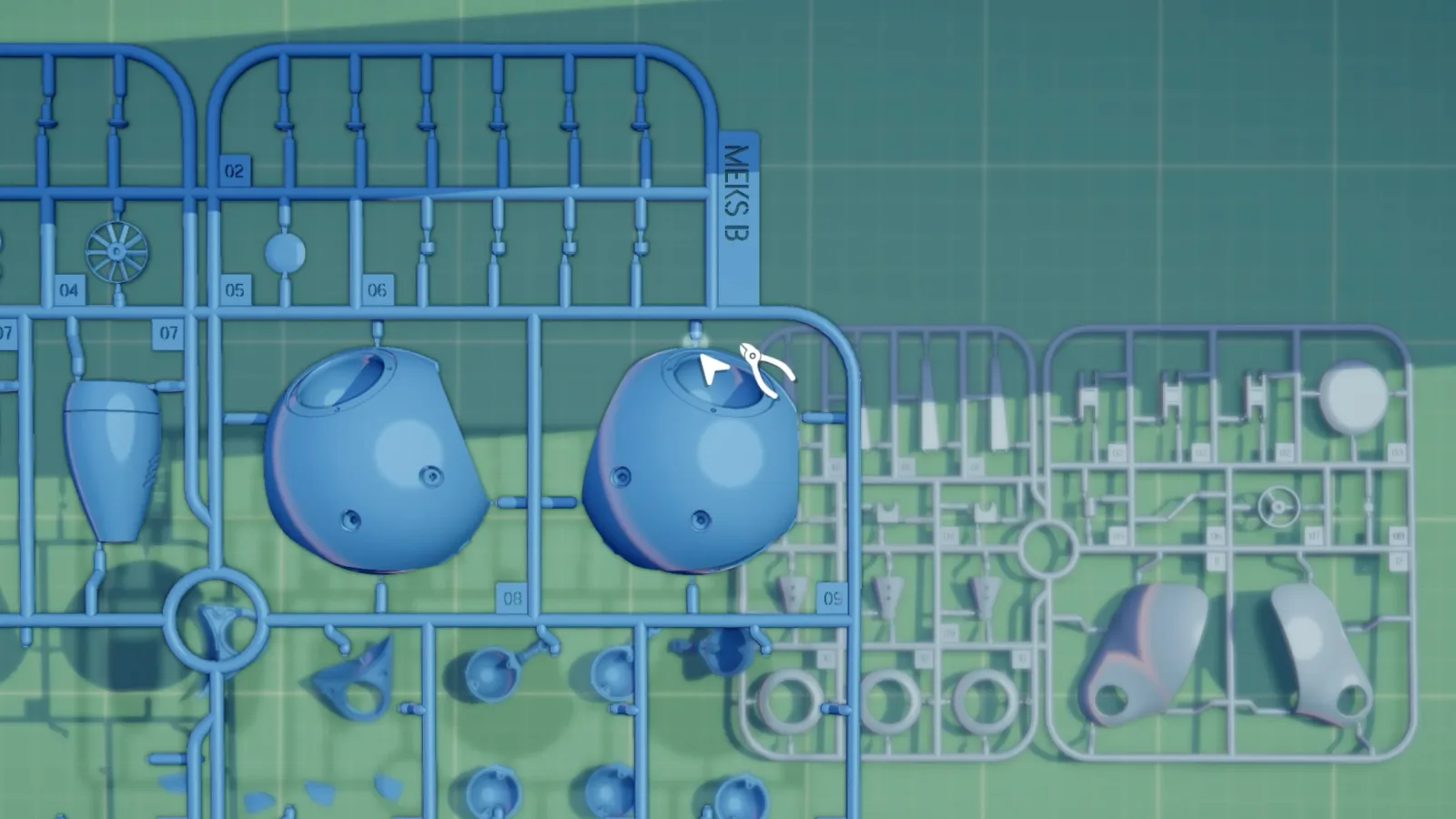
Developed by Spooky Rabbits and published by Mythwright, Model Kit Studio is aiming to capture the methodical, satisfying rituals of building a physical model kit without requiring a workbench full of tools or shelves full of supplies. Players begin with individual parts, follow build instructions, remove leftover material from assembled pieces, then move on to the equally important task of painting and decorating their finished machines.
The game is currently planned for a Steam release in 2027. This playtest is not the complete experience, but it presents two buildable models and the studio environment around them, establishing the game's combination of creative customization and low-pressure domestic atmosphere.
Two very different mecha kits are included
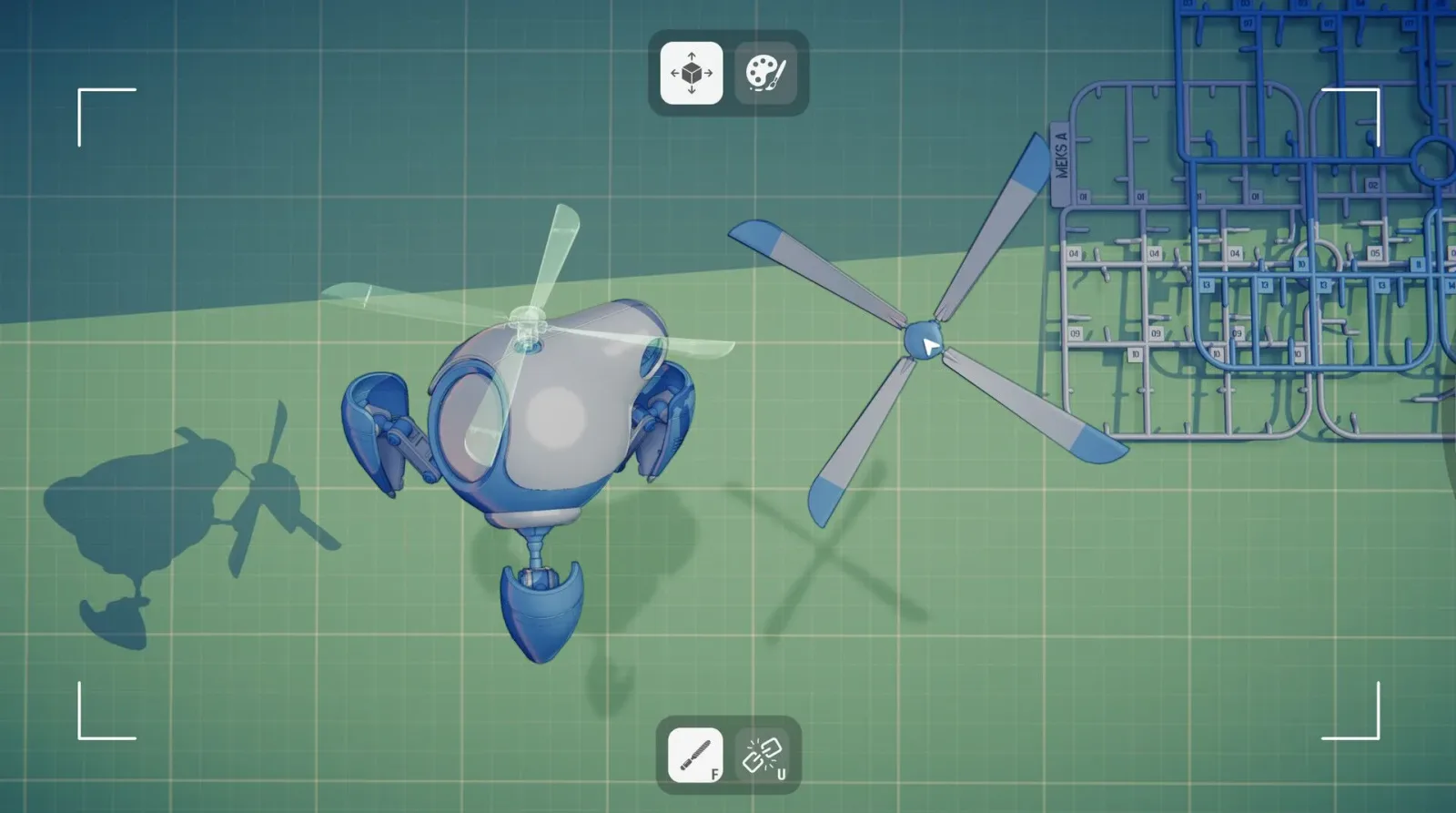
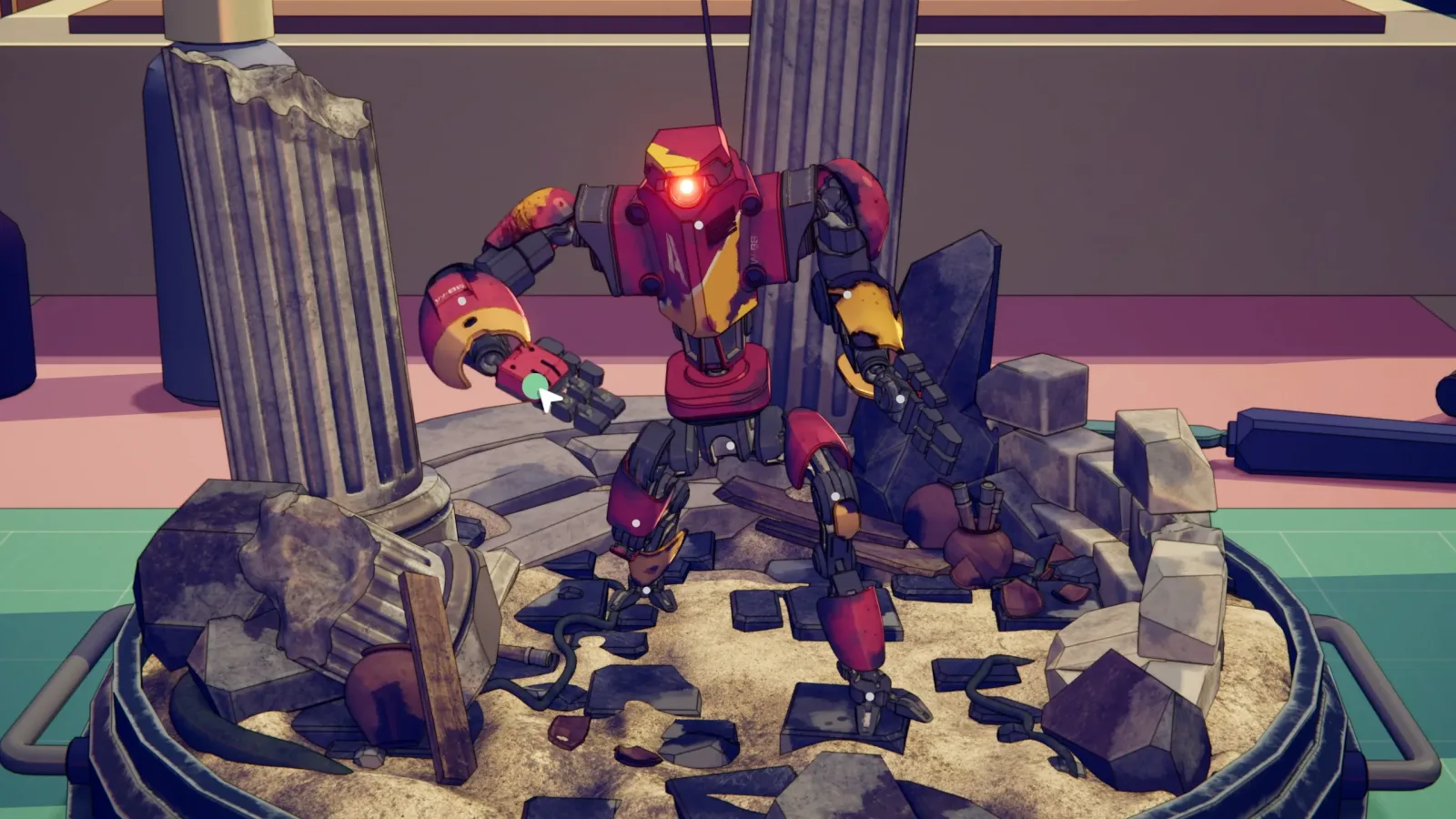
The playtest lets players construct two models: MeKS and Excavaclaw. Their contrasting roles should provide a useful snapshot of the sorts of designs Model Kit Studio intends to put on the worktable.
For useful background on this topic, read Silver Palace Launches Globally December 14, 2026 for PC, PS5 and Mobile.
MeKS is described as a flying robotic sidekick, suggesting a smaller, companion-style machine with an emphasis on personality and display appeal. Excavaclaw, meanwhile, is an industrial mining mecha built for excavation work on planets and asteroids. That premise gives it a more utilitarian identity, suited to players who prefer machinery with a sense of purpose behind its joints, tools and armored construction.
Rather than simply selecting a completed model from a menu, the central appeal is the assembly process itself. Players cut and fit individual pieces together by following accessible instructions. The intention is to make construction understandable even for people who may not have previous experience with physical hobby kits, while retaining the pleasure of seeing a detailed object take shape one component at a time.
That approach places Model Kit Studio in a particularly relaxing corner of the simulation space. The objective is not to beat a timer, optimize a factory line or face down opponents in combat. The reward is the gradual transformation of separate parts into a finished collectible. For many hobby fans, that slow progression is the entire point: looking closely at details, deciding how to approach a build and enjoying the small milestones along the way.
For another perspective on this story, read Model Kit Studio Steam Playtest Lets Players Build Mecha Until November 16.
Painting tools put personalization at the center
Assembly is only half of the workshop routine. Once a model has been put together, the playtest allows players to alter its appearance using brushes, airbrushes and decals. Those tools should support different approaches to finishing a kit, from careful painted details to broader coats and decorative markings.
Customization is an important part of the appeal because it turns a shared starting model into something more individual. Two players may begin with the same MeKS or Excavaclaw pieces, yet end up with markedly different results based on color choices, paint applications and decal placement. A pristine factory-fresh finish, a brightly stylized display piece or a machine that looks ready for heavy work are all natural creative directions for the premise.
The inclusion of decals is especially fitting for a game inspired by the model-kit process. Small insignias and markings can change the perceived history and function of a machine, whether they imply an industrial operator, a fictional manufacturer or simply a visual theme chosen by the player. Even without competitive systems attached, these choices offer a reason to revisit builds and experiment with alternative looks.
Model Kit Studio also accounts for one of the less glamorous but familiar parts of kit building: cleanup. A hand vacuum can be used to collect leftover nubs, the small remnants created when parts are separated from their frames. It is a modest detail, but one that reinforces the game's tactile theme. Rather than skipping directly from a part sprue to a perfect final object, the workshop acknowledges the little acts of maintenance that make a crafting space feel lived in.
A workshop designed for unwinding
The playtest's workbench is situated in a stylish apartment studio, expanding the experience beyond the immediate construction interface. Players can explore the space while taking breaks from their projects, giving the game a quieter layer of interaction between painting sessions.
One resident of the apartment is a pet cat named Donut. The presence of a cat fits the game's domestic, comforting tone and helps the studio feel less like a sterile menu environment. The apartment also includes plants to water, while a coffee-making interaction offers another small ritual for players who want to settle into the setting before returning to a model.
A jukebox provides access to the game's soothing soundtrack. Music often carries much of the mood in games built around repetitive, meditative tasks, and Model Kit Studio's premise appears to understand that the sounds surrounding a creative activity can matter as much as the task itself. A player spending time applying paint or deciding where a decal belongs is likely to benefit from an environment that encourages concentration rather than urgency.
These apartment interactions are not presented as distractions from the main attraction. Instead, they support the fantasy of owning a personal creative retreat: a space where tools are ready, projects wait patiently on the desk, music is playing and no one is demanding that the work be rushed. It is a direction that may appeal not only to established model enthusiasts, but also to players drawn to cozy games and creative simulations.
What the playtest can reveal before 2027
With only two kits available, the Steam playtest appears designed to introduce the fundamental rhythm of Model Kit Studio rather than demonstrate every possible model type or workshop option planned for the final release. That makes the test a chance to assess how satisfying the basic actions feel: following directions, handling individual parts, completing an assembly, cleaning up and transforming the finished object through painting.
It will also give players a first impression of how much freedom the decoration tools provide. A robust set of painting options could make even a relatively compact catalog of models last longer, as builders return to familiar kits with new color schemes and design goals. Conversely, the test period gives the development team an opportunity to learn how newcomers respond to the instructions and whether the steps of the building process feel clear and rewarding.
The limited window means interested players should not assume the test will remain available up to the game's planned launch. The current playtest ends on November 16, while Model Kit Studio itself is not expected to arrive on Steam until 2027. No specific release date beyond that year has been announced.
A digital hobby bench with room to grow
Model Kit Studio arrives with a straightforward but inviting pitch: build mecha models at your own pace, make them your own and spend time in a pleasant workshop while doing it. Its focus on cutting pieces, assembling components, cleaning nubs and applying finishes suggests a game that wants to respect the practical details of the hobby rather than use model kits as background decoration.
For players who already enjoy building physical kits, the Steam playtest may provide a no-mess way to enjoy a similar creative cadence. For those who have been curious about the hobby but hesitant to buy tools, paints or their first box of parts, it could be a gentler introduction to the appeal of construction and customization.
Until November 16, Steam users can try building MeKS and Excavaclaw, meet Donut, put on some music and see whether this small digital studio has the relaxing workbench energy they have been looking for. With the full game still planned for 2027, the playtest offers an early foundation for a project built around patience, personality and the satisfaction of a model finally coming together.
Community
Discussion
Start the conversation.
No comments have been posted yet.