

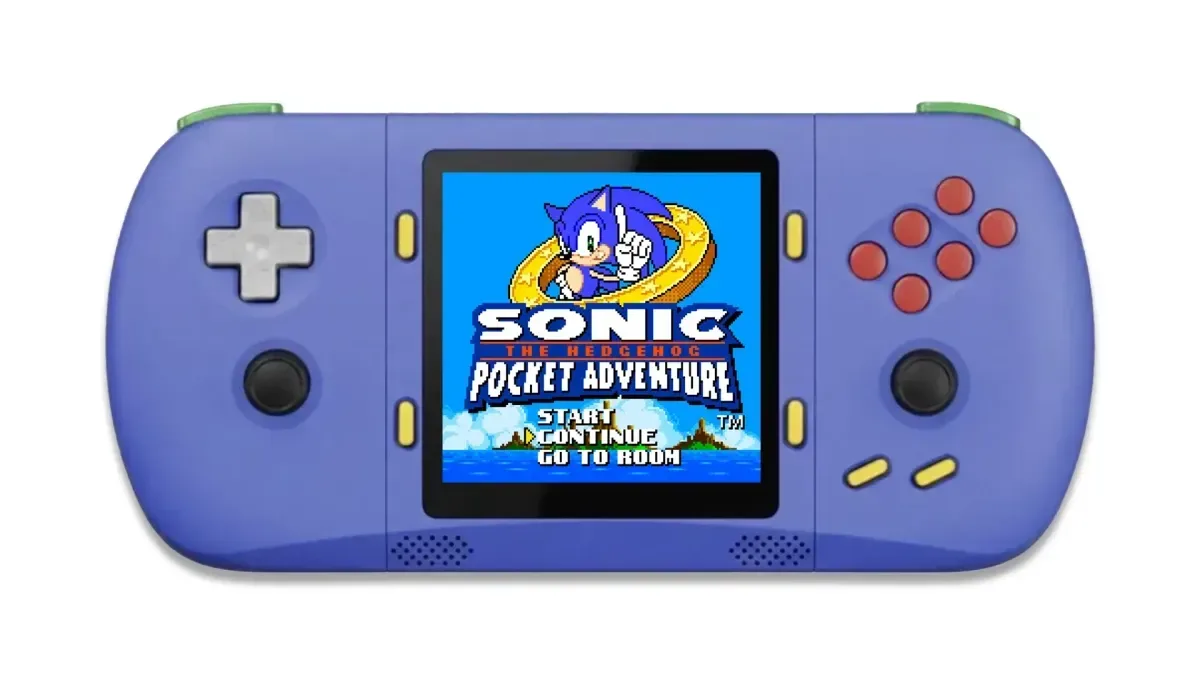
The Multisystem Pocket 2 is beginning to look like a real handheld rather than simply an ambitious FPGA project. The Retro Collective, a UK-based retro gaming content creator and museum, has shared a new development update that gives enthusiasts their clearest view yet of the portable's intended launch design.
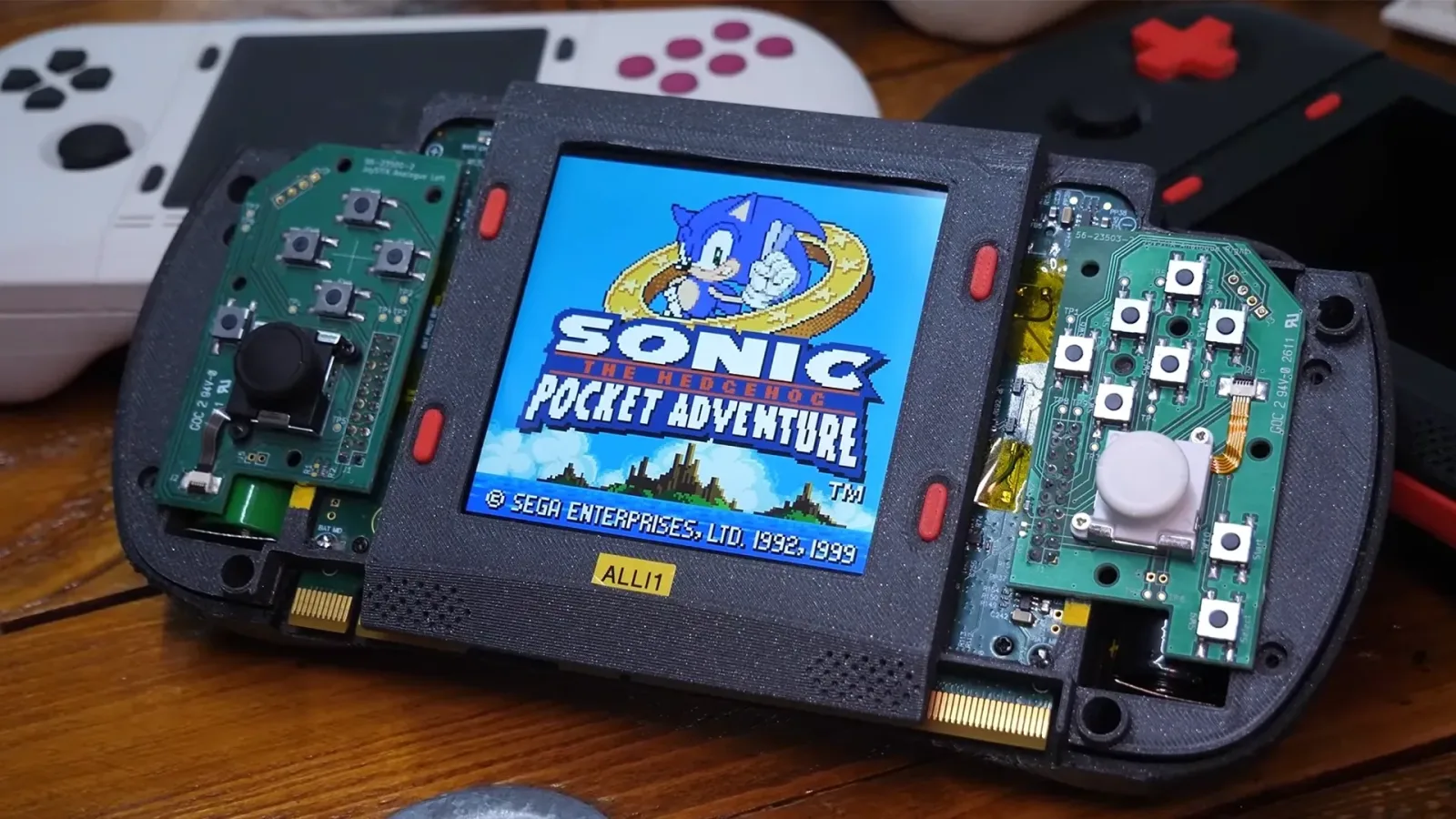
There is still important work ahead. The unit shown remains a 3D-printed prototype, its internal hardware has not been finalized, and the creators are actively seeking community feedback. Even so, the team has now reached an agreement on the broad form factor it wants the finished Multisystem Pocket 2 to use. That decision makes it easier to understand what this unusual device is aiming to be: a substantial, comfort-focused portable MiSTer FPGA machine designed around retro systems rather than the slim, pocket-first conventions of many contemporary emulation handhelds.
Its appearance draws clear inspiration from classic widescreen-era portables. The overall shape evokes the Sega Game Gear, while elements of its layout and presence bring Atari's Lynx to mind. Rather than attempting to disguise those influences, the Multisystem Pocket 2 appears to embrace the big-handheld character of the hardware it is meant to celebrate.
A deliberately large retro handheld layout
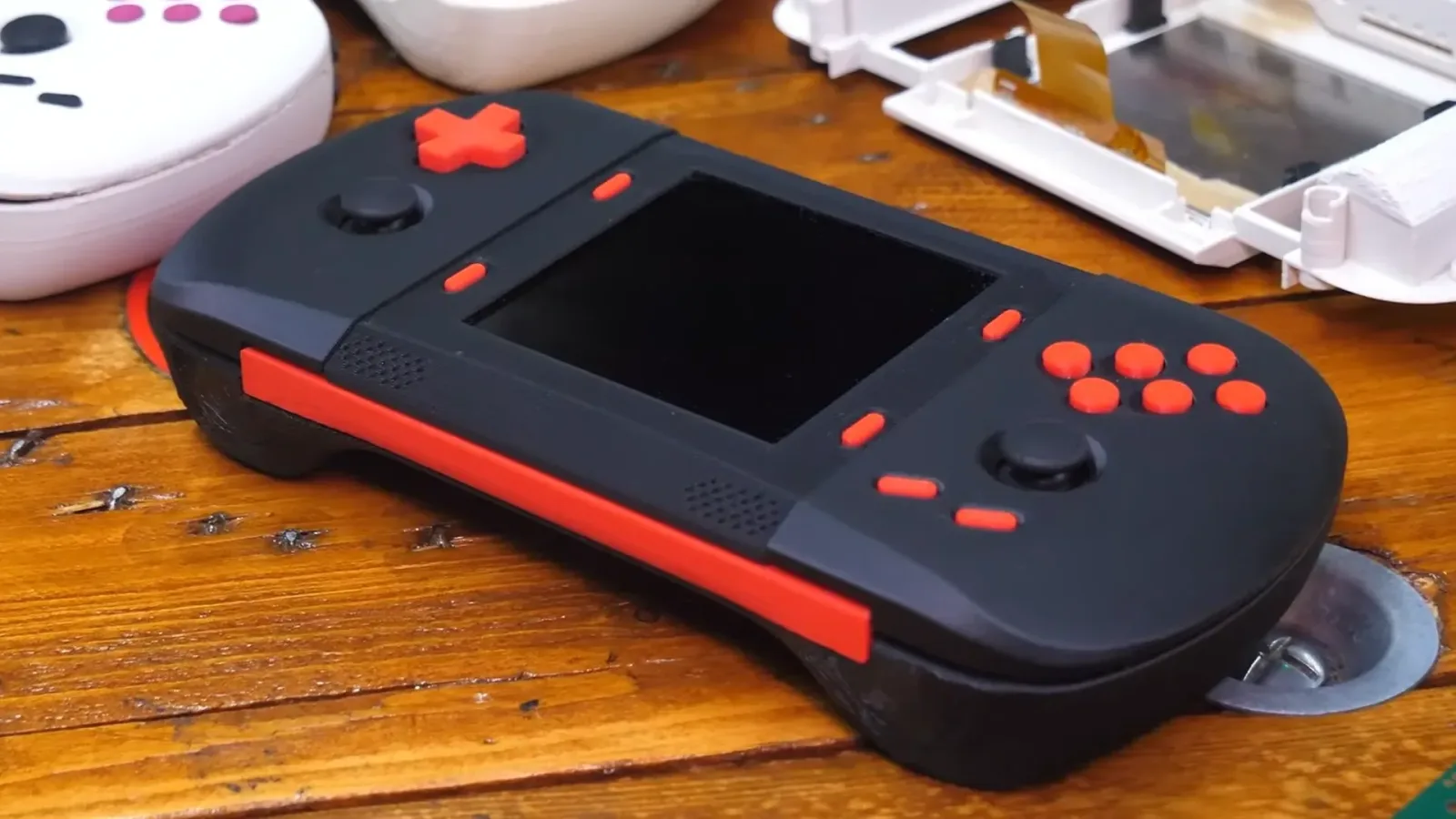
The proposed Multisystem Pocket 2 design centers on a square display set into a broad landscape body. Around that screen, the prototype includes six action buttons, dual analogue sticks and four shoulder buttons. Together, those inputs suggest a device intended to cover a wide range of software and control styles rather than being optimized solely for the simple two-button consoles often associated with portable retro gaming.
For useful background on this topic, read Xbox Game Pass September Wave 2 Adds Dune: Awakening, Minecraft Dungeons 2 and Gears of War: E-Day.
Six face buttons are particularly notable in a handheld built around historical hardware. They can be useful for systems and arcade games that require more than a basic modern ABXY arrangement, while the two analogue sticks expand the device's flexibility for MiSTer cores and software that benefit from directional control beyond a traditional D-pad. The four shoulder buttons further reinforce the idea that the team is trying to make one machine capable of accommodating many different platforms and controller expectations.
The result is a case described as meaty rather than minimal. That may be a feature, not a drawback, for the audience this project is targeting. Small Linux- and Android-based retro handhelds are plentiful, but their compact designs can involve compromises in ergonomics, button spacing, grip comfort or screen size. The Multisystem Pocket 2's current direction instead appears to prioritize a stable hold and a control layout with room to breathe.
The current model is a prototype, so its materials and internal configuration should not be treated as final product specifications.
The team's images and video offer a sense of the planned silhouette and control arrangement, but details may still change before production. That is especially relevant because the project remains open to feedback from the community. In enthusiast hardware, this phase can make a meaningful difference: button placement, stick positioning, screen choice, shell thickness and shoulder-button feel are all details that can define the long-term experience of using a handheld.
Built around MiSTer FPGA technology
The Multisystem Pocket 2 is not positioned as a conventional Android or Linux emulation device. It is an independently developed portable MiSTer FPGA handheld. In practical terms, that places it within a niche but passionate corner of retro gaming hardware, one focused on FPGA implementations of classic systems.
FPGA, short for field-programmable gate array, takes a different approach from software emulation. Instead of relying only on a general-purpose processor to simulate a console through software, FPGA hardware can be configured to reproduce the logic of original systems at a hardware level. Supporters value this approach for its accuracy, timing characteristics and the opportunity to experience older games through implementations designed to behave closely to the original machines.
That distinction matters to the project's likely audience. Many players will be perfectly happy using software emulation on a phone, a PC, or one of the many affordable retro handhelds already on the market. MiSTer users, however, often appreciate the technical side of the hobby as much as the games themselves. They may be willing to spend time configuring cores, adapting hardware and discussing fine details of video output, input response and system behavior.
The Multisystem Pocket 2 aims to put that philosophy in a more self-contained portable form. The stated goal is to support an array of retro consoles, including the NES, Game Boy, Neo Geo and Sega Mega Drive, among others. Those systems span very different eras and game libraries, making control versatility and a comfortable chassis important parts of the design challenge.
Why a dedicated portable may appeal to MiSTer fans
MiSTer setups have traditionally been associated with desktop hardware, displays, adapters and controllers. That environment is rewarding for users who enjoy tinkering, but it is not always the most convenient way to take a preferred FPGA setup from one room to another, much less outside the home. A dedicated handheld can simplify that proposition if it delivers solid ergonomics and dependable performance.
- Portability: A single handheld package is easier to carry than a conventional MiSTer arrangement.
- Broader controls: Six face buttons, analogue sticks and shoulder buttons could make the system more adaptable across supported cores.
- Retro-first design: The physical design is being shaped around classic gaming rather than general smartphone-style use.
- Hands-on appeal: The project is likely to interest users who enjoy both FPGA technology and specialty hardware.
Of course, FPGA's strengths do not automatically mean every player will notice a dramatic difference compared with software emulation. Perceived benefits can depend on the game, the display, the controller, the configuration and the individual user. For many enthusiasts, though, the appeal is not just about spotting a difference in a side-by-side test. It is about using a platform whose purpose is closely aligned with preserving and recreating older hardware behavior.
Prototype today, injection-moulded product later
The handheld currently shown is 3D printed. That is common and useful during a project's design phase, allowing teams to assess physical dimensions and modify a shell without committing to expensive tooling. It also means the fit, surface finish and perceived quality of the prototype should not be used as a direct preview of the retail construction.
The Retro Collective intends for the launch version to use injection moulding. If that plan reaches production, the final shell should represent a considerable step up from the prototype in consistency and finish. Injection-moulded plastic is the familiar standard for many commercial controllers and handheld systems, and it can provide a more polished, durable-feeling enclosure than an early 3D-printed case.
That transition is one of the most important remaining milestones. A 3D-printed concept can demonstrate a layout, but converting a specialty device into an injection-moulded product brings additional work involving manufacturing, tolerances, component placement and tooling. The fact that the internal hardware has not yet been finalized underlines that the Multisystem Pocket 2 is still firmly in development rather than at the pre-order or retail stage.
For prospective buyers, the best approach is patience. The form factor now has a clearer direction, but the finished machine will ultimately be judged on details that cannot be confirmed from the current prototype alone: display quality, battery behavior, input feel, thermal performance, software setup, compatibility and the overall reliability of the final build.
No price confirmed as development continues
There is currently no announced price for the Multisystem Pocket 2. That is unsurprising given the unfinished internal design and the planned move from prototypes to injection-moulded production. It would be premature to draw conclusions about its final cost, especially for a device being made by a small creative team rather than produced at the scale of a major consumer electronics company.
Still, the project's ambitions make it reasonable to expect it to occupy a specialized part of the market rather than compete directly with the least expensive emulation handhelds. FPGA-focused hardware, custom physical design and smaller-scale manufacturing can all add complexity. The eventual price will be an important factor, but the intended customer is likely to be someone looking specifically for a portable MiSTer experience rather than simply the cheapest way to play older games.
The development team has indicated that it is working toward completion by the end of the year, while continuing to invite feedback. That should be understood as a development target, not a fully detailed launch announcement. No exact release date, final specifications or purchasing information has been confirmed.
A promising addition to the specialty handheld scene
The Multisystem Pocket 2 stands out because it is not trying to be everything to everyone. Its design is unapologetically large, its control set is expansive, and its technical foundation is aimed at the MiSTer FPGA community. In an era filled with compact retro devices that often resemble one another, a Game Gear- and Lynx-inspired portable with a square display and six-button layout has a distinctive identity.
There is plenty left to prove before the hardware reaches players. But the latest prototype gives the project a more tangible personality and establishes the priorities behind it: comfort, flexible controls, portable FPGA gaming and a physical design that celebrates the oversized handhelds of the past. For MiSTer enthusiasts who have wanted that experience in a dedicated portable format, the Multisystem Pocket 2 is a project worth watching as its final hardware takes shape.
Community
Discussion
Start the conversation.
No comments have been posted yet.