

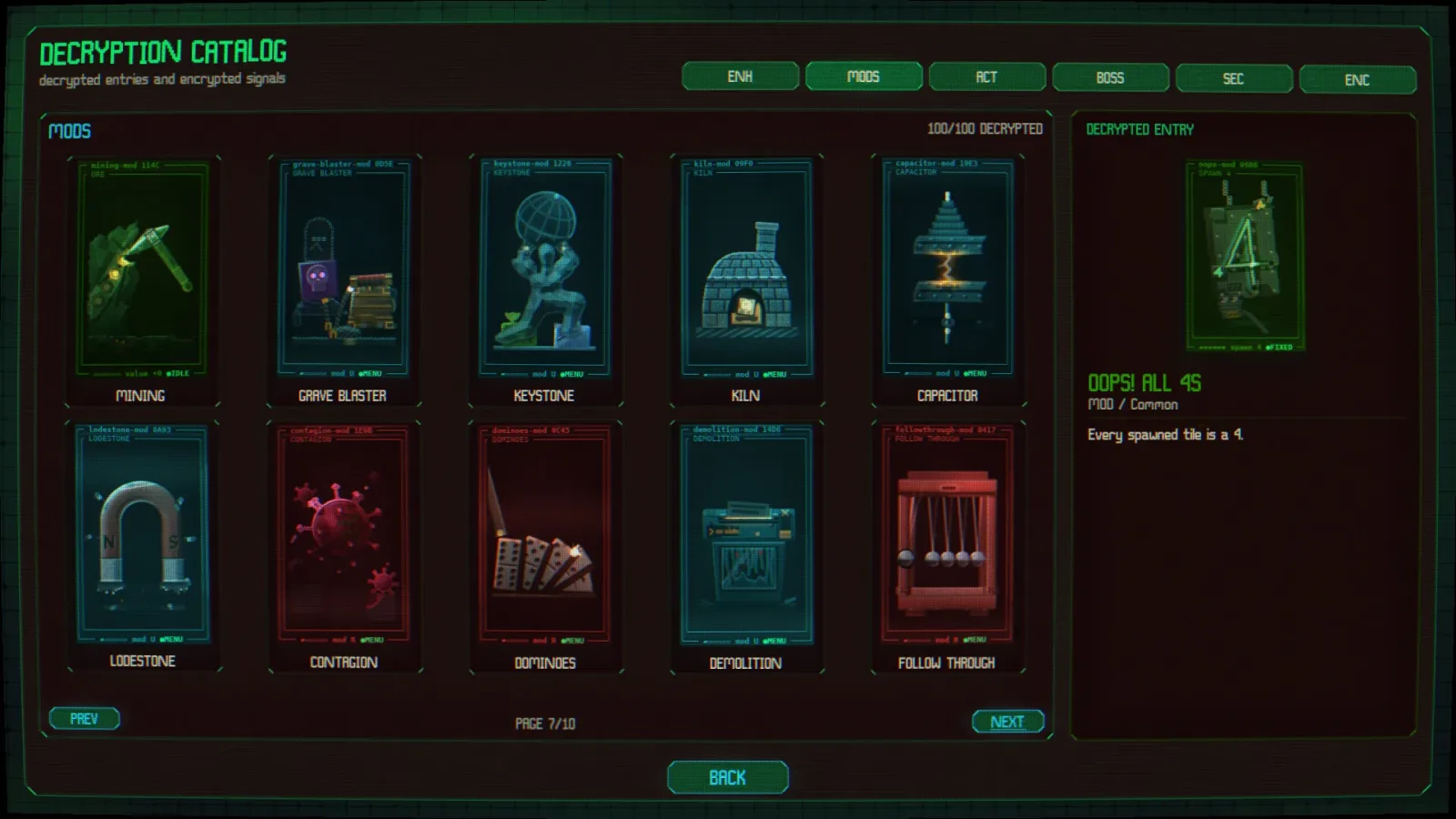
Deev Interactive has launched the first public demo for Numbers Go Up, a roguelike deckbuilder built around the familiar sliding-number puzzle principles of 2048. The demo became available on Steam on September 25, 2026, alongside a new trailer released during Game Devs of Color Expo 2026.
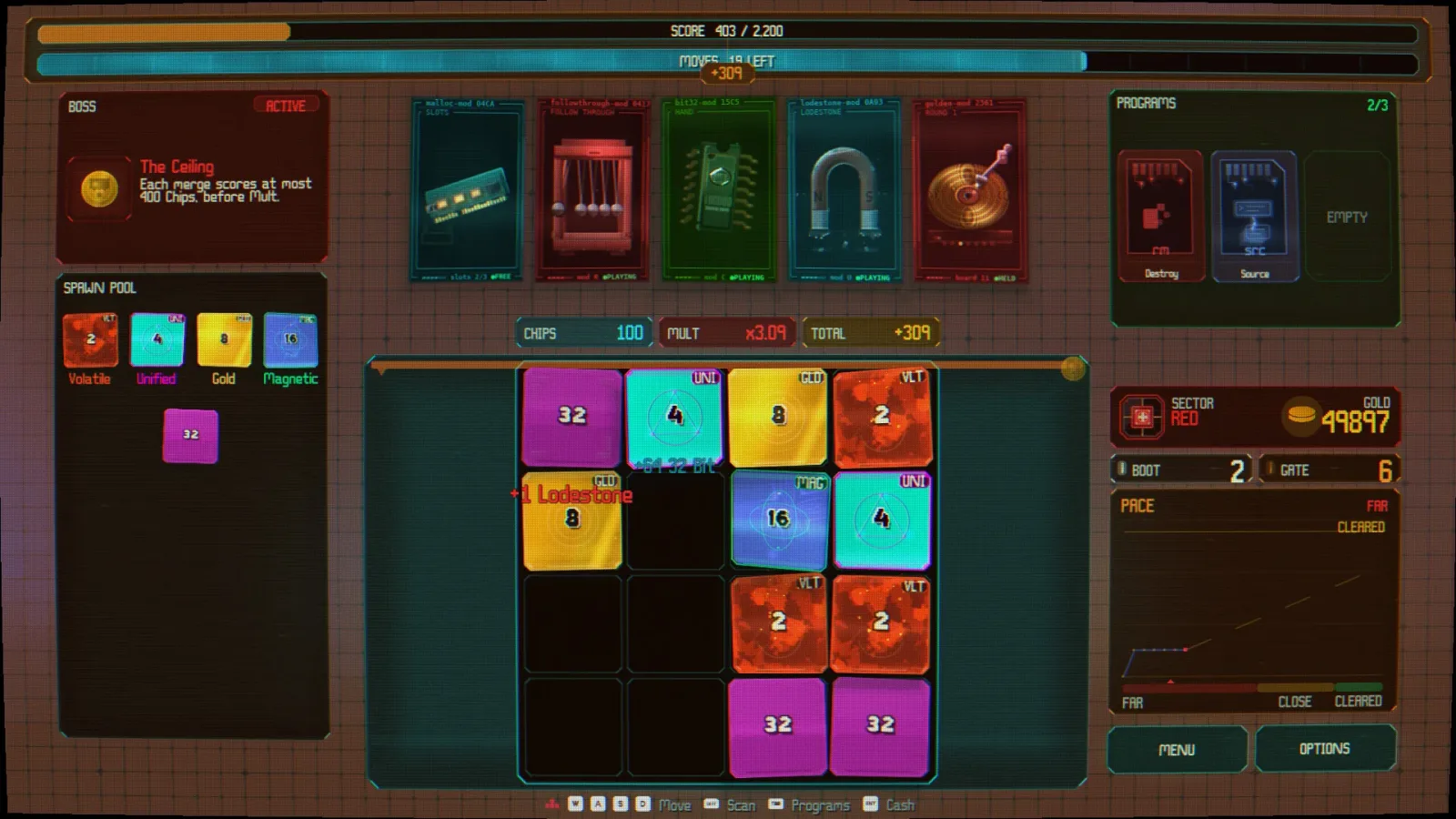
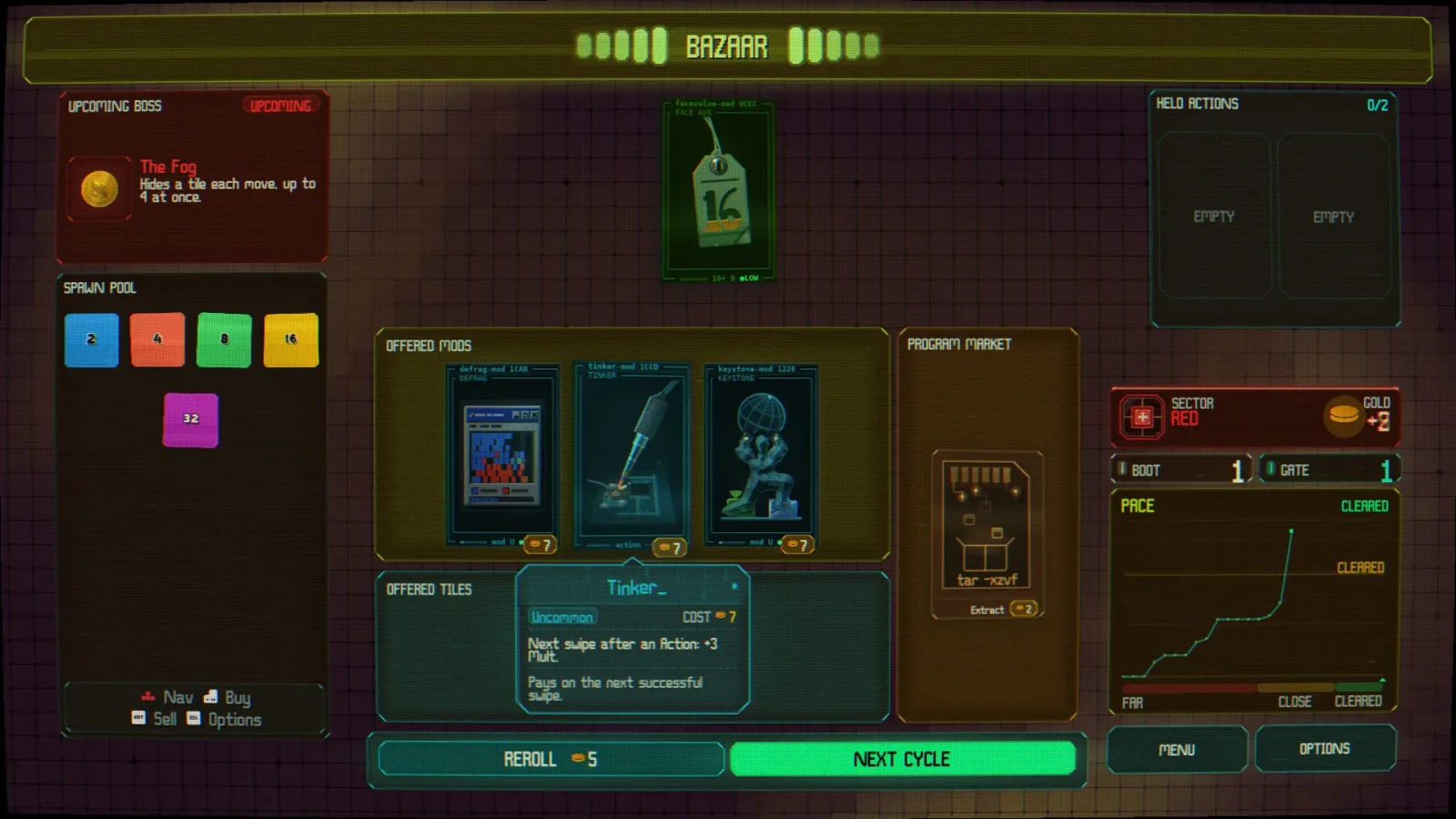
At a glance, the game begins with a deceptively simple setup: a 4×4 grid filled with numbered tiles. Players slide those tiles around the board, merge matching values, and try to keep a run alive as the space becomes increasingly difficult to manage. But Numbers Go Up is not aiming to be a straightforward score-chasing puzzle game. It layers modifiers, tile variants, programs, bosses, shops, unlocks and competitive multiplayer over that core, turning each board into a system that can be pushed into spectacularly unstable combinations.
The free demo has no time limit and no restriction on the number of runs players can attempt. That makes it a substantial opportunity to learn the game's rules, test different builds, and gradually unlock more options rather than simply sampling a single tightly limited slice.
A 2048 Board With Roguelike Escalation
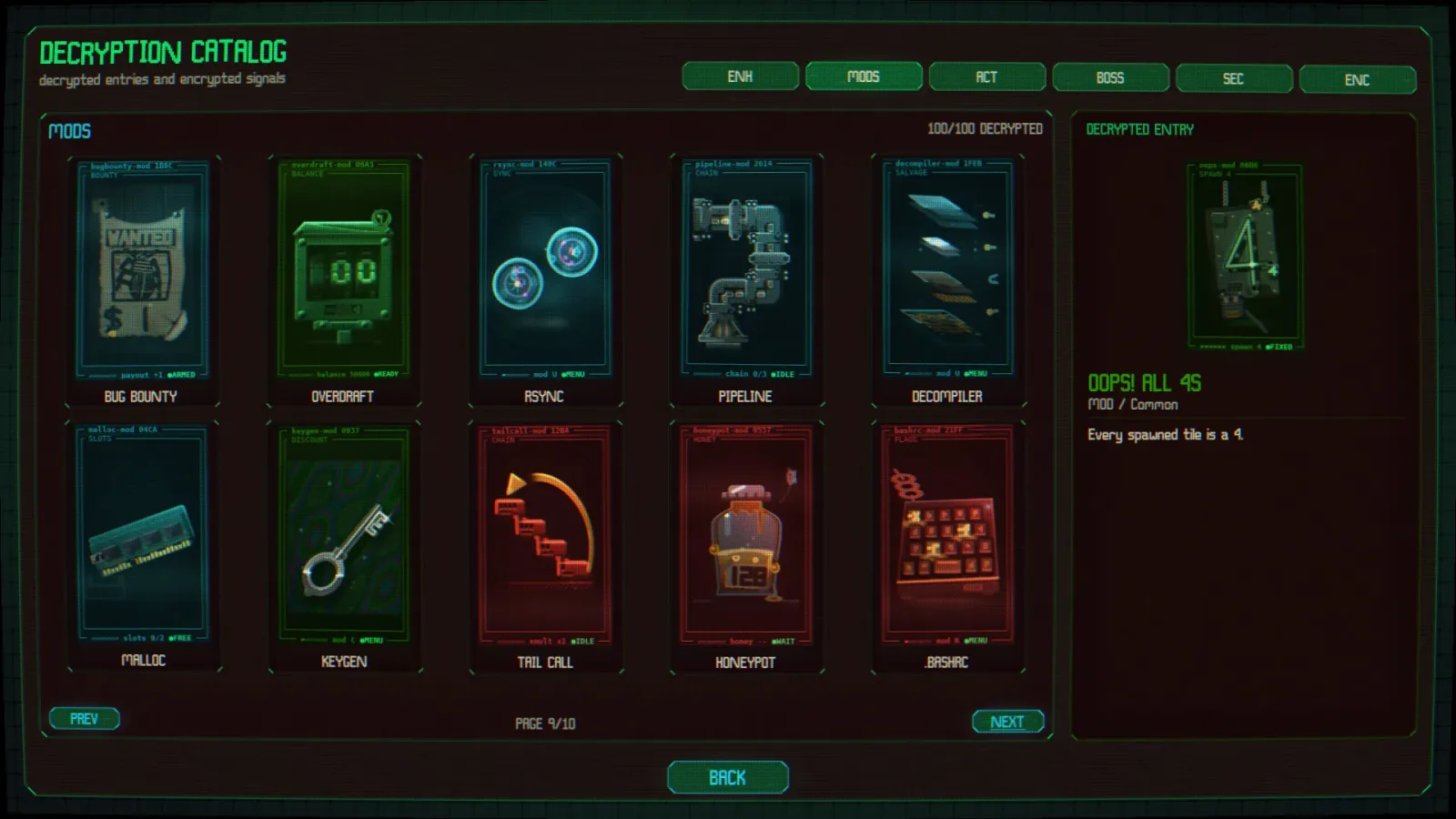
Numbers Go Up uses the language of deckbuilders and roguelikes even though its central play space is a grid rather than a hand of cards. Every movement decision matters. Sliding tiles can create merges, open or close lanes, and set up future turns, while the game's mod system can change the value of particular moves or substantially alter what tiles are capable of doing.
For useful background on this topic, read Potion-making: Path of the Alchemist Multiplayer Demo Arrives on Steam September 30.
The premise is that players pile on black-market mods until their carefully assembled setup finally breaks down. That framing suggests a run is not merely about reaching the largest possible number. It is also about finding interactions between upgrades, managing board position, and deciding when a high-risk combination is worth pursuing.
Runs are expected to take roughly 30 minutes, placing Numbers Go Up in a useful middle ground for roguelike fans: long enough for a build to develop and for bosses to create pressure, but short enough to encourage repeated experimentation. A complete run has six boots before transitioning into Endless play, allowing players to continue after the main sequence if their build is still functioning.
What the Numbers Go Up Demo Includes
The Steam demo offers a meaningful portion of the planned game's systems. Players can access 40 mods out of the stated 125 in the full release. Of those demo mods, 29 are available immediately, while another 11 are earned through play. That progression should give returning players fresh tools to investigate instead of placing every possible combination on the table from the opening run.
Other demo content includes the following:
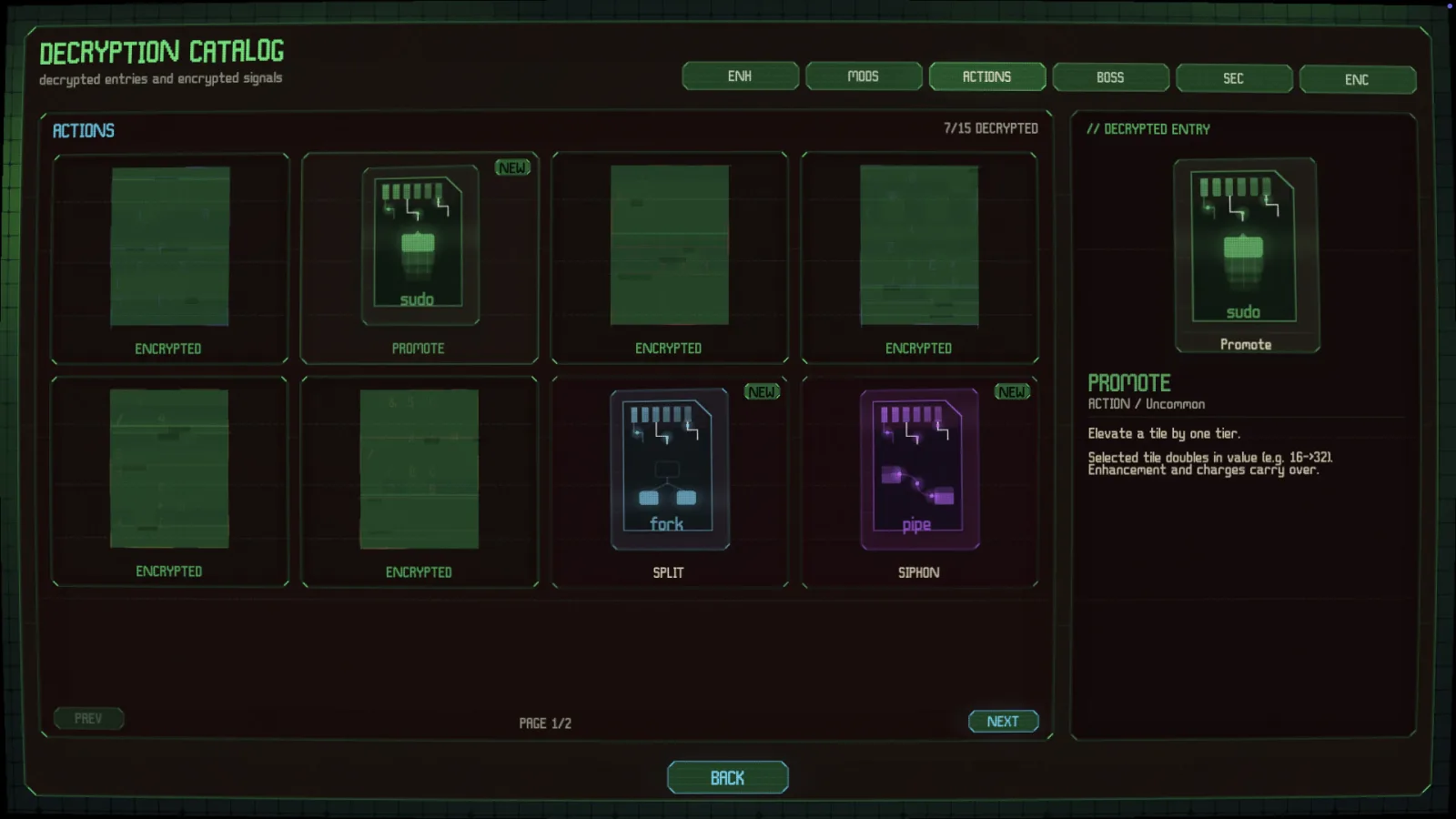
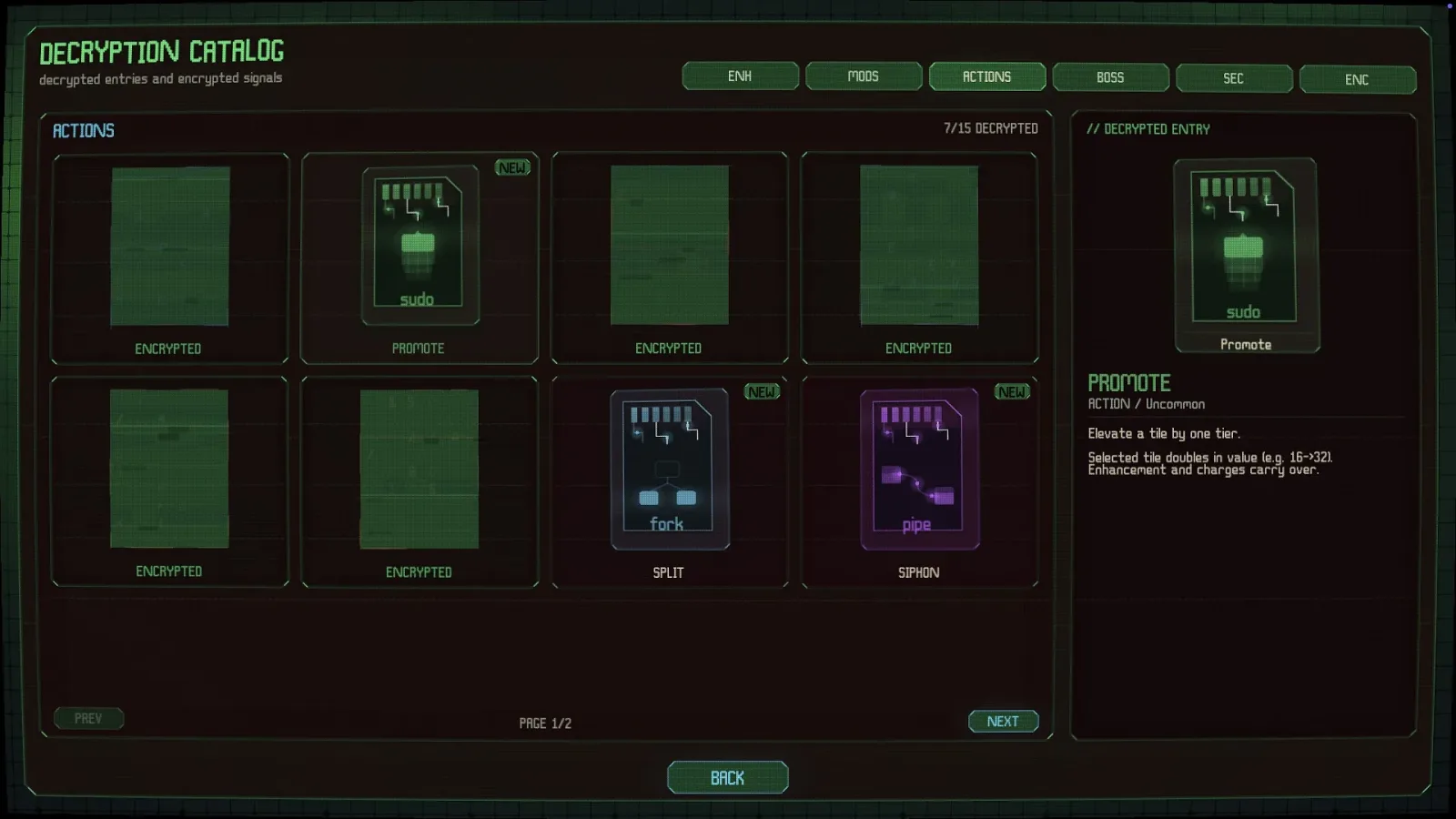
- Eight programs from a planned pool of more than 25.
- Six enhanced tile types
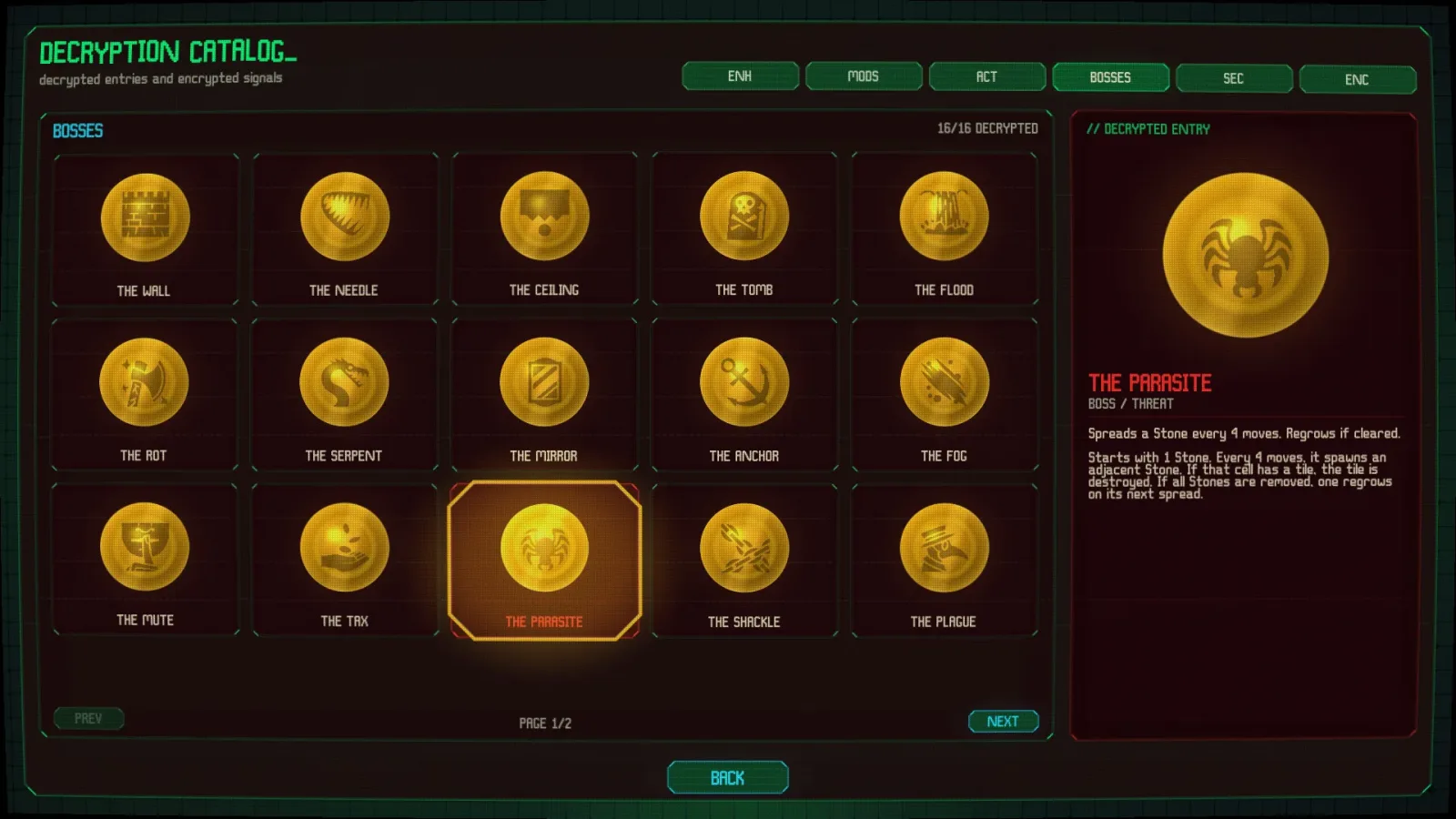
- Seven rotating bosses, plus a fixed final encounter, The Mirror, at boot 6.
- Two sectors, described as game modes, from a planned seven-sector structure.
- Encryption levels E1 through E3 within the available sectors, each with its own unlock progression.
- Online multiplayer through a casual queue and private rooms.
The wider feature outline also lists 120 mods, 16 enhanced tile types, 20 hacks and 16 boss gates for the full game. Those totals differ somewhat from the broader counts attached to the demo breakdown, which describes 125 mods and more than 20 enhanced tile types. The central takeaway is clear: the demo represents only a portion of a much larger progression and buildcrafting pool planned for the finished version.
The available bosses are particularly important because they give the game an endpoint beyond filling a grid or chasing a personal best. In roguelike deckbuilders, bosses often act as tests for whether a strategy is flexible enough to survive an imposed challenge rather than simply efficient under ideal conditions. The Mirror's fixed placement at the sixth boot should also give successful demo runs a consistent final hurdle.
Seeded Multiplayer Makes Every Match Comparable
One of Numbers Go Up's more interesting ideas is its approach to online competition. Multiplayer runs use seeds, meaning both participants receive the same tile spawns, mod options and shop selections. The variable is therefore not the randomness of what each player was offered, but the decisions they make with identical ingredients.
That structure is a natural fit for a puzzle strategy game. Two players may see the same board developments and the same potential upgrades, yet reach entirely different outcomes based on movement order, purchases, risk tolerance and long-term planning. It also gives matches an appealing competitive clarity: when a player finds a powerful line or avoids a board-ending mistake, that advantage came from their choices rather than better luck.
Players can use the demo's casual matchmaking queue for online games or create private rooms for matches with friends. Ranked multiplayer is not part of the demo, but Deev Interactive plans ELO-ranked play for the full game. The planned release also includes dedicated matchmaking.
Seeds are not only useful for direct competition. The game is set to support shareable six-character seed codes, opening the door for players to pass along especially difficult, strange or satisfying runs. A compact code system can make community challenges much easier to organize, whether they involve trying to beat a friend's result, discovering a bizarre mod interaction, or tackling a seed that seems impossible until someone uncovers the correct approach.
Sectors, Encryption and Repeat-Run Progression
Numbers Go Up's sectors appear to provide an additional layer beyond standard run-to-run variation. The game is planned to have seven sectors, each with six encryption levels. The demo offers two sectors and opens E1 through E3 behind separate unlock ladders.
That terminology points to a format where players are not only unlocking individual mods or programs, but steadily opening new versions of the game's modes and challenges. For a title built on a compact 4×4 board, this kind of structure could be especially valuable. The basic grid does not change size, so the game's longevity will depend on how often its rules, threats, goals and build possibilities can be remixed in compelling ways.
Programs, hacks and enhanced tiles are also part of that larger toolbox. While the current announcement does not spell out every individual effect, their inclusion indicates that tile merging is only the foundation for a broader set of strategic exceptions and synergies. The strongest runs may be the ones that transform ordinary merges into engines for economy, damage, scoring, survival, or another advantage that counters the demands of a particular boss gate.
Steam Deck Support and an Unannounced Release Date
Numbers Go Up is currently announced for Steam, with full controller support and a design intended to work on Steam Deck. That is a promising combination for a game based on repeated runs and concise decision-making, especially for players who enjoy fitting roguelike attempts into shorter play sessions.
The title does not yet have a release date beyond TBD. For now, the demo is the place to try its blend of number puzzles, roguelike progression and synchronized competitive play. With unlimited attempts, unlockable demo content, solo modes and online casual matches, it offers more than a brief trailer-adjacent preview.
For players who have spent years optimizing 2048 boards or refining decks through escalating roguelike encounters, Numbers Go Up has a clear pitch: take the satisfaction of a perfectly timed merge, then complicate it with mods, bosses, sectors and opponents facing the very same random seed. The challenge will be seeing how far a build can be stretched before the numbers finally stop going up.
Community
Discussion
Start the conversation.
No comments have been posted yet.