

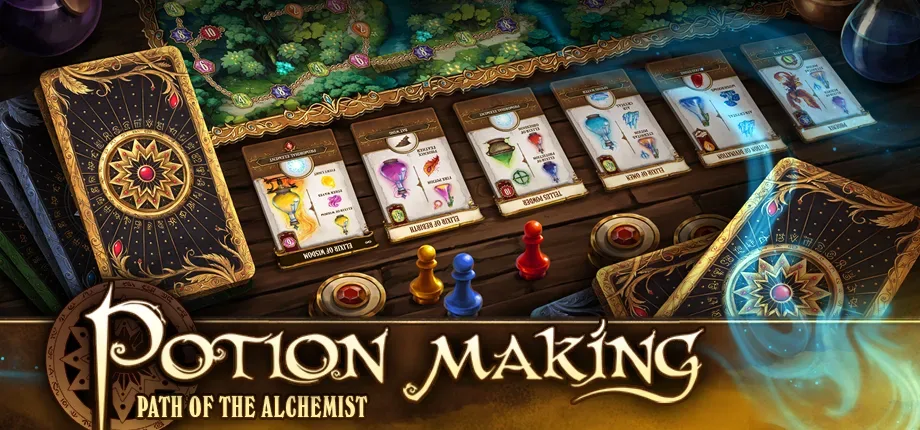
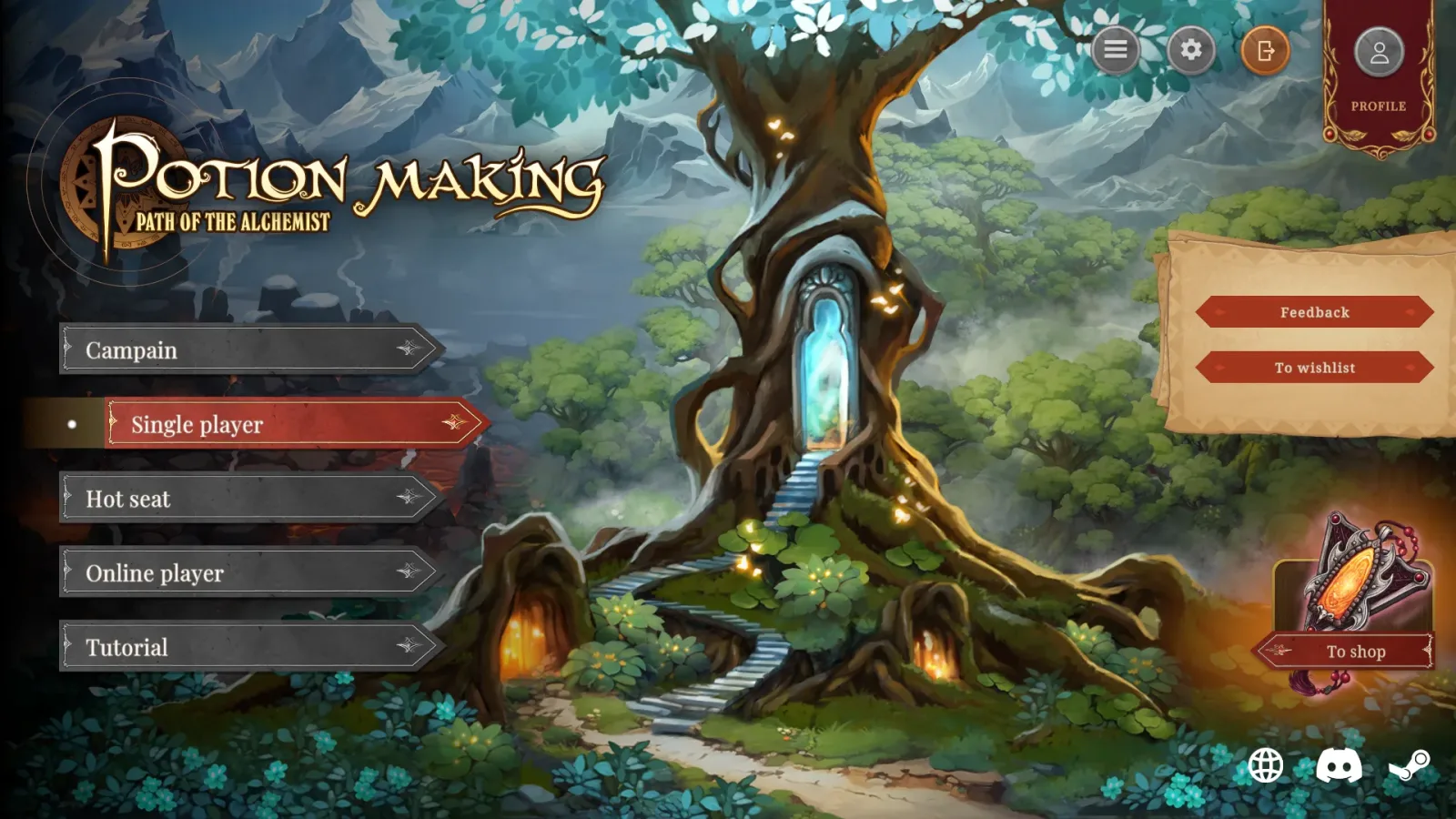
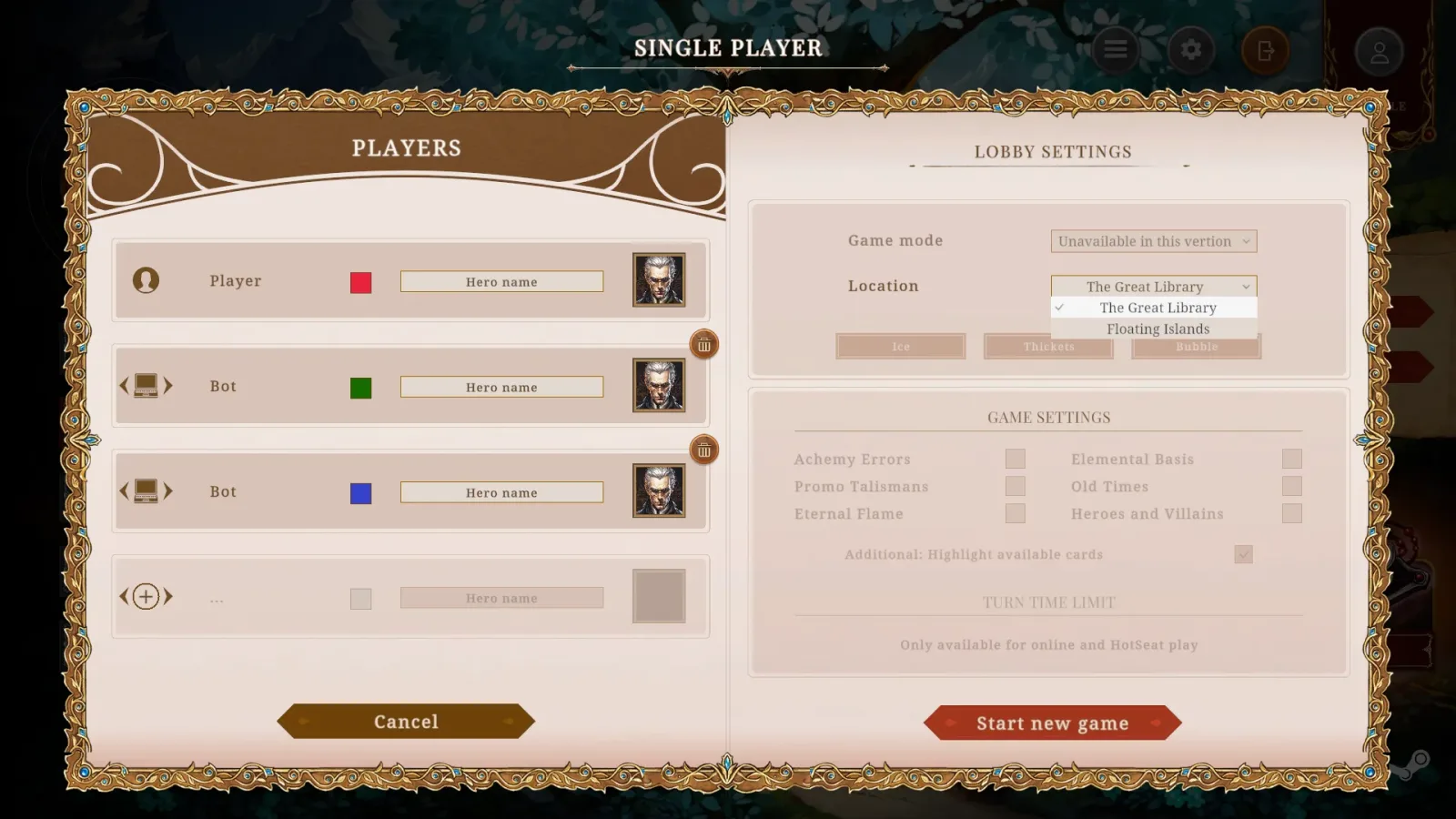
Potion-making: Path of the Alchemist, the upcoming digital adaptation of Sergey Machin's tabletop game, will hold a multiplayer demo on Steam beginning September 30. Developed by Oduvan Games, the game turns its alchemical theme into a competitive shared-table strategy experience, where players build recipes from humble ingredients, develop increasingly ambitious creations, and look for opportunities to disrupt their rivals' plans.
The demo is intended to let groups try the game's multiplayer-focused format ahead of the full release. Rather than treating brewing as an isolated puzzle, Potion-making: Path of the Alchemist is built around interaction. Recipes left in play can become targets for opponents, useful combinations may be claimed by another alchemist, and the table's limited room for Creatures creates another recurring source of tension.
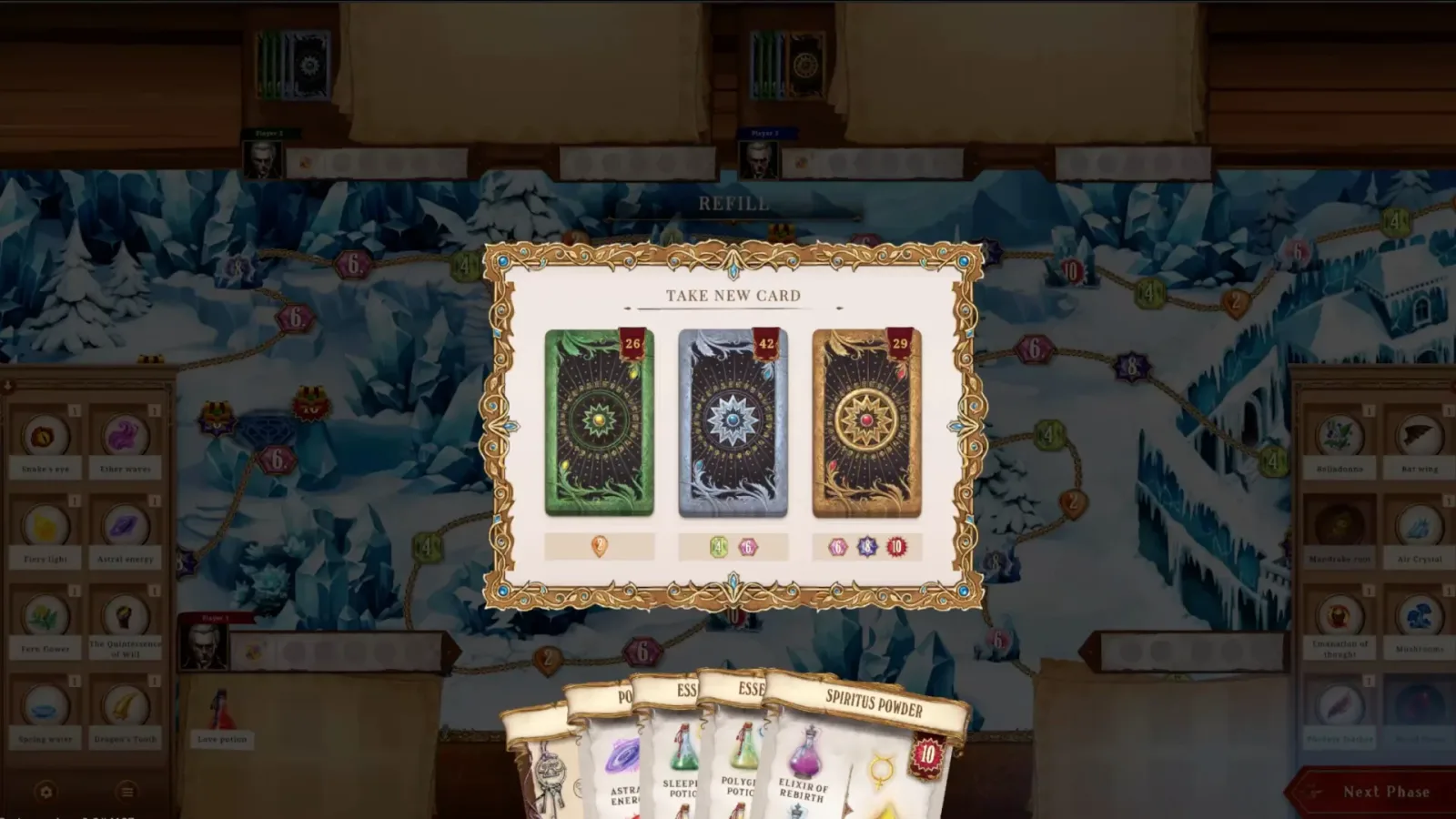
Players take the role of alchemists striving to become the first person to reach three Places of Power. Getting there requires more than simply collecting materials. Every ingredient, Potion, Elixir, Essence, Spell, Talisman, and Creature can potentially contribute to a larger chain of combinations. The challenge lies in deciding when a component is worth preserving for a future plan and when it is smarter to turn that component into an immediate advantage before someone else can use it.
From Basic Ingredients to Powerful Creations
At the foundation of the game's crafting system are basic materials such as Bloodstone and Snake's Eye. These early ingredients can be brought together to create simple Potions, including Slumber and Fire Potions. Those initial recipes are only the opening step of a much larger alchemical ladder, however.
For useful background on this topic, read 8BitDo Reveals Tomb Raider 30th Anniversary Ultimate 3 and Pro 3 Controllers.
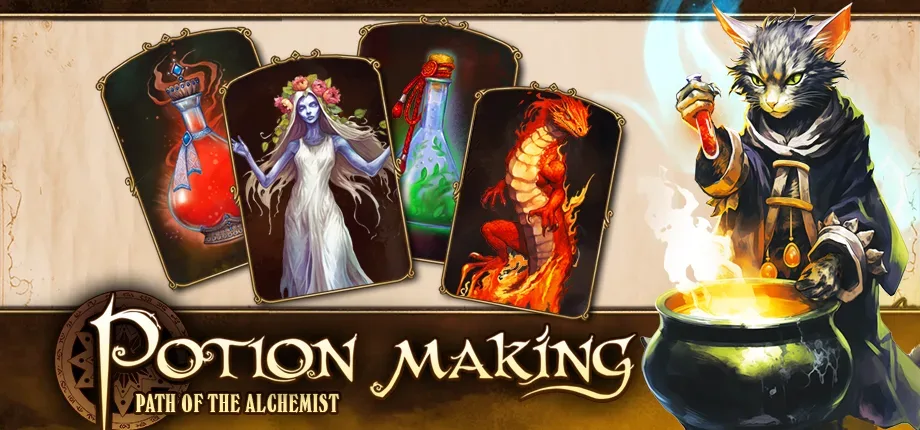
Potions can be paired with additional components to produce Elixirs. Elixirs, in turn, can be combined into stronger Essences. The system continues to branch out from there: mixing an Elixir with a Potion can summon a Creature. A Unicorn is among the examples mentioned for these higher-value creations, and Creatures offer access to more valuable Power Tokens.
That progression gives the game a clear sense of escalation. A player may begin with a few unassuming materials but eventually shape those pieces into something far more significant. Yet advancing through the recipe chain is not merely a matter of finding the correct ingredients. Since completed work can remain accessible on the shared table, finishing a useful recipe may expose it to opportunistic opponents.
This creates a central strategic question in every match. Is it best to use a finished recipe right away as a building block for a major creation? Or should it remain in play, perhaps because holding it back enables a more efficient future turn? Leaving it on the table can be tempting, but doing so also gives every other alchemist a chance to benefit from the work already done.
A Shared Table Built for Rivalry
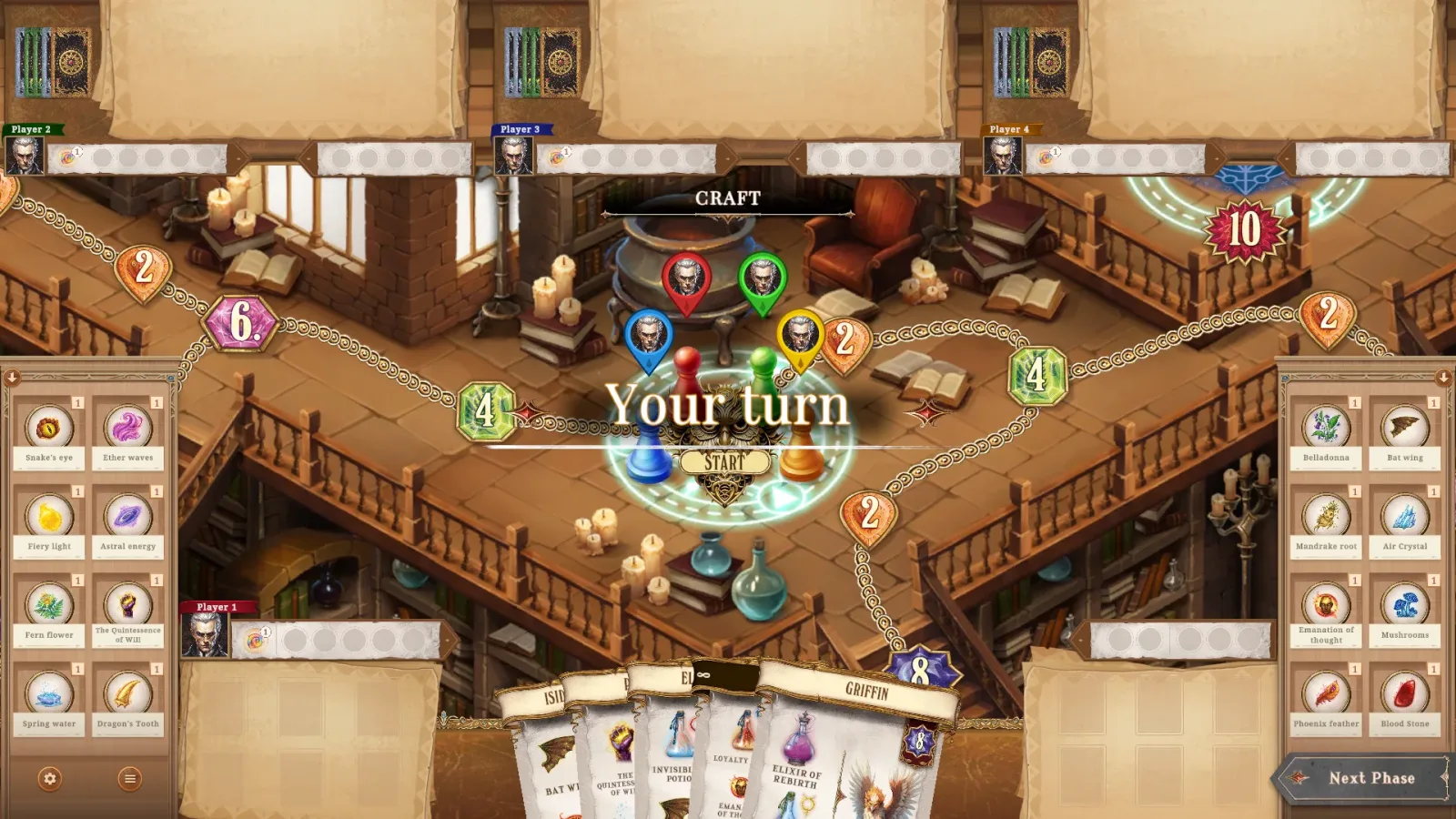
In Potion-making: Path of the Alchemist, anything placed on the table is available to all players. That single rule turns even routine crafting into a negotiation with the rest of the group. A player can set up an elegant combination only to watch a rival complete the next step. They may also spot a recipe someone else has assembled and use it before its original creator can make the most of it.
The game specifically allows players to steal completed Recipes from other alchemists. This means players are not simply racing to acquire private resources; they are continuously assessing what everyone else is preparing. A card or combination that looks harmless now could become the final ingredient in an opposing player's major breakthrough on the following turn.
Spells and Talismans add further tools to the alchemist's kit, while the game's emphasis on interference suggests that a strong position will depend on reading the state of the table as carefully as managing one's own supplies. The result is a multiplayer game where cooperation and conflict can overlap. Players may benefit from shared recipe development at one moment, then immediately turn against each other when a valuable payoff is within reach.
Every completed recipe can present a choice between extending a personal plan and risking that an opponent will turn that work into their own advantage.
That social element is a major part of the digital adaptation's identity. The game encourages friends to gather around a virtual table for tactical alliances, calculated theft, unexpected reversals, and friendly rivalry. Since players can all draw from what has been created in the shared space, a successful strategy is likely to involve timing as much as recipe knowledge.
Creatures Bring a Constant Contest for the Table
Creatures are especially important because they follow a separate limitation: only one Creature can be present on the table at any given time. Summoning a new Creature does not simply add to the available collection. Instead, it dismantles the existing Creature, and that previous Creature's owner receives a bonus.
This rule ensures that Creature crafting is never entirely straightforward. Bringing out a more impressive beast can supply a player with valuable Power Tokens, but it also changes the board state for everyone. The displaced owner receives compensation, while the new Creature becomes the table's current focal point. Players will need to weigh whether replacing a Creature is worth the immediate gain, the bonus granted to a rival, and the possibilities the new board state opens up.
It also gives the game a recurring cycle of escalation. As alchemists assemble better combinations, they can vie to produce the most valuable Creature currently in play. But no Creature is permanent. Another player can eventually build the materials needed to replace it, shifting rewards and forcing everyone to reconsider their priorities.
Board Game Roots and Digital Convenience
The digital game is based on the 2024 edition of Potion-making: Path of the Alchemist. The broader series has a longer history: the original board game by Sergey Machin launched in 2005 and has sold more than 300,000 copies. The Steam adaptation brings that established recipe-building structure into a format designed for online multiplayer sessions.
One of the practical advantages of the digital edition is its handling of bookkeeping. Tabletop games with layered crafting trees can involve tracking many ingredients, chains of recipes, special effects, and ownership changes. Oduvan Games' adaptation is designed to manage those logistical details, allowing players to spend more of their attention on decisions, interaction, and the shifting opportunities around the table.
That approach could be particularly valuable for newcomers. The game's combinations span multiple stages, from basic ingredients to Potions, Elixirs, Essences, and Creatures. Automatic handling of the underlying rules should make it easier to focus on the bigger questions: which recipe to pursue, which shared component is at risk, when to summon a Creature, and whether an opponent is close to reaching another Place of Power.
What the Steam Demo Will Offer
The multiplayer demo begins on Steam on September 30 and will give players a chance to experience Potion-making: Path of the Alchemist with friends before launch. Oduvan Games has positioned the demo around the title's group play, where the shared-table system can create both cooperative moments and direct competition.
For fans of board games that turn crafting into a battle over tempo and public resources, the demo should offer a useful first look at how the adaptation feels in motion. The objective is simple enough to understand--be the first alchemist to reach three Places of Power--but the route to that goal can change dramatically based on other players' recipes and decisions.
Players interested in trying the game can add it to their Steam wishlist and join friends during the demo period. With its mixture of expanding recipe chains, public crafting, recipe theft, and a rotating Creature slot, Potion-making: Path of the Alchemist is aiming to make every brew feel like both an opportunity and an invitation for someone else to interfere.
Community
Discussion
Start the conversation.
No comments have been posted yet.