

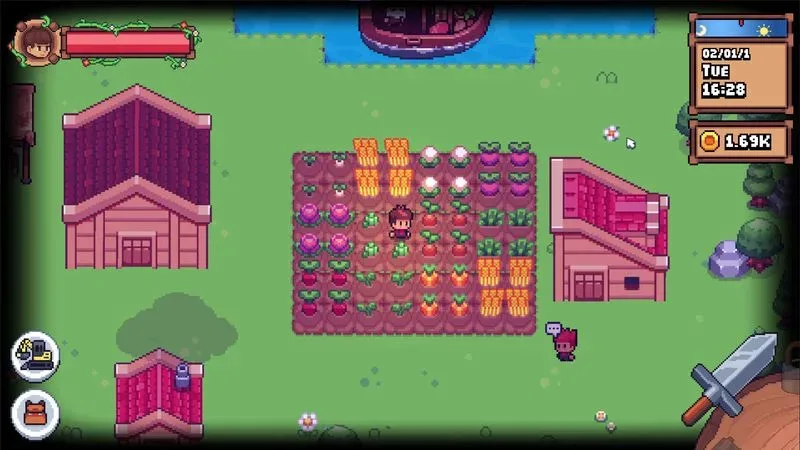
Outcity, the cozy farming sandbox from Brazilian developer Titan Games and publisher indie.io, is scheduled to launch on Steam on December 10, 2026. Its central idea is a familiar one for life-simulation and farming fans--turn a neglected patch of countryside into a thriving home--but its approach to settlement management gives the player an expanding group of villagers who can eventually take on much of the daily work.
That means the farm is not intended to remain a one-person operation. Players can equip villagers with tools, assign them practical roles, and build a settlement whose residents help plant crops, gather harvests, and perform other essential chores. When night falls, those same villagers can become the first line of defense against skeletons that raid the property. The result is a game that blends hands-on farming with accessible automation and a deliberately gentle form of combat.
Outcity is also set to receive a free demo before launch, giving prospective players an opportunity to try its core loop ahead of the December release. Steam wishlisting is available in advance of that date.
From overgrown land to a working settlement
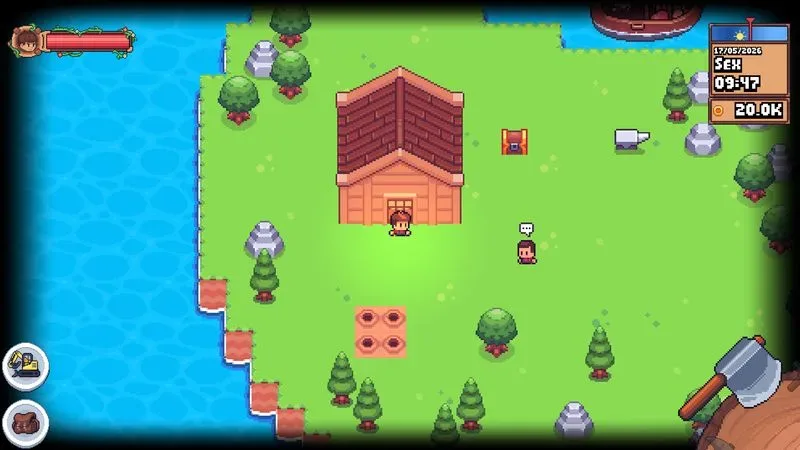
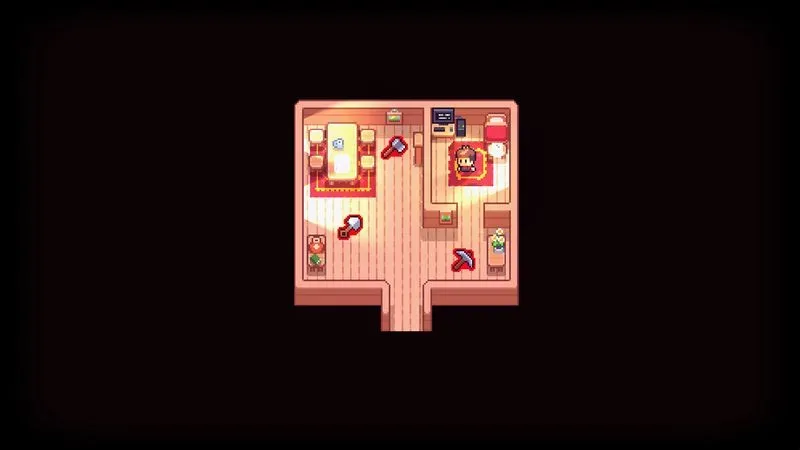
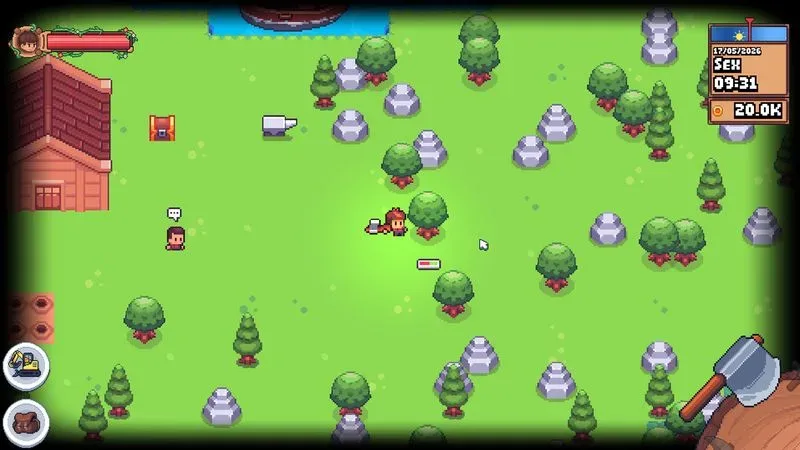
The starting point in Outcity is an overgrown countryside plot that needs to be cleared, organized, and reshaped. Rather than presenting a finished town with predetermined routines, the game places emphasis on building a homestead through incremental decisions. Players will make room for fields, establish the infrastructure needed to keep crops growing, and decorate the space as it develops into a more personal settlement.
For useful background on this topic, read Duck Side of the Moon Lands on PS5 November 17 With Free Homegrown Update.
Irrigation is one of the important practical systems in that process. Farming games often ask players to balance the visual appeal of a homestead with the efficient arrangement of crops and production areas, and Outcity's water management is positioned as part of that planning. How a player lays out the farm can therefore matter beyond aesthetics, especially as the amount of land under cultivation increases.
Decoration is another stated component of the experience. The game is built around a cozy tone, and creating a pleasant-looking home is part of the appeal rather than an afterthought. The broad objective is not merely to maximize output. It is to transform wild land into a lived-in place, with the buildings, work areas, and decorative choices that make it feel like a growing community.
Expansion does not stop at the original farm. Players can move into additional biomes, each bringing its own resources to collect and use. This gives progression a wider purpose: developing the initial property opens the way toward new materials and new places, rather than simply increasing the size of the same crop field. The shift between biomes should also help keep the resource hunt moving as the settlement becomes more established.
For another perspective on this story, read Outcity Sets December 10, 2026 Steam Launch With Farm Automation and Playful Skeleton Raids.
Tools define how villagers contribute
The defining feature of Outcity is its NPC automation system. Villagers can be given tools, and the item they carry determines the job they perform. This tool-based approach makes the workforce readable: assigning equipment is also assigning a role. A villager with a farming tool can contribute to agricultural work, while one prepared for combat can respond when danger reaches the homestead.
During the day, villagers can take over duties such as planting and harvesting. That setup potentially changes the rhythm of the game as a save progresses. Early on, players may spend most of their time personally clearing land, tending crops, and gathering supplies. Later, once workers have been equipped and the farm has enough infrastructure, the player can devote more attention to construction, exploration, layout changes, and the next stage of expansion.
Villagers do not remain static helpers. They gain experience by working, so the settlement's labor force develops over time along with the farm itself. Their effectiveness is also influenced by where they live. Proximity to a villager's home affects efficiency, adding a small but meaningful city-building consideration to residential placement. Housing is not solely a cosmetic decision; keeping workers close to their duties can improve the pace of daily operations.
This makes the settlement layout a balancing act between convenience, appearance, and specialized production. A compact arrangement may reduce travel time for the villagers handling fields or other jobs. At the same time, players who want a more spacious and decorative village can decide how much efficiency they are willing to trade for their preferred style. The game's systems appear designed to support both practical planners and players who enjoy shaping a scenic rural base.
Farming, fishing, caves, and a long upgrade path
Although automation is a major pillar, Outcity's activities extend beyond crop management. Lakes provide fishing opportunities, creating another way to spend time and potentially acquire useful catches. Fishing also fits naturally with the calmer side of the game's rural setting, offering a change of pace from construction and field work.
Procedurally generated caves add an exploratory counterpart to the farm's daily routines. These caves can contain rare discoveries, encouraging players to venture beyond the safety of their cultivated land. Because the cave layouts are procedurally generated, exploration is intended to offer variation rather than a single fixed route through the underground areas.
There are more than 140 upgrades across the game's progression systems. Those upgrades cover farming, fishing, construction, automation, and combat, illustrating how Outcity connects its different activities instead of treating them as isolated side features. A player focused on agricultural output can invest in making the farm more capable. Someone who wants smoother village operations can pursue automation improvements. Builders, fishers, explorers, and defenders each have systems tied to their preferred part of the experience.
The scale of that upgrade list suggests a steady development curve from an untidy starting plot to a more refined settlement with increasingly capable residents. It also gives the player multiple routes for setting priorities. Investing in the basic farm, preparing for nighttime threats, and improving the systems that support workers can all compete for attention as new biomes and resources become available.
Skeleton raids keep the nights active
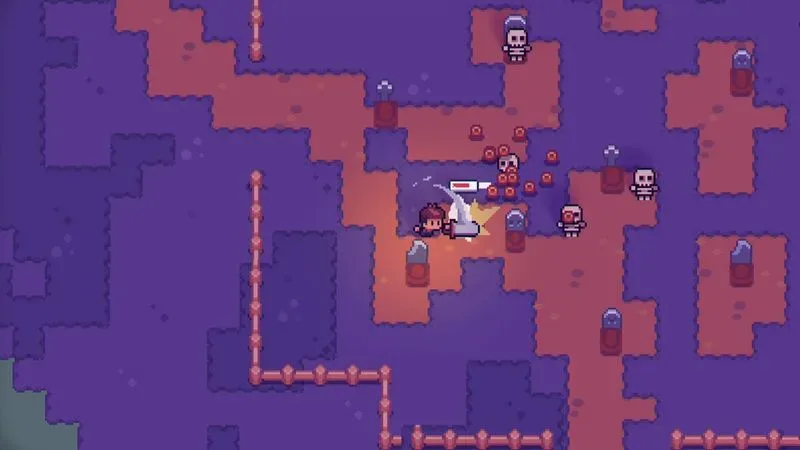
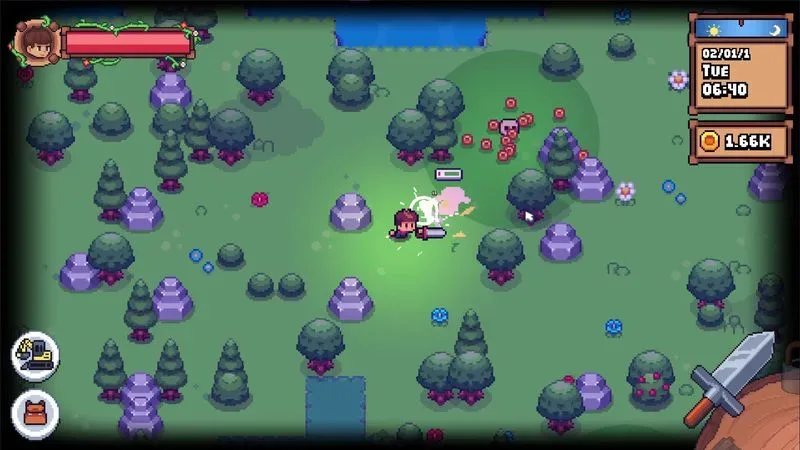
Outcity adds a combat element to its otherwise peaceful farm life through nighttime skeleton raids. After dark, skeletons can attack the homestead, making defense part of the settlement's regular considerations. Importantly, these encounters are described as light and playful rather than punishing. The intention is to keep a sense of activity and occasional risk without turning the game away from its cozy identity.
Combat-ready villagers play a direct role in handling these incursions. Give a resident the appropriate equipment and they can chase away the skeleton attackers, allowing the player to build a workforce that is useful both during the productive hours of the day and during the farm's nighttime defense. This reinforces the game's larger theme: villagers are not background decoration, but active participants whose equipment and placement shape the settlement's capabilities.
The day-and-night contrast may be one of Outcity's most appealing structural ideas. Daytime is for cultivation, gathering, construction, fishing, and expansion. Night introduces a modest defensive responsibility, with automated help available once the village has been prepared. For players who enjoy farming simulations but want a little more variety than a purely peaceful routine, the raids offer an extra reason to think about tools, upgrades, and the makeup of the community.
A cozy sandbox with room to grow
Outcity is aiming for a blend of genres that should be recognizable to fans of farming games, survival-lite crafting adventures, and settlement builders. The player begins by working directly with the land, but growth increasingly comes from organizing a capable village. Crops, irrigation, décor, biomes, caves, fishing, upgrades, and defense are all tied into that goal of making a remote farm feel like a functioning outpost.
Its automation has the potential to be especially important for players who enjoy the early satisfaction of manual chores but eventually want the freedom to pursue broader projects. Rather than eliminating villagers from the gameplay loop, Outcity makes their tools, experience, home placement, and combat readiness part of the player's management decisions.
With a Steam launch planned for December 10, 2026, Titan Games' project is positioning its skeleton raids as a playful wrinkle in a welcoming countryside sandbox. Players interested in building a self-sustaining farm community can wishlist Outcity now and watch for the free demo before the full release.

Community
Discussion
Start the conversation.
No comments have been posted yet.