


Slumber Realm, the dice-focused roguelike from Chugga Games, launches on Steam today, November 4, 2026. Built around quick runs, backpack card drafting, and a distinctly '90s-inspired bedroom-and-nightmare aesthetic, the game enters release with a schedule of free post-launch mini-expansions already confirmed for its first month.
The Steam release goes live at 10am PT / 1pm ET / 6pm GMT / 7pm CET. Slumber Realm is priced at $11.99 / £10.75 / EUR12.25, and it will have a 10% discount for its first 10 days on sale. A demo will remain available on Steam, giving prospective players a chance to test the central dice-and-card loop before committing to the full game.
Rather than treating launch as the end of its immediate content plans, Chugga Games intends to add a new mini-expansion every Wednesday for the next four weeks. These updates will be free and automatically added for everyone who owns the game. The first, a night-themed pack called Midnight Mix, is due on November 11. The remaining three mini-expansions have not yet been detailed and will be revealed one week at a time.
A roguelike built around one six-sided die
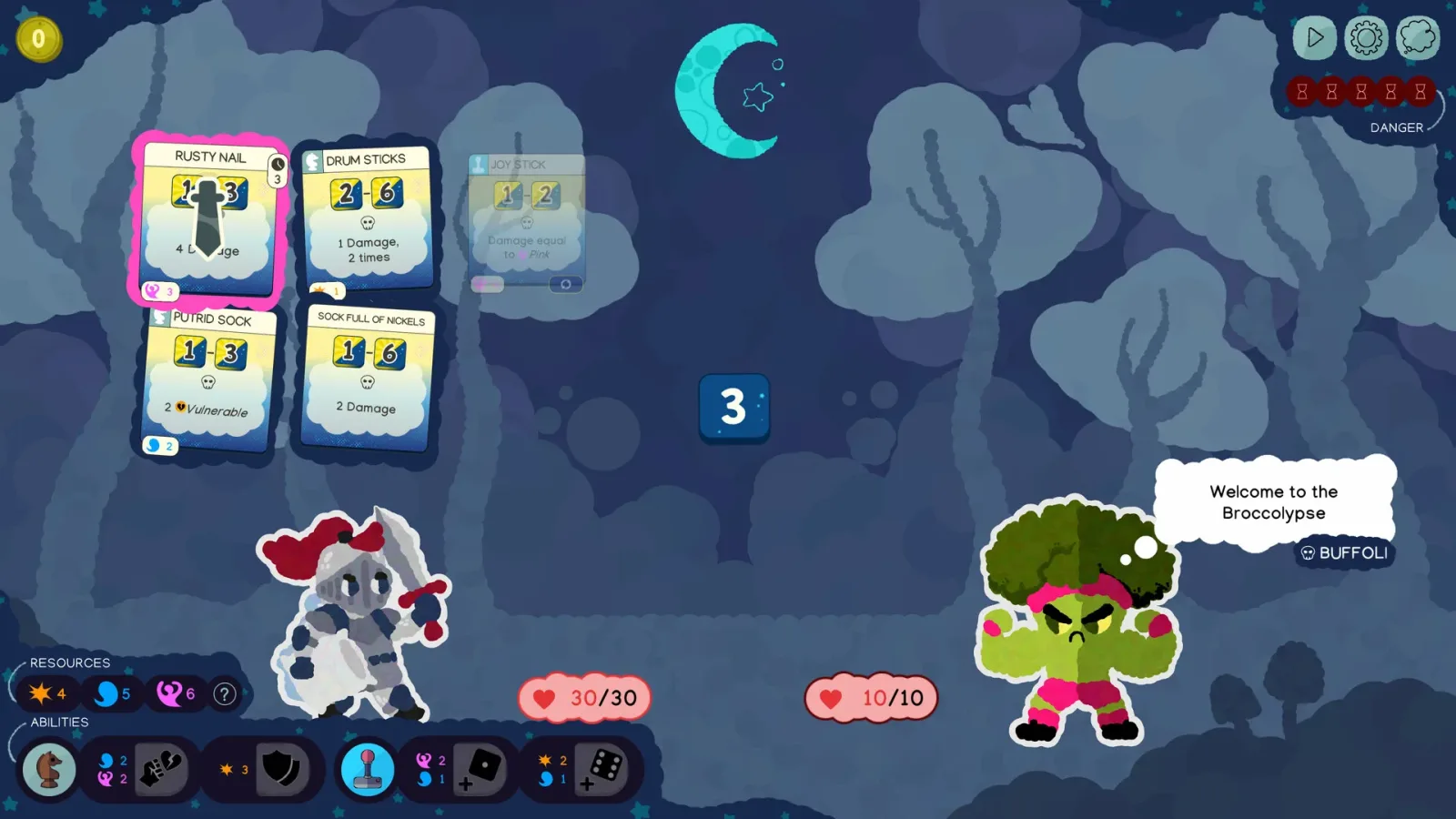
Slumber Realm's central idea is deliberately simple: players roll a d6, then use that result to determine which Cards in their backpack can trigger. But the game's strategy comes from how those Cards are drafted, arranged, upgraded, and chained together over the course of a run.
For useful background on this topic, read Outcity Brings Villager Automation and Cozy Skeleton Defense to Steam in December 2026.
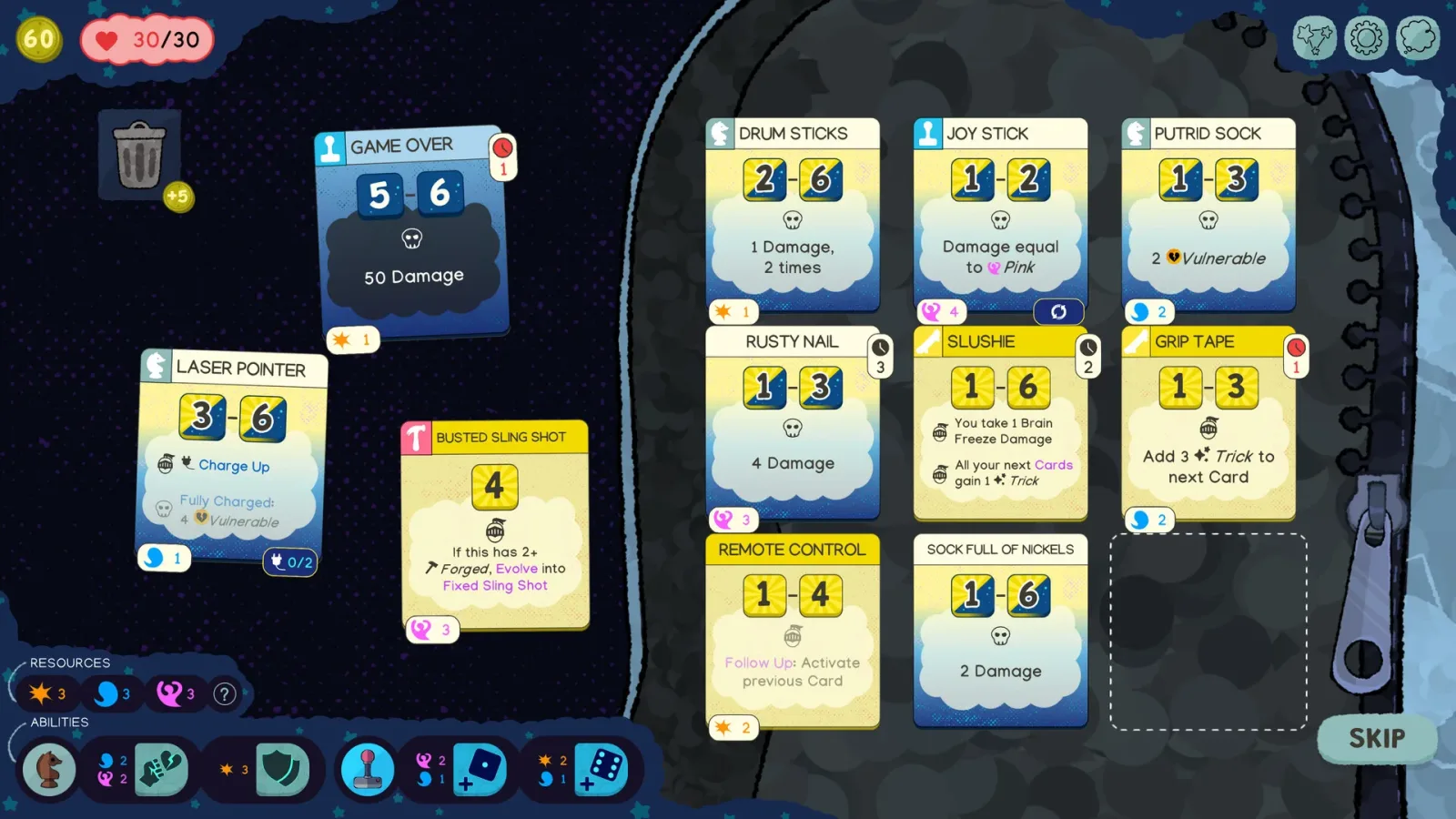
Each Card has a matching die range. When a roll lands within that range, the relevant Cards can activate, and their order matters. That sequencing invites players to build combinations where one effect prepares the next, whether that means setting up an enemy with a status condition, gaining resources, improving future rolls, or repeatedly triggering a specific class-based trick. The goal is not simply to find individually powerful cards; it is to make a backpack that works reliably around the outcomes a single die can produce.
Typical sessions are expected to last around 30 minutes, placing Slumber Realm in the space between a rapid-fire arcade roguelike and a longer deckbuilding strategy game. The concise run length should make it possible to experiment freely with different builds, especially because the game offers numerous Cards, Memories, Snacks, and class combinations to uncover.
The overall presentation leans hard into the kind of nostalgia suggested by its title and setting. The world is shaped by sleep, childhood fears, cluttered rooms, and familiar objects that can become strange or threatening after dark. The result is a game where retro bedroom décor and mundane schoolday anxieties sit alongside mechanical depth centered on dice probabilities and card interactions.
Combining two Aspects for each run
A defining part of Slumber Realm is its Aspect system. Players mix and match two Aspects, effectively the game's classes, during each run. This gives a build two complementary identities and creates room for specialized strategies rather than locking a player into a single predefined archetype.
One highlighted pairing is Tactical + Sk8er. This combination can focus on applying Vulnerability before repeatedly setting off Tricks. In practice, it points toward a sequence-driven approach: establish a weakness, then capitalize on it with a string of follow-up activations. Another example, Gamer + Tinker, emphasizes obtaining extra dice while upgrading Cards. That direction could appeal to players who want to push their build's consistency and scale over the course of a run.
Those examples also explain why the game's use of a d6 is more than a random-number gimmick. Extra dice, card upgrades, trigger ranges, and activation order can all change how much control the player has over an apparently limited pool of results. A six-sided die offers only six faces, but the systems attached to those faces can make a roll valuable in multiple ways. The best builds may be the ones that turn nearly any result into progress, while riskier builds may seek a narrower set of especially explosive outcomes.
- Draft Cards into a backpack-based build.
- Roll a six-sided die to determine available triggers.
- Use Cards whose ranges match the result.
- Arrange activations in sequence to create combos.
- Pair two Aspects to shape a run around different class synergies.
- Experiment across compact runs of roughly 30 minutes.
More than 150 Cards and a growing pool of unlocks
At launch, Slumber Realm includes more than 150 Cards, alongside over 40 Memories and more than 35 Snacks. That gives the game a substantial collection of pieces for players to encounter while they work toward stronger and stranger combinations.
The inclusion of Memories and Snacks suggests that a run is not only about the Cards placed in the backpack. These additional categories broaden the space for build crafting, potentially altering the way players approach dice results, upgrades, survivability, resources, or specific Aspect pairings. The launch feature list does not fully define every individual item's role, but its size indicates that experimentation will be an important part of the experience.
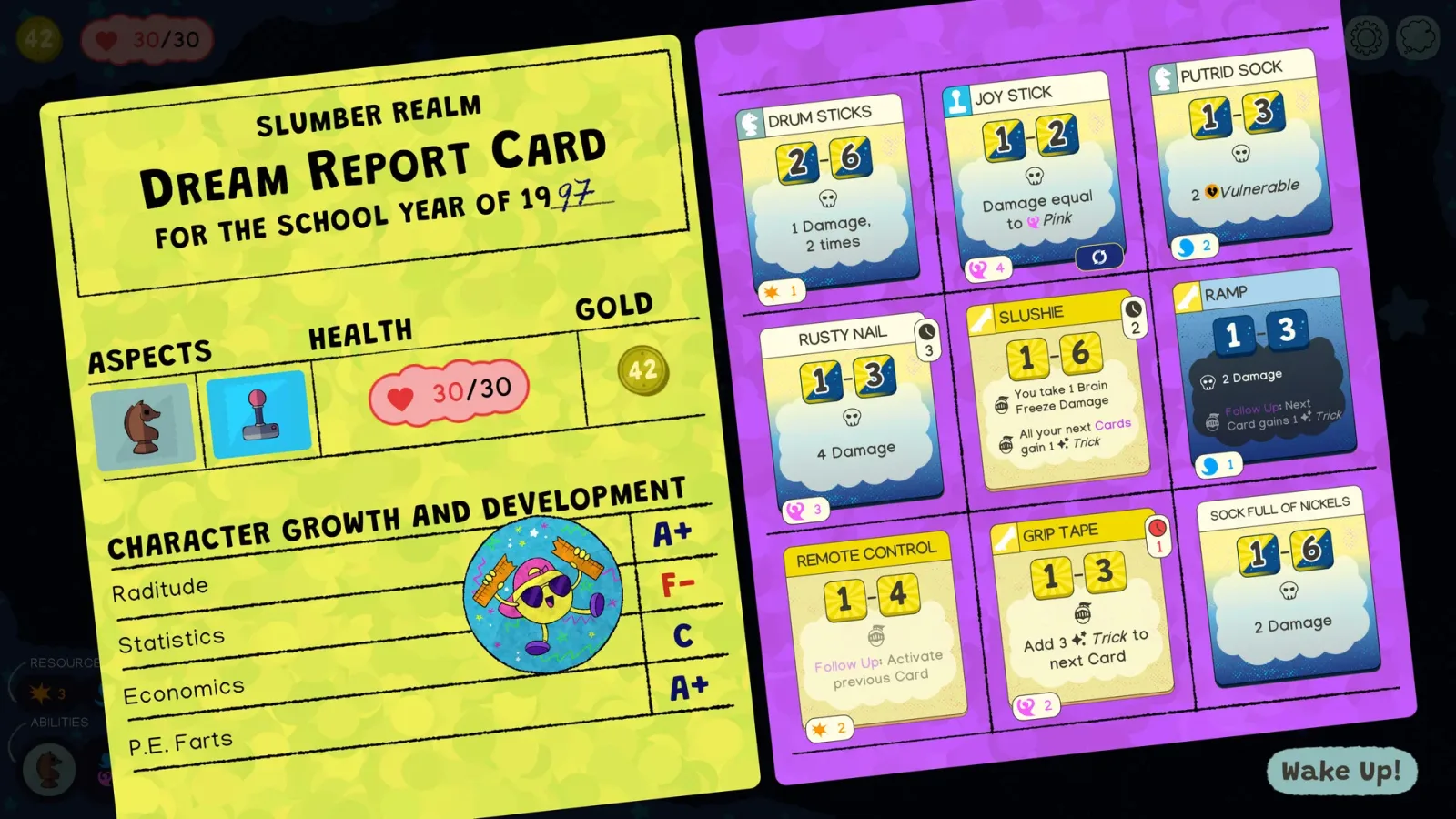
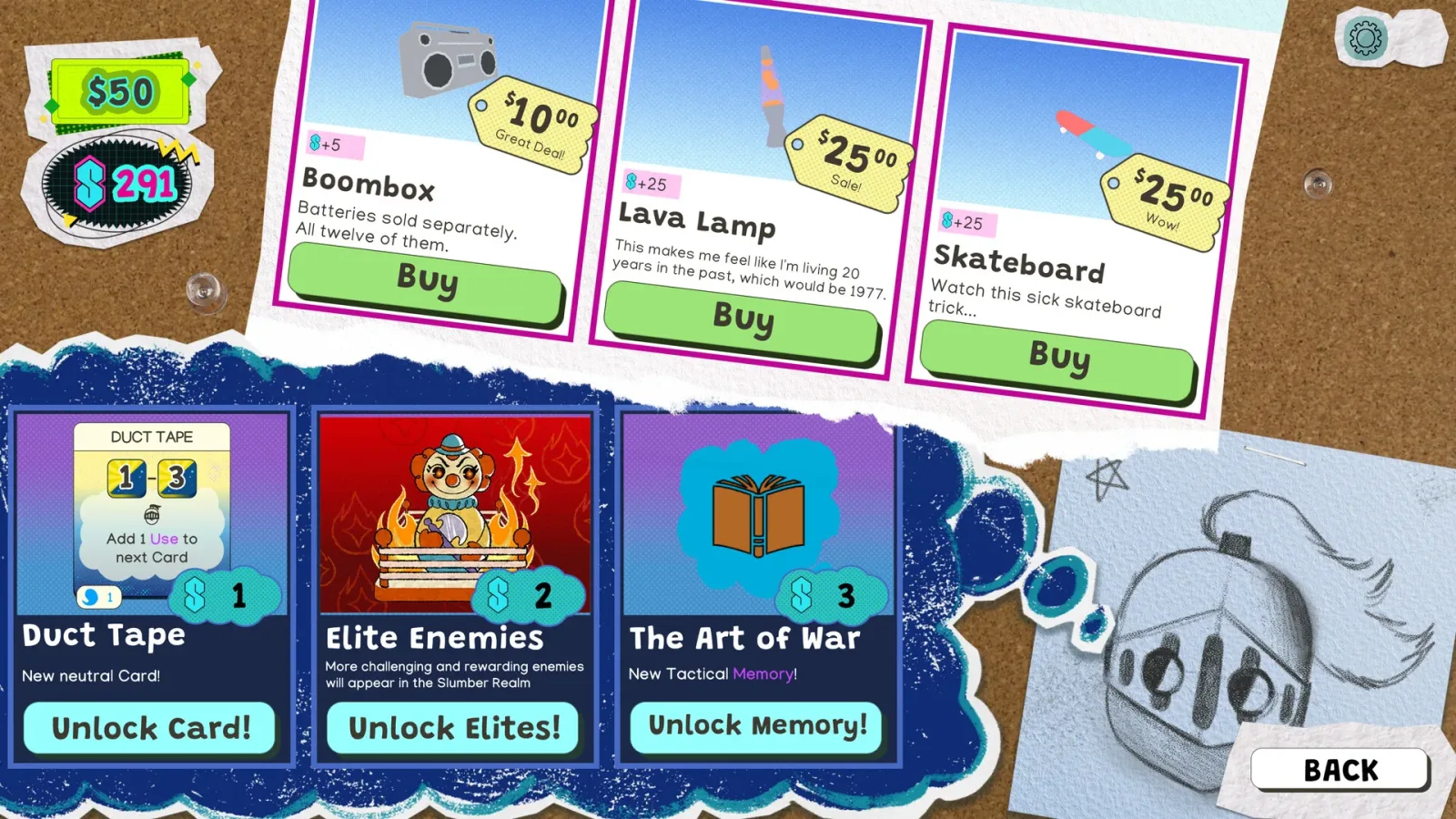
Progress between runs is tied to waking up and earning Cool Points, which feed into the game's Corkboard system. The Corkboard unlocks further Cards, Memories, Snacks, Aspects, and Knightmares. It gives the game a meta-progression structure without changing the immediate appeal of individual runs: even a failed attempt can contribute toward opening up future options.
For players who enjoy discovering unusual enemies as much as optimizing a loadout, the Knightmares are likely to be one of the game's more memorable elements. These nightmare-themed threats draw on everyday irritations and anxieties rather than conventional fantasy monsters. Examples include the Lunch Lady, Geology Homework, and the Alarm Clock. The names fit the game's mix of playful childhood nostalgia and the sense that anything can become ominous in a dream.
Allowance, decorations, and a retro bedroom vibe
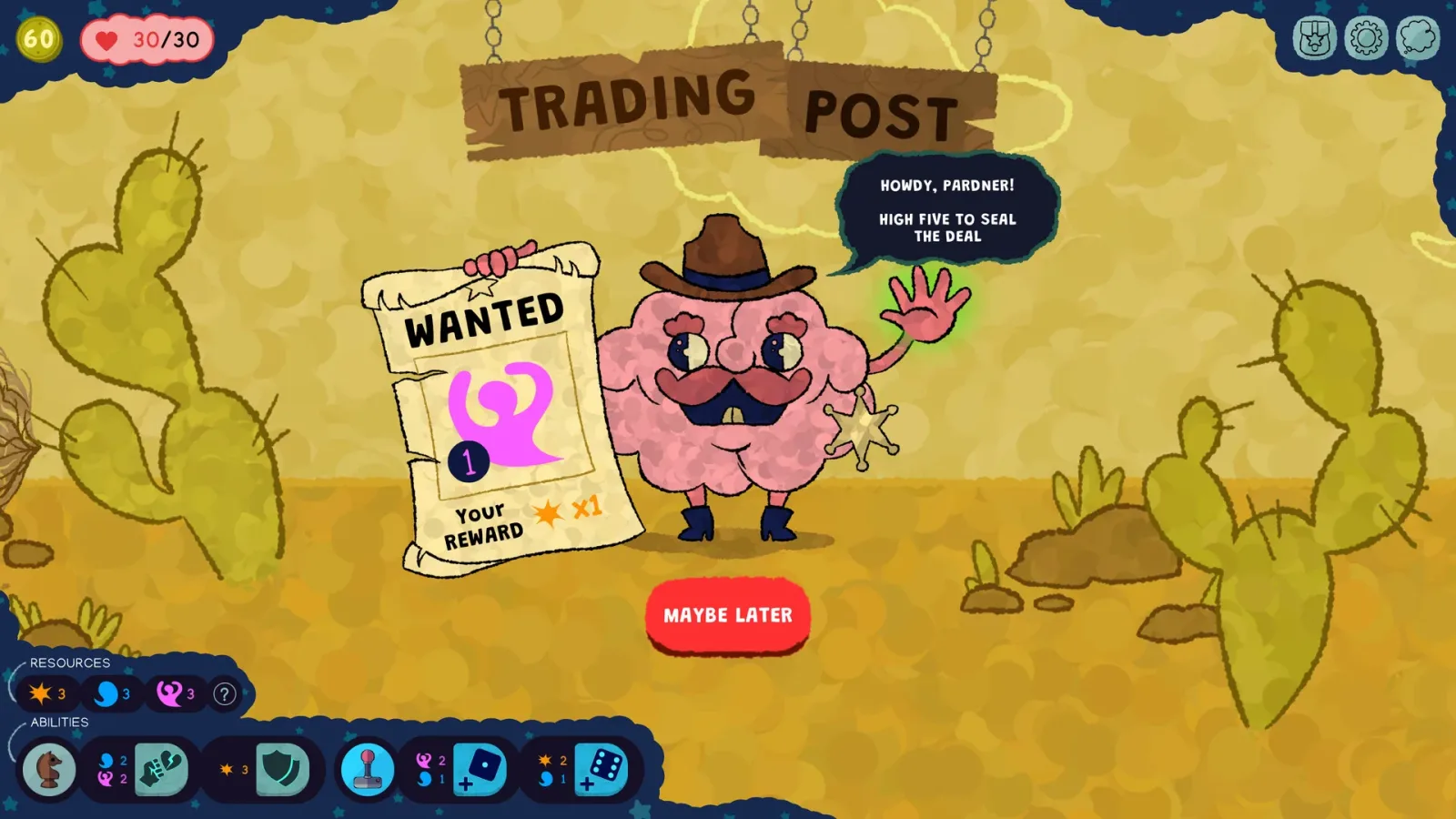
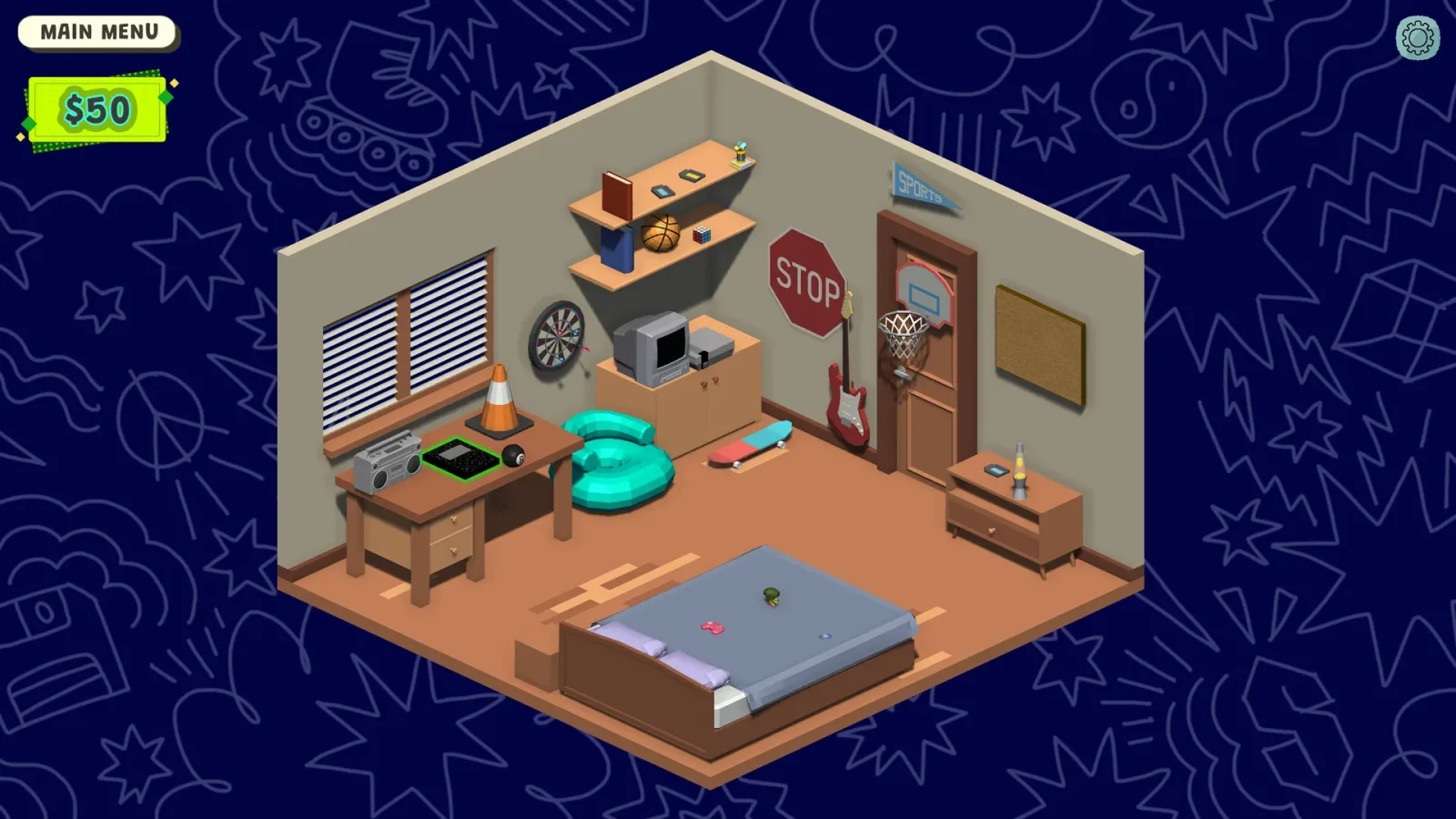
Slumber Realm also has a nostalgia shop where players spend Allowance on retro decorations. These include items such as retro video games, lava lamps, boomboxes, inflatable chairs, and skateboards. This decorative side gives the game another way to express its '90s identity beyond visuals during combat or card selection.
The shop's items evoke a very particular style of childhood space: a bedroom full of colorful plastic, glowing lights, music, games, and objects that signal personality. In a game about navigating sleep and fighting Knightmares, that space can function as a comforting counterpart to the strange threats found during runs. It also reinforces the contrast at the heart of Slumber Realm's premise, where cozy nostalgia and night-time unease are inseparable.
Decorations are not the same as the Corkboard's gameplay unlocks, but both systems support the idea of returning to a personal hub after each attempt. One is focused on cosmetic expression through a collection of familiar era-specific objects, while the other provides new mechanical choices. Together, they give longer-term players reasons to keep moving forward beyond the outcome of a single 30-minute run.
Midnight Mix starts the weekly update plan
The first month after launch will be especially important for players looking for a steady drip of fresh material. Beginning on Wednesday, November 11, Midnight Mix will be automatically delivered to Slumber Realm owners at no additional cost. Its night theme is fitting for a game that already lives in the space between bedtime imagination and nightmare logic.
Three additional free mini-expansions will follow on subsequent Wednesdays. Their exact themes and contents remain unannounced for now, with each planned to be revealed week by week. Chugga Games has not outlined whether those packs will primarily add Cards, Knightmares, Memories, Snacks, Aspects, or other content, so players will need to wait for each weekly reveal for the specifics.
Automatic delivery matters here because it removes any need to manually claim a pack or navigate separate paid add-ons. Anyone who owns the Steam version should simply receive the mini-expansions as they arrive. For a roguelike driven by variety, even smaller additions can have a noticeable impact if they introduce new cards or unlock paths that change how builds come together.
From demos and showcases to a full Steam release
Slumber Realm arrives after earlier appearances at GDC 2026 and Tiny Teams 2025. It was also identified as a dice game to watch in 2026, with particular praise directed at its demo. With the full release now available, players can see how its dice-based foundation, unlock structure, and retro presentation hold up across the broader set of content.
The demo remaining on Steam is useful for a game with such a specific mechanical hook. Dice roguelikes can feel very different depending on how much agency players have after a roll, how readable the card ranges are, and whether the game's sequencing systems create satisfying decisions. Trying the opening portion firsthand should give players a clearer sense of whether Slumber Realm's balance of chance, drafting, and combo construction suits them.
For those ready to jump in immediately, Slumber Realm is available on Steam from November 4 at $11.99, £10.75, or EUR12.25, with 10% off during its first 10 days. For those who prefer to wait, the demo and the upcoming weekly mini-expansions provide reasons to keep an eye on how this dreamlike dice roguelike develops through November.
Community
Discussion
Start the conversation.
No comments have been posted yet.