

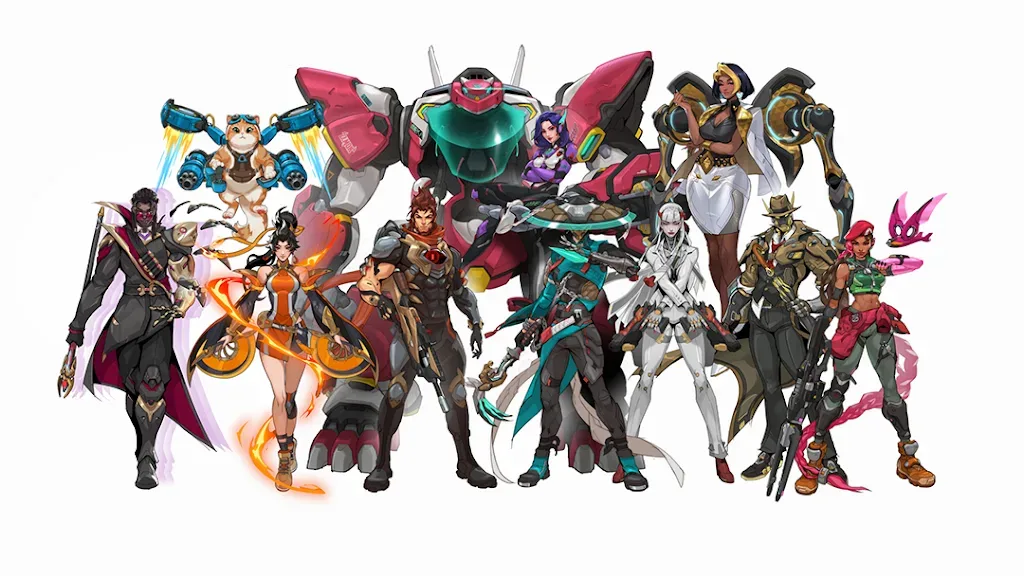
Overwatch's 2026 revival was about much more than balance adjustments, interface changes, and a large wave of new heroes. It also marked a renewed attempt to make the shooter's universe feel like it was actually progressing. After years in which Overwatch lore often moved in isolated bursts--and after the planned cooperative campaign for Overwatch 2 was canceled--the development team committed to telling a sustained story across the entire year.
That story has centered on Vendetta's control of Talon, the organization long associated with many of Overwatch's most dangerous enemies. The newly released animated cinematic In the Wolf's Mouth brings that chapter to a close, with Doomfist reclaiming his position at the head of Talon. The conclusion is already prompting discussion among players about how dramatically the world has changed. But one of the most meaningful outcomes may be simpler: Overwatch has now completed a longer-form narrative arc instead of merely hinting at one.
Game director Aaron Keller and associate game director Alec Dawson have discussed what the team learned from that first year, and their comments point to a 2027 strategy built around continuity, accessibility, and better communication. The next arc is not being framed as a clean reset. Instead, it will follow developments that players have already seen across Overwatch's history.
A story players can actually find
The immediate challenge is visibility. Overwatch's new lore has been spread across animated cinematics, motion comics, audio dramas, short written pieces, digital comics, social channels, and an in-game Story menu. That variety lets the team explore characters in several ways, but it can also make the overall plot difficult to follow for someone who is not actively tracking every new release.
For useful background on this topic, read Neil Druckmann Reportedly Reworked Uncharted 4's Story Within Weeks of Taking Creative Lead.
Keller acknowledged that even a major cinematic can be easy to overlook. In the Wolf's Mouth, which serves as the 2026 finale and depicts the conflict involving Vendetta, Doomfist, and Overwatch, is a significant release. Yet the team recognizes that an important story moment does not automatically become a shared community event just because it exists on a video platform or in a menu.
That is an important realization for a live-service shooter. Most players open Overwatch to play matches, check a seasonal reward track, test a hero, or queue with friends. They may not be looking for a comic or audio drama, particularly if they do not know how it connects to current events. A lore system that requires fans to do extensive homework risks making its biggest developments feel invisible to much of the active audience.
For future releases, the team is considering ways to bring players up to speed before a new chapter begins. That could mean concise context at the start of a cinematic, along with dedicated recap videos. The aim is not necessarily to force every player through a lengthy history lesson, but to make the path into the narrative clearer. A sentence or two explaining where a character is coming from could be enough to turn an otherwise confusing reveal into a meaningful continuation.
The difference between essential plot and character texture
Overwatch's 2026 storytelling approach divided material into several tiers. Major cinematics carried the largest plot developments, while motion comics were intended as another key way for players to understand the core narrative. The team also created smaller, character-focused material internally described as "micro stories." These were designed to reveal personality, perspective, and background for the game's new heroes.
That structure makes sense on paper. Big animation can sell a climactic confrontation, while short-form pieces can make a new hero feel more human--or more distinctly robotic, extraterrestrial, or omnically individual--without requiring every detail to become a huge event. The complication is that fans do not always experience those layers in the same order, or on the same platforms.
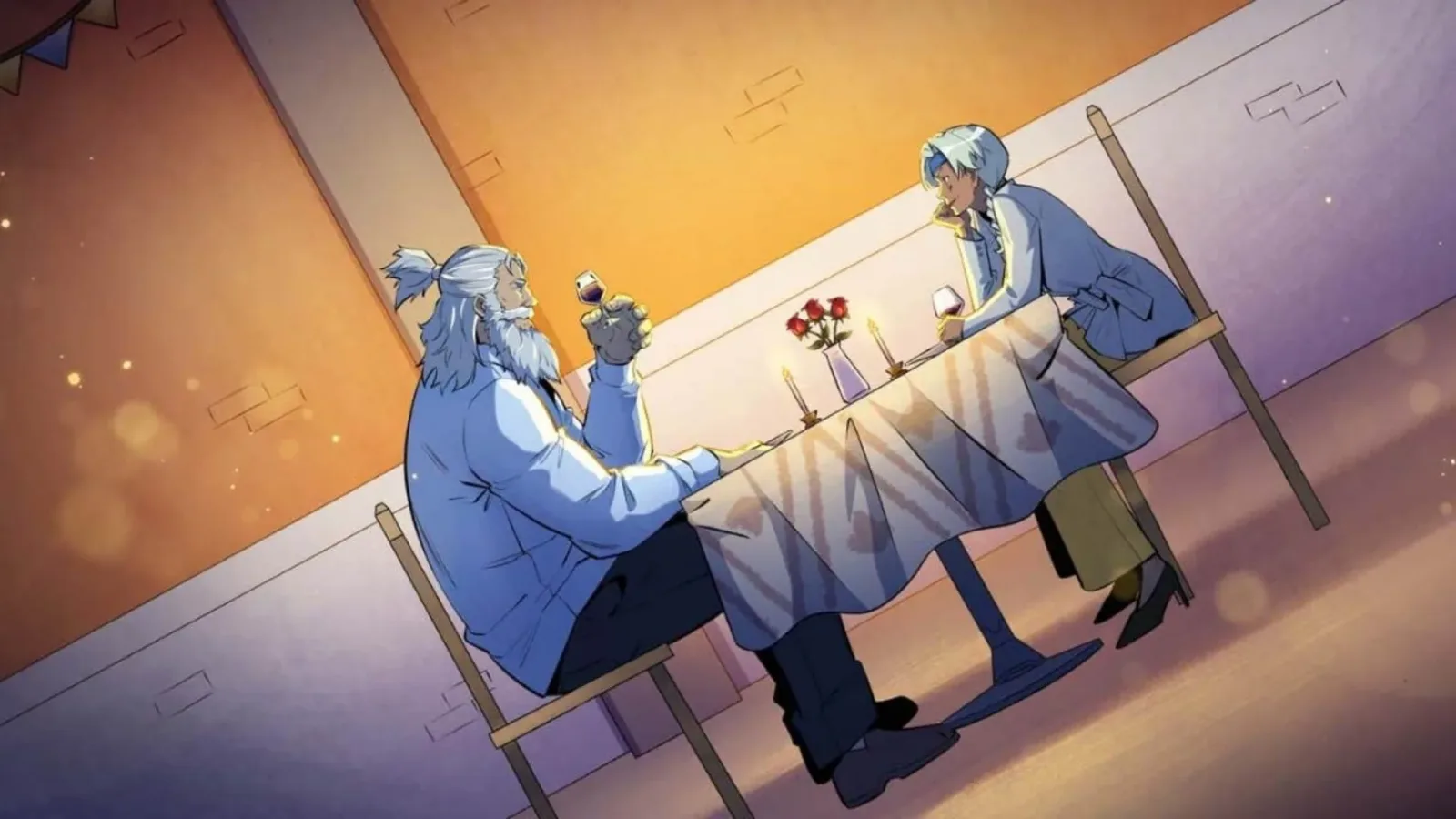
Overwatch: Undivided is central to that conversation. The Webtoons comic has provided connective tissue between the biggest beats, with particular attention given to newer heroes including Juno, Wuyang, and Anran. It has also supplied moments that would be difficult to fit into a high-stakes action cinematic. Readers can see heroes interacting during quieter stretches of their lives, rather than only when the world is about to end.
Those quieter scenes have still produced notable developments. Reinhardt and Ana enter a romantic relationship, while Genji leaves Overwatch. The comic also touches on larger events, including the attack on Overwatch's Gibraltar headquarters early in the year. Its principal purpose, however, is to fill spaces around the main plot and allow the cast to breathe.
Keller described the comic as a way to show Overwatch from a different angle. That is valuable, especially for a franchise with a huge roster whose relationships have historically been suggested more often than explored. Still, the separation between an in-game Story menu and a comic housed in a separate app illustrates why better onboarding is becoming a priority. Supplemental fiction works best when players can easily tell what is optional flavor, what is key context, and where to go if they want either.
2027 will build on the past rather than erase it
Dawson's comments make the broader ambition clear: each year's story should alter the state of the world enough to create room for the next one. Rather than presenting a self-contained seasonal tale and then returning everyone to a familiar starting position, Overwatch wants its arcs to leave consequences.
That does not only apply to villains changing hands or headquarters coming under attack. It also applies to players' relationships with individual heroes and with Overwatch as an organization. If a character leaves the team, begins a new relationship, suffers a defeat, or changes their beliefs, those events should have the potential to matter after the immediate storyline is over.
That connective approach is especially relevant as the next major arc approaches. Keller said the opening cinematic for the coming story may be among the strongest cinematics the team has made since Overwatch launched. Before that arc fully starts, remaining lore releases in the current season are expected to lead into the introduction of the hero fans have informally called the "Omnic Detective." The character's announcement cinematic is being positioned as a prologue.
The Omnic Detective has fueled speculation because of the possibility that the hero could bring Null Sector back into focus. Null Sector was a major part of Overwatch's broader conflict, but its intended campaign storyline was left unresolved following the cancellation of the planned cooperative mode. Keller and Dawson did not identify specific older material that players must revisit, but Keller confirmed that the 2027 narrative directly connects to things people have previously seen in Overwatch.
For players eager to prepare, older cinematics remain a sensible place to start. Keller specifically praised Dragons, the animated short focused on Hanzo and Genji, as an example of the franchise's storytelling at its best. The incoming recap material should help newcomers and returning players, but Overwatch's past shorts are also a reminder that the series has always had a compelling world. Its issue has rarely been a lack of interesting characters; it has been the difficulty of advancing their stories consistently.
PvE is not completely ruled out, but expectations should stay grounded
The most difficult question remains whether this storytelling push can ever return meaningfully to gameplay. Overwatch has added lore details to maps and expanded hero interactions so characters can discuss ongoing events before matches. Those touches help the world feel less static, but they are not replacements for a playable campaign.
Keller said earlier PvE events brought in substantial numbers of players but tended to experience a rapid decline in engagement. That creates a difficult resource calculation. Cinematics, comics, and audio productions are comparatively efficient ways to deliver narrative, while the competitive shooter remains the part of Overwatch that receives the strongest sustained participation.
As a result, the team's core focus remains the competitive game. Keller did not completely dismiss the possibility of smaller PvE-style experiences, suggesting there may be room to try them without pulling attention away from Overwatch's main strengths. But he also drew a practical line around the scale of the dream many players still have: a large, comprehensive, story-driven Overwatch PvE experience would likely need to be a new game made by a different team.
That is not the triumphant return of campaign content some fans hoped for. It is, however, a candid outline of the reality facing the franchise. For now, Overwatch's story will live primarily in narrative releases outside the standard match loop, with in-game dialogue and environmental details helping to connect it back to play.
The real test in 2027 will be whether Blizzard can make that material feel unified and unmissable. The end of Vendetta's reign and Doomfist's return to Talon provide a completed chapter. The Omnic Detective prologue, the promise of older threads resurfacing, and the focus on stronger recaps now offer the next opportunity. Overwatch does not need every player to become a lore archivist, but it does need them to feel that its world is moving forward--and to know exactly where to watch it happen.
Community
Discussion
Start the conversation.
No comments have been posted yet.