

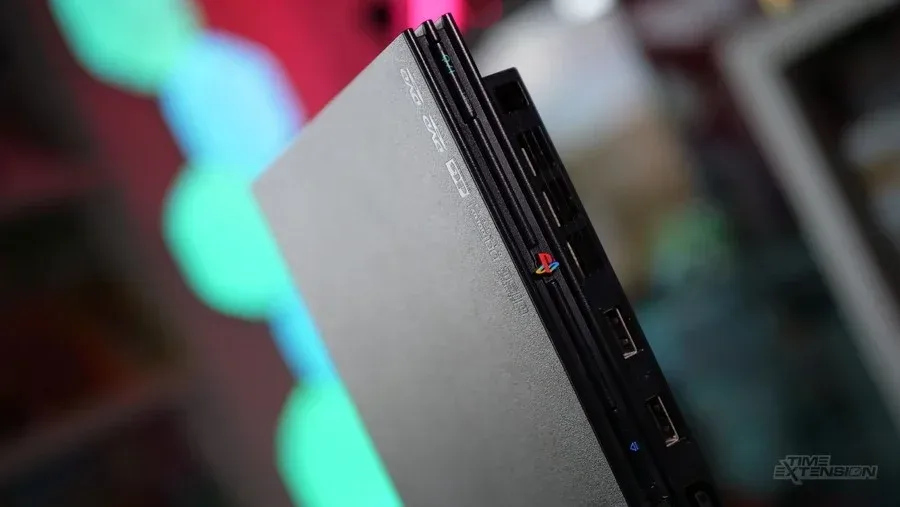
PCSX2, one of the best-known open-source emulators for PlayStation 2 software, has received a substantial new update aimed at improving both the everyday experience of using the program and the demanding technical work required to accurately reproduce PS2 games on modern hardware. The new stable release is available for Windows, macOS, and Linux, with changes ranging from video-capture convenience features and expanded peripheral support to extensive graphics and performance improvements.
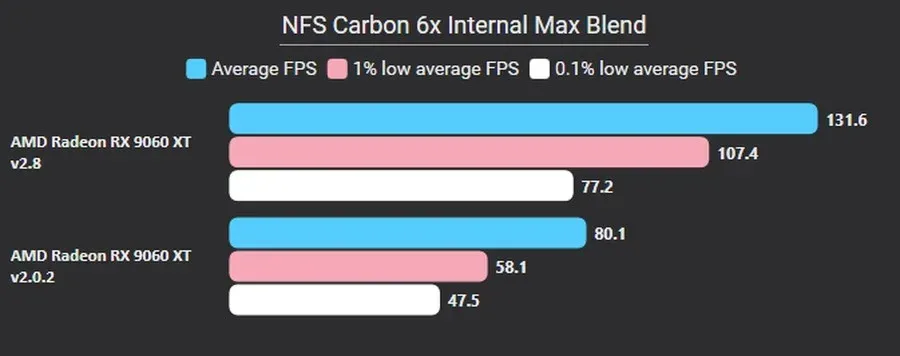
For players, the most immediately noticeable result may be speed. The PCSX2 developers highlighted a particularly striking improvement in EA Black Box's Need for Speed: Carbon, showing that the game performs far better in the newer build than it did under version 2.0.2. Individual results will naturally depend on a user's system configuration and chosen emulator settings, but the comparison illustrates the wider purpose of this release: reducing overhead while also improving the accuracy of complex PS2 rendering behavior.
That combination is especially important for PS2 emulation. The console's original architecture was powerful but unconventional, and games often relied on its hardware in ways that do not neatly map to current PC graphics APIs. An emulator has to do more than simply make a game run. It needs to interpret the original system's behavior closely enough to prevent broken effects, misplaced geometry, graphical artifacts, or performance bottlenecks that can appear when old techniques encounter modern GPUs.
A major focus on graphics accuracy and speed
The biggest technical changes in this update center on the PlayStation 2's Graphics Synthesiser and the way PCSX2 manages render targets, depth information, framebuffer copies, and draw calls. These are not necessarily settings that every player will interact with directly, but they can have a meaningful effect on compatibility and frame rate across a broad range of games.
For useful background on this topic, read The A1200 Gains Official Amiga Branding as Key Figures Meet at Gamescom.
Among the listed improvements are support for depth feedback loops and more accurate AFAIL behavior, along with hardware anti-aliasing support for AA1 lines and triangles. The update also adds Rasterizer Order View support, improves depth-target lookup behavior, and addresses target detection and format issues. These are the kinds of lower-level changes that can solve problems in games whose visuals depend on very specific ordering or depth-buffer operations.
The team also noted work on a new approach to accurately rendering texture depth, developed by PCSX2 contributor TJ. Texture depth is one of many areas where a game can behave in a way that is difficult to emulate through straightforward modern rendering methods. Better handling should help the emulator reproduce intended effects with fewer compromises, although the precise visual impact will vary from game to game.
Several changes are directly intended to reduce unnecessary work during rendering. PCSX2 can now merge adjacent triangle strips within the draw list, an optimization that can lower draw overhead. Framebuffer switching has been optimized, framebuffer copies have received further work, and the emulator has been adjusted so it does not end render passes when using enhanced barriers. There are also refinements to depth copies during texture-cache moves, destination alpha-testing behavior, CRTC merging, and render-target handling.
On compatible Windows systems, PCSX2 now defaults to Direct3D 12 for Nvidia and AMD graphics hardware. Direct3D 11 is being designated as a legacy option. The move reflects the project's effort to make the newer graphics backend the standard path for users with contemporary GPUs, while still retaining an older route for cases where it may remain useful. Enhanced Barriers API support is included as part of this wider graphics modernization work.
The release additionally introduces shader-based anisotropic filtering. Anisotropic filtering can improve the clarity of textures viewed at steep angles, such as roads, floors, and walls receding into the distance. It is a familiar enhancement in PC graphics, but the way an emulator applies such options matters: the goal is to offer a cleaner image without interfering with game-specific techniques or creating unintended visual issues.
Need for Speed: Carbon offers a visible example
Need for Speed: Carbon was used by the developers as an example of the update's potential performance gains. Racing games can be a demanding showcase for emulation because they combine high-speed movement, extensive environments, effects, vehicles, and constantly changing scenery. When an emulator spends less time on inefficient graphics operations, the difference can be especially apparent in games where maintaining consistent performance is important to the overall feel.
It is worth treating any single-game comparison as an illustration rather than a guarantee. Emulation performance depends on CPU and GPU capabilities, operating system differences, internal resolution settings, graphics backend selection, patches, and the unique behavior of each title. Still, the highlighted improvement points to a broader trend in the PCSX2 project: gains increasingly come from targeted fixes and better understanding of the PS2 hardware, rather than only from brute-force demands on faster PCs.
FFmpeg is now included with Windows builds
One of the update's most practical improvements is the inclusion of FFmpeg in the Windows version of PCSX2. FFmpeg is a widely used open-source collection of multimedia libraries and tools, and its inclusion means Windows users no longer need to obtain it separately before using the emulator's built-in video capture feature.
Bundling the required component should make recording gameplay more straightforward, particularly for users who want to preserve footage, create clips, document technical issues, or simply capture long play sessions. The developers have also reduced the included codec selection. Rather than package every codec available through FFmpeg, the Windows build now uses a curated group of commonly useful modern codecs. This is intended to avoid wasting installation space on rarely used options while maintaining practical recording choices.
For a mature emulator with a user base spanning casual retro players, speedrunners, preservation-minded enthusiasts, and technical testers, removing a separate setup step is a meaningful quality-of-life change. Video capture is not something every player uses, but those who do should benefit from a more self-contained installation.
Peripheral support expands across platforms
The update adds EyeToy camera support on macOS, broadening the range of PlayStation 2 accessories that can be accommodated outside of Windows. The EyeToy was a camera peripheral used by a number of PS2 games, and support for it is another step toward reproducing more of the original console's library and hardware ecosystem.
PCSX2 has also added support for Train Mascon, Master Controller, and Olympus storage devices. These additions may serve a more specialized audience than standard gamepad support, but they matter for enthusiasts interested in games and control methods that depended on unusual hardware. Peripheral compatibility can be an important part of preservation, especially when a platform's history includes software designed around cameras, dedicated controllers, or proprietary storage formats rather than only the default DualShock controller.
The expansion does not mean every title or device scenario will behave identically to original hardware in every circumstance. However, continued peripheral work gives users more options and helps PCSX2 move beyond the narrow idea of emulation as merely launching conventional games with a standard controller.
Interface and library-management improvements
PCSX2's FullscreenUI and ImGui-based interface also receive a collection of usability upgrades. Users can customize the on-screen display, giving them more control over the information presented while games are running. The Achievements menu has received visual improvements as well, helping modern features sit more cleanly alongside the emulator's core functionality.
Game library management is another major area of attention. The emulator can now download cover artwork, making collections easier to browse visually. The shortcut creator has gained icon selection and preview options, while the status bar has been revamped. Game-list entries now include additional actions for opening relevant folders, which should reduce the time spent manually locating saves, settings, screenshots, or other associated files.
A new -datapath launch argument is included too. Command-line features like this are particularly useful for advanced setups, portable installations, separate configurations, testing environments, and users who want more direct control over where the emulator stores or reads data.
Together, these changes demonstrate that the release is not only about raw frame-rate results. PCSX2 is being developed as a complete application: one that needs dependable rendering, flexible hardware support, understandable menus, useful collection tools, and fewer obstacles between installation and play.
A continuing effort to improve PS2 preservation
The latest PCSX2 stable release contains far more than a single headline feature. Its technical rendering fixes, graphics-backend changes, capture improvements, device support, and interface revisions all address different parts of the emulation experience. Some players may immediately notice better performance in particular games; others may value the improved library presentation, built-in recording capabilities, or newly supported accessories.
Most importantly, the update reinforces how ongoing emulator development can improve software that has been available for decades. PlayStation 2 games were created around a distinctive console architecture, and accurately reproducing their behavior remains a moving target. Each improvement to depth handling, texture behavior, buffering, timing, and device support can bring individual games closer to their intended presentation.
Users can find the new version in PCSX2's stable-release downloads for Windows, macOS, and Linux. As with any emulator update, players with carefully tuned configurations may want to keep note of their existing settings before changing versions. But for anyone returning to PS2 emulation, this release offers a considerable set of reasons to revisit their library.
Community
Discussion
Start the conversation.
No comments have been posted yet.