

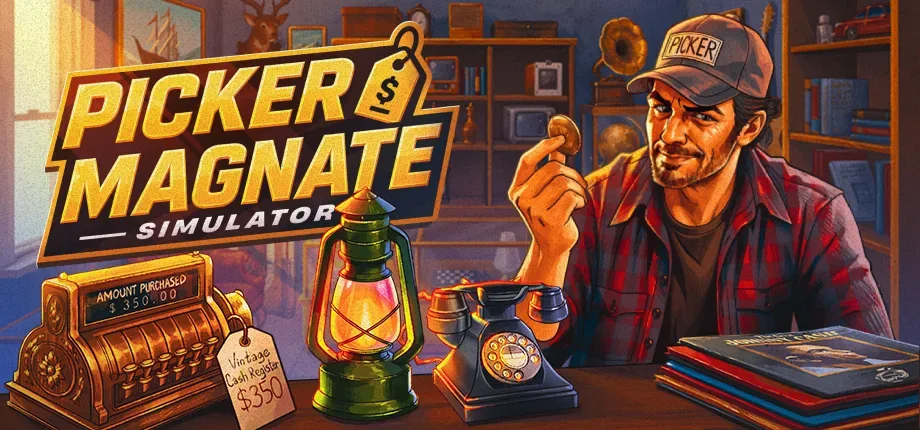
Picker Magnate Simulator, a forthcoming single-player business simulation from solo developer Yuliy Oneshko and S-Grade Games, now has a playable demo on Steam. The game centers on the often-messy, potentially lucrative process of turning discarded, damaged, and overlooked goods into a thriving resale operation.
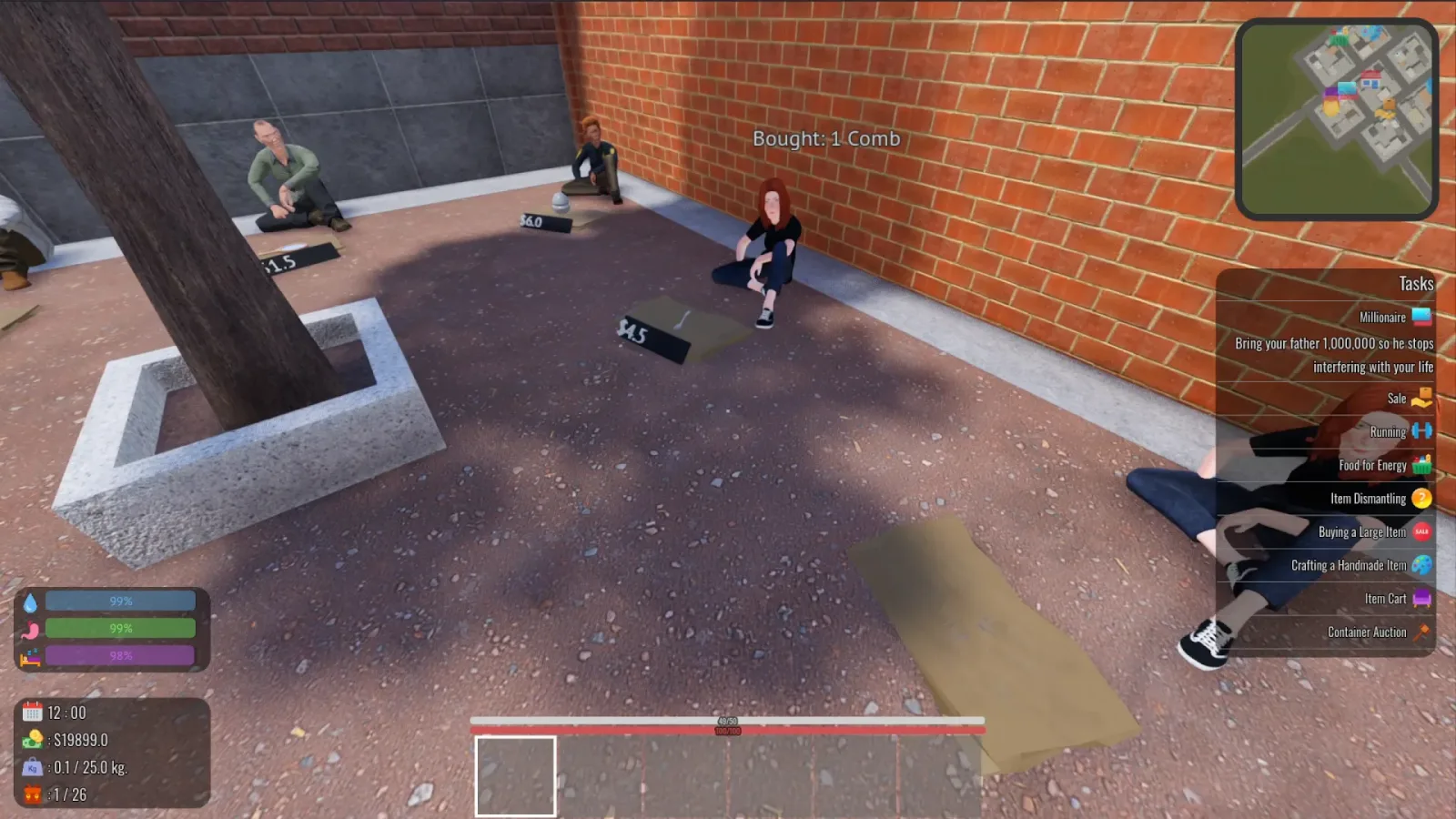
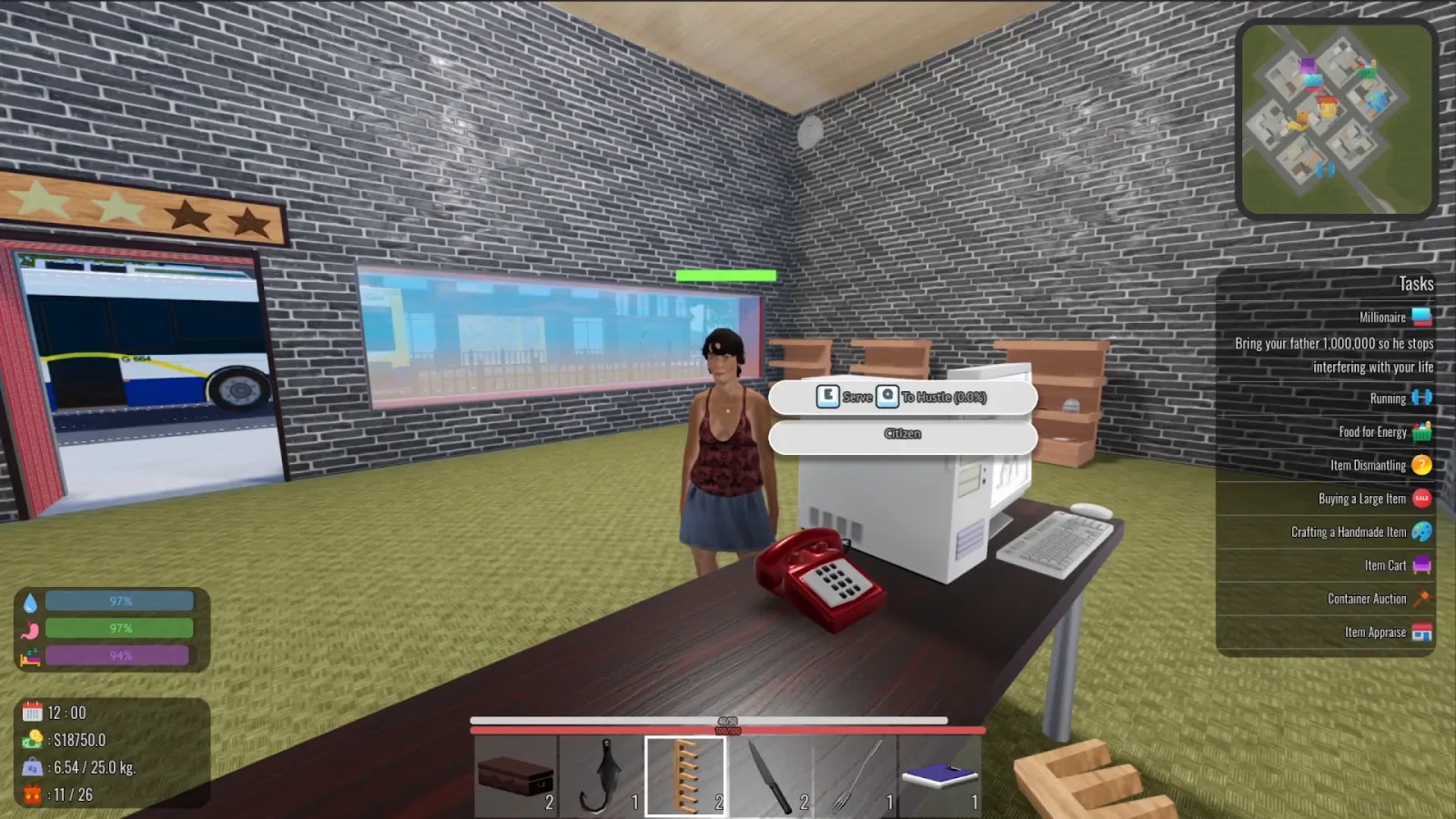
Rather than beginning with a polished storefront and a warehouse full of desirable inventory, players start at a much smaller scale: a market stall. From there, the goal is to buy cheap lots of junk, identify the pieces worth saving, organize stock, restore damaged merchandise, and gradually turn modest margins into a successful thrift-shop business. The complete game is currently planned for PC in Q1 2027, with support listed for Windows and Linux/SteamOS.
The newly available demo gives simulation fans an early opportunity to see how that resale loop works in practice. It is a premise built around the appeal of the unexpected find. A pile of seemingly worthless goods may contain useful materials, a repairable item, or a rare object that can become a profitable centerpiece of the player's shop. Success is not just about purchasing as much inventory as possible; it is about recognizing value, managing labor, and deciding where each piece belongs in a growing business.
From Market Stall to Thrift-Shop Owner
The central progression in Picker Magnate Simulator follows a familiar entrepreneur fantasy, but through a more hands-on retail lens. Players begin by operating a small market stall, where every decision has a more immediate impact. Buying inventory in bulk may offer a low entry cost, but it also creates work. Items need to be examined, separated by their condition and materials, and assessed to determine whether they should be sold, repaired, repurposed, or discarded.
For useful background on this topic, read World of Warcraft: Forever Beta Players Are Stopping to Admire Its New Lighting.
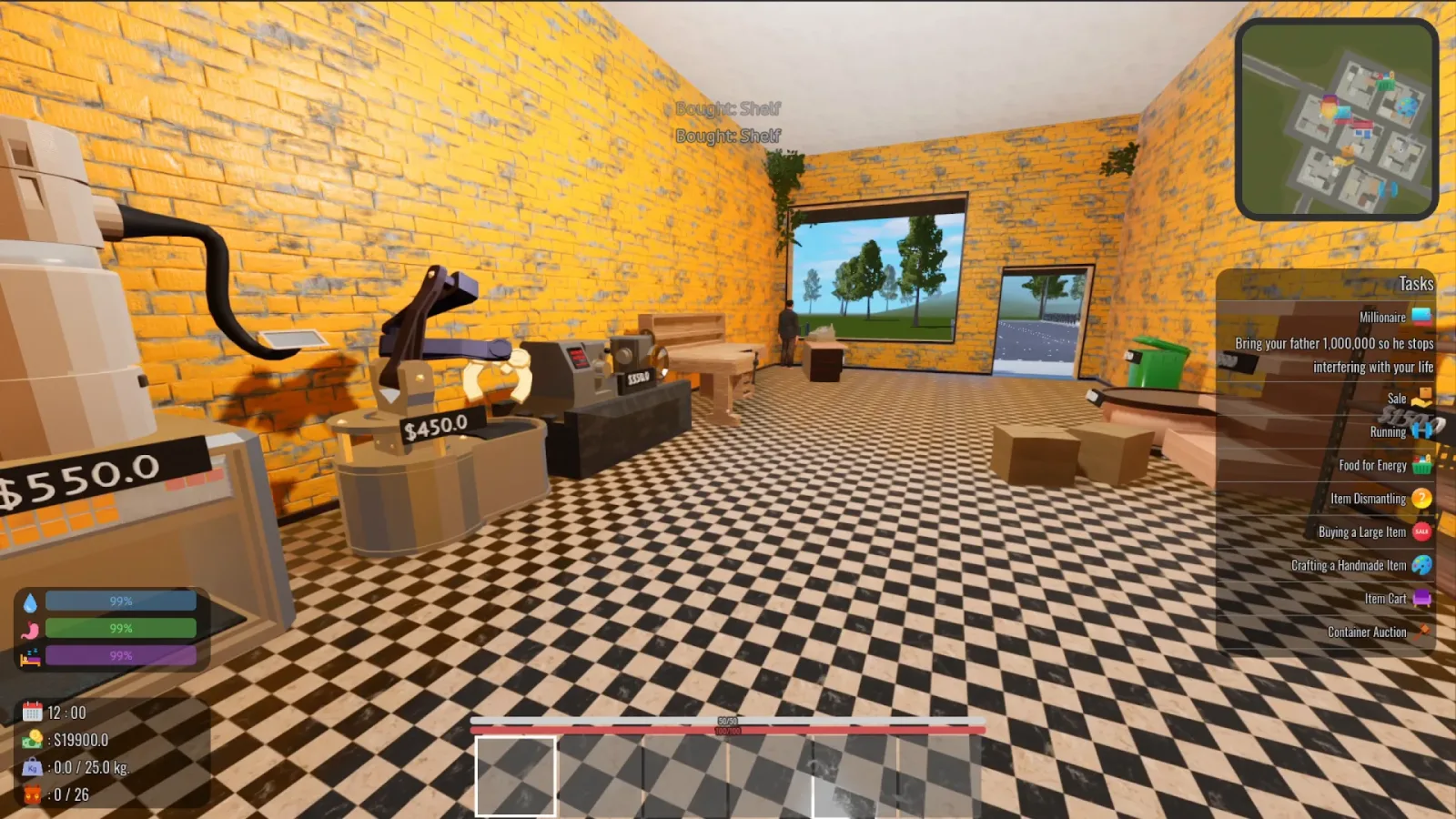
As profits accumulate, that initial stall can develop into a larger operation. Shop management is one of the game's core pillars, allowing players to design a store layout, choose which kinds of products to focus on, bring in workers, and reinvest money into expansion. This means the business is expected to be shaped by player priorities rather than following only one fixed path.
A player may prefer to concentrate on quick turnover, moving lower-value items at a steady pace. Another approach may involve spending more time on high-potential finds, restoring them before putting them up for sale at a better price. The decision to expand space, alter stock selection, or hire help should also add a layer of planning beyond simply buying and selling goods.
Sorting, Repairing, and Finding Value
Item handling is a major part of the experience. Purchases can come from lots of assorted items, while unique pieces can also be found individually. Not every object is ready to go straight onto a shelf. Goods can vary by material and overall condition, making inspection and sorting important steps in the workflow.
For another perspective on this story, read Picker Magnate Simulator Demo Opens a Thrift-Shop Empire on PC.
Damaged gear presents a useful choice: players can repair it themselves or outsource the work. That distinction could make time management an important part of running the store. Handling repairs personally may preserve more of the final sale value, but it takes time that could otherwise be spent sourcing merchandise, arranging the shop, or negotiating purchases. Outsourcing may speed up certain processes, although it is likely to come with its own cost to the business.
The game also includes handmade crafting. Instead of treating all acquired materials and objects as simple resale stock, players can create goods by hand and sell those finished items at a premium. Crafting gives the simulation an extra route for extracting value from the inventory players collect. It also complements the repair system: an item that is not worth restoring in its original form may still contribute to a more valuable crafted product.
That focus on condition, materials, restoration, and conversion distinguishes the concept from a shop game built solely around stocking shelves. Picker Magnate Simulator is interested in what happens before an item reaches the customer. The player is not merely a retailer ordering pristine products from a menu; they are a picker, repairer, organizer, and business owner dealing with the uncertain quality of secondhand goods.
Personal Skills Matter Alongside Store Growth
Picker Magnate Simulator also incorporates RPG-style character progression. Players can improve strength, speed, and bargaining, with each stat connected to practical aspects of the resale trade. Strength helps with carrying more goods, which could reduce the friction of hauling inventory and allow bigger pickups. Speed supports a more efficient workday, while bargaining is designed to improve negotiations and help players secure better prices.
These upgrades tie the character directly to the business rather than making progression an abstract number chase. A stronger character can handle more inventory. A faster one may get through sorting, hauling, or other activities more efficiently. Better bargaining can make the purchasing side of the operation more favorable, giving players a chance to improve margins before an item ever reaches the store.
The result is a loop where both the shop and the owner can advance together. Expansion is not limited to purchasing fixtures or enlarging a storefront. The player character becomes more capable, potentially opening up a smoother and more profitable way to handle the growing volume of stock.
Vehicles Reduce the Heavy Lifting
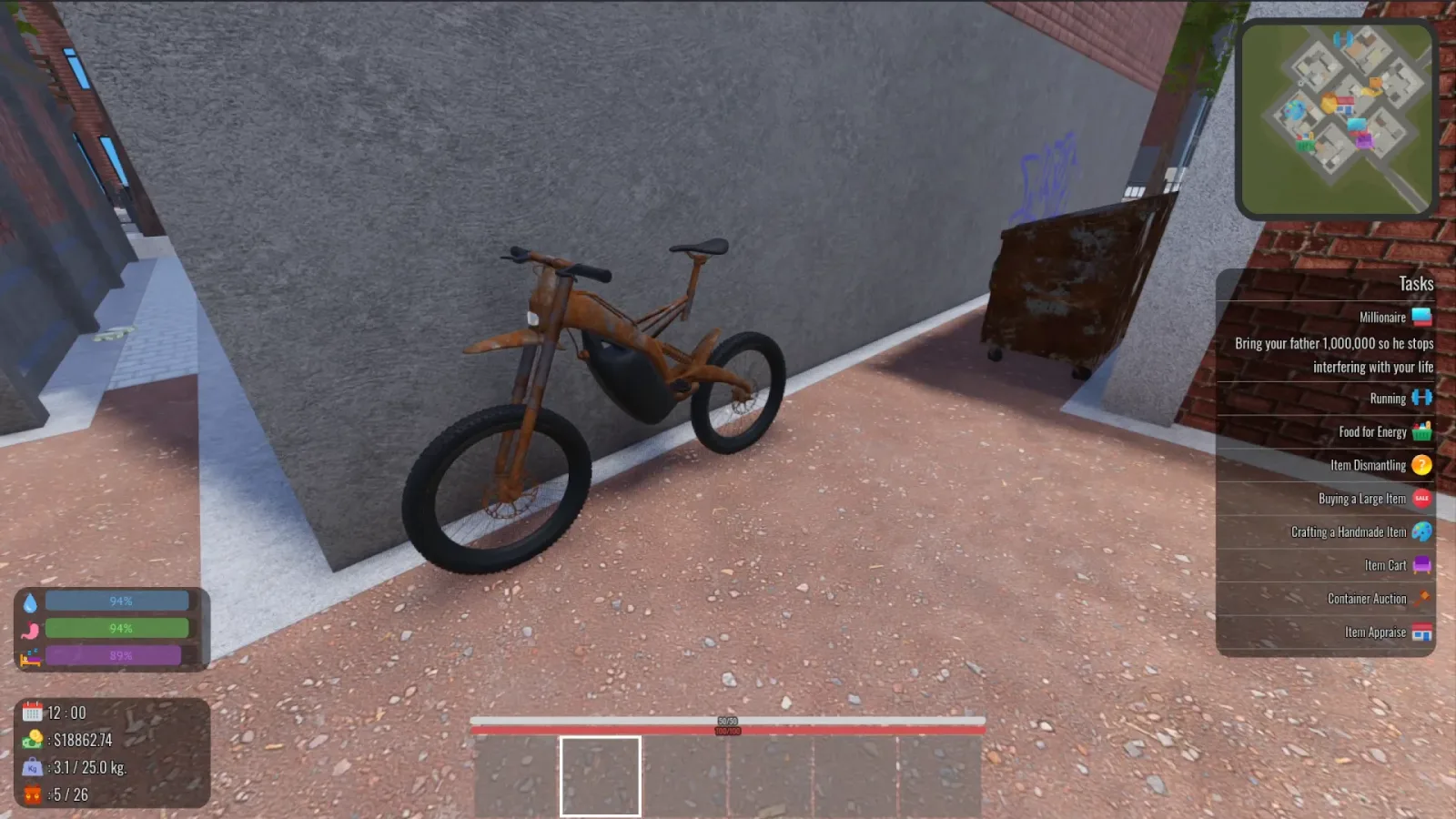
Transport is another upgrade path in the game. Players will be able to purchase vehicles, helping them avoid some of the burden of manually hauling goods. This fits naturally with a business that begins at a small scale but is intended to become increasingly ambitious. What is manageable when dealing with a market stall may become far less practical once a shop is sourcing larger quantities of stock.
Vehicle ownership should therefore serve as more than a cosmetic sign of success. It reflects an operational shift in the business: moving from personally carrying every find to building a more efficient logistics process. Along with workers and store expansion, vehicles underline the goal of transforming a one-person hustle into a larger retail operation.
A New Project From S-Grade Games
Picker Magnate Simulator is being developed by Yuliy Oneshko under the S-Grade Games label. Oneshko previously developed Trailer Park Tycoon: Raccoon Ranch, which has sold more than 8,000 units, and Dog Brew, which has sold more than 31,000 units on Steam.
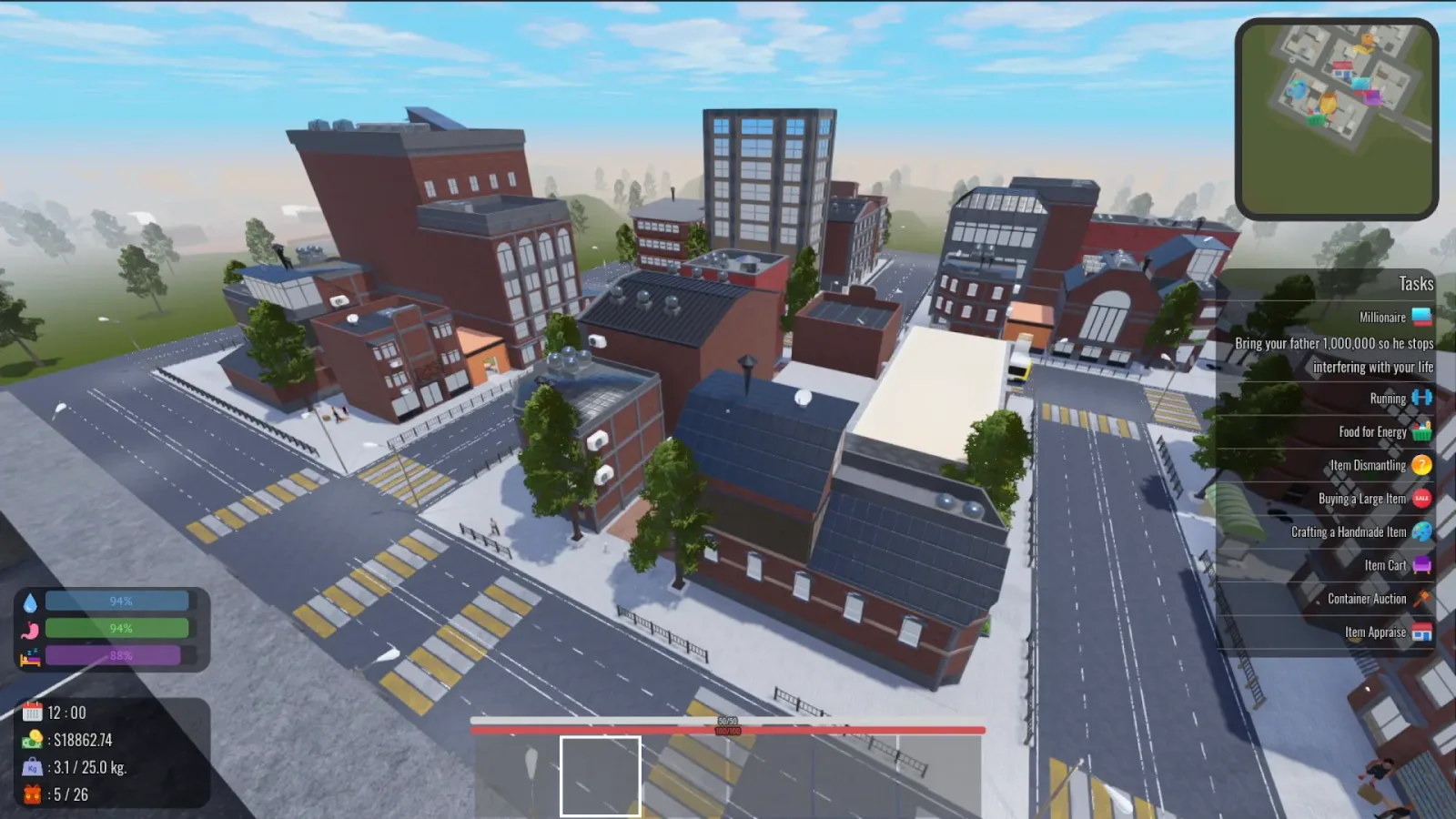
For this new project, the focus moves to the resale economy and the satisfaction of discovering hidden worth in unwanted goods. It combines shop-building decisions with the manual processes that support them, including inspection, sorting, repairing, crafting, bargaining, and transportation. That breadth may appeal to players who enjoy management games with a more personal, ground-level role rather than a purely top-down focus on spreadsheets and menus.
Demo Available Now, Full Game Planned for 2027
The Steam demo provides the first playable look at the systems behind Picker Magnate Simulator's thrift-store premise. Players interested in running a secondhand shop, hunting for overlooked bargains, and building value through repairs and handmade goods can try the early version now.
The full release is scheduled for Q1 2027 on PC, including Windows and Linux/SteamOS. With its combination of shop design, inventory management, character upgrades, repair work, crafting, employee hiring, and vehicle ownership, Picker Magnate Simulator aims to make every battered box of bulk purchases feel like the beginning of a possible business breakthrough.
Community
Discussion
Start the conversation.
No comments have been posted yet.