

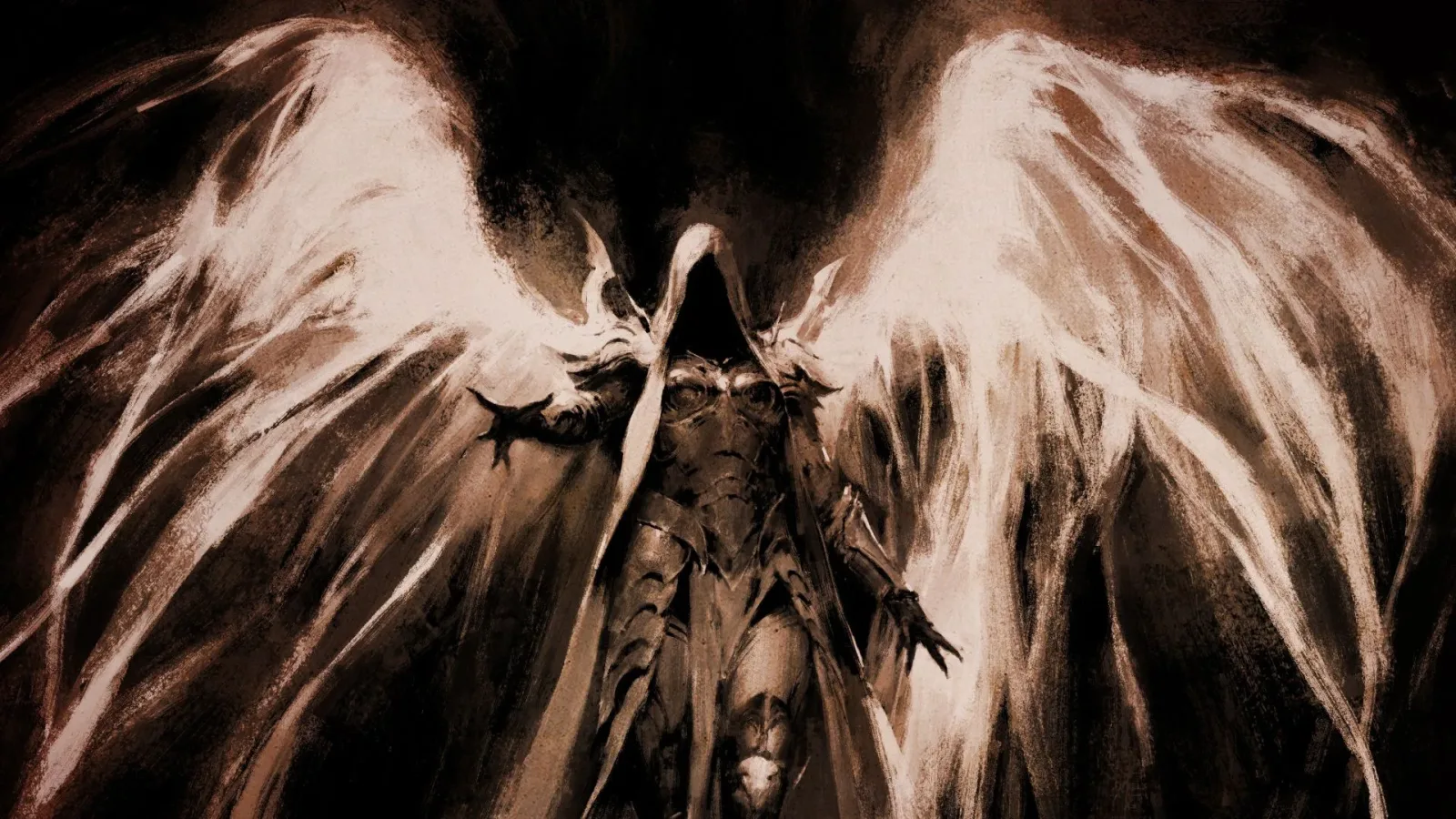
Blizzard's decision to move from Diablo 4 into Diablo 5, rather than continue building the current game through additional expansions, comes down to both ambition and the identity of the series' signature villain. The developer has confirmed that Diablo 4 will not receive more full-scale expansions after its existing pair, but seasonal support will continue while the team prepares Diablo 5 for its planned spring 2029 release window.
At BlizzCon 2026, the Diablo 5 announcement created excitement alongside understandable concern from players who expected Diablo 4 to receive a longer expansion cycle. Diablo 4 already has 2024's Vessel of Hatred and 2026's Lord of Hatred, and the latter will be its final expansion. That does not mean Sanctuary is being abandoned in the immediate future: Blizzard intends to maintain regular seasons, including content in the vein of the nostalgic Season of Hell's Legacy. However, the franchise's next large narrative and mechanical step will be an entirely new game.
Why an expansion was not enough
In an interview with GameSpot, Diablo 5 executive producer Matt Zitterman described the decision as one rooted in an early examination of what players expect when they sit down with a Diablo game. Before deciding whether a concept should become an expansion or a sequel, Blizzard considered the audience itself: who Diablo players are, why they return to the series, and what they want from its action role-playing formula.
That process led the team to weigh feedback on Diablo 4, including what fans embraced and what they found less successful. From there, Blizzard established the broader ambitions for the next game. Zitterman said it became apparent fairly early that Diablo 5 would need "deeply structural changes" to deliver on those goals. In his view, attempting changes at that scale inside an expansion would have been difficult.
For useful background on this topic, read Picker Magnate Simulator Demo Lets Players Build a Resale Empire on Steam.
That distinction matters. Expansions can add regions, classes, questlines, endgame systems, bosses, and major revisions, but they generally remain tied to the foundational design and technical structure of the base game. A sequel gives a development team more room to reconsider the pillars beneath all of that: world flow, progression, multiplayer assumptions, tone, storytelling structure, and how players move through danger and relief across the campaign.
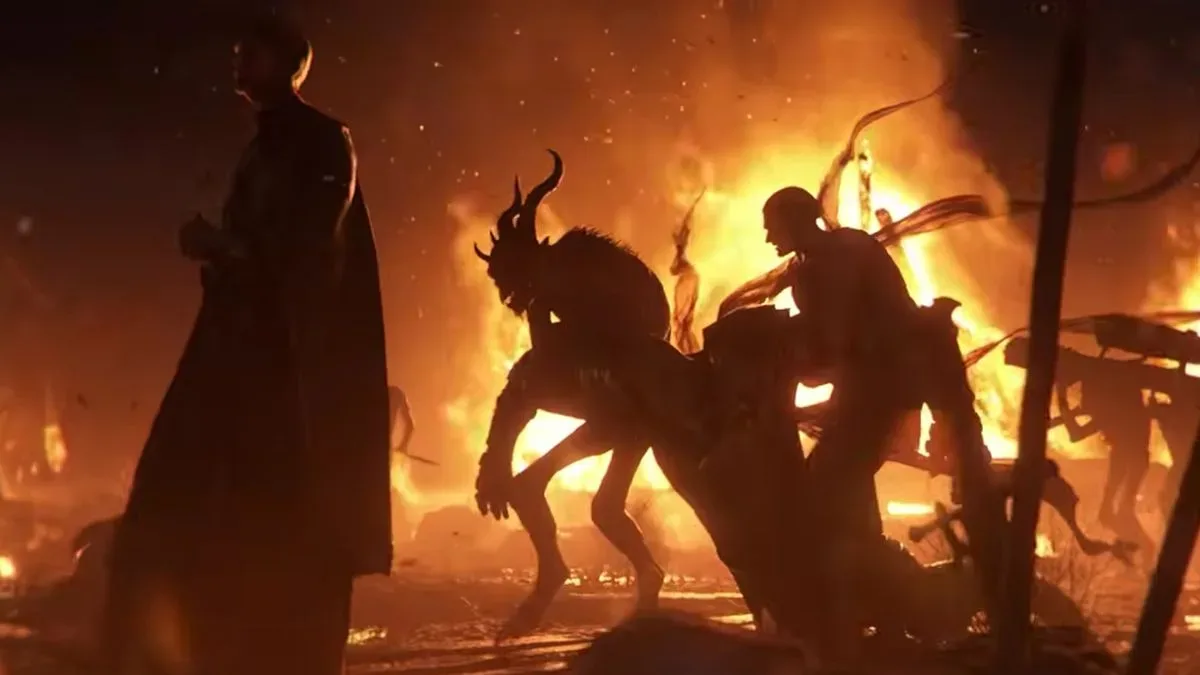
Blizzard has already revealed one especially notable indication of that new direction. Diablo 5 will remove towns and safe zones entirely, a sharp departure from a convention that has defined the series for decades. In previous Diablo games, settlements and protected hubs have provided merchants, quest givers, social spaces, and a needed break from hostile wilderness and dungeons. Their absence suggests that Diablo 5 wants Sanctuary to feel persistently threatened, with fewer places for humanity to regroup.
The change is directly connected to the sequel's premise. Diablo has already won the major war against humanity when Diablo 5 begins. That is a fundamentally different starting point from the usual Diablo setup, where players confront an encroaching evil or work to stop a catastrophe before it consumes the world. If Sanctuary begins in defeat, the lack of safe ground becomes more than a mechanical wrinkle. It can reinforce the story's central feeling that refuge itself has been stripped away.
For another perspective on this story, read Diablo 5 Is Replacing More Diablo 4 Expansions Because Blizzard Says Diablo Needs His Own Game.
Diablo finally takes center stage
There is also a simpler, more character-driven reason Blizzard chose a sequel: the company wants to make a game truly focused on Diablo himself. Zitterman called Diablo the main villain Blizzard wants to tell a "real story" about, with an ambition to match or exceed the narratives built around Lilith and Mephisto.
For a series bearing his name, Diablo has often occupied an unusual position. The Lord of Terror is the franchise's defining icon and the final adversary associated with every major Diablo release, yet individual games have frequently devoted their central dramatic attention elsewhere. Diablo 4, for example, is heavily shaped by Lilith, the Daughter of Hatred. Its follow-up expansions further emphasize Mephisto, the Lord of Hatred. Diablo remains immensely important to the setting, but the story focus has commonly been distributed among Sanctuary's mortal factions, the Horadrim, angelic and demonic powers, and other members of the Burning Hells' ruling Evil.
Diablo 4's latest seasonal questline has brought Diablo into Sanctuary to menace players directly, but that does not change the wider impression of the game as Lilith's chapter. Diablo 5 appears positioned to make the Lord of Terror more than the looming final confrontation. Blizzard wants him to be the driving force behind the premise, atmosphere, and central narrative conflict from the outset.
"Diablo is the main villain. Diablo is the guy that we want to tell a real story about," Zitterman said, explaining that an expansion "just didn't feel right" for that goal. "We needed to give him his own game."
That framing raises an intriguing question for longtime fans. Diablo has always been a presence whose influence extends far beyond the moment he appears on screen. His corruption, cults, manipulations, and repeated returns define much of Sanctuary's suffering. But making him the featured villain of a full game could require Blizzard to explore the character and his victory in different ways than a traditional march toward a final boss arena.
The announced premise offers a possible path. A world already conquered by Diablo can show the practical and emotional consequences of the Lord of Terror's rule. Rather than merely hearing that terror has spread, players may have to survive in a Sanctuary reshaped around it. With no towns or safe zones, Diablo 5's structural choices could make that victory palpable in every part of the play experience.
What Diablo 4 players can still expect
The end of Diablo 4 expansions should not be confused with the end of Diablo 4 itself. Blizzard will continue releasing seasonal updates, giving the current game an ongoing cadence of activities and rewards even after Lord of Hatred. Seasons have become a major way modern Diablo supports experimentation, temporary mechanics, balance changes, and fresh reasons to revisit existing characters or start new ones.
Still, the announcement establishes a clearer dividing line than some players may have anticipated. There will be no third Diablo 4 expansion intended to follow Vessel of Hatred and Lord of Hatred. Players hoping for another enormous story campaign, an additional continent-sized destination, or a comparable expansion-scale reinvention will instead need to look toward Diablo 5.
That can be disappointing for those invested in Diablo 4's current systems and characters, particularly because expansions are often where Diablo games make their boldest improvements. Yet Blizzard's explanation suggests that the studio does not see its desired changes as a collection of additions that can simply be layered over Diablo 4. It sees them as the foundation for a different game.
A long road to Sanctuary's next crisis
Diablo 5 remains a distant project, with its planned release window set for spring 2029. Blizzard has shown relatively little of the game so far, meaning many important questions remain unanswered. Beyond the absence of towns and safe zones, the post-victory premise, and the focus on Diablo, the developer has not detailed the full scope of its class plans, combat systems, progression model, endgame approach, or story structure.
Even so, the reason for the sequel is becoming easier to understand. Blizzard is not presenting Diablo 5 as simply another chapter that could have fit on Diablo 4's framework. It is positioning the game as a response to player feedback, a vehicle for major structural revision, and a chance to build an entire adventure around the franchise's namesake villain.
For now, Diablo 4 seasons will carry the series forward. When Diablo 5 eventually arrives, Blizzard's promise is a darker action RPG set in a Sanctuary where the Lord of Terror has already claimed the upper hand--and where the usual comforts of safety, civilization, and sanctuary may no longer exist.
Community
Discussion
Start the conversation.
No comments have been posted yet.