

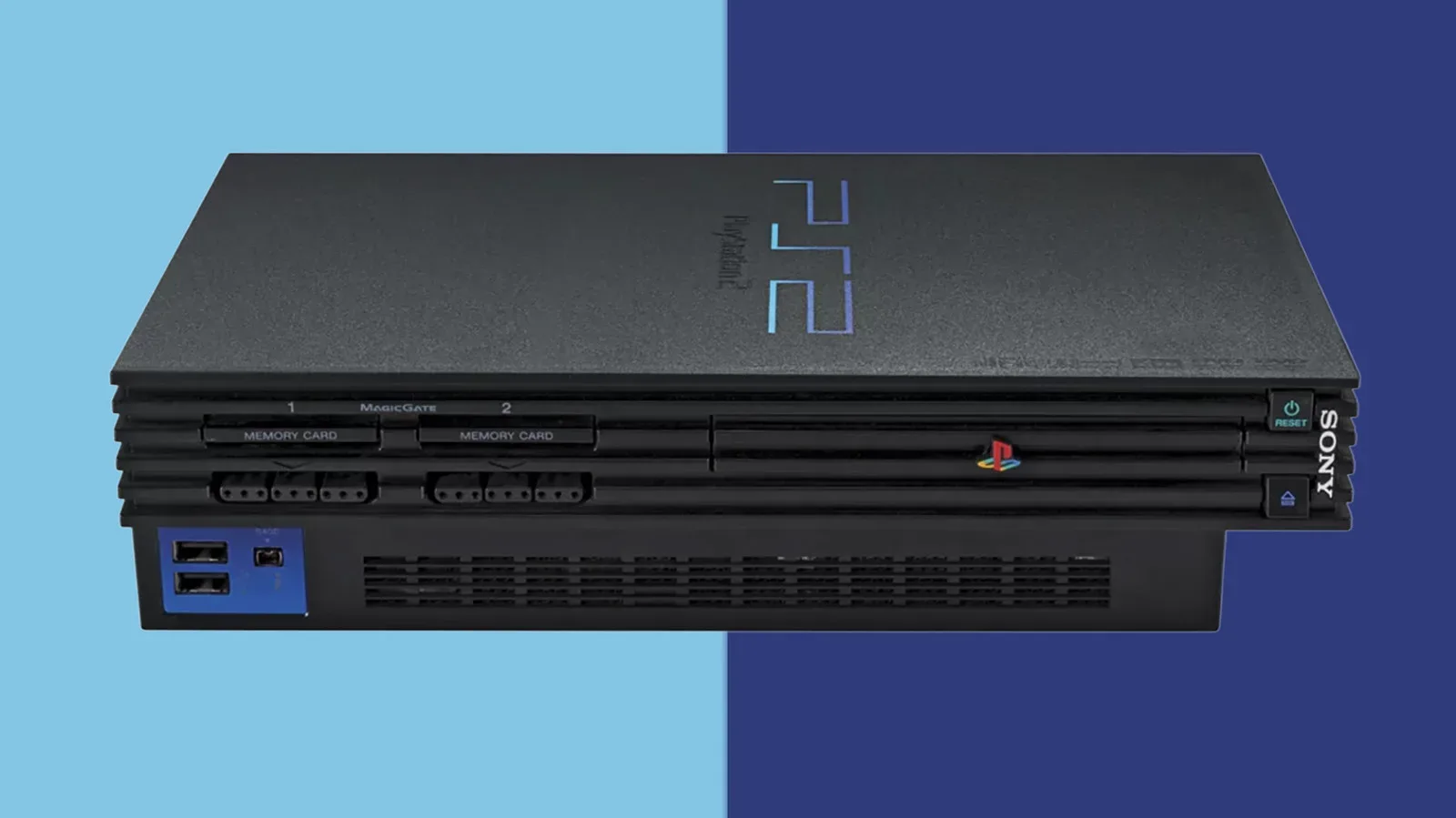
The gaming industry has changed dramatically since the turn of the millennium. Digital storefronts, mobile games, subscription libraries, cloud streaming and PC gaming now compete for players' attention alongside dedicated consoles. Yet the all-time hardware chart is still led by a machine from an earlier era: Sony's PlayStation 2.
Sony shipped more than 160 million PlayStation 2 systems during the console's remarkably long 13-year production run. That puts the PS2 ahead of every other dedicated gaming platform ever released. Its hold on the crown is no longer entirely comfortable, however. Nintendo's original Switch family has passed 156 million units shipped as of June 2026, leaving it only a few million systems behind Sony's historic total.
There is an important caveat when comparing these numbers. Sony and Nintendo generally report hardware shipped to retailers rather than consoles sold directly to consumers. Microsoft, meanwhile, does not publish lifetime hardware figures for many of its systems, meaning several Xbox totals are industry estimates. Even with those qualifications in mind, the shape of the rankings shows just how exceptional the PS2, Switch and Nintendo's handhelds have been.
1. PlayStation 2: More Than 160 Million Units Shipped
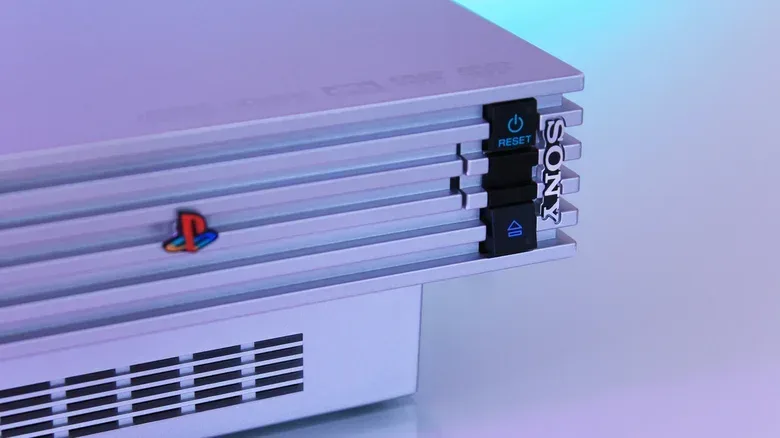
The PlayStation 2 succeeded through a combination of timing, price, software and a feature that sounds ordinary now but was transformative at the time: it played DVDs. When the system launched, DVD adoption was accelerating and a standalone DVD player could be a substantial purchase. The PS2 offered a popular new game console and a DVD machine in one box, making it easier to justify as a living-room purchase.
For useful background on this topic, read Street Fighter's 2026 Film Reportedly Becomes the Franchise's Biggest Box Office Hit.
Its competitive position was also unusually favorable in the early years. Sega's Dreamcast arrived before Sony's second PlayStation, but Sony's marketing for the PS2 gave many buyers a reason to wait. Nintendo's GameCube and Microsoft's original Xbox did not arrive until late 2001, by which point the PS2 had already built considerable momentum.
Crucially, Sony kept the system available for a very long time. Production did not end until 2013, the same year that PlayStation 4 launched. Repeated price reductions expanded the audience as well. The PS2 debuted at $299 in the United States, fell to $199 in 2002 and eventually reached $99 in 2009. That final price made a massive existing library accessible to families and players who had skipped the generation's early years.
That library was enormous in commercial terms. More than 1.5 billion PS2 games were sold. Its leading games included Grand Theft Auto: San Andreas with 17.3 million units, Gran Turismo 3: A-Spec with 14.9 million, and Grand Theft Auto: Vice City with 14.2 million. The system was home to blockbuster franchises, experimental Japanese releases, sports games and countless budget titles, helping it remain relevant far beyond the normal console cycle.
2. Nintendo Switch: The Closest Challenger
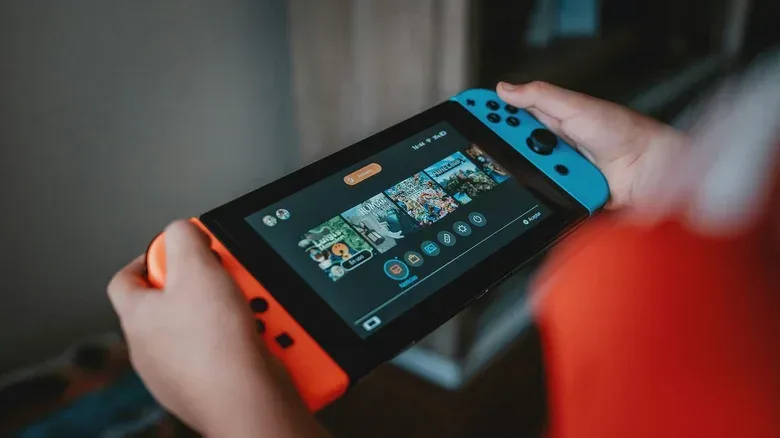
Nintendo's Switch arrived in 2017 after the disappointing commercial performance of Wii U. Its central concept was immediately easy to understand: a console that could work as a portable device and connect to a television. That hybrid identity let Nintendo serve players who wanted both a home system and a handheld without asking them to buy two separate machines.
The launch lineup gave the hardware a major boost. The Legend of Zelda: Breath of the Wild provided a flagship open-world adventure that demonstrated the appeal of taking a large-scale game from the TV to the road. Nintendo later broadened the family with the portable-only Switch Lite and Switch OLED, whose larger, higher-quality display offered a premium alternative.
Across all models, Nintendo had shipped more than 156 million Switch systems by June 2026. The platform has already exceeded PS2 software sales, reaching nearly 1.6 billion games. Mario Kart 8 Deluxe is its biggest seller at 71.5 million units, followed by Animal Crossing: New Horizons at 50.3 million and Super Smash Bros. Ultimate at 38.1 million.
Nintendo expects to ship roughly 2 million original Switch units during its fiscal year ending in March 2027. At a similar pace, the Switch could theoretically overtake the PS2 in 2028 at the earliest. Whether that happens depends on how long Nintendo continues selling the older Switch hardware and how demand holds up as newer Nintendo hardware takes a larger role.
3. Nintendo DS: The Portable Giant
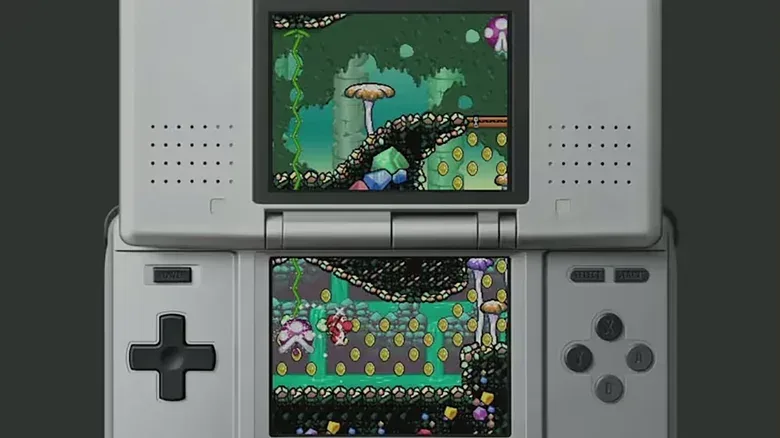
The Nintendo DS remains the highest-selling fully portable game system. First released in 2004, it differentiated itself with two screens, touch controls through a stylus, a built-in microphone and wireless multiplayer. Those features helped Nintendo attract established fans while also reaching players who might not have considered themselves traditional console customers.
Nintendo shipped more than 154 million DS systems across the full product line. Early models could play Game Boy Advance cartridges, a useful benefit for consumers with an existing game collection. Later revisions refined the formula: DS Lite delivered a slimmer design, DSi added cameras, an SD card slot and digital storefront access, while DSi XL increased screen size.
The DS game library sold roughly 949 million copies. Its three best-selling releases were New Super Mario Bros. at 30.8 million units, Nintendogs at 24 million, and Mario Kart DS at 23.6 million. Its success was not built only on familiar franchises. Games such as Brain Age and Nintendogs made inventive use of the system's touch and microphone functions, showing how unusual hardware could create new audiences.
4. Game Boy and Game Boy Color: Portability Before Power
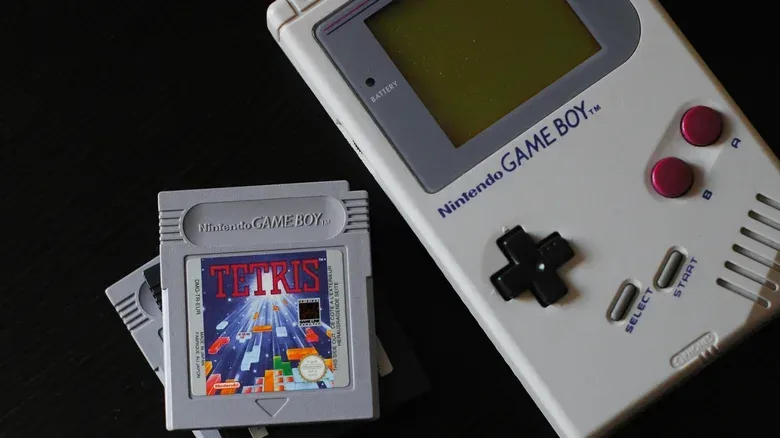
Nintendo combines Game Boy and Game Boy Color sales in its historical totals, and together the family shipped more than 118 million units. The original Game Boy did not chase the technical spectacle offered by rivals such as Atari Lynx and Sega Game Gear. Instead, Nintendo prioritized affordability, durability and battery life. Its monochrome green-tinted display looked modest, but the machine could run for hours on four AA batteries.
Bundling Tetris in North America and Europe helped make the Game Boy feel like a device for virtually anyone. Nintendo later produced the smaller Game Boy Pocket and the Japan-only backlit Game Boy Light. The most significant revision was 1998's Game Boy Color, which brought a color screen while retaining compatibility with most original Game Boy games.
The games chart reflects the platform's broad, portable appeal. Pokémon Red, Green and Blue reached 31.4 million units, Tetris sold 30.3 million, and Pokémon Gold and Silver achieved 23.1 million. The Game Boy's success established Nintendo as the defining name in handheld gaming for decades.
5. PlayStation 4: A Modern Generation Standout
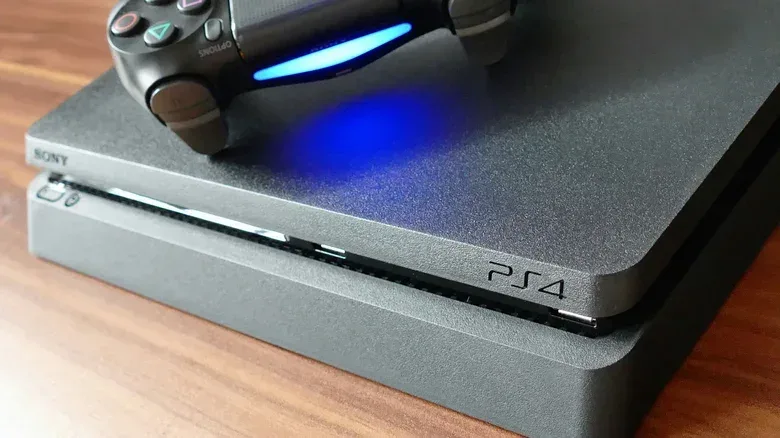
Sony's PlayStation 4 shipped 117 million units, making it the company's second system in the top five. Its early advantage over Xbox One was helped by Microsoft's unpopular initial plans for mandatory online check-ins and a required Kinect camera. Microsoft changed course before launch, but the messaging had already given Sony a major opening.
PS4 also benefited from a developer-friendly AMD-based architecture after the more challenging PlayStation 3 era. Sony reinforced the system with high-profile first-party games including Uncharted 4: A Thief's End and The Last of Us Part II. A slimmer PS4 revision and the more powerful PS4 Pro extended the lineup, with the latter adding 4K support.
Its largest games included an estimated 24.7 million copies for Grand Theft Auto V, 22.7 million for Marvel's Spider-Man, and 21 million for 2018's God of War.
The Rest of the Top 10 and Why the PS2 Record Matters
Beyond the top five, the original PlayStation stands at 102.4 million units shipped, followed by Nintendo Wii at 101.6 million. PlayStation 5 has surpassed 95 million and continues to grow, while PlayStation 3 finished at 87.4 million. Xbox 360, Microsoft's only system in this top group, is estimated at around 84 million units.
The PS2's longevity at the summit is partly a reflection of how gaming has fragmented. The industry is far larger than it was during the PS2 generation, but spending is now split among phones, PCs, subscription services and several hardware ecosystems. It is more difficult for one console to become the universal household device it once could be.
Modern console pricing also makes a PS2-style late-life surge harder to replicate. Sony was able to reduce the PS2 to $99 by 2009. Current systems generally do not fall to equivalent bargain prices, and rising component costs can push hardware pricing in the other direction. The Switch has a credible route to the record, but it will need continued availability and steady demand to cross the line.
For now, the PS2 remains the benchmark: a 26-year-old machine whose mix of games, DVDs, accessible pricing and extraordinary lifespan turned it into the best-selling console in history.
Community
Discussion
Start the conversation.
No comments have been posted yet.