

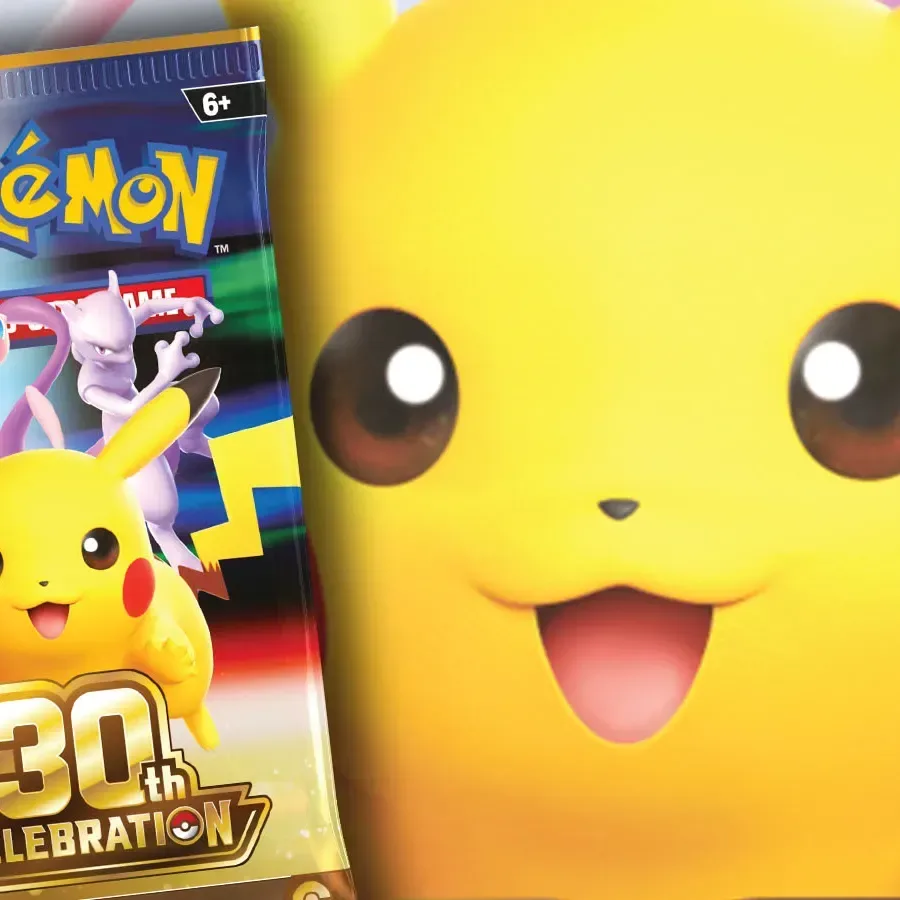
The Pokémon Trading Card Game's 30th Anniversary collection has arrived amid the familiar rush for sealed product, long queues and purchase-limit disputes. Yet the conversation around the set has shifted quickly after packs began reaching collectors: many of its headline cards appear to be significantly easier to find than the market anticipated.
That apparent abundance has lowered the aftermarket ceiling for much of the set and created an unusual situation for a high-profile Pokémon release. Collectors who simply want to open packs and build binders are finding that many desirable cards are not locked behind extreme prices. Buyers who treated the anniversary launch as a short-term investment, however, have been voicing concern that the cards are not producing the margins they expected.
The contrast is especially striking because a major anniversary was widely viewed as a potential moment for intense scarcity and rapid price growth. Instead, the set seems designed, intentionally or otherwise, to let more people experience its standout pulls without needing to spend thousands of dollars on singles.
A chaotic launch, followed by a different kind of surprise
The first days of the 30th Anniversary release followed a pattern that will be familiar to anyone who has tried to buy popular Pokémon TCG products at launch. Stores in the United States saw lengthy lines, with frustration also directed at so-called "ghost chairs" used to hold places in queues for days before stock became available.
For useful background on this topic, read PlayStation Teams With Lisa for Limited-Edition DualSense Controller and Merch Line.
There were disputes in the United Kingdom as well, including accusations that a minor celebrity bypassed a line and purchase limits to acquire product. Such incidents underline why major Pokémon launches can become tense: limited early supply, enthusiastic fans and people hoping to resell sealed boxes can all converge at the same retailers.
But a scramble to buy packs does not necessarily mean every card inside will become scarce. Once a large number of packs were opened, buyers began to observe that the collection's major cards seemed to turn up with relative frequency. The resulting availability has made it harder for sellers to command the kinds of prices associated with rare chase cards from some earlier releases.
Most high-value cards remain comparatively attainable
Three exceptionally scarce Mew cards -- the Red, Green and Blue Mew variants -- remain the clear exception. Those cards have been changing hands in the low-thousands-of-dollars range, suggesting that their pull rates are meaningfully lower than the rest of the collection's most sought-after cards.
Outside that trio, the market looks substantially less punishing. Other prominent cards have generally fallen below $250 on resale markets, while most of the 15 highest-priced cards have been assessed at roughly $100 or less. For an anniversary product expected by some speculators to become a major profit opportunity, that is a dramatic departure from the values seen around certain past Pokémon TCG chase cards.
Card prices can fluctuate rapidly after launch, particularly while supply is still arriving and collectors are still opening product. A low early resale price does not guarantee a card will remain there, just as an early premium does not ensure lasting value. Still, the current pattern has offered a much friendlier entry point for players and collectors seeking the set's core cards.
That accessibility matters beyond simple resale figures. Completing a binder can become discouraging when several necessary cards cost hundreds or thousands of dollars each. When a set's major pulls are obtainable in packs and attainable as singles, the focus can return to artwork, favorite Pokémon and the enjoyment of collecting rather than a constant calculation of market value.
Investment expectations collide with generous pull rates
On the Pokémon card investment-focused subreddit r/PokeInvesting, some community members described the anniversary set as the opposite of what they had expected. One poster said that collectors had once viewed the 30th anniversary as a possible catalyst for investment exit strategies, only for the outcome to move in the other direction.
Another participant predicted further price pressure if more holders began selling their cards or sealed product at once. That reaction reflects a basic feature of collectible markets: purchases made primarily in anticipation of future scarcity become riskier when supply proves more plentiful than assumed.
It is also worth separating the various groups involved in a release like this. A fan buying a few packs to celebrate Pokémon's history may be delighted to pull a visually impressive rare card. A store managing inventory may simply want demand to remain steady. A reseller who bought large amounts of stock hoping individual pulls would immediately rise in value has a very different incentive.
The 30th Anniversary set has exposed those competing priorities. For collectors, more generous hit rates can feel like a correction to an environment where the most exciting cards too often seem inaccessible. For people who spent heavily on product based on a scarcity thesis, the same hit rates can feel like a threat to the expected return on that purchase.
Why easier pulls can be good for the hobby
Not every investment-minded Pokémon fan sees the situation as negative. In a separate r/PokeInvesting discussion, one community member argued that the set's higher apparent hit rates could be healthy over the long term. The reasoning was straightforward: opening packs is more enjoyable when players and collectors have a realistic chance of discovering something memorable.
A set that regularly rewards buyers can encourage children, newcomers and casual fans to stay engaged with the hobby. It can make a pack-opening session feel celebratory rather than disappointing, particularly for a product built around a landmark anniversary. Greater enjoyment can also lead to more people collecting over time, potentially sustaining interest in the game beyond the initial rush around any one release.
That viewpoint does not mean every card must be common, nor does it dismiss the appeal of genuinely difficult-to-find collectibles. The three Mew variants demonstrate that the 30th Anniversary collection still has ultra-premium targets for those who want them. The distinction is that the set appears to reserve extreme scarcity for a small number of cards rather than putting a large portion of its recognizable highlights out of reach.
There is a broader benefit when collectors feel they can participate without racing resellers or paying inflated secondary-market prices. The barrier to entry is lower, trading becomes easier, and the cards can circulate among people who actually want to own and enjoy them. Those conditions may not maximize immediate resale returns, but they can improve the experience of building a collection.
The next set is already approaching
The Pokémon TCG release calendar will not pause for long. Mega Evolution -- Delta Reign is scheduled to launch as soon as November, giving the community another opportunity to see how pull rates, supply and resale demand develop around a major new expansion.
For now, the 30th Anniversary collection stands out as a reminder that launch-day hype and aftermarket scarcity are not the same thing. Queues, fast sell-outs and arguments over stock can create an impression that everything connected to a set will become expensive. The cards themselves may tell a different story once enough packs are opened.
For many Pokémon fans, that story is a positive one. The anniversary set's most exclusive Mew cards still offer a difficult chase, but much of the collection seems within reach for people who want to fill pages in a binder rather than flip inventory. Whether prices eventually change or remain subdued, the early response suggests that accessibility -- not scarcity -- has become the defining feature of this particular celebration.
Community
Discussion
Start the conversation.
No comments have been posted yet.