

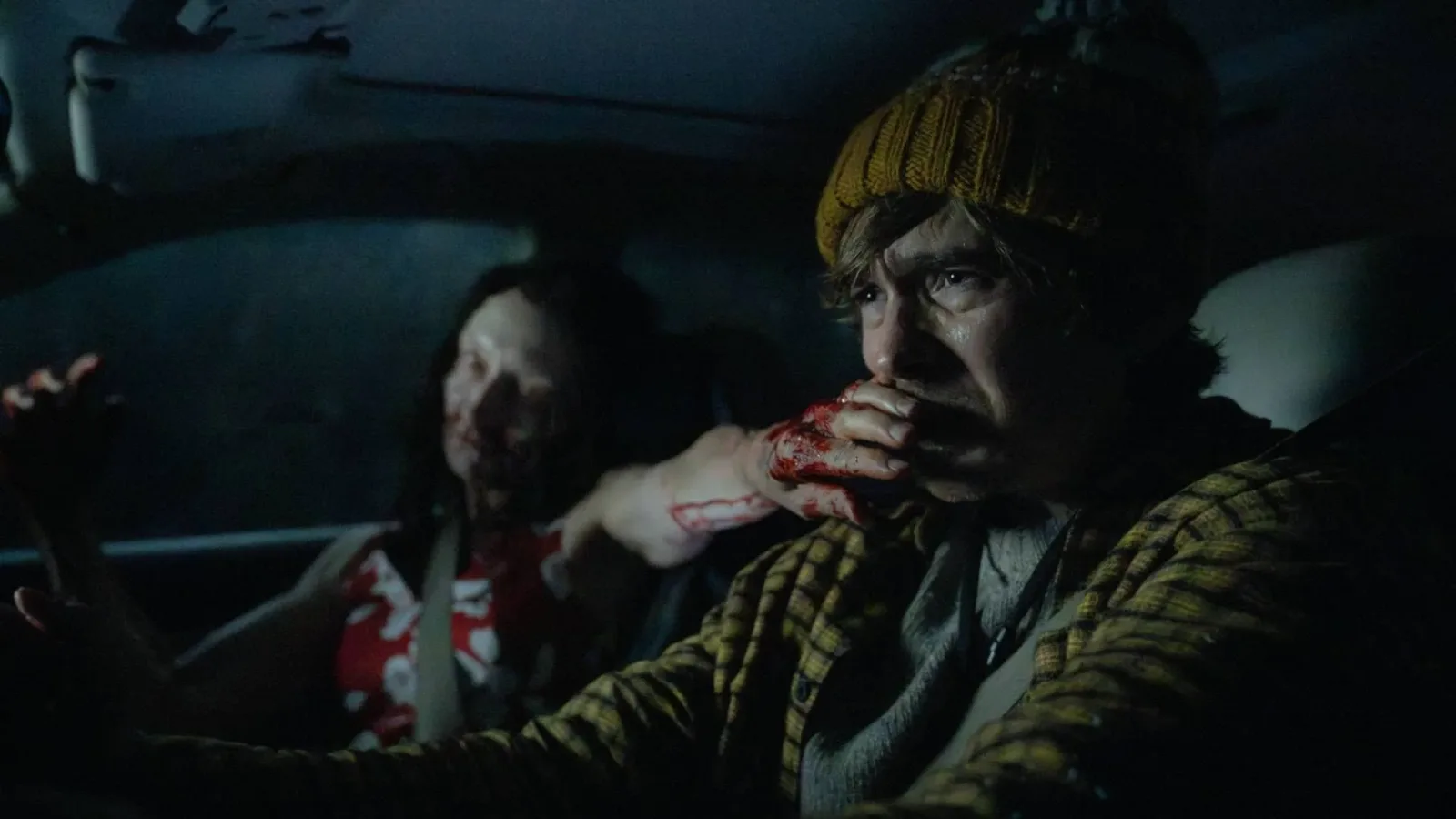
Resident Evil director Zach Cregger has described an exceptionally tight finish for the new film, saying work continued so close to release that international audiences received a version containing shots he would have preferred to revise. The filmmaker said the movie was only completed "maybe" two weeks before its theatrical debut, following a demanding period in which he made Weapons and Resident Evil back to back.
The distinction is not being presented as a fundamentally different cut with altered story beats, characters, or ending. Instead, Cregger's comments point to final-stage refinements that could not be completed before the overseas Digital Cinema Package, or DCP, had to be sent out. He did not identify the exact shots involved, leaving the precise differences between domestic and international screenings unknown.
Still, the admission offers an unusual look at how narrowly some major studio releases can reach the finish line. While audiences generally think of a film as locked well before opening weekend, large-scale productions can remain in post-production until extremely late in the process. Effects work, compositing, color adjustments, sound mixing, and final editorial decisions often continue as distribution deadlines approach.
A deadline measured in minutes
Cregger said the production effectively had to stop at 11:59 on a Saturday night because the DCP needed to ship. In practical terms, that meant the international deadline arrived before every desired adjustment had been made. The domestic version had a little more time for changes, resulting in a release Cregger considers stronger in at least some individual moments.
For useful background on this topic, read Gears of War: E-Day Story Director Juan Vaca Laid Off Days After Game Goes Gold.
"There are shots I'm not stoked on in the international version," Cregger said, explaining that those moments are improved in the domestic release.
That phrasing is important. Cregger did not say the international version is unwatchable or that it presents a separate narrative. His concern is with particular shots rather than the film's overall construction. For most viewers, especially those seeing the movie without comparing versions side by side, the changes may be difficult to detect. The director himself may be the person most aware of exactly what did and did not make the final overseas delivery.
The final laboratory sequence is one plausible area where late work could matter. The film becomes especially effects-heavy there, and visual effects are among the elements that can continue evolving until the final days of a production. Even a small alteration to lighting, a digital creature, a background extension, a composite, or the timing of a shot can be meaningful to the people who made it while remaining nearly invisible to a casual moviegoer.
Color grading is another potential factor. The final grade establishes how a scene's shadows, highlights, saturation, and overall atmosphere appear on screen. In a horror adaptation such as Resident Evil, where mood and visibility can be central to tension, minor image changes may affect the intended feeling of a sequence without changing its content.
Two films in just over a year
The compressed post-production timeline came after a similarly intense period for Cregger as a filmmaker. He released two movies in a little over 12 months: Weapons followed by Resident Evil. Completing one major feature is a long process involving shooting, editing, sound, effects, test screenings, marketing coordination, and delivery requirements. Doing so for two high-profile projects in such close succession makes the last-minute pressure around Resident Evil easier to understand.
That schedule also helps explain why Cregger's comments should not automatically be read as evidence of a troubled film. Late finishing is far from unheard of on major releases, especially projects that rely on intricate post-production work. A hard deadline does not necessarily mean the creative team lacked a plan; it means that every additional hour was valuable and that international distribution required a firm handoff point.
For audiences outside the United States, the practical question is whether a later update will replace the initial international package. No revised rollout, home-release change, or timetable for an alternate international version has been announced. Cregger's remarks establish that he sees a difference between the versions, but they do not confirm whether viewers will be able to compare them in an official release.
The ending was also reworked during production
Cregger has separately discussed changes made to the movie's final sequence. He said an earlier approach did not sufficiently show Bryan's desperation for a cure, prompting a reorganization of events. Fortunately for the production, he had filmed material as a contingency, which became the alternate route that supported the revised version of the ending.
That revelation underlines the difference between a film's initial plan and the version that ultimately reaches theaters. Production can create options that only become essential later, once the edit reveals that a character motivation needs clearer emphasis or that a sequence needs to be reordered for better dramatic momentum. In this case, Cregger indicated that the contingency footage was crucial to solving a problem he recognized in the earlier design.
For a franchise built around outbreaks, survival, laboratories, corporate wrongdoing, and the race for a cure, the emotional clarity behind such a motivation can carry considerable weight. The details of how the final sequence changed have naturally become part of the discussion around the adaptation, particularly as viewers debate Cregger's interpretation of the games and the film's emphatic closing note.
A major opening for a video game adaptation
Despite the accelerated finish and the international-version caveat, Resident Evil has opened with substantial momentum. The film brought in more than $100 million worldwide during its opening weekend, setting a new benchmark for video game adaptations on the big screen. It has also connected with both critics and audiences, even as the conversation around its choices has become increasingly heated.
That mixture of commercial success and spirited debate is familiar territory for Resident Evil. The games have accumulated a long history across multiple styles, from survival horror to action-focused entries and experimental multiplayer projects. Any cinematic adaptation entering that legacy has to negotiate expectations around characters, monsters, settings, tone, and the broader mythology. Viewers can agree that a film is ambitious while still disagreeing sharply on how closely it should follow a particular game or which elements matter most.
Cregger's version has clearly encouraged those conversations, especially around its ending and the degree to which it translates the franchise for a theatrical format. But the opening performance suggests that the debate has not prevented audiences from turning out. On the contrary, a prominent and polarizing take on a beloved game series can often fuel curiosity, with fans eager to decide for themselves how a new adaptation handles its source material.
What the version difference means for viewers
At present, viewers should approach the domestic-versus-international distinction with modest expectations. There is no indication of a different plot, a missing scene that transforms the story, or a separate ending for overseas territories. Cregger's own description is focused on shots he feels are not yet at the level he wanted, not on the overall movie being incomplete.
It is also worth remembering that filmmakers tend to scrutinize their work at a level audiences do not. A slightly unfinished digital detail, an effect that could have benefited from another pass, or a grade that is a shade away from the desired result can remain deeply frustrating to a director. For theatergoers, the same detail may pass by unnoticed amid the pace, sound, performances, and larger narrative of the scene.
Even so, the comments give Resident Evil a distinctive piece of release history. The domestic presentation is the version that benefited from those additional final changes, while some international prints were locked in before that work could be completed. For a movie that was finished only weeks before opening, it is a reminder that the transition from editing room to cinema screen can be as intense as anything depicted in the finished film.
Resident Evil is now playing in theaters.
Community
Discussion
Start the conversation.
No comments have been posted yet.