

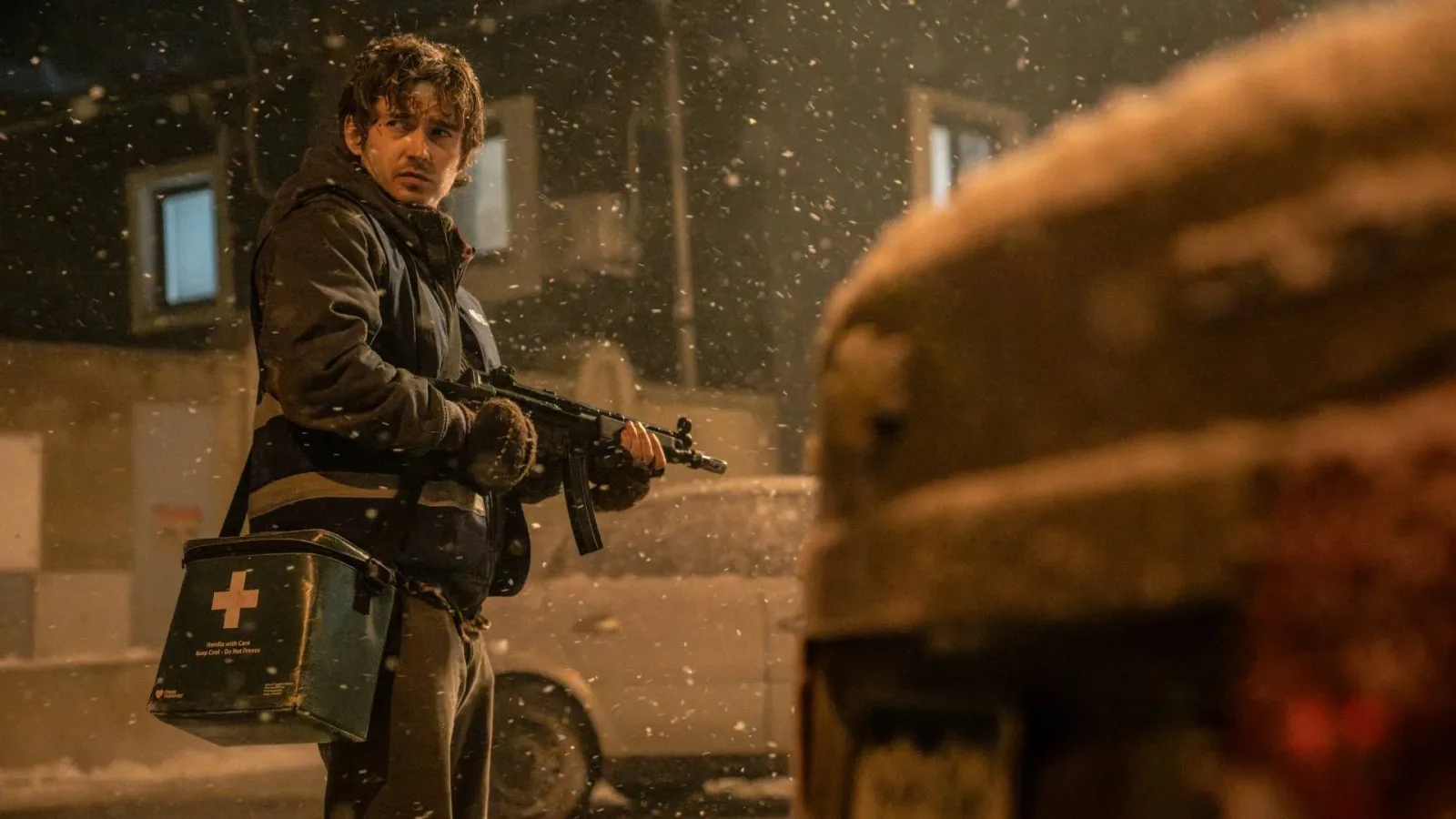
Resident Evil is out now, and its most important creative decision may be what it refuses to do. Rather than replaying the plot of a familiar Capcom game, Zach Cregger's film tells a new story on the edges of the Raccoon City outbreak. It does not put Leon S. Kennedy, Claire Redfield, Jill Valentine, or Nemesis at the center of the action. It does not attempt to compress a game's routes, puzzles, bosses, and sprawling lore into a conventional feature-film structure. Instead, it asks a simpler question: what would it feel like for an ordinary person to be trapped in a Resident Evil nightmare?
That choice has proved divisive among viewers who hoped to see favorite characters brought directly into live action. Yet it is also the film's greatest strength. The result is a fast, approximately 95-minute horror experience built around panic, escalating mutation, limited information, desperate objectives, and the looming knowledge that any route forward could become a death trap. Those are not merely surface-level references to Resident Evil. They are fundamental parts of how the games work.
For game adaptations, that distinction matters. A production can reproduce costumes, monster designs, named locations, and famous lines while still missing the identity of the game it is adapting. Conversely, a film can introduce a new protagonist and an unfamiliar plot while feeling immediately at home in the series' world. Resident Evil makes the case that fidelity should be measured less by whether an adaptation recreates a checklist of scenes and more by whether it understands why players connected with the original work.
A Raccoon City story from the periphery
Cregger's movie unfolds on the day of the t-Virus outbreak and takes place around the events associated with Resident Evil 2. But it deliberately remains on the periphery of that larger catastrophe. Its protagonist is Bryan, a medical courier whose job rapidly becomes a terrifying mission to move the basis of an antidote from one place to another.
For useful background on this topic, read Arc Raiders to Test PvE-Only Co-op Matchmaking for One Week in October.
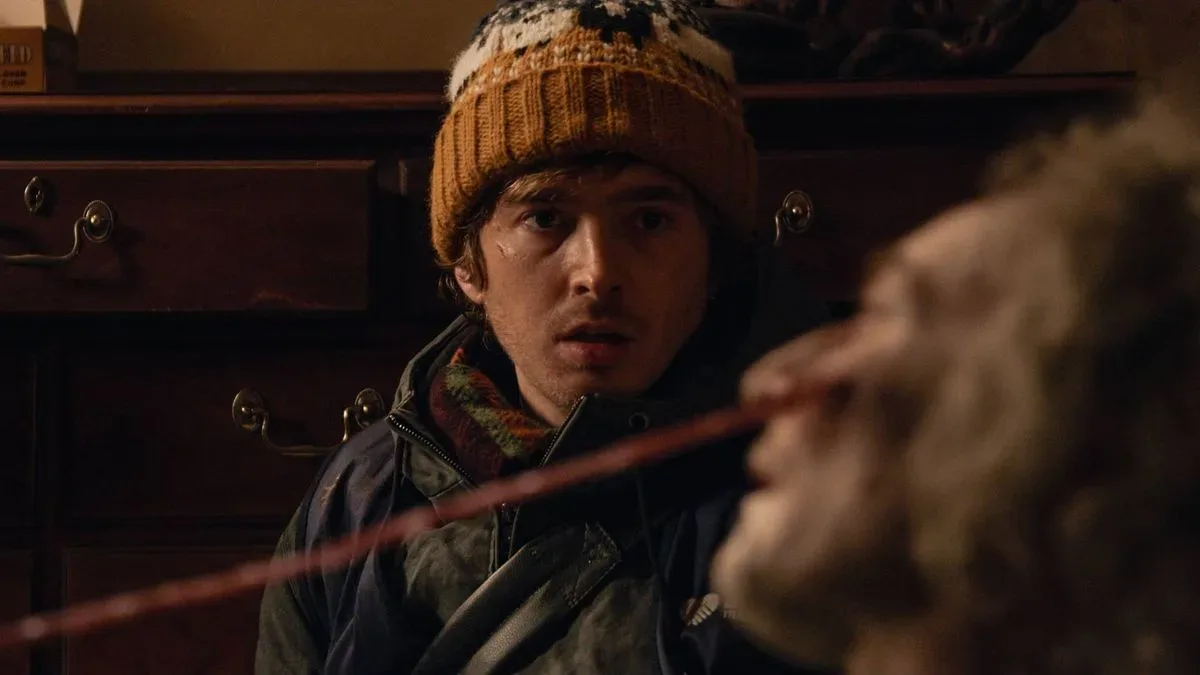
Bryan is not built as an unstoppable action hero. He is an average person forced into circumstances far beyond his capabilities, encountering zombies that will not stay down and increasingly grotesque mutated threats. That perspective is a useful fit for Resident Evil. While some of the franchise's most recognizable leads have become exceptionally capable survivors, the series has frequently derived its tension from isolation and vulnerability. Players begin with limited ammunition, incomplete knowledge, and little certainty that the next room is safe. Survival comes before heroism.
In that respect, Bryan has more in common with the vulnerable opening of Ethan Winters' journey in Resident Evil 7 than with the polished confidence of a veteran agent. The character is new, but the dramatic function is distinctly Resident Evil: one isolated survivor navigating an impossible sequence of threats, detours, and urgent tasks.
The film's handling of lore follows the same philosophy. Umbrella Corporation and the t-Virus remain essential to the premise, but the movie does not pause to unpack every branch of the franchise's famously tangled mythology. That restraint is sensible. Resident Evil's elaborate continuity is part of its long-running charm for devoted fans, but a movie has different needs from a decades-spanning game series. A film audience needs enough context to understand the danger, the people responsible, and the stakes. It does not necessarily need a complete corporate history or an encyclopedia of every biological weapon program.
Why a one-to-one recreation can be the wrong goal
There is an understandable appeal to seeing a beloved game faithfully reproduced. Fans want to recognize the police station, the enemies, the weapons, and the people they spent hours controlling. But the experience of playing a game cannot be separated from the mechanics that support it. A character circling a building to evade Mr. X, checking rooms for keys, combining objects, revisiting a locked door, and repeatedly managing scarce resources can be riveting in an interactive survival-horror game. It may not automatically become compelling cinema if transferred beat-for-beat.
That does not mean specific plots cannot be adapted. Some games are naturally structured around character drama and linear storytelling, and television in particular has room to explore those stories at greater length. The Last of Us is a notable example of a game whose character-focused narrative can support a close adaptation. But this should not become a universal rule for every franchise.
Resident Evil is a particularly clear case because its identity is broader than any one storyline. It is a volatile blend of gothic spaces, corporate conspiracy, body horror, action-movie absurdity, inventory-style problem solving, and a very specific rhythm of fear and release. A faithful adaptation of that identity can have an entirely original plot.
Previous Resident Evil films illustrate the challenge from different directions. The six Milla Jovovich-led movies were often energetic and entertaining, with recognizable imagery and figures drawn from the games, but they created their own increasingly elaborate continuity. The 2021 film Welcome to Raccoon City pursued a more overtly fan-facing approach, incorporating familiar characters and even Lisa Trevor, a figure removed from the original game before release. Yet packing recognizable material into a single project did not guarantee a satisfying or coherent adaptation.
The lesson is not that established characters are inherently a problem. Leon, Claire, Jill, and the rest remain enormously valuable parts of Resident Evil. The lesson is that their mere presence cannot substitute for atmosphere, pacing, or a clear point of view. Fan service works best when it supports a story rather than when it is asked to be the story.
Capturing the feeling instead of copying the furniture
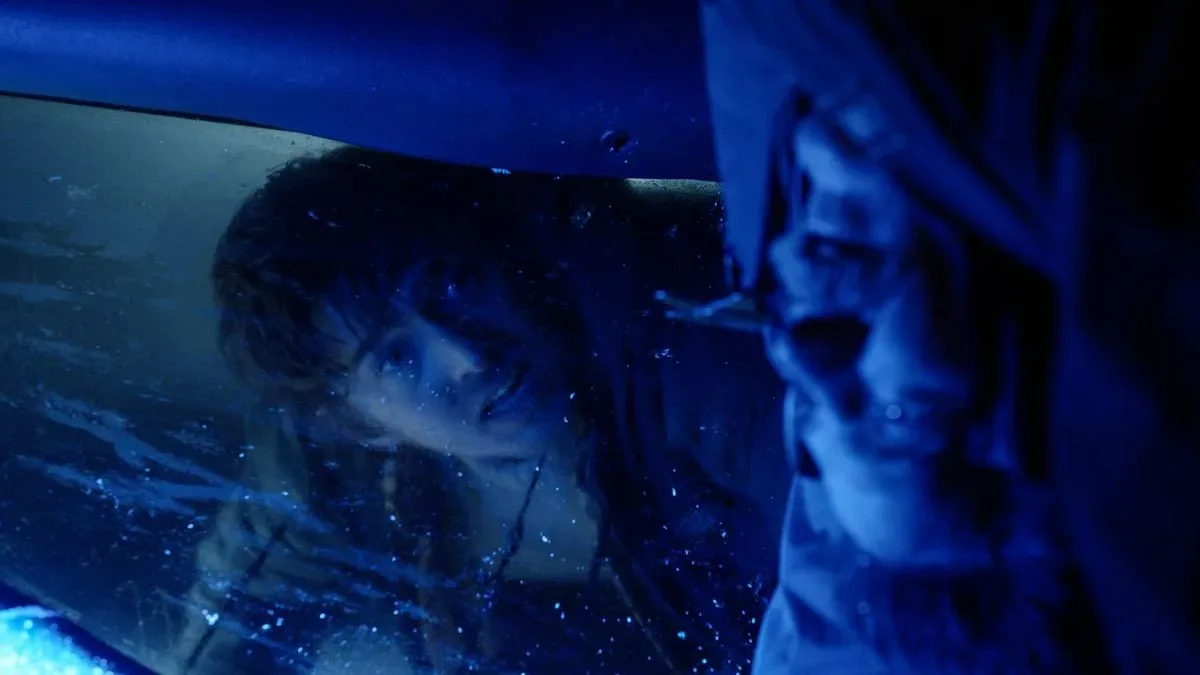
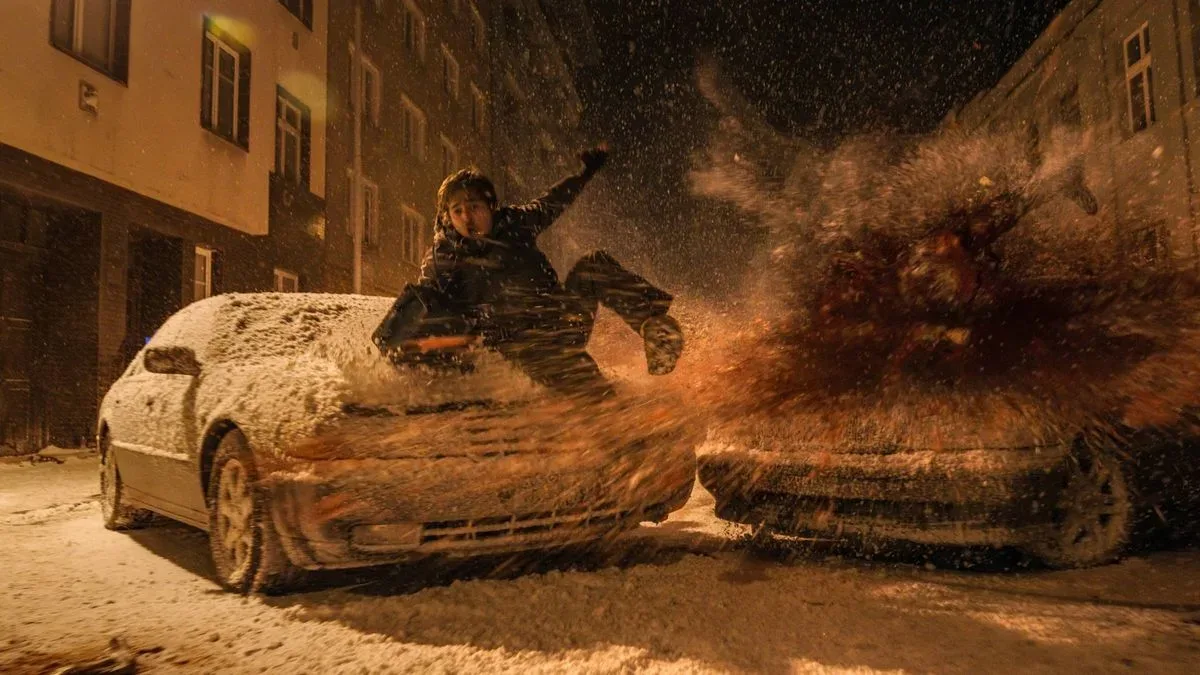
Cregger's approach is strongest when considered as a translation of Resident Evil's language rather than its literal events. The film reportedly treats the outbreak as a pressure cooker: a chain of escalating encounters where Bryan must keep moving, find a path through, and survive threats that become stranger and more dangerous as the night continues. That resembles the structural sensation of playing Resident Evil even when the individual story beats are new.
It also leaves room for the franchise's peculiar tone. Resident Evil has never been horror in a purely restrained or realistic sense. It thrives on sudden shocks, grimy laboratories, melodramatic conspiracies, oversized mutations, and the occasional moment of gleefully ridiculous spectacle. The games can move from dread to explosive action without abandoning their identity. A film that understands that balance is likely to feel more authentic than one that simply reproduces a famous cutscene.
This is the space where adaptations can become creative works in their own right. The game remains available to play, and no movie can replace its interactive tension. Nor should it try. A strong adaptation should offer another way to inhabit the world: a fresh character, a different corner of the setting, or an event that expands the franchise's emotional possibilities.
A useful comparison with Fallout and Arcane
Television has already shown how well this model can work. Fallout did not retell the exact story of one Bethesda game. It constructed a new narrative in the same post-apocalyptic universe, treating the setting's factions, dark humor, retro-futurist style, and moral uncertainty as essential ingredients. Arcane likewise developed characters and conflicts from the wider world of League of Legends rather than functioning as a direct replay of a particular match or campaign.
Both projects recognize that a game world can be a setting with a living history, not a script that must be copied word for word. That mindset has particular value for franchises with years of entries, multiple protagonists, and stories happening across continents or eras. It gives creators room to make a focused drama while preserving the elements that fans recognize as meaningful.
There are risks, of course. An original story is not automatically a good story. The 2016 Assassin's Creed film also introduced new characters within a familiar game universe, starring Michael Fassbender, but it did not connect with audiences in the way the best adaptations have. Creative freedom needs to be paired with a deep understanding of the property's appeal. Using a known brand as decoration is not enough.
Resident Evil's advantage appears to be that its creative direction begins with the series' emotional and structural core. The movie is not simply set in Raccoon City because Raccoon City is a recognizable name. It uses that setting to create a survival-horror ordeal shaped by urgency, helplessness, mutation, and corporate-caused catastrophe.
What this could mean for future game movies
The broader adaptation landscape is entering a more confident phase. Filmmakers who grew up with games increasingly approach them as creative traditions worthy of interpretation, not as disposable material for a loosely branded action movie. That development echoes the way superhero films eventually grew beyond simple character recognition and began experimenting with genre, tone, and authorial perspective.
Upcoming projects will face the same question as Resident Evil: should they recreate a famous entry, combine pieces from multiple entries, or tell a new story that honors the wider series? The forthcoming The Legend of Zelda movie remains largely unseen, but comments from Shigeru Miyamoto have indicated that it will draw inspiration from the history of the full series. Set photos have also suggested a mixture of visual influences from different Zelda eras. If that is the direction, it may be better served by capturing Zelda's sense of adventure, myth, discovery, and wonder than by being bound to a single game's plot.
Resident Evil offers a persuasive template, but not a rigid formula. Some franchises need direct adaptation. Others benefit from original stories. The common requirement is thoughtful translation: identify what makes the game unique, then build a film or series around those qualities rather than around a catalog of references.
As for Cregger's Resident Evil, the ending reportedly gives Bryan's arc a sense of closure while also leaving behind the kind of tragic, grotesque aftermath that could fit naturally into Raccoon City lore. Cregger has discussed ideas for a sequel, although a return is far from certain. Whether or not this specific story continues, its larger accomplishment is already clear. It proves that an adaptation can leave famous heroes offscreen, invent a new lead, and still feel more like Resident Evil than a production that tries to recreate every iconic moment.
For video game movies, that may be the real S+ rank: not repeating what players already know, but creating something new that makes them recognize exactly why they loved the world in the first place.
Community
Discussion
Start the conversation.
No comments have been posted yet.