

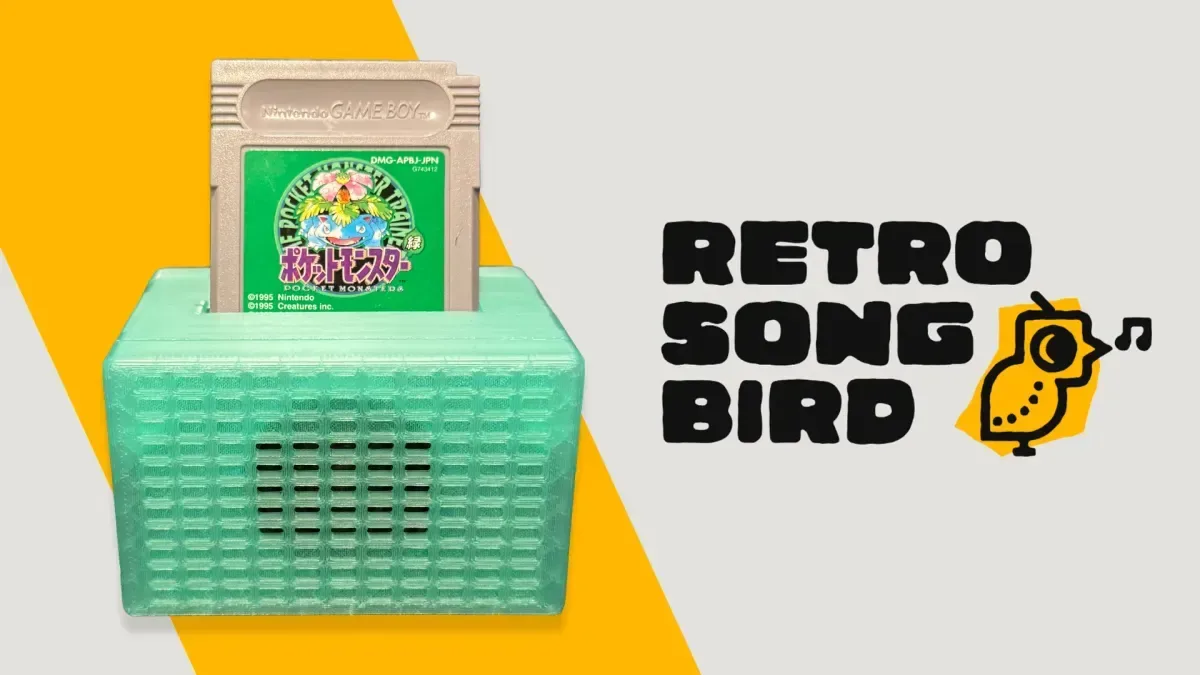
The Game Boy's audio has always been much bigger than its tiny mono speaker suggested. From punchy menu themes and melancholic RPG melodies to noisy action-game effects and full chiptune compositions, Nintendo's handheld produced a sound that remains instantly recognizable decades later. Retro Song Bird is a newly shown accessory built around that legacy: a cartridge reader and music-focused device intended to let owners listen to the sounds stored on more than 1,900 Game Boy cartridges without needing to boot each game in the conventional way.
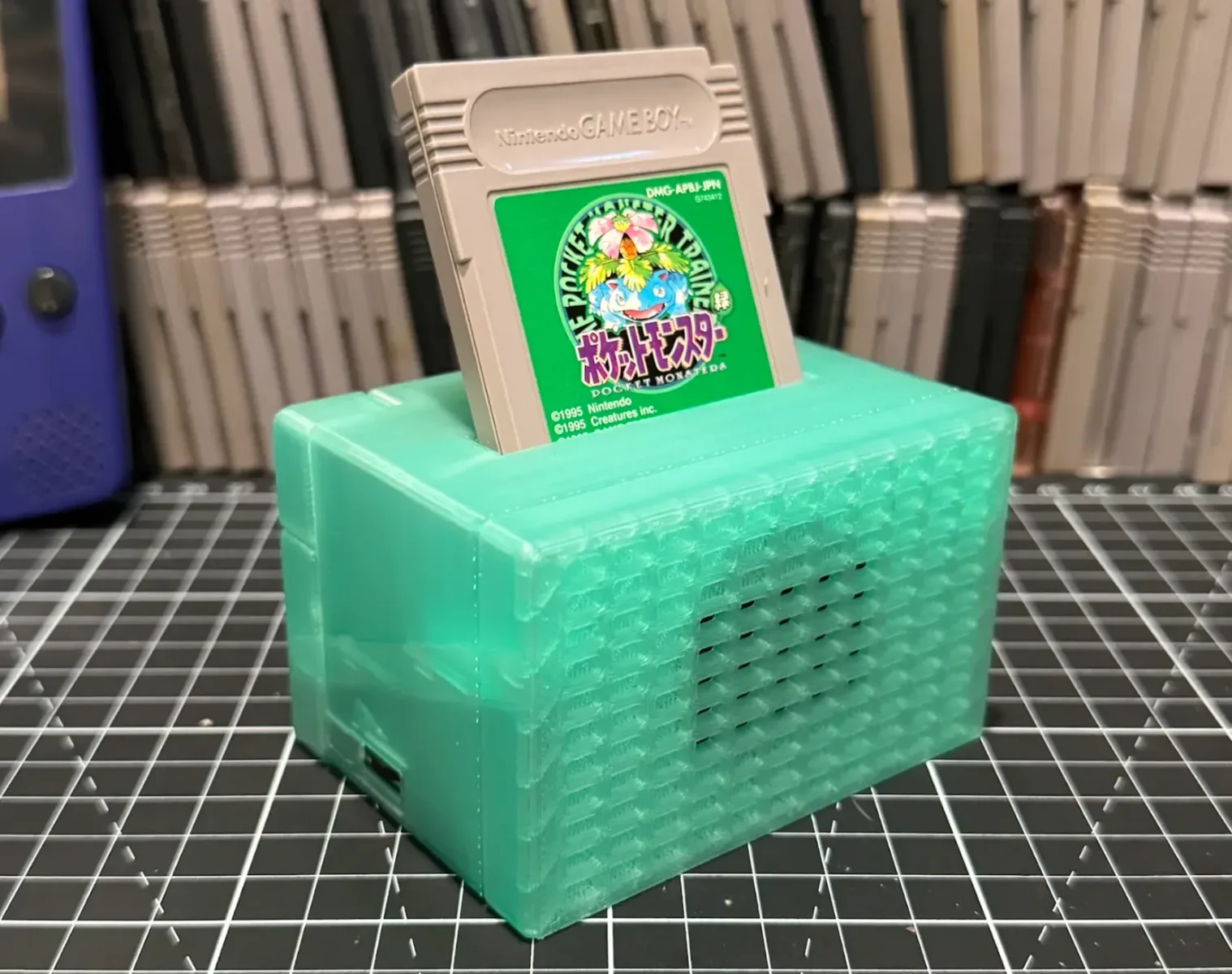
Still in the prototype stage, Retro Song Bird is being developed by an inventor known as BJ. Its central idea is simple but appealing to collectors, composers and Game Boy enthusiasts. Insert an original cartridge into the unit's top-mounted slot and use the device much like a dedicated music player, navigating a cartridge's music data and, in supported cases, its sound effects. Rather than treating a Game Boy cart only as a game, the hardware treats it as an archive of music, audio design and personal data worth preserving.
A dedicated way to explore Game Boy soundtracks
Game Boy soundtracks are commonly heard through original handheld hardware, emulators, recordings uploaded by fans, or specialized music players on a computer. Retro Song Bird proposes a more cartridge-centric route. The device is designed to read the original game media directly, then offer track navigation through physical controls positioned on its side. Those controls include next and previous functions as well as volume adjustment, giving it the basic feel of a portable audio device rather than a technical dumping tool alone.
The project's stated compatibility target is more than 1,900 Game Boy cartridges. That is a notable scope, although prospective users should keep in mind that the device is not yet a finished retail product and final compatibility details have not been announced. The ability to browse sound effects alongside songs is particularly interesting. Game Boy audio is not only defined by its best-known melodies; a great deal of the platform's character comes from startup stings, menu clicks, battle sounds, jingles and unusual effects created within severe hardware limitations.
For useful background on this topic, read A Full Kingdom Hearts replay Could Reveal Where the Series Became So Complicated.
Retro Song Bird is said to use accurate, register-level sound emulation. In practical terms, that goal is to reproduce cartridge audio as faithfully as possible while outputting it through the accessory's modern speaker. It also includes a stereo line-out connection for use with hi-fi equipment. The original Game Boy itself is synonymous with mono playback, but a line-out option could make the unit more useful on a desk, in a studio setup or connected to external speakers and headphones.
More than a novelty music player
While listening to classic soundtracks is the most immediately understandable feature, Retro Song Bird is planned as a broader cartridge utility. BJ describes the project as a preservation-minded device, one that can help users retain the information held on the carts that matter to them. The hardware is intended to back up and restore save files and ROMs, giving it a role beyond playback.
Save preservation is especially relevant for aging cartridge libraries. Long-running RPG saves, monster collections, high-score records and old in-game creations can be deeply personal pieces of game history. Any device designed for backup needs to be judged by its final implementation and reliability, but the feature set positions Retro Song Bird as something that could be useful for collectors as well as audio fans.
The prototype is also expected to flash-write new cartridges and export soundtracks as WAV files to a PC. WAV export could offer a practical bridge between Game Boy audio and contemporary listening or production workflows. Instead of merely hearing a song from the cartridge through the device, users could potentially bring that audio into a desktop environment for archival, editing or playback. Details such as the eventual export process, supported operating systems and exact audio options have not been specified.
Tools for chiptune creators and remixers
Retro Song Bird's most ambitious ideas are aimed at the creative side of the Game Boy scene. The original hardware's audio system uses four core channels: two square-wave channels, a wave channel and a noise channel. The project is intended to make each of those channels available as its own USB audio stream for use in a digital audio workstation, or DAW. That could let musicians isolate and work with the individual pieces that make up a Game Boy composition rather than being limited to a single mixed recording.
This planned channel-by-channel approach could be valuable for people studying classic game music as much as for those building something new from it. A melody might sit on one square channel, while another provides harmony, the wave channel handles a bass-like part and the noise channel creates percussion. Separating those elements can reveal how a track was assembled within the system's constraints. It also opens the door to remixing and experimentation, though the final creative workflow will depend on the software support and tools delivered with the finished device.
The project also mentions making mixtapes--playfully referred to as "mixcarts"--that can be flashed onto a new cartridge. That concept fits the physical appeal of the format. Rather than sharing only a digital file, a creator could potentially prepare a cartridge-based collection of Game Boy music for playback on compatible hardware. Retro Song Bird is additionally planned to support playback of saved songs from an LSDj cartridge. LSDj, short for Little Sound Dj, is a well-established Game Boy music creation tool, so that support could make the accessory relevant to active chiptune musicians rather than solely retro-game collectors.
GBAlbum is another part of the proposed ecosystem. The tool can turn an album into a ROM intended to play on real hardware and on Retro Song Bird. Together, the planned USB streams, cart writing, LSDj playback and album-ROM support make the project feel less like a single-purpose player and more like a small workstation for a specific era of game audio.
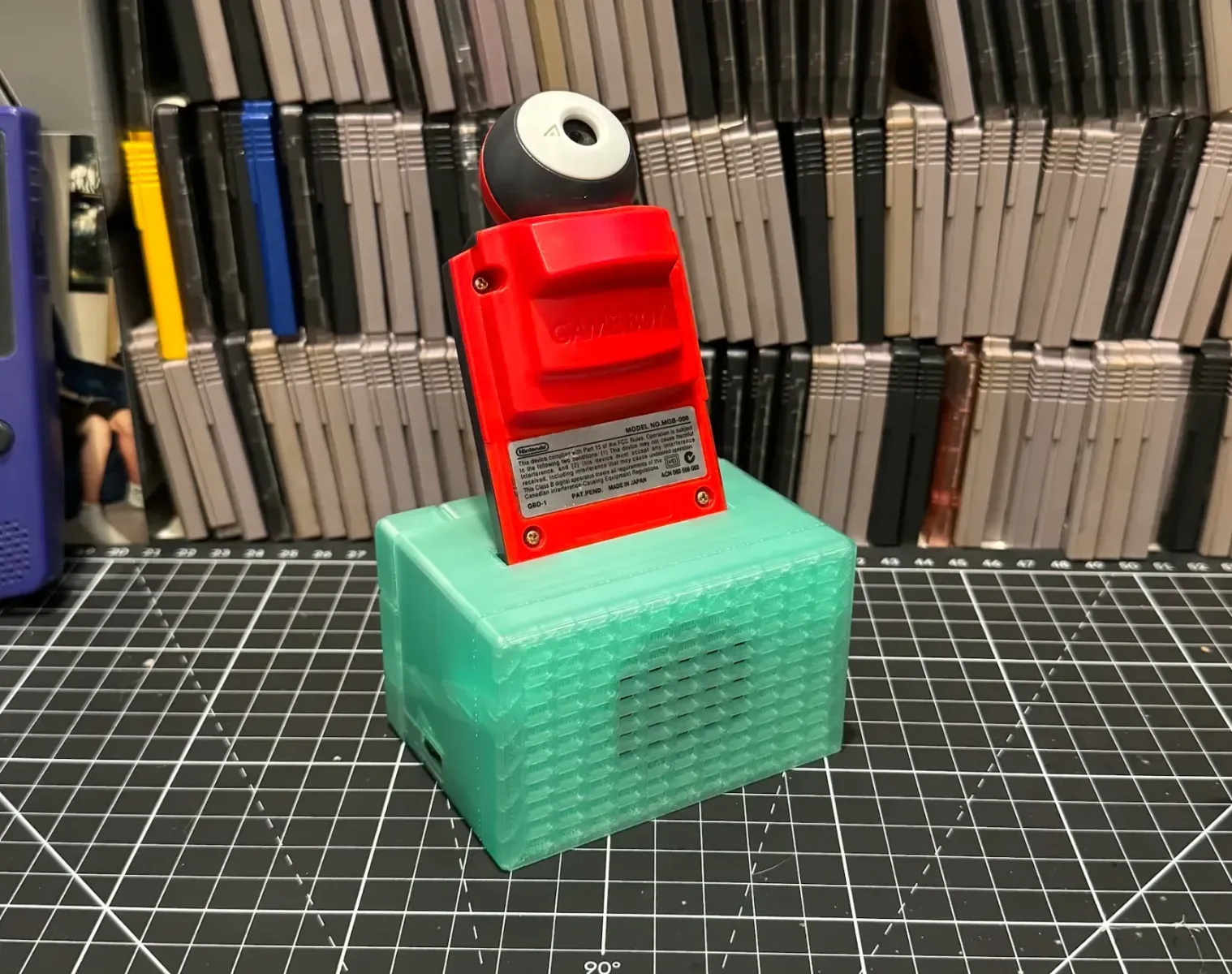
Yes, it has a use for Game Boy Camera
One of the more unusual capabilities involves the Game Boy Camera. Retro Song Bird is intended to connect the famously low-resolution accessory to a PC and use it as a USB webcam. The Game Boy Camera's tiny 0.014-megapixel images and five-frames-per-second performance are obviously far removed from modern webcam expectations, but that is exactly why the option has appeal. It is a deliberately lo-fi feature that could be fun for streams, video calls, creative projects or simply giving a much-loved accessory another purpose.
Retro Song Bird is also expected to include an alarm mode. Users could set it to wake them using audio from an inserted cartridge, then dismiss the alarm through the side buttons. It is a small feature compared with data backups and multitrack USB audio, yet it reflects the project's playful interest in making Game Boy cartridges part of everyday life. A favorite game's music could become a morning alarm rather than remaining locked behind a handheld's power switch.
An open-ended project for the Game Boy community
Browser-based cartridge play is another proposed function, with Retro Song Bird envisioned as a way to use cartridges through a browser and interact naturally with applications and cheats. BJ is also planning an open API, allowing developers and tinkerers to build their own uses around the hardware. Over-the-air updates are expected as well, which could help the device evolve after launch if those plans make it into the final version.
That openness may be one of the project's most important qualities. Game Boy enthusiasts include collectors who want safe ways to manage saves, musicians making new work on old hardware, archivists documenting software, and hobbyists who enjoy connecting vintage devices to modern computers. A product that serves all of those audiences has a complicated technical task ahead, but it also has the potential to become more useful than a standard cart dumper or a simple music player.
For now, Retro Song Bird is not on sale. Only a small number of prototypes have been made, and BJ is continuing to finalize the device. The eventual release plan may involve crowdfunding or a direct sale once development is further along, but no launch date, price or final purchasing method has been confirmed.
That means the project should be viewed as an intriguing work in progress rather than a guaranteed finished product. Even so, its feature list captures why Game Boy hardware remains so compelling: the cartridges are game libraries, music collections, save archives, development platforms and creative artifacts all at once. If Retro Song Bird reaches its intended form, it could offer a remarkably flexible new way to listen to, preserve and create with one of gaming's most enduring handheld formats.
Community
Discussion
Start the conversation.
No comments have been posted yet.