

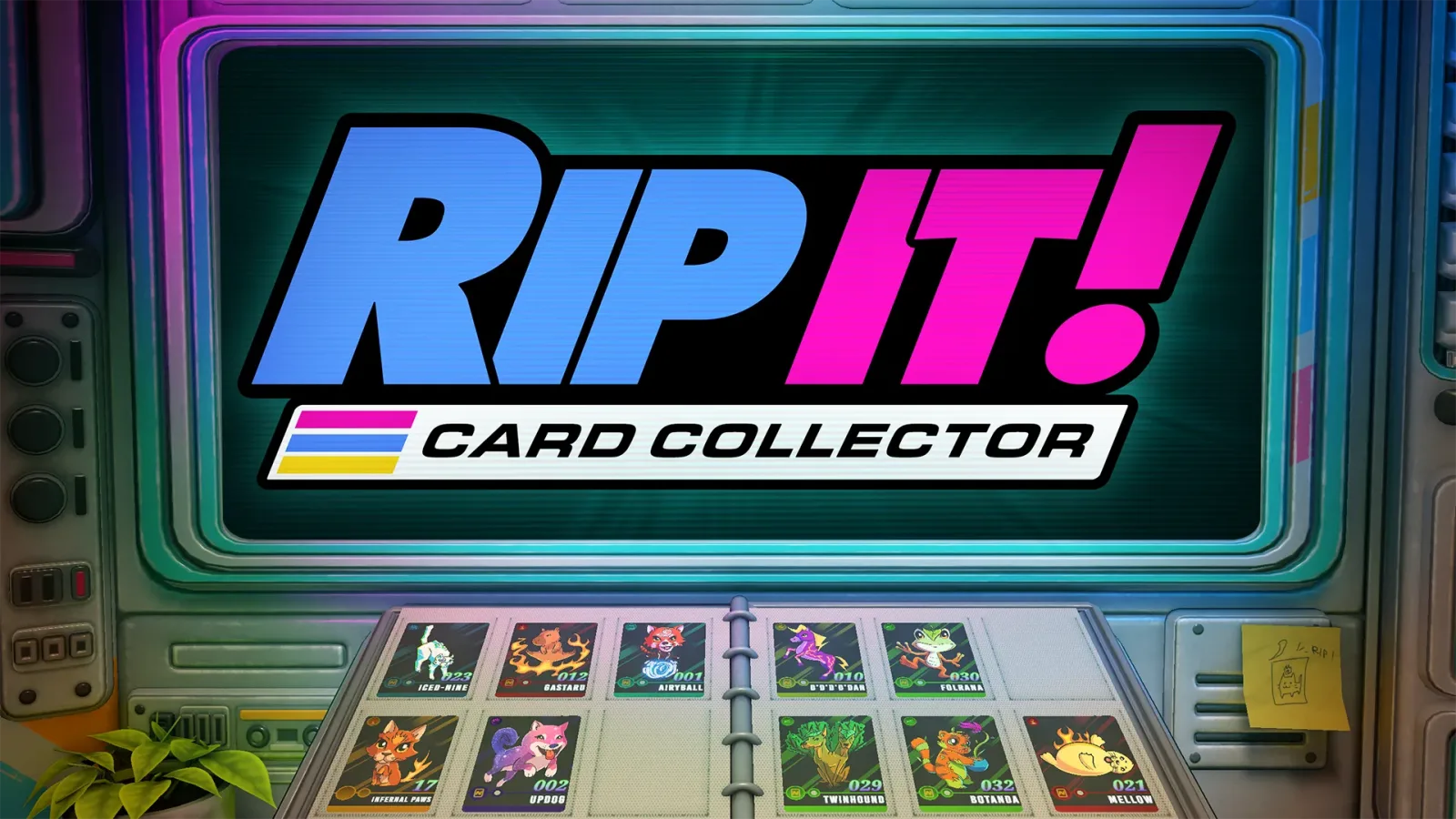
Cybernetic Walrus has announced Rip It! Card Collector, a forthcoming PC game built around the familiar cycle of opening trading-card packs, finding elusive pulls, arranging a binder, and deciding what to do with duplicate cards. The game is planned for Steam, where it will frame that collecting routine as both a tactile simulation and an incremental progression game.
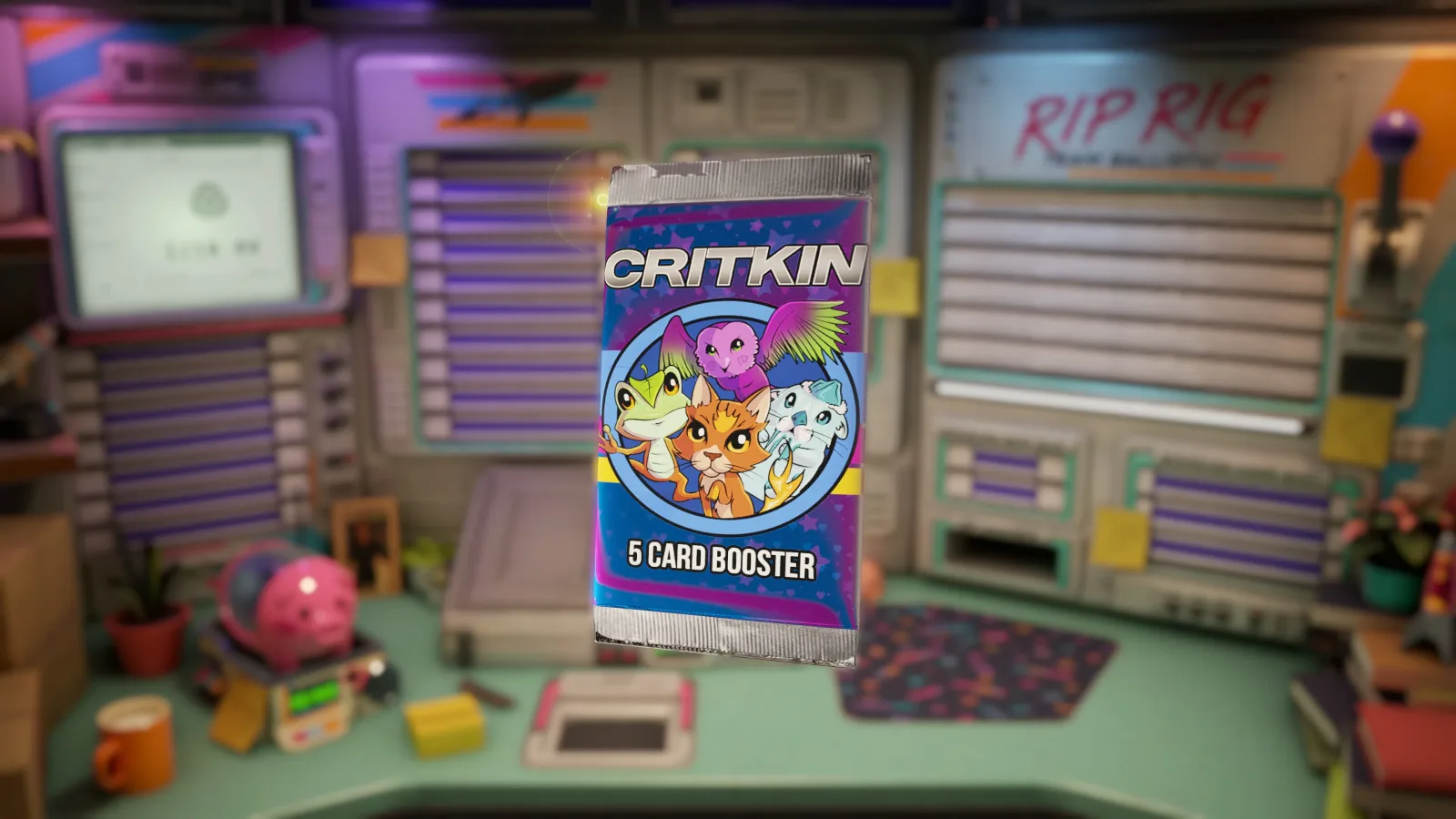
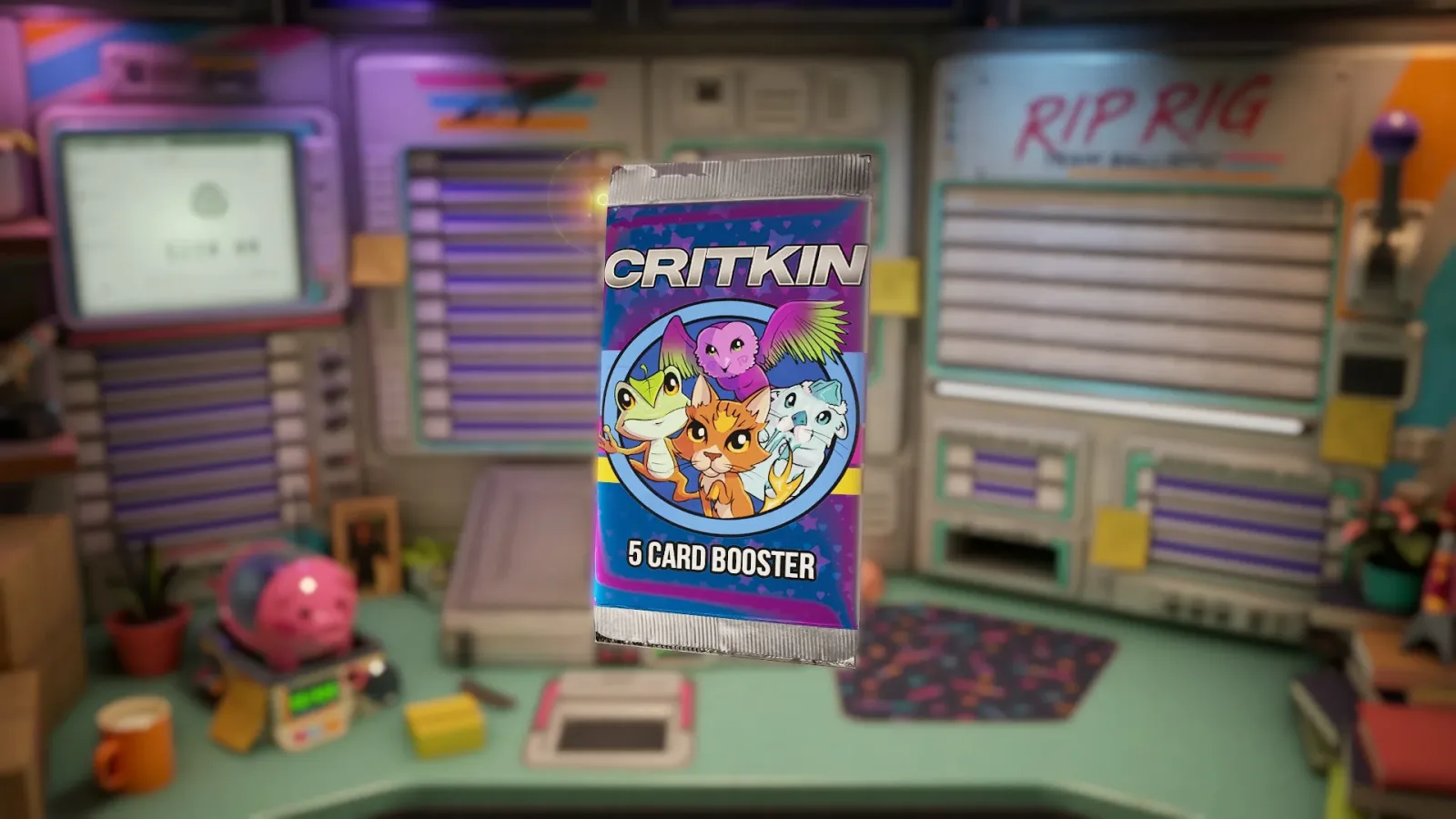
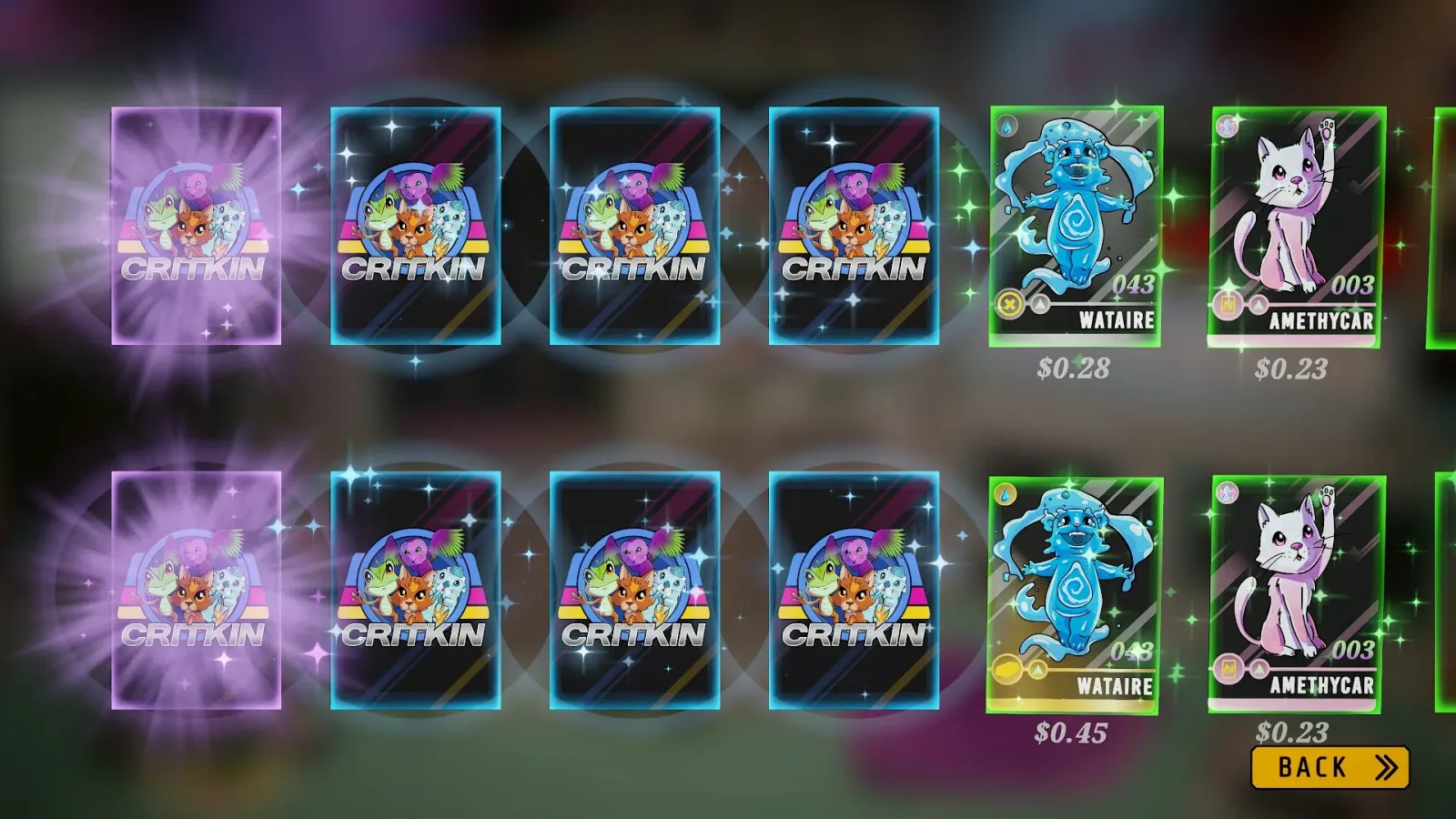
At its center, Rip It! Card Collector is about the moment before a pack is opened and everything that follows. Players will tear into packs, inspect their pulls, keep track of the cards they have found, and organise those cards into binders. The collection includes more than 1,800 cards, spanning ordinary pulls as well as super rares, secret promos, and higher-value cards. That scope gives the game a substantial checklist for players who enjoy gradually filling a collection rather than simply opening a handful of packs and moving on.
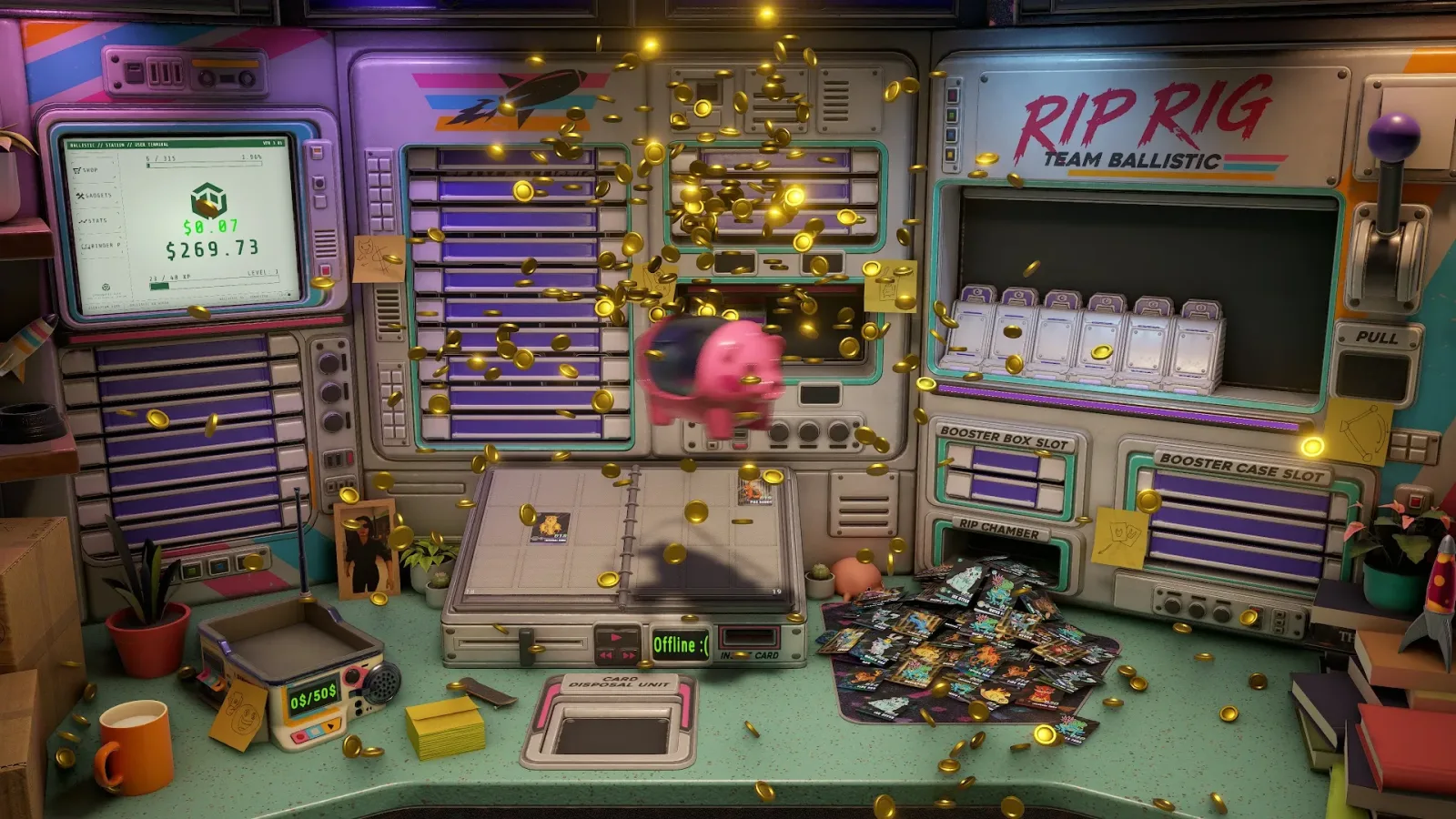
The announcement also makes clear that collecting is only one part of the loop. Duplicates can be sold, turning surplus cards into funds that can be reinvested in a steadily more elaborate pack-processing workstation. The intended arc begins with hands-on interaction, then expands through gear and machines that speed up the work. Over time, players can move toward an automated operation designed to handle the repetitive stages of opening and processing cards.
A digital card-collecting loop with physical-style interaction
Trading-card games and collecting hobbies often derive much of their appeal from ritual: choosing a pack, opening it, revealing the contents, sorting the finds, and placing the most desirable pieces into a binder. Rip It! Card Collector is designed to focus on that chain of actions. Its description emphasizes tactile interaction, suggesting that the individual steps of tearing open packs and dealing with cards are meant to remain a visible, active part of play rather than being reduced immediately to a menu-driven reward screen.
For useful background on this topic, read Heartopia Details Starspell Voyager, Madame White Snake Collaboration and Mid-Autumn Festival Events.
That focus matters because the game is not presented simply as a card battler or a conventional deck-building game. No competitive card-play component has been detailed. Instead, the central fantasy is the collector's side of the hobby: the hunt for missing cards, the satisfaction of ordering a growing collection, and the practical question of how to manage cards that are no longer needed.
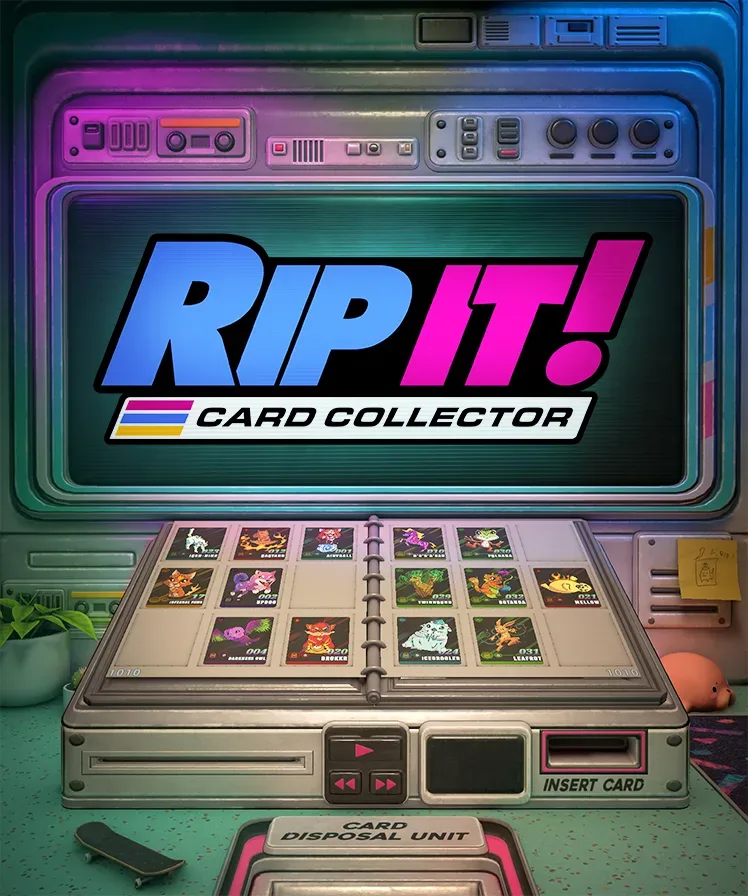
Players will be able to organize their discoveries into binders, providing a place to monitor progress through the available card pool. With standard cards, rare finds, promotional cards, and expensive cards all included, the binder system should serve as more than decoration. It is the natural record of what has been acquired and what remains to be chased. For completion-minded players, a collection of more than 1,800 cards creates a long-term objective even before workstation improvements enter the equation.
Duplicates become fuel for upgrades
Opening large numbers of packs inevitably means seeing repeat cards. Rip It! Card Collector turns that expected outcome into part of its progression structure. Rather than treating duplicates purely as dead weight, players can sell them and use the proceeds to improve their setup. The approach connects the luck of individual pack openings to a broader economy: a valuable pull may be exciting for the binder, while a pile of repeat cards can still contribute to future upgrades.
For another perspective on this story, read Rip It! Card Collector Announced for Steam.
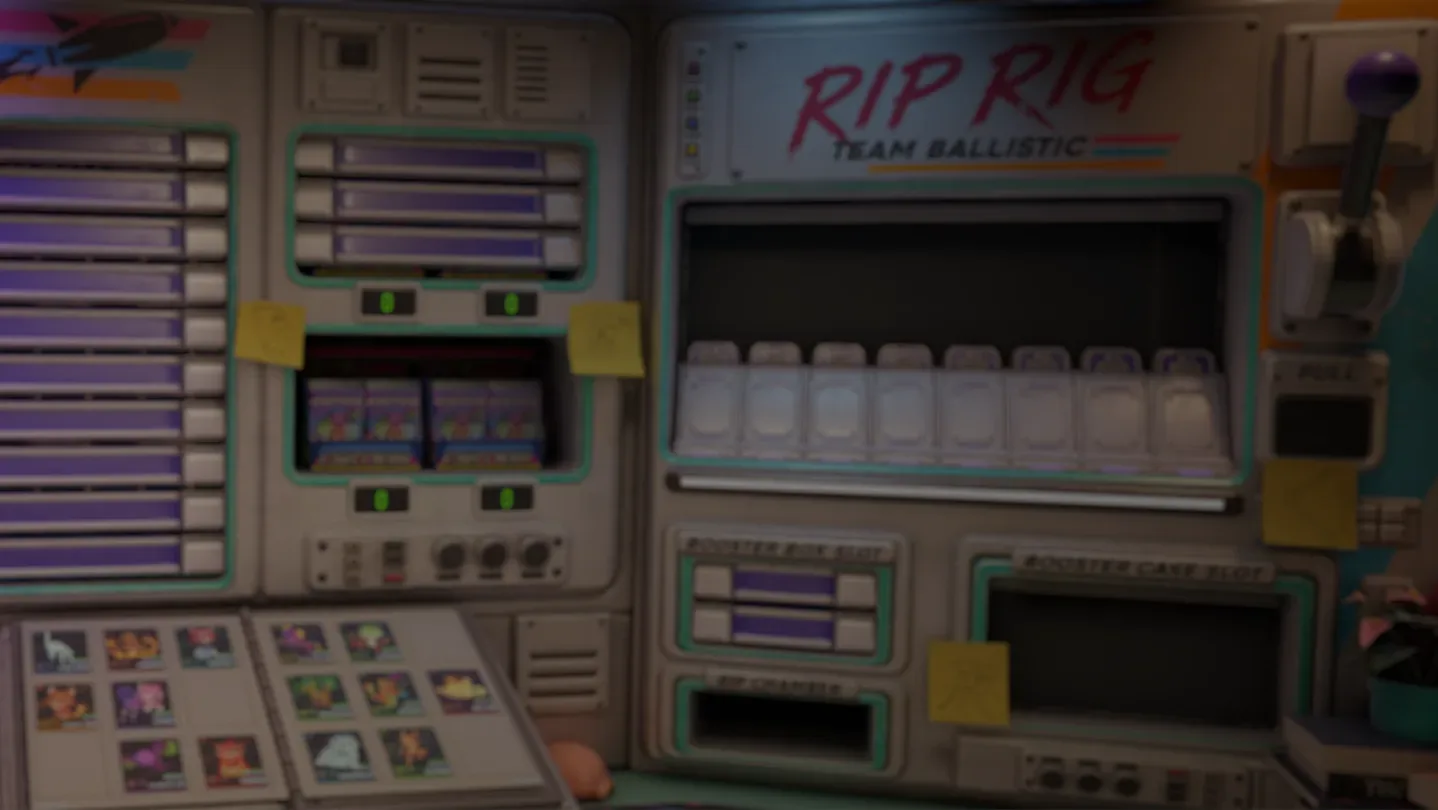
The workstation is positioned as the main expression of that growth. At first, players can open packs manually. As their operation expands, they can unlock equipment and machinery intended to accelerate card processing. This creates a familiar incremental-game rhythm, where an initially direct task becomes more efficient as the player builds systems around it.
The difference is in the theme. Rather than mining a generic resource or accumulating abstract currency, players are scaling up a tabletop-style collecting workflow. Packs need to be opened, cards need to be sorted, the collection needs to be maintained, and extras need to be turned into cash. The upgrades are therefore tied directly to the actions at the heart of the game's premise.
Cybernetic Walrus describes the eventual goal as a fully automated card-processing operation. That language suggests a progression path from a personal, hands-on hobby setup to a more complex workstation where machines and gear take on a larger share of repetitive tasks. Automation does not replace the collection goal; it supports it by allowing players to process more packs and continue hunting for the cards that have avoided them.
Rarity and the chase for missing cards
The more than 1,800 cards in Rip It! Card Collector will not all carry the same significance. The announced categories include regular pulls, super rares, secret promos, and expensive cards. This tiering is important to the game's collecting structure, because a large card list is most compelling when it gives players reasons to care about individual discoveries rather than merely increasing a total number.
Standard pulls can help populate binders and build up stock for duplicate sales, while rarer or more unusual cards provide the standout discoveries. Secret promos, in particular, imply that not every target will be immediately obvious or easy to secure. Expensive cards add another dimension by linking desirability with the game's sell-and-upgrade economy.
The announcement does not detail drop rates, individual card effects, trading features, or the exact mechanics for acquiring each rarity category. It also does not outline how cards will be valued when sold. What has been confirmed is the broader structure: a large pool of cards, a variety of rarities and special categories, binder organization, and a system that lets players convert extras into investment for their expanding workstation.
That leaves room for the pack-opening process itself to be the primary source of suspense. In a game centered on collecting, the appeal is often not just owning a rare card once it is found. It is the uncertainty before the reveal, the near-misses, and the gradual transformation of a binder from a sparse set of empty goals into a carefully maintained collection.
Manual opening meets incremental automation
Rip It! Card Collector's blend of tactile simulation and incremental progression gives it two complementary tempos. The manual side is personal and immediate: open a pack, see what appears, sort the cards, and decide whether each one belongs in the collection or should be sold. The incremental side is about long-term planning, using money from duplicates to make future sessions faster and more productive.
This structure can make even routine pulls useful. A card that is not new to the binder may still have value as a duplicate, and that value can help unlock the machinery needed to increase throughput. In turn, higher throughput means more chances to locate the rare cards and promos that have not yet been found. The game's stated loop continually circles back to the same objective: build a more complete collection while improving the operation that makes those discoveries possible.
- Open packs: Tear into card packs manually and reveal new pulls.
- Build binders: Sort and organize cards while tracking a collection of over 1,800 entries.
- Chase rare finds: Look for super rares, secret promos, expensive cards, and standard cards.
- Sell extras: Turn duplicate cards into proceeds for future improvements.
- Upgrade the workstation: Add gear and machines to speed up card processing.
- Automate the operation: Expand from hands-on opening toward a larger automated setup.
A focused collecting game for PC
The announced concept places Rip It! Card Collector in a space between collecting simulators and idle or incremental games. Its appeal will likely rest on whether players enjoy the process as much as the results: the repeated pack openings, the ongoing organization of binders, the management of duplicate inventory, and the satisfaction of watching a humble workstation develop into something more efficient.
For players drawn to the presentation and process of card collecting, the game's premise offers a digital route into the hobby's most recognizable rituals without shifting attention toward competitive matches. The key promise is not victory over another player, but a steadily improving collection and a steadily improving means of building it.
Rip It! Card Collector is in development for PC and is planned to launch on Steam. A release date has not been announced.
Community
Discussion
Start the conversation.
No comments have been posted yet.