

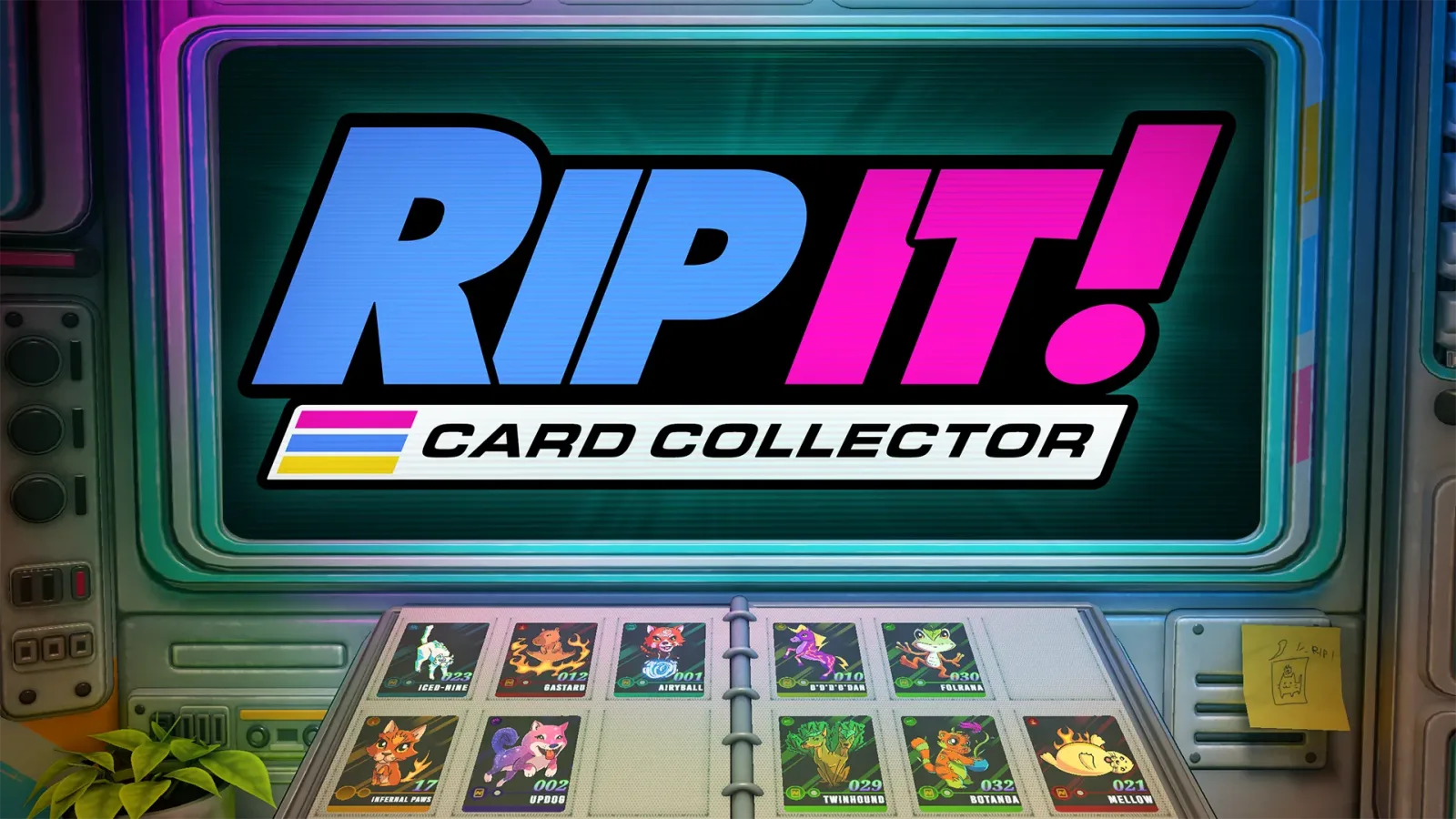
Rip It! Card Collector is now available on Steam, giving PC players a compact, deliberately relaxed take on the thrill of opening collectible card packs. Developed by Cybernetic Walrus, the studio behind Roadside Research, the game turns the familiar ritual of tearing into packs, admiring a standout pull, filing cards into a binder and dealing with duplicates into an incremental progression loop.
The premise is straightforward, but it is built around a collection large enough to support a long-term hunt. Players can work toward completing a binder containing 1,809 hand-drawn cards, with rare versions, foil treatments, metallic cards and special promotional entries among the varieties to find. The game is priced at $6.99 USD, £5.69 GBP, EUR6.79 EUR and ¥25 CNY on Steam, with a 10% launch discount available.
Rather than asking players to compete against an opponent or learn a complicated card-battling ruleset, Rip It! Card Collector is concerned with the collecting side of the hobby. The cards are the objective. Packs are opened, cards are sorted, the binder gradually fills up, and unwanted repeats can become the funding for the next round of improvements. It is a format aimed at the satisfaction of completion and organization rather than competitive deck construction.
A card-collecting loop built for repetition
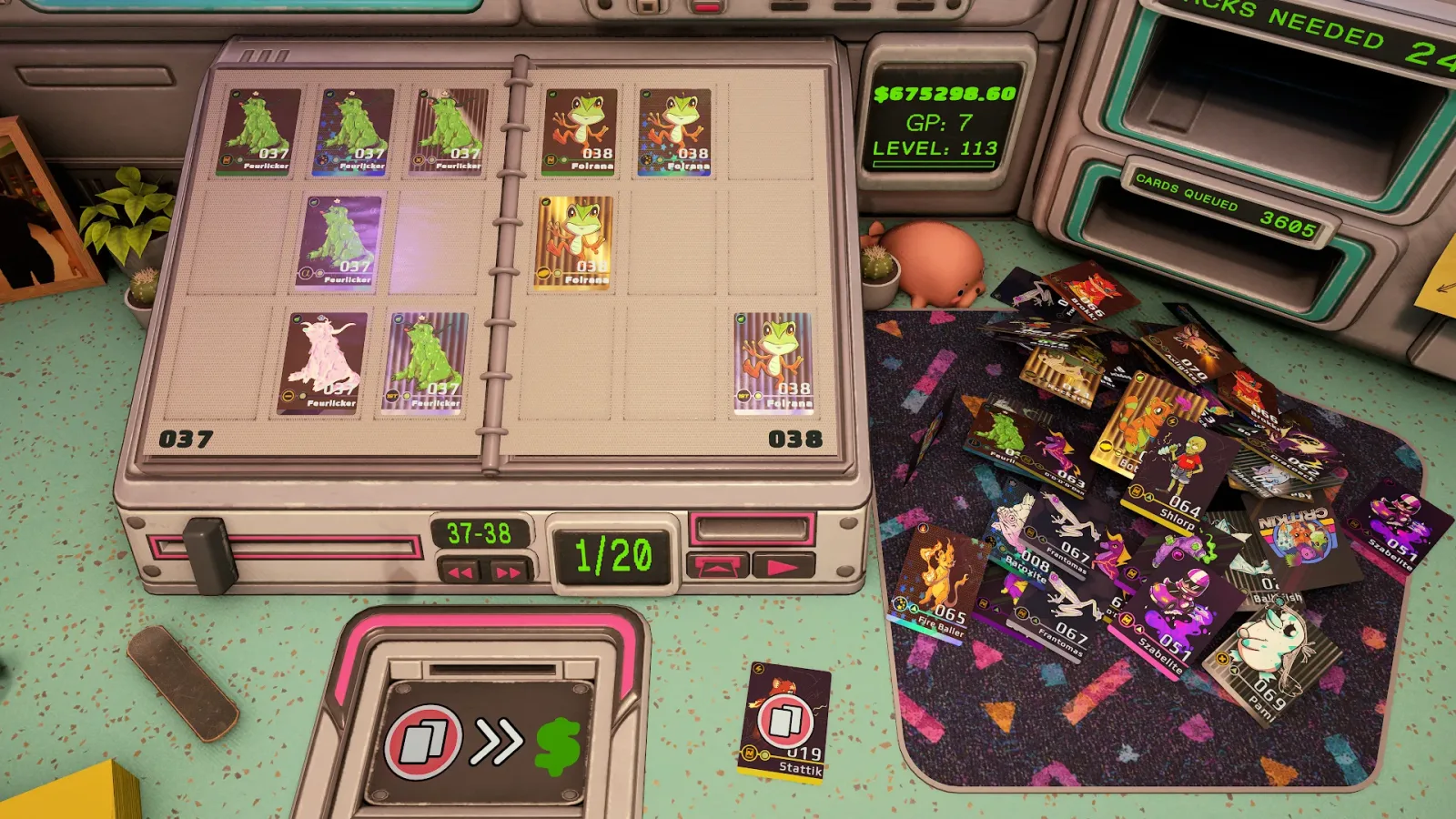
At the center of the experience is an endless stream of packs. Early on, players handle the process directly: tear open a pack, look through its contents and place the cards into the appropriate binder slots. That manual interaction is important to the game's initial rhythm, preserving the tactile idea of opening a fresh pack instead of reducing the entire process to a menu or number going up in the background.
For useful background on this topic, read Goblin Cleanup Sails Into Black Bay With Pirate Dungeon Update and Deluxe Edition.
As a collection grows, however, repetition becomes part of the progression system. Duplicate cards can be sold, creating the money needed to improve the player's setup. Filing cards also awards XP and Gadget Points, resources that can be invested in upgrades for a retro-futuristic workstation. The result is a loop where every card has at least some value: a needed card advances the binder, while a duplicate can support further expansion.
That structure should be especially familiar to players who enjoy incremental games. A modest beginning gives way to better tools, increased efficiency and a steadily more capable operation. The emphasis is not on rushing to an ending, but on improving the process that produces the collection. Every upgrade has the potential to make the next stretch of pack-opening easier, faster or more automated.
There is also a practical appeal to making duplicates useful. Collectible card games and card-opening simulators can make repeated pulls feel disappointing once a player has seen the same card several times. Here, unwanted cards feed directly back into the economy. The duplicate is not simply a failed result; it is part of the route toward a stronger workstation and more opportunities to uncover missing cards.
For another perspective on this story, read Rip It! Card Collector Launches on Steam With 1,809 Cards.
From ripping packs by hand to a customized Rip Rig
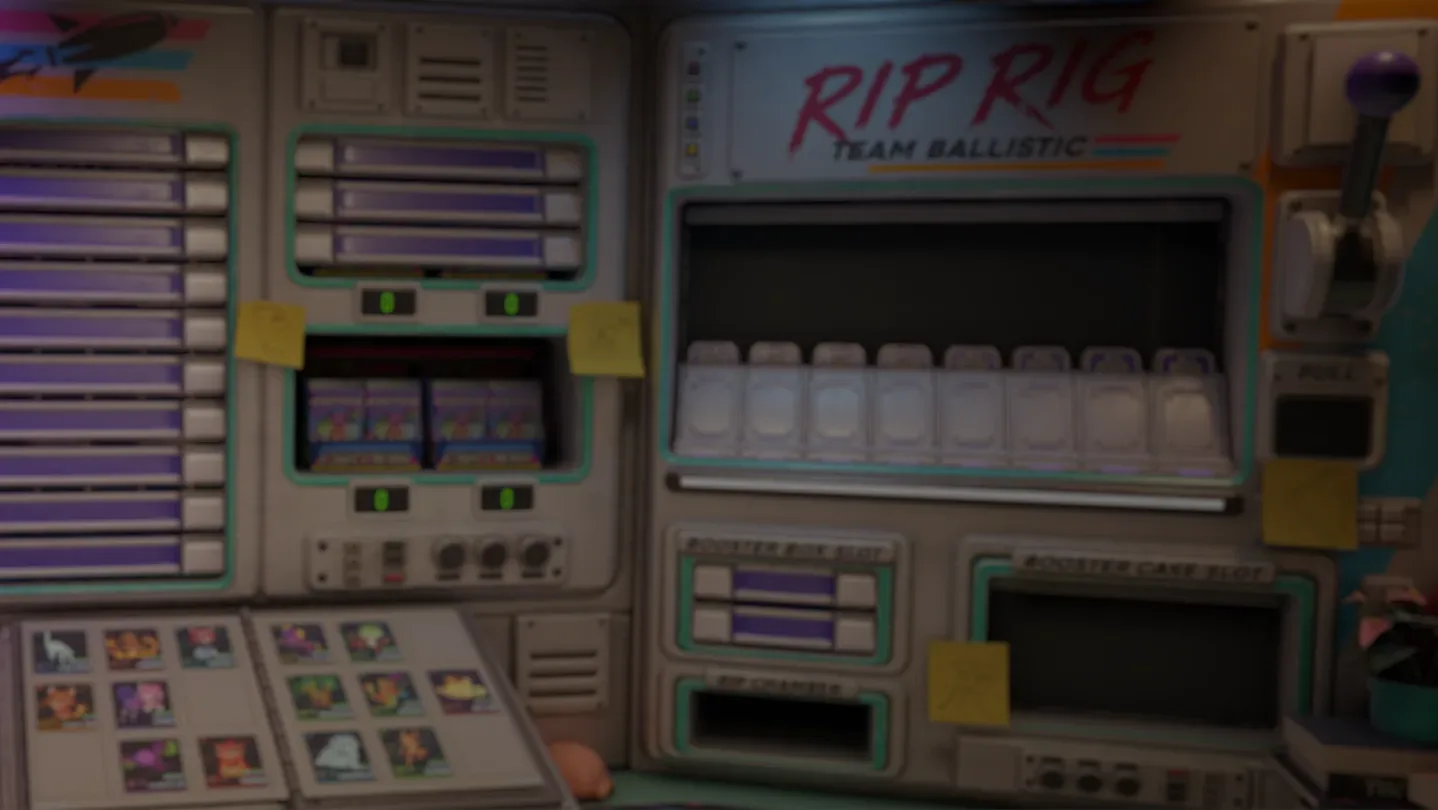
The game's automation is framed through a device called the Rip Rig. Players begin by personally opening and slotting cards, but upgrades can unlock ways to delegate work to the workstation. One of the listed abilities allows entire cases to be loaded into the machine, while other improvements allow cards to be processed automatically.
This transition from hands-on collection to machinery is a key part of the game's identity. It lets players choose how closely they want to engage with each stage of the loop. Someone who enjoys the act of manually sorting through each fresh pack can continue to do so, while someone focused on broader collection goals can build toward a more self-sustaining system.
The retro-futuristic presentation of the workstation gives that automation a more tangible role than a basic efficiency menu. Rather than simply selecting a percentage bonus from a list, players are upgrading the place where their collection is handled. Gadgets become tools for changing the scale of the card-opening operation, transforming a small personal binder project into something closer to a compact card-processing workshop.
The XP and Gadget Point systems tie that growth to regular play. Slotting cards is not merely binder maintenance; it is also an action that contributes to future upgrades. In other words, the ordinary routine of collection supports both immediate completion progress and the longer-term goal of building a better Rip Rig.
1,809 cards and a reason to keep looking
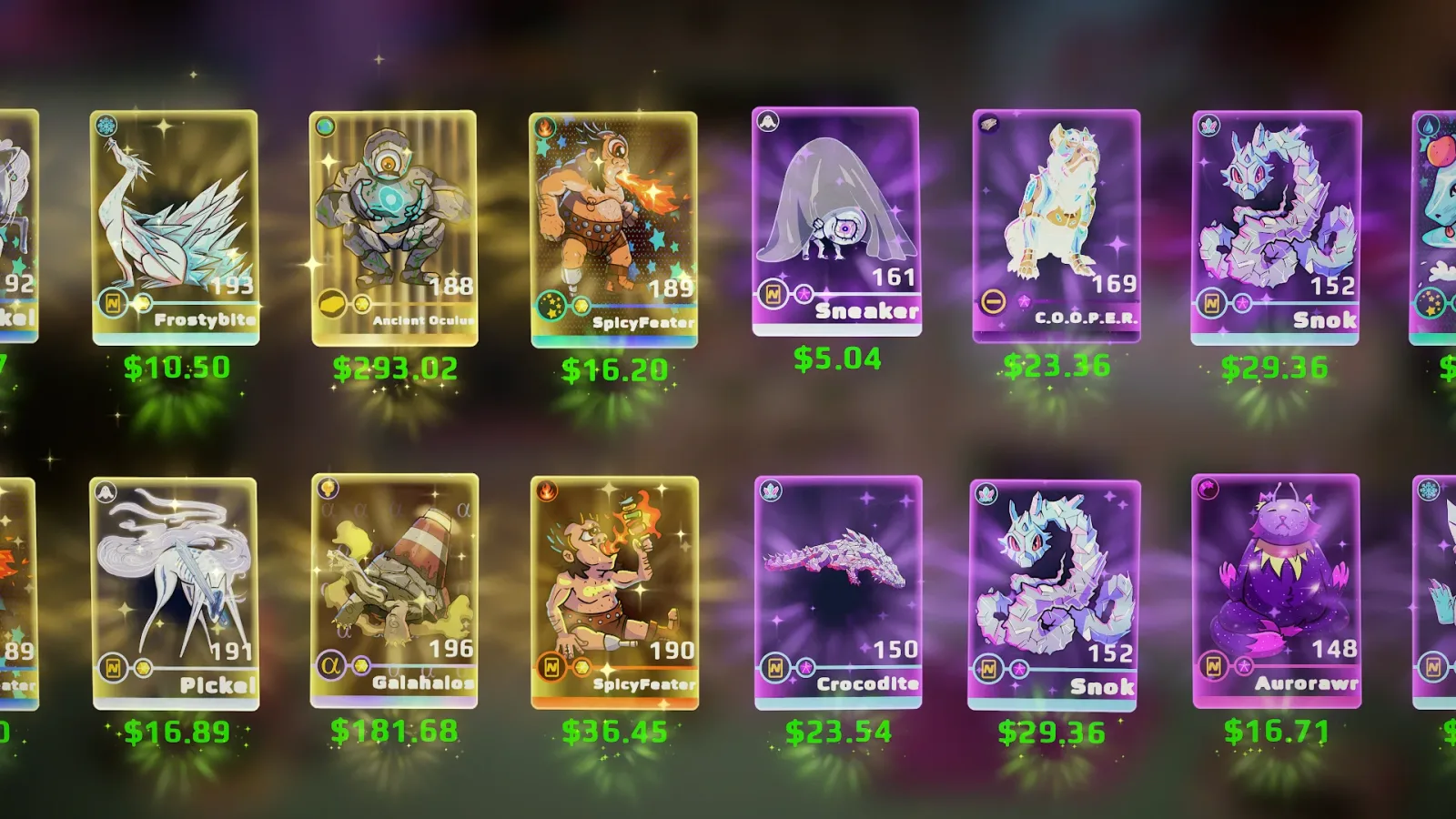
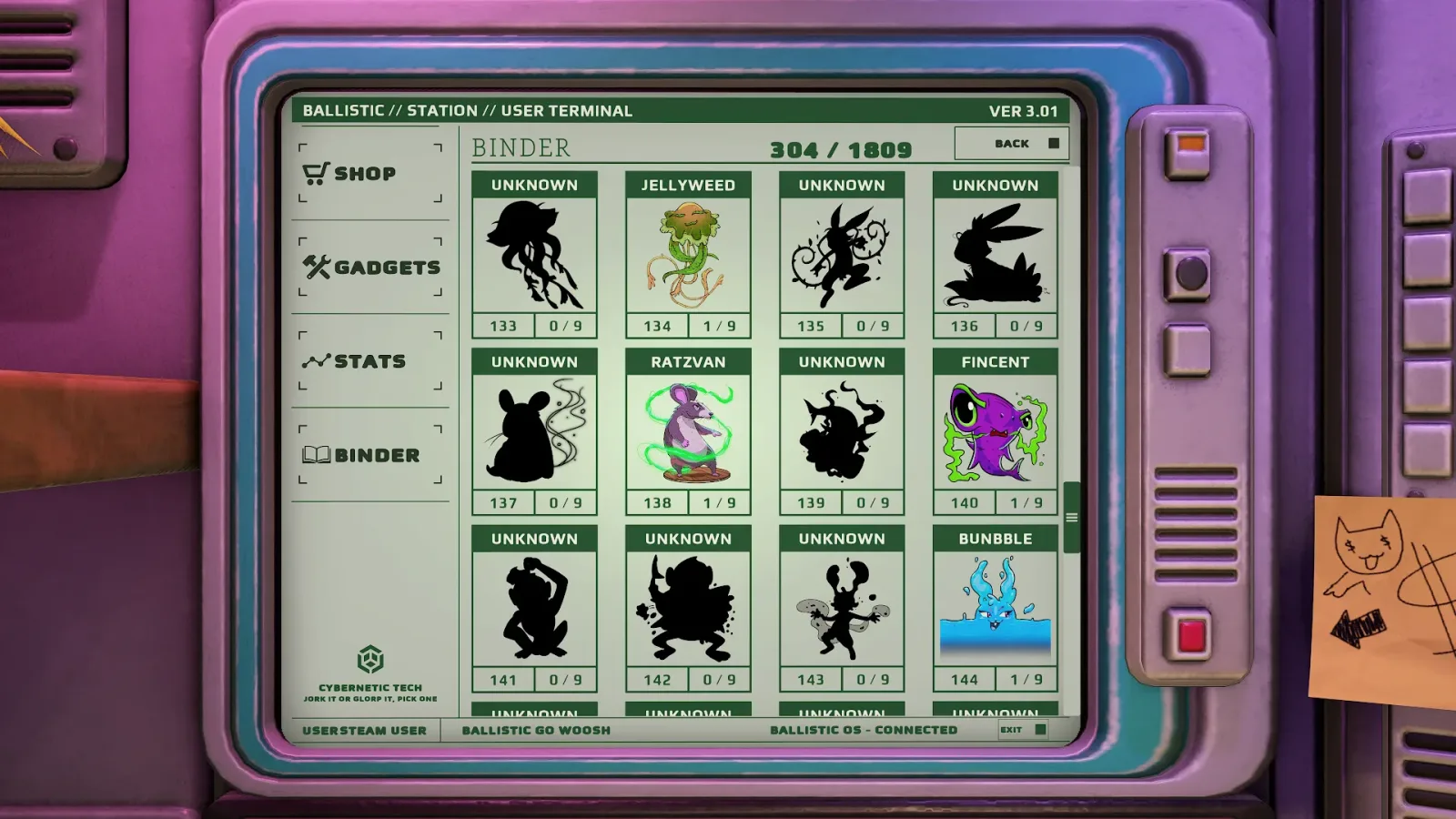
A total of 1,809 cards gives Rip It! Card Collector a substantial catalog to pursue. The game's hand-drawn art is a defining element of that catalog, positioning the cards as objects worth browsing and cataloging rather than anonymous collectible entries. For completion-minded players, the binder offers a visible record of what has been found and what is still absent.
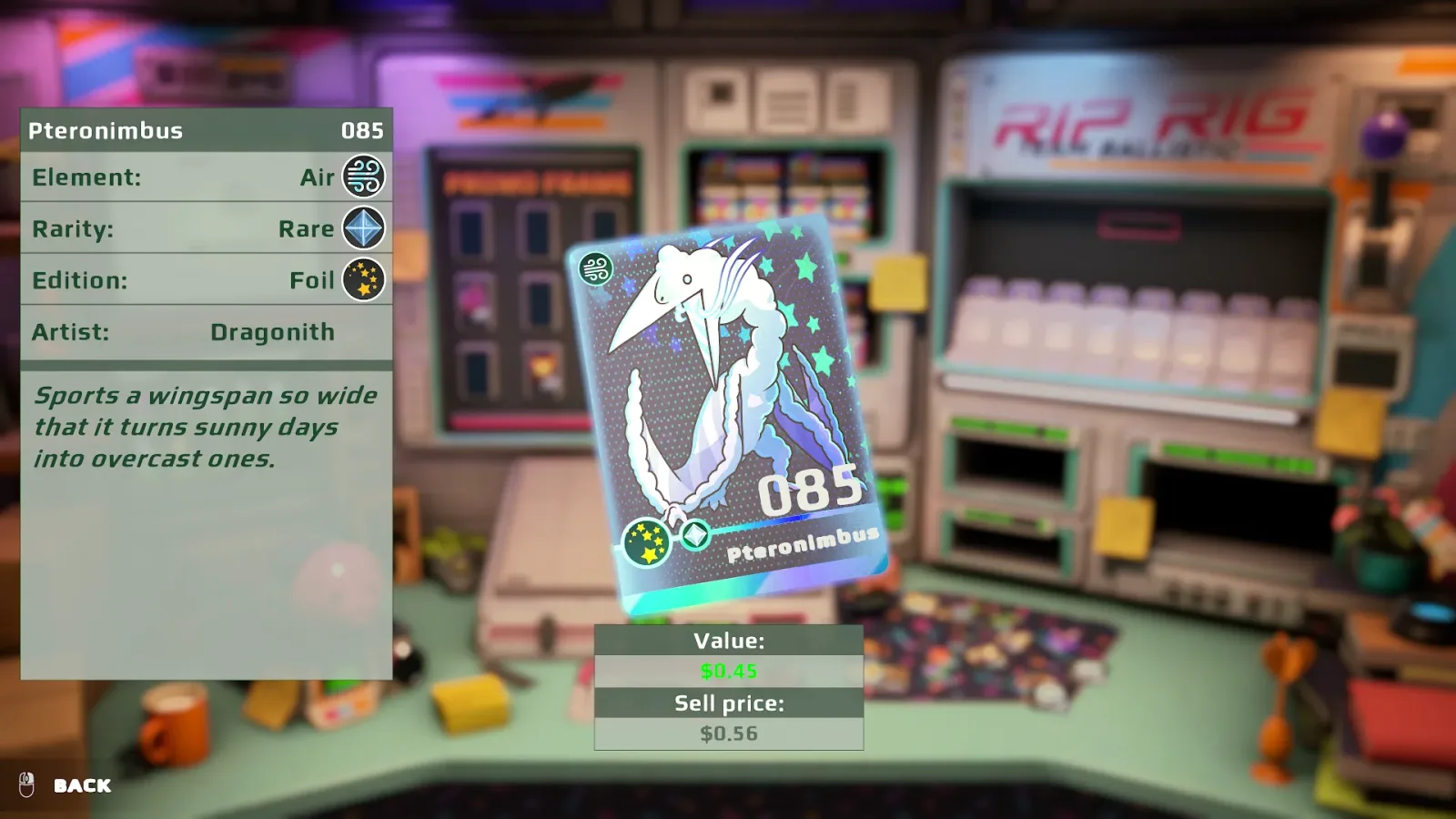
Not every card will be equally easy to uncover. The game includes ultra-rare editions as well as foils, metallics and special promos, providing multiple kinds of desirable pulls. Those classifications create room for the classic excitement of a pack yielding something more unusual than the standard result, while also giving dedicated collectors targets beyond simply finding one copy of every base card.
Players who are missing a particularly stubborn card are not limited solely to opening more packs. Rip It! Card Collector includes a Black Market, which can be used to search for elusive additions to the binder. The feature offers another path for closing gaps in a collection and may be particularly useful when a desired rare, variant or promo refuses to appear through normal pulls.
That option matters in a game centered on a large checklist. Purely random collecting can be exciting, but it can also leave progress at the mercy of luck. A marketplace system creates a complementary approach: packs remain the heart of the game, while the Black Market provides a directed method for pursuing specific missing cards. Together, the two systems give the player both the surprise of random pulls and a means of working toward a chosen goal.
A deliberately pressure-free incremental game
Cybernetic Walrus describes the experience as one with no timers or pressure. That detail establishes the tone of the game as clearly as the pack-opening mechanic does. There is no stated need to race against a clock, maintain a competitive ranking or meet a daily deadline. Players can settle into the routine at their own pace, whether that means opening a few packs manually or spending a longer session refining their automated setup.
This approach makes the game a natural fit for players looking for a lower-intensity alternative to competitive card games. There is still progression, rarity and the possibility of a coveted pull, but the focus remains on personal collection goals. The tension comes from wondering what might be inside the next pack, not from trying to outplay another person under time pressure.
Its pacing also complements the incremental framework. Automation games often reward steady, patient advancement, and the card-collecting theme gives that advancement a clear visual payoff. As the workstation improves, the binder itself should continue to become more complete. The reward is not only more efficient processing, but also a growing archive of illustrated cards and increasingly uncommon variants.
Rip It! Card Collector combines endless pack opening, binder management, duplicate selling and workstation upgrades in a collecting-focused loop built to be played without a deadline.
Available now for PC players on Steam
Rip It! Card Collector has launched on Steam for PC. Its $6.99 USD list price places it in the budget range, and the launch promotion reduces that price by 10% for a limited time. Regional listed prices are £5.69 GBP, EUR6.79 EUR and ¥25 CNY.
For players who enjoy sorting, collecting and slowly optimizing a repeatable system, the game's concept is easy to grasp: open packs, preserve the cards worth keeping, convert duplicates into progress and keep improving the equipment that powers the entire operation. The 1,809-card collection provides the long-term target, while rare variants and the Black Market add extra avenues to pursue once the most obvious binder gaps begin to close.
With a mix of manual pack handling and optional automation, Rip It! Card Collector is designed to let players decide how involved they want each session to be. They can stay close to the ritual of every rip and every binder slot, or build toward a Rip Rig capable of doing much of the sorting work on its own. Either way, the next unopened pack remains the central promise: the collection might be one card closer to complete.
Community
Discussion
Start the conversation.
No comments have been posted yet.