

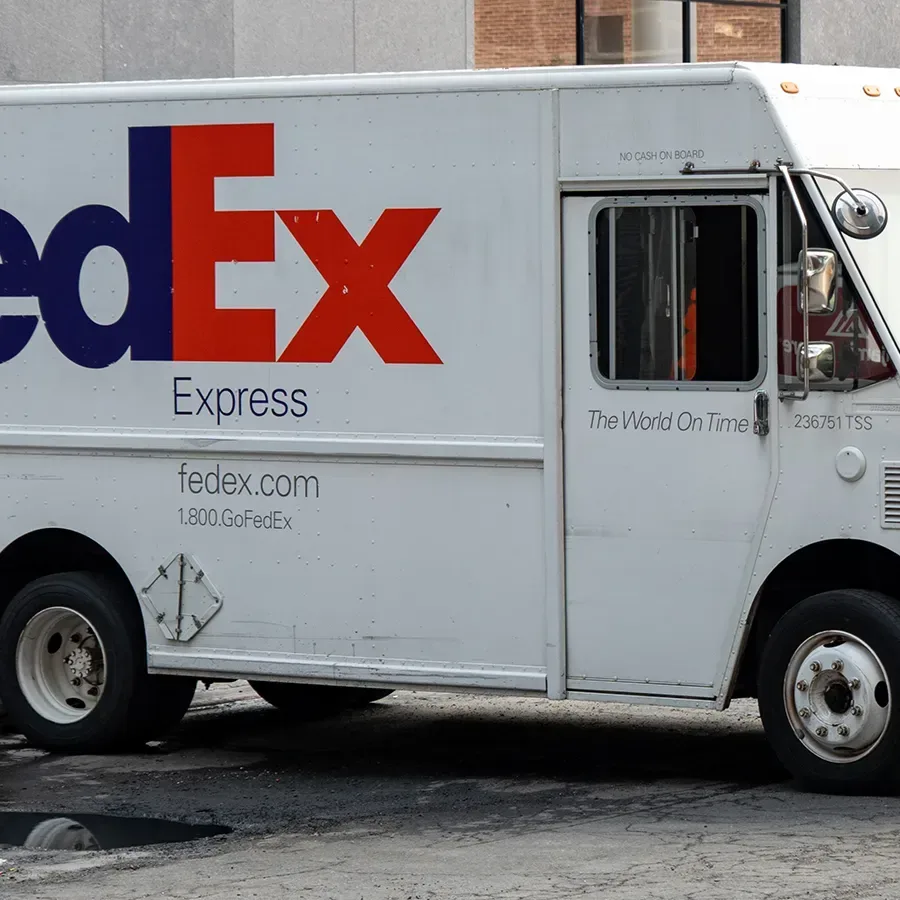
A major theft involving collectible trading cards near PSA's Santa Ana, California headquarters could ultimately total more than $1 million, based on the latest estimate from local police. Authorities say thieves took multiple pallets of packages from a FedEx truck on October 13, including shipments containing sports cards and Pokémon cards that had been moving through the professional grading ecosystem.
Santa Ana police have placed the value of two of the stolen pallets at approximately $963,000. A third pallet was also taken, carrying an estimated 50 additional packages, but investigators have not yet assigned a value to that portion of the theft. With that outstanding valuation still to come, the total loss is expected to rise beyond the already staggering figure attached to the first two pallets.
The case has drawn particular attention across the card-collecting community because PSA, short for Professional Sports Authenticator, is among the best-known names in card grading. For collectors, sending cards for authentication and condition grading can involve entrusting rare, sentimental, and potentially extremely valuable pieces to a multi-step shipping process. The incident has therefore reignited concerns about custody, insurance, package handling, and the risks attached to a market where individual cards can command four-, five-, or even six-figure prices.
Embedded X/Twitter post
How the Santa Ana theft reportedly happened
The burglary took place outside PSA's Santa Ana headquarters. Police indicated that a FedEx driver had left the vehicle parked nearby for an estimated 60 to 90 minutes. During that window, the truck's lock was reportedly broken, allowing the thieves to remove packages stored inside.
For useful background on this topic, read Nintendo's Physical Media Messaging Draws Attention as PlayStation Plans Disc Production Exit.
Investigators say the stolen shipment included two pallets containing around 100 packages, in addition to the third pallet of roughly 50 packages. The estimated $963,000 figure applies to the first two pallets only. Police have not provided a final total for all of the stolen cards, nor have they established an exact inventory of every item inside the missing shipments.
The Santa Ana Police Department described the contents as a mix of trading cards, including both sports cards and Pokémon cards. That broad description matters because the theft is not limited to a single hobby category. Modern Pokémon releases, vintage Pokémon cards, autographed sports cards, rookie cards, limited-print inserts, and other collectibles can all vary wildly in value depending on condition, scarcity, authentication, and current market demand.
As a result, assigning a reliable price to a pallet of collector submissions is not as straightforward as totaling retail products. Some packages may contain modest submissions intended for personal collections. Others may hold a small number of cards worth thousands of dollars each. Grading can further complicate valuations, since a card's market price may change dramatically depending on the numerical grade it receives after inspection.
Collectors raised alarms after PSA notifications
The incident became widely discussed in mid-October after collectors said they received messages from PSA explaining that a FedEx truck carrying their cards had been burglarized. One collector using the screen name SKY-B became a prominent voice in the subsequent discussion, saying that cards worth more than $100,000 had been lost.
SKY-B said the collection had been personally delivered to PSA at a card show before entering the grading pipeline. That detail underscored the frustration felt by affected customers: even when collectors avoid sending high-value cards through ordinary outbound shipping themselves, their submissions can still be transported between locations as part of the grading and return process.
For many people in the hobby, cards are not simply inventory or speculative assets. They may be items collected since childhood, gifts from family members, reminders of a favorite athlete or game, or exceptionally difficult pieces to replace regardless of their appraised cash value. A refund can help address a financial loss, but it cannot necessarily restore the precise card, its history, or the emotional value attached to it.
PSA has acknowledged that collectors affected by the incident may view their cards as much more than financial assets.
The high-profile nature of some missing submissions also illustrates a broader issue in the modern collectibles market. Trading cards are now frequently treated as valuable property requiring specialized insurance, chain-of-custody tracking, tamper-resistant packaging, and authentication records. Pokémon, in particular, has grown far beyond a traditional tabletop card game into a vast collector market with valuable vintage pieces, high-end promotional cards, tournament prizes, and modern chase cards.
PSA says it will refund affected customers
PSA has said it intends to refund impacted customers based on the fair market value of their cards, up to the Maximum Insured Value. The company also said it has deactivated the certificates tied to the stolen items and is cooperating with FedEx and law enforcement as the investigation continues.
Certificate deactivation is a significant measure in a hobby where graded cards are often sold with serial-numbered certification information. If a card with a deactivated certification number appears on a marketplace, at a show, or in a private sale, prospective buyers may have a way to identify it as connected to the theft. That does not guarantee recovery, particularly if cards are removed from their holders, altered, or moved through informal channels, but it can make reselling identified graded items more difficult.
There are still important unanswered questions for customers, including how individual market values will be assessed and how the Maximum Insured Value will apply to each submission. Card values can fluctuate sharply, especially around major sports performances, new Pokémon Trading Card Game releases, or sudden social-media attention. A card's value before grading may also differ substantially from what its owner believes it could have been worth in a favorable grade.
PSA's stated approach focuses on fair market value rather than hypothetical future value. That distinction may prove consequential for cards that were awaiting grading at the time of the theft. In the collector market, an ungraded card, a mid-grade copy, and a top-condition copy can occupy entirely different price tiers. The final treatment of individual claims will likely be watched closely by hobbyists whose missing cards had not yet received a completed PSA grade.
FedEx and police continue their investigation
FedEx has said that the security of customer shipments is a priority and that it is working with local law enforcement on the investigation. No final accounting of the stolen property has been announced, and the investigation remains ongoing.
Police have encouraged anyone with information about the burglary to contact the Santa Ana Police Department. At this stage, authorities have not publicly identified suspects or detailed whether any packages, pallets, cards, or other evidence have been recovered.
The apparent scale of the theft will likely make the cards difficult to move openly, particularly for items that can be connected to PSA certification records. However, trading cards are physically small, widely collected, and sold through numerous channels, from large online marketplaces and local card shops to conventions, social-media sales, private collector groups, and informal cash transactions. Those characteristics can make recovery efforts complicated even when the items involved are highly recognizable.
Collectors and dealers may therefore be especially alert for unusually valuable cards with questionable provenance, altered grading holders, or certification numbers that no longer appear valid. At the same time, buyers should avoid making assumptions about individual sellers or cards without verified information from authorities or the grading company. An active investigation requires evidence, and public speculation can complicate efforts to identify the people responsible.
A warning sign for the grading and collectibles pipeline
The theft arrives at a time when grading services occupy a central role in card collecting. Authentication and condition grading can establish trust between buyers and sellers, protect cards in sealed holders, and greatly influence resale prices. But the system also creates logistical pressure: large quantities of valuable cards must travel between collectors, convention intake locations, grading facilities, storage areas, and return-shipping networks.
For collectors, the Santa Ana incident is a reminder to carefully document submissions before handing them over or shipping them. Clear photographs, detailed card lists, declared values, copies of submission forms, insurance information, and records of certification numbers can all be useful if a dispute, loss, or theft occurs. Those measures cannot eliminate risk, but they can help establish ownership and support an eventual claim.
It also emphasizes the importance of understanding the difference between a card's personal value, an advertised asking price, a past auction result, and a defensible fair market value. In a fast-moving hobby, those figures are not always the same. Collectors who insure or submit major cards may want to review coverage limits and how their service provider handles raw cards, graded cards, shifting market prices, and shipments handled by third parties.
For now, the central facts remain stark: thieves allegedly breached a parked delivery truck near PSA's Santa Ana headquarters and took about 150 packages across three pallets. Two of those pallets have been valued at roughly $963,000, while the remaining pallet has not yet been priced. Until investigators complete that work, the full financial impact remains unknown--but it already ranks as an extraordinary loss for the trading-card community.
Community
Discussion
Start the conversation.
No comments have been posted yet.