

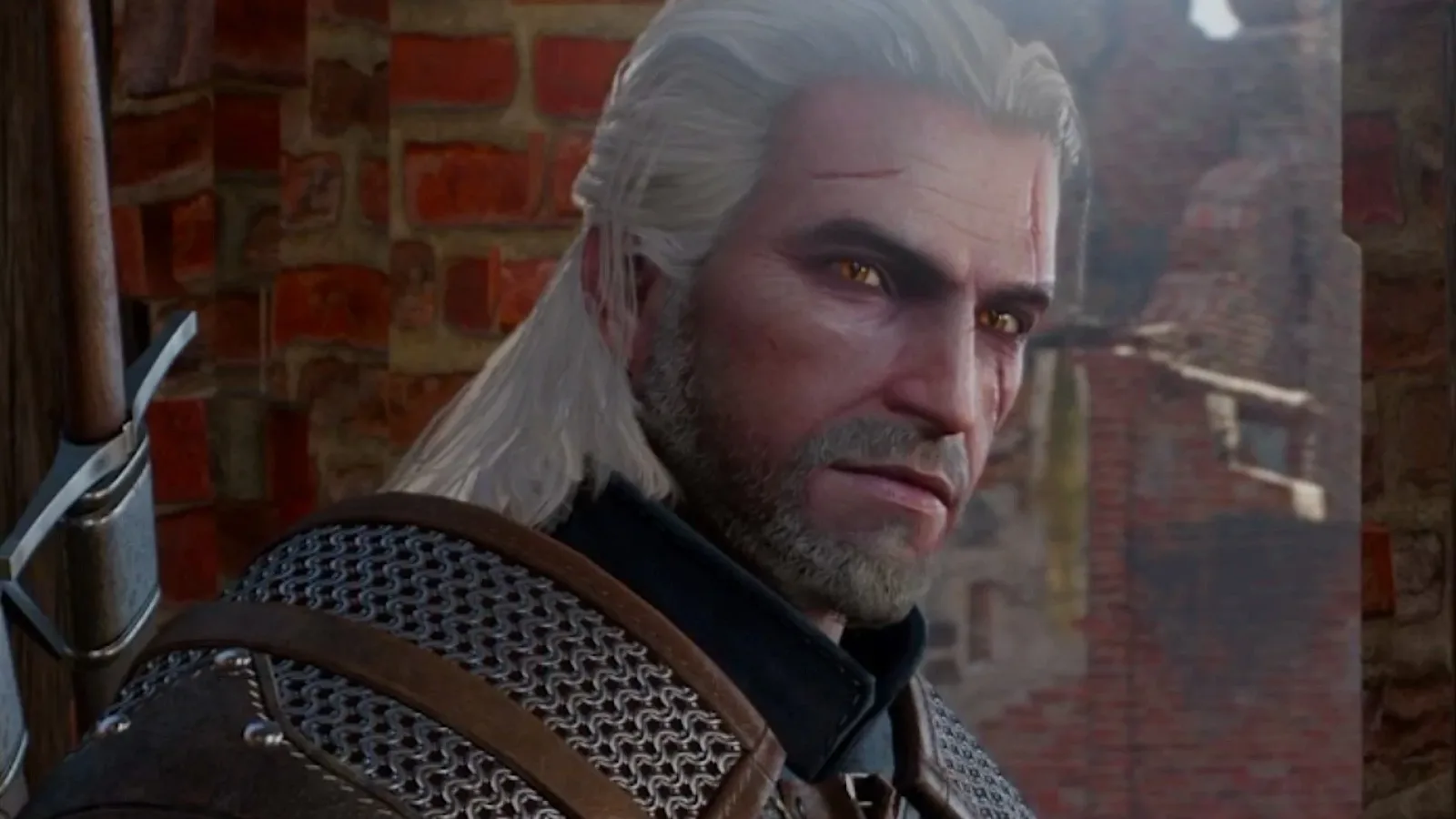
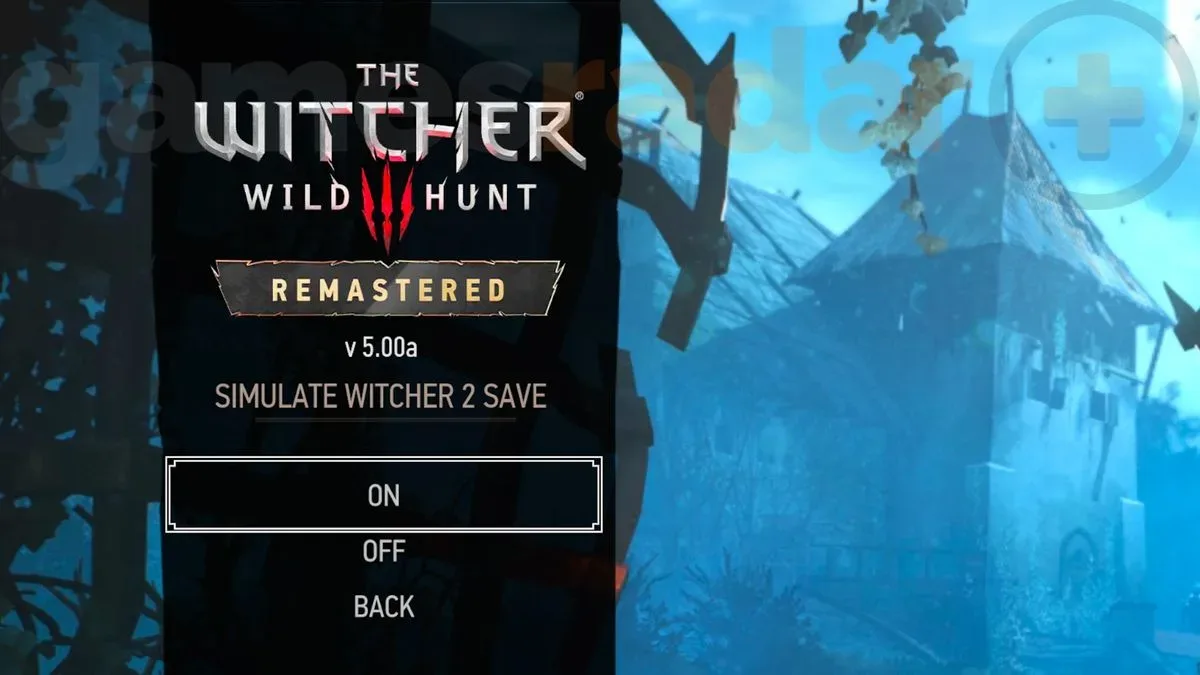
Starting The Witcher 3 Remastered can bring an unexpectedly weighty decision before the adventure has properly begun: whether to simulate a save from The Witcher 2: Assassins of Kings. It is an easy menu prompt to dismiss, especially for players who never played Geralt's previous game. However, the choice is more meaningful than it may initially appear.
Save simulation determines a set of prior story outcomes from The Witcher 2. Those outcomes shape dialogue, references to Geralt's past, the fate of several returning figures, and, most importantly, whether one character can appear in a questline during The Witcher 3. Players with an existing Witcher 2 save can import it, allowing their actual past choices to carry forward. Everyone else can still define a version of those events through the simulation setting.
For most players, the best answer is straightforward: turn Witcher 2 save simulation on. Doing so gives you control over the history that The Witcher 3 recognizes, even if this is your first time playing any Witcher game. More importantly, it provides access to content that is unavailable under the game's default world state.
This guide contains spoilers for major decisions and character outcomes in The Witcher 2. It avoids spoilers for the central story of The Witcher 3.
For useful background on this topic, read The Witcher 3 Remastered Keeps Its Beloved Low-Poly Pigeons.
What does simulating a Witcher 2 save do?
Save simulation lets The Witcher 3 ask Geralt about selected events from the previous game. Rather than presenting a checklist immediately at the start, the game works those questions into a conversation during Geralt's visit to Emperor Emhyr's palace in Vizima. The result is a more natural way to choose a backstory: Geralt recounts what happened, and the answers establish the continuity for the current playthrough.
The setting exists because The Witcher 3 is a sequel, but it was also designed to welcome newcomers. You do not need prior save data, detailed knowledge of the Northern Kingdoms, or a completed Witcher 2 run to use it. The questions allow a new player to select a history for Geralt without needing to replay an older RPG first.
Some consequences are subtle. A decision may change a line of dialogue, a mention of a political event, or whether somebody is referred to as alive or deceased. Other consequences are more tangible, affecting who Geralt can encounter and whether optional content is available. That distinction is why the simulation option is worth enabling even for people who are unconcerned with importing an exact personal canon.
Importing a save versus simulating one
There are two related but different approaches for players coming from The Witcher 2.
- Importing a save transfers the decisions made in a compatible completed Witcher 2 save. This is the right choice for anyone who wants their original version of Geralt's journey to continue as closely as possible.
- Simulating a save gives players a chance to choose key decisions through dialogue in The Witcher 3. It is useful for newcomers, for those who no longer have old save data, and for returning players who want to create a different continuity.
Importing is the more personal route if you have the save and remember the choices you made. Simulation is the more flexible route. Neither approach requires players to memorize every detail of the second game, and the choices do not demand that newcomers understand all the political context before answering.
If you have never played The Witcher 2, treat the conversation as an opportunity to decide what kind of past you want Geralt to have. You can make selections based on instinct, role-playing preference, or the desire to meet as many characters as possible. There is no need to regard the options as a test with one universally correct political answer.
Why turning simulation on is generally the better choice
Disabling the setting does not erase the broader plot of The Witcher 3 or make the game incomplete in a general sense. Geralt's main journey still proceeds. But it does lock the game into a particular default set of Witcher 2 outcomes, including one decision that removes an optional character and that character's associated quest content.
With simulation enabled, you can make those calls yourself. This has two major advantages. First, it gives your playthrough more personality. Geralt is a character with a complicated history, and deciding how he handled some of its defining moments can make conversations in The Witcher 3 feel more connected to that history.
Second, it prevents the default state from automatically closing off a questline. Even players who only care about seeing as much of The Witcher 3 as possible should use simulation for this reason. The crucial decision is saved for the final question in the Vizima discussion.
The Letho decision is the most important one
The biggest practical consequence concerns Letho. In the final relevant question, players decide whether Letho is alive or dead. If you want Letho to appear in The Witcher 3 and want access to his quests, choose the answer that establishes that Letho survived.
If Letho is considered dead, his content is skipped entirely. That does not derail the main campaign, but it does mean missing a section of side content and a returning character connection. Because the choice is so consequential relative to the other imported decisions, it is the main reason the default setting is not ideal for players hoping to experience everything available in The Witcher 3 Remastered.
For the broadest Witcher 3 experience, enable save simulation and make sure the Vizima conversation establishes that Letho is alive.
Players who completed The Witcher 2 and knowingly chose an outcome that led elsewhere may still prefer to honor their original save. That is the appeal of continuity. But for a fresh playthrough, or for anyone making choices strictly around available content, keeping Letho alive is the recommended path.
What happens if save simulation is turned off?
Turning simulation off tells The Witcher 3 to use its preselected world state. This is not a randomized or neutral arrangement. It is a defined set of outcomes from The Witcher 2, and it includes the following decisions:
- Aryan La Valette is alive.
- Henselt is dead.
- Anais was saved.
- Síle de Tansarville died.
- Letho was killed.
Several of these choices primarily influence background continuity and dialogue. The final one is the major gameplay concern: with Letho dead in this default state, his Witcher 3 questline cannot occur.
This means the setting is not really about whether a player wants to engage with every scrap of Witcher lore. It is partly about content access. Leaving simulation off is perfectly valid for someone who wants a quick start and is happy with the game's default version of the past. Still, it offers less agency and ensures that Letho's material will not be part of the run.
A newcomer-friendly way to answer the Vizima questions
New players should not feel pressured to research every name before reaching Vizima. The point of save simulation is to provide a bridge between games, not a barrier to starting The Witcher 3. Listen to the dialogue, pick the outcomes that feel appropriate for your version of Geralt, and remember the one choice with clear content implications: Letho must be alive if you want to meet him later.
It can also help to think of the questions in two categories. The first category covers political and personal outcomes that help establish the background of Geralt's earlier travels. Those answers are largely role-playing decisions. The second category is the Letho question, where the answer has a direct effect on an optional storyline. You can safely approach the earlier choices as character-building while making an informed decision on the last one.
The bottom line
Set "simulate Witcher 2 save" to On unless you specifically want The Witcher 3 Remastered's default history. If you own a Witcher 2 save and want to preserve your original decisions, import it instead. If you do not have one, simulation gives you a meaningful say in Geralt's past without requiring previous experience with the series.
Most of the selected outcomes add flavor, continuity, and changing references rather than radically redirecting the main narrative. But the Letho choice has a more concrete result. Keeping him alive allows his Witcher 3 content to appear; accepting the default state, or selecting his death in simulation, means that content is absent.
For players beginning their first monster-hunting journey, that makes the recommendation simple: enable simulation, choose the past that suits your Geralt, and keep Letho alive if you want to avoid missing an optional questline.
Community
Discussion
Start the conversation.
No comments have been posted yet.