

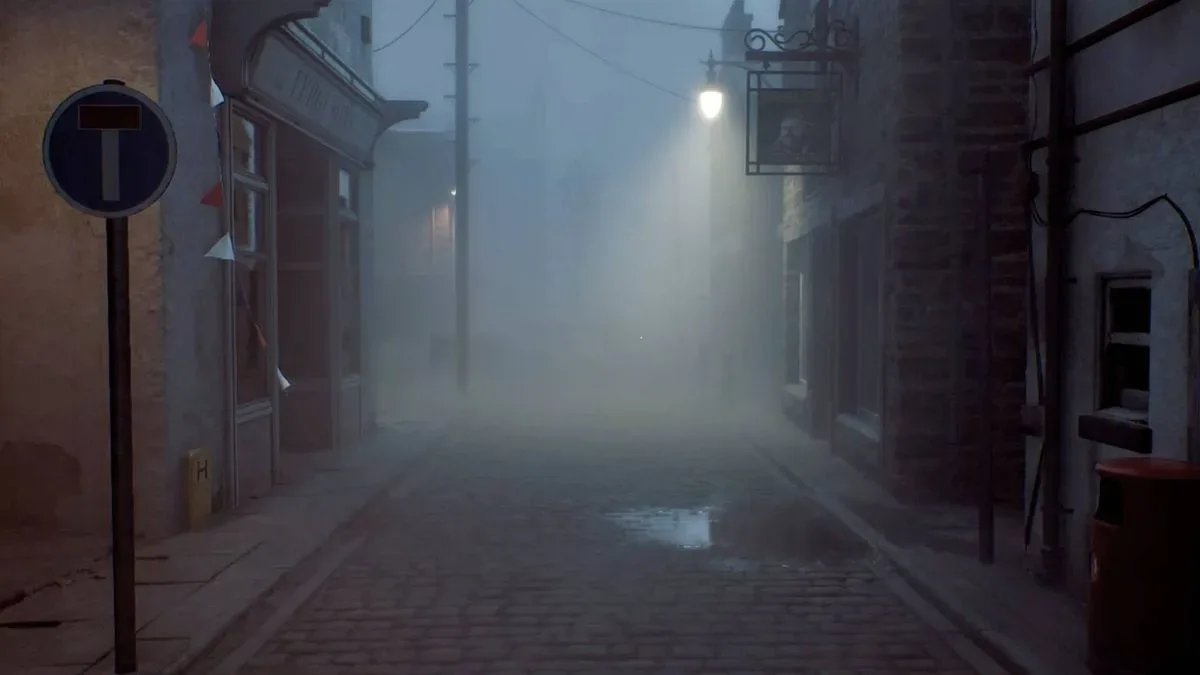
Silent Hill: Townfall is the kind of horror game that does not simply aim for a sudden shock before letting players recover. It wants discomfort to linger. It builds its tension patiently through foggy streets, distant metallic noises, ugly glimpses of things moving where they should not be, and the persistent feeling that its central mystery is leading somewhere no one should want to go.
Developed by Screen Burn Interactive and published by Konami, Townfall arrives on September 24, 2026, for PC, PlayStation 5, and Xbox Series X. It takes the series away from its familiar American town and into St Amelia, a small Scottish coastal community in the early 1990s. That move is more than a cosmetic change. It gives the game a distinct identity while preserving the emotional and psychological territory that makes Silent Hill work.
The result is an outstanding, frequently frightening survival-horror experience. Its blend of stealth, investigation, puzzles, oppressive sound design, and remorse-driven storytelling makes it one of the most memorable entries attached to the Silent Hill name in years. However, players should be prepared for a relentlessly punishing pace. Some of Townfall's best ideas push tension to extraordinary heights; others can drag that tension beyond the point where it remains enjoyable.
A coastal nightmare built on uncertainty
Players take the role of Simon Odell, who arrives in St Amelia with no clear understanding of why he is there or even what, exactly, has drawn him into the town. It is an effective setup for a Silent Hill protagonist. Simon begins as a relative blank slate, learning about the place alongside the player and gradually finding that every partial answer creates more disturbing questions.
For useful background on this topic, read Crash Bash Online Brings PS1 Party Battles to Browsers.
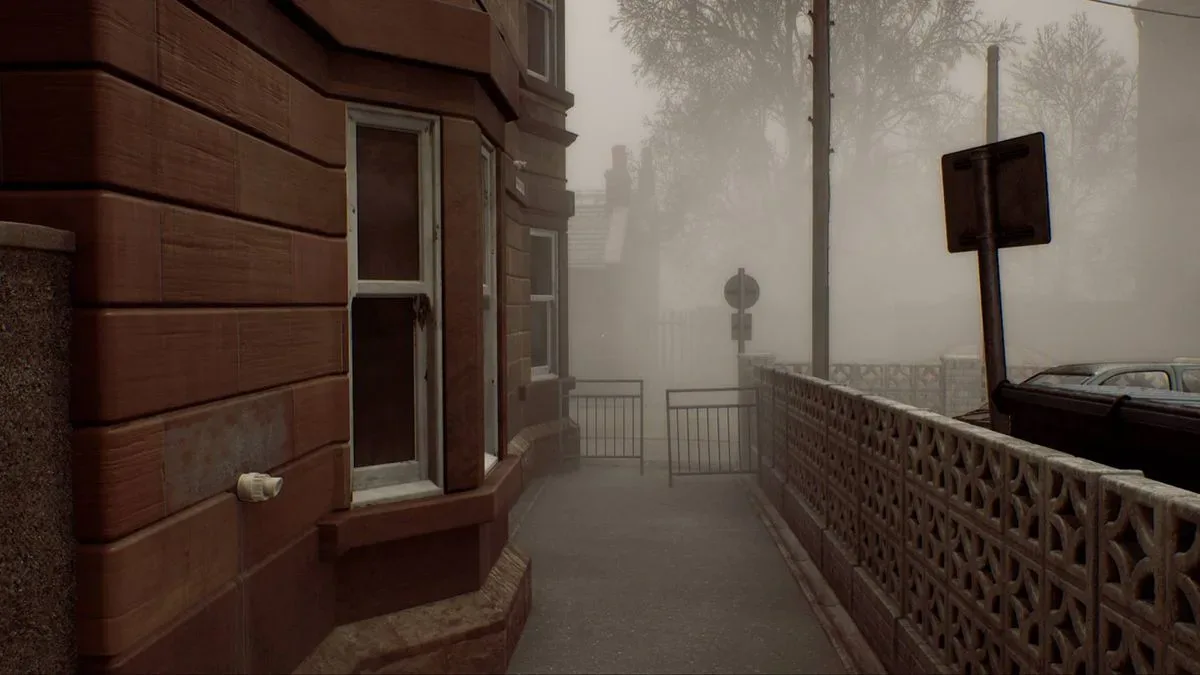
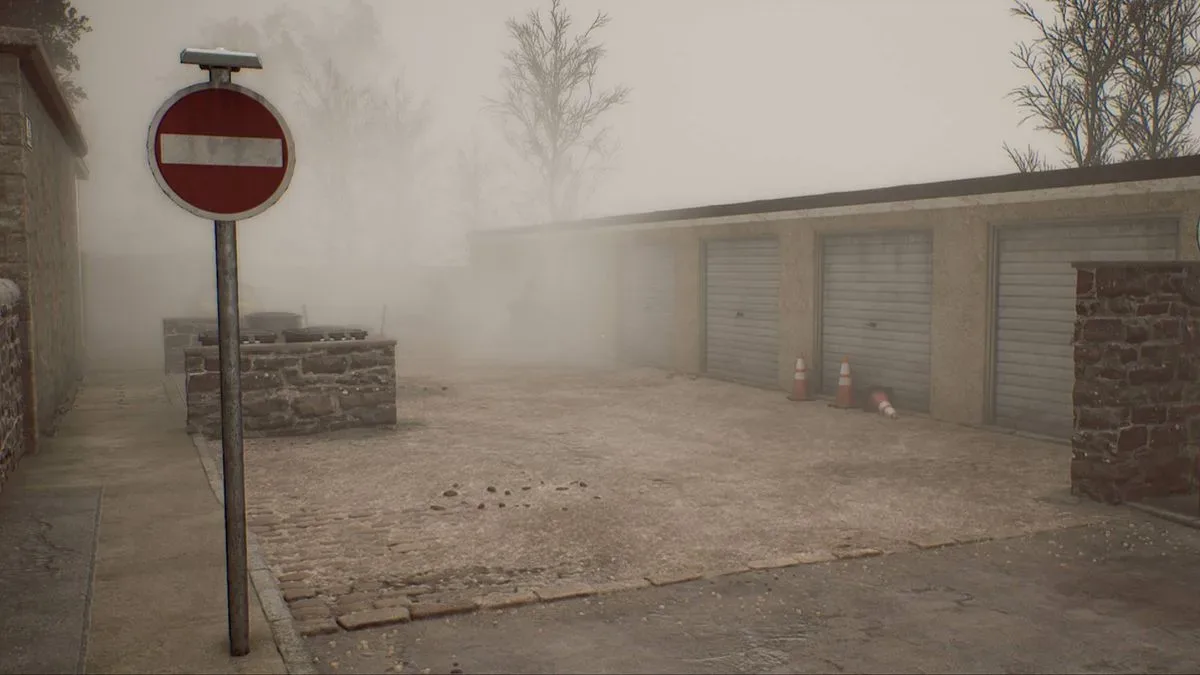
The early game is especially effective. Exploring rain-dampened streets beneath heavy fog, passing period-appropriate shops and housing estates, and watching for movement beyond the narrow circle of visibility creates a wonderfully isolated mood. St Amelia feels recognizably Scottish, but its depiction of early-1990s urban life and coastal decay has a wider resonance. There is a tactile sense of cold salt air, neglected concrete, wet pavement, and abandoned public spaces.
Townfall understands that horror does not require constant action. Some of its strongest stretches involve very little happening in mechanical terms. Walking through a deserted street or entering an uncomfortable interior can be gripping simply because the environments are so carefully composed. The game lets players sit in that unease long enough for their imagination to become an active threat.
The CRTV brings a clever new twist to detection
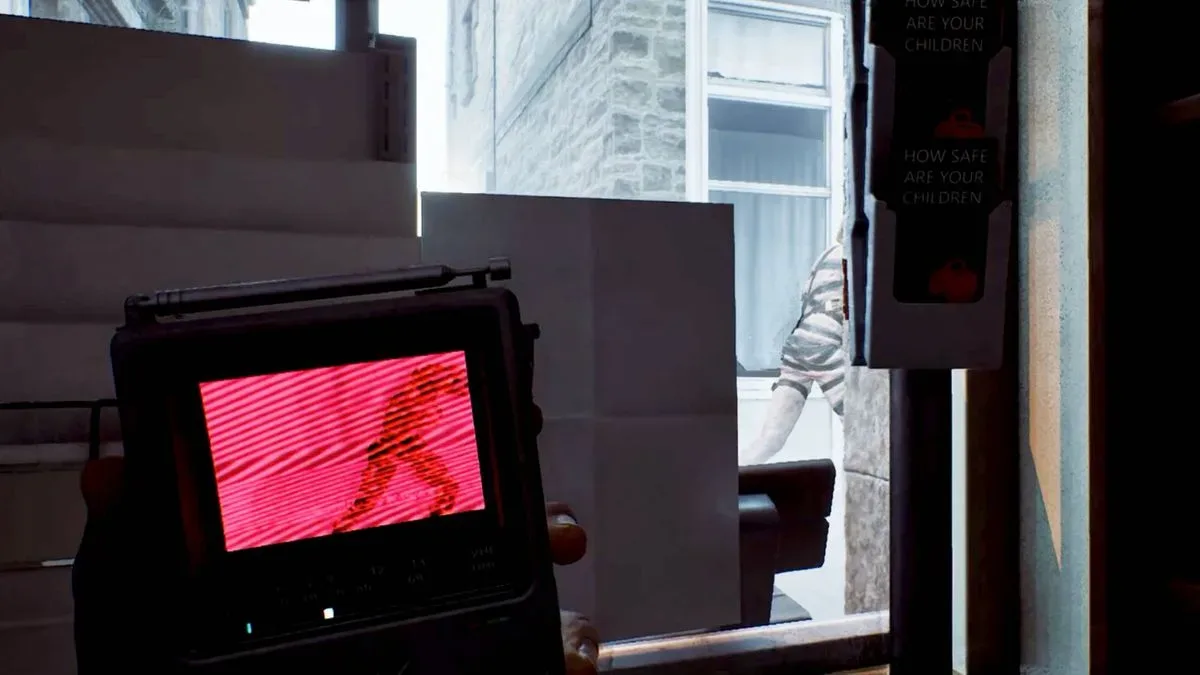
At the center of Townfall's survival systems is a retro portable CRT television. It occupies a role comparable to Silent Hill's traditional radio, but it is much more involved than a simple warning device. Rather than merely signaling that danger is near, the television can be tuned to particular enemies, offering an interference-covered view that can reveal threats through walls and other obstacles.
It is a smart mechanical expression of the series' fixation on distorted media and unreliable perception. The CRTV gives players useful information, but never enough to feel safe. Each creature has its own frequency, meaning players must switch signals to track different threats. The device is therefore less of a safety net than another source of anxious multitasking. Is the monster in the corridor still moving? Is there another one behind the wall? Is the static showing a genuine opening, or just the beginning of a disaster?
A peeking mechanic supports this careful approach. Simon can look around and over cover, often exposing only a tiny sliver of the screen to investigate a room before committing to movement. It is a small feature with a major emotional effect. Players are encouraged to scrutinize corners, doorways, stairwells, and gaps between objects for a fleeting silhouette. In a game where being seen can be disastrous, even an inch of visual information feels precious.
Stealth is effective, but it can become oppressive
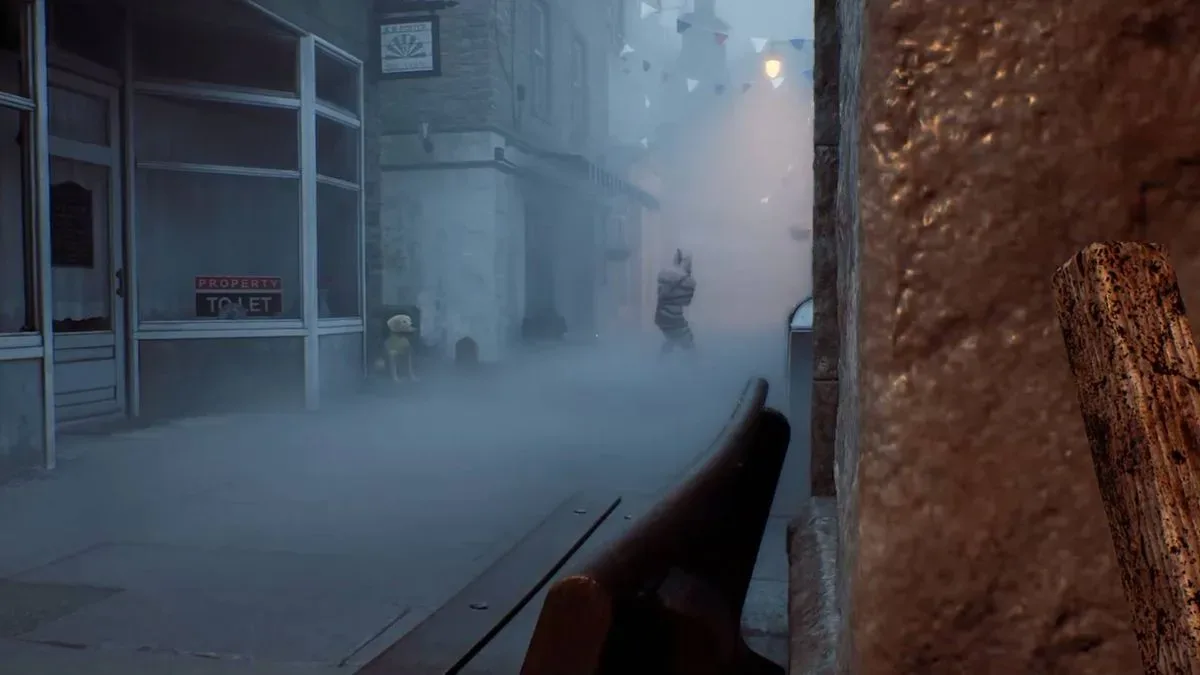
Townfall is fundamentally stealth-heavy. Combat exists, but it is deliberately unattractive as a default answer to danger. Melee weapons such as planks break quickly, while later tools offer only marginally more durability. Ammunition is scarce, and firing a gun can draw nearby monsters toward the sound. The game clearly prefers players to hide, distract, slip past patrol routes, and run only when there is no other option.
When its spaces offer room to improvise, this approach is excellent. Being discovered on an open street can lead to frantic escapes through the fog, with the player searching desperately for a place to break line of sight and disappear. Those moments produce the sort of immediate, physical panic that great horror games can create.
More enclosed levels are less consistently successful. In cramped interiors, getting caught can mean repeatedly fleeing into rooms with no escape route, or crouching in a hiding place without a clear understanding of how to progress. A generous supply of healing items and a resurrection-focused IV bag mechanic help prevent every mistake from sending players back to a distant save point. Still, the game can occasionally turn fear into friction.
One later stretch is particularly severe, restricting combat and resurrection options while making threat detection more difficult. It is followed by another similarly demanding segment, creating a long period in which Townfall's pressure can feel exhausting rather than exhilarating. An especially dangerous enemy that can kill instantly also causes problems at times. Its patrol behavior may leave players pinned down for extended periods, with a risky dash seeming like the only route forward.
Thrown bottles and bricks can create distractions, but these tools do not always prevent such encounters from becoming a war of patience. This is the main caveat behind Townfall's acclaim: its commitment to vulnerability is admirable, yet it sometimes overcommits.
Practical puzzles and a mystery worth protecting
Townfall's puzzles generally take a more grounded approach than the most elaborate contraptions associated with older Silent Hill games. An early example involves obtaining a prepaid electricity-meter card from a newsagent, establishing a more practical style of investigation. Players search locations, connect clues, and gradually assemble an understanding of how ordinary objects fit within a thoroughly abnormal situation.
That does not mean the game abandons surrealism. The Otherworld sequences introduce stranger and more story-focused challenges, and the CRTV also factors into puzzle-solving by tuning into fragmented videos that point toward clues or important places. Much of the pleasure comes from realizing that a seemingly insignificant detail has a different meaning than first assumed.
There are a few missteps. Certain sections resemble overlong fetch quests, and one late-game symbol puzzle is likely to frustrate players who want clearer logic. Yet most of the game's investigations are satisfying precisely because they make players feel involved in uncovering the truth rather than merely waiting for a cutscene to explain it.
The story also benefits from restraint. Townfall keeps its cards close to its chest for a long time, offering little beyond troubling fragments and incomplete theories through much of the adventure. Players will understand early that something terrible has happened, but the specifics take time to emerge. That absence of certainty becomes part of the horror, allowing the mind to fill in possibilities that can be worse than any immediate reveal.
A new setting that still feels unmistakably Silent Hill
Moving the series beyond the original town helps reinforce the idea that Silent Hill is no longer only a fixed geographic place. Recent games have explored new locations, and Townfall makes a compelling case for viewing the phenomenon as something more predatory: a force that finds people burdened by guilt, remorse, grief, or denial.
Characters refer to an unnamed "it," and the game's completed narrative suggests a hostile presence that feeds on suffering. That concept fits the franchise's traditions without merely repeating them. Townfall has its own concerns and imagery, rooted in its characters' pasts and the ways people attempt to live with terrible acts or impossible losses.
The small cast helps this approach. Rather than flooding the player with exposition, the game develops a handful of people whose roles and motivations become more compelling as the mystery gains shape. Several revelations encourage a second playthrough, since earlier objects, encounters, and visual details can take on sharply different meanings once the broader picture is known.
Some of Townfall's monster design also rewards attention. Details that initially appear to be grotesque ornamentation can later become meaningful, strengthening the sense that the game's horrors are not random obstacles but extensions of its themes.
Sound and visual design carry the horror
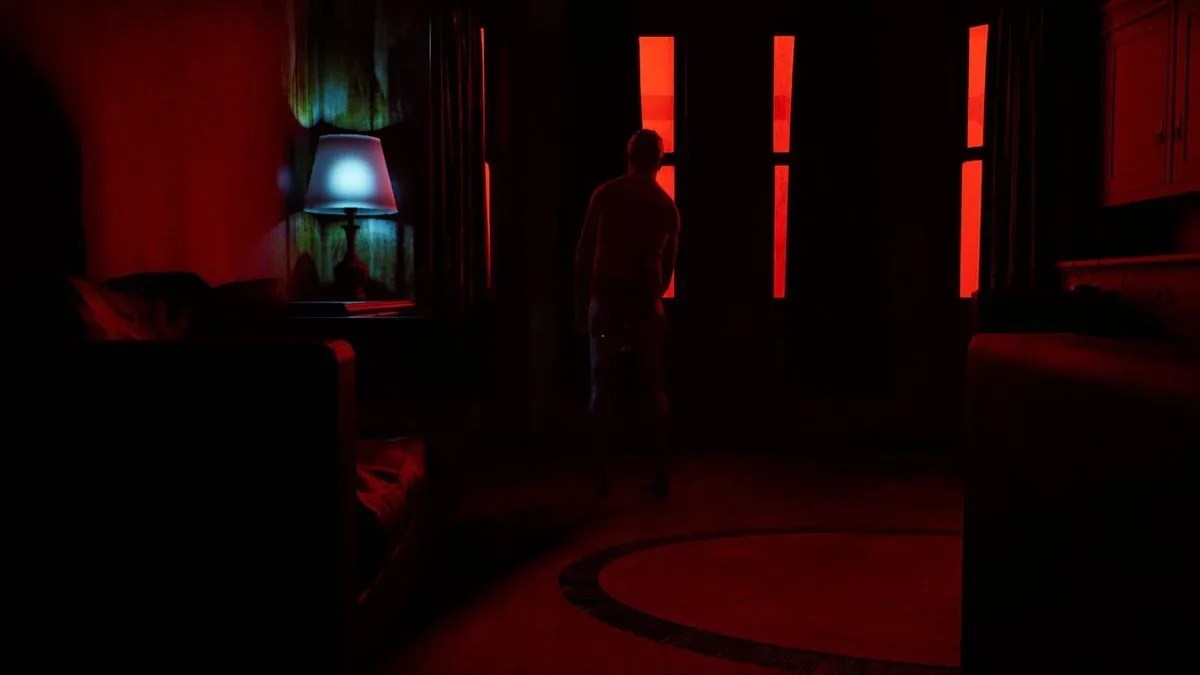
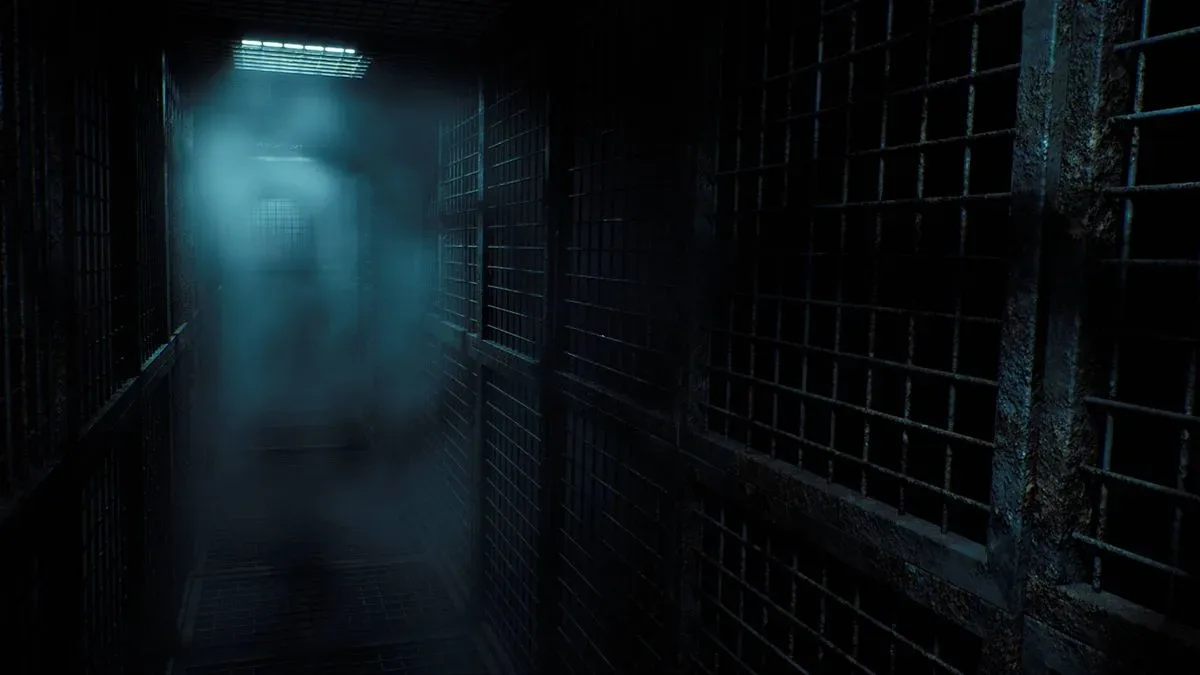
Townfall's presentation is exceptional. The ordinary world of St Amelia is bleak, fog-soaked, and deeply forlorn, while its Otherworld trades that damp coastal isolation for harsh concrete brutalism and severe lighting. The contrast is striking: one space feels like a town dying quietly beneath the mist, while the other feels crushingly artificial and inescapable.
The soundscape is equally vital. Warped piano, uneasy guitar, abrasive synth tones, distant clanging metal, and horrible wet breathing create a constant sense that something is nearby even when there is nothing visible. The audio does not just support the atmosphere; it actively destabilizes the player's confidence in every space.
Silent Hill: Townfall is not a perfect horror game, and its most punishing stealth sequences will test some players' tolerance for sustained pressure. But its flaws are outweighed by its astonishing atmosphere, carefully paced mystery, inventive CRTV mechanic, and genuinely upsetting emotional weight. It is a game that asks players to endure its darkness rather than simply observe it, and much of that darkness remains difficult to shake after the credits.
For those willing to accept its slow burn and occasional brutality, Townfall is an essential modern horror experience: unnerving, beautiful in its decay, and remarkably confident about what Silent Hill can become.
Community
Discussion
Start the conversation.
No comments have been posted yet.